
Most of us are guilty of bringing it to the bathroom.
But new research shows that this seemingly harmless habit may come with a painful consequence: hemorrhoids.
You significantly increase your risk of hemorrhoids
According to the study, people who use their phones while on the toilet are much more likely to develop hemorrhoids than those who leave their phones behind.
You end up sitting much longer than necessary

Scrolling on your phone causes you to lose track of time.
Also read: Scientists: Your Toothbrush Could Be the Weapon Against Alzheimer’s
This means you may stay seated far longer than you need to, which puts additional pressure on your lower rectum.
Blood flow in rectal veins is disrupted
Extended time sitting on the toilet can lead to blood pooling in the rectal veins. That pressure causes swelling, which increases the chances of hemorrhoid development.
Your posture makes it worse
The hunched position most people adopt while looking at their phone intensifies the pressure on delicate rectal veins.
Over time, this pressure can lead to irritation and swelling.
Also read: How to Properly Take Your Vitamins and Supplements
Phone use is linked to lower physical activity
Those who admitted to scrolling on the toilet also tended to have lower levels of physical activity overall.
This combination further elevates the risk of digestive issues and hemorrhoids.
Constipation and straining make matters worse
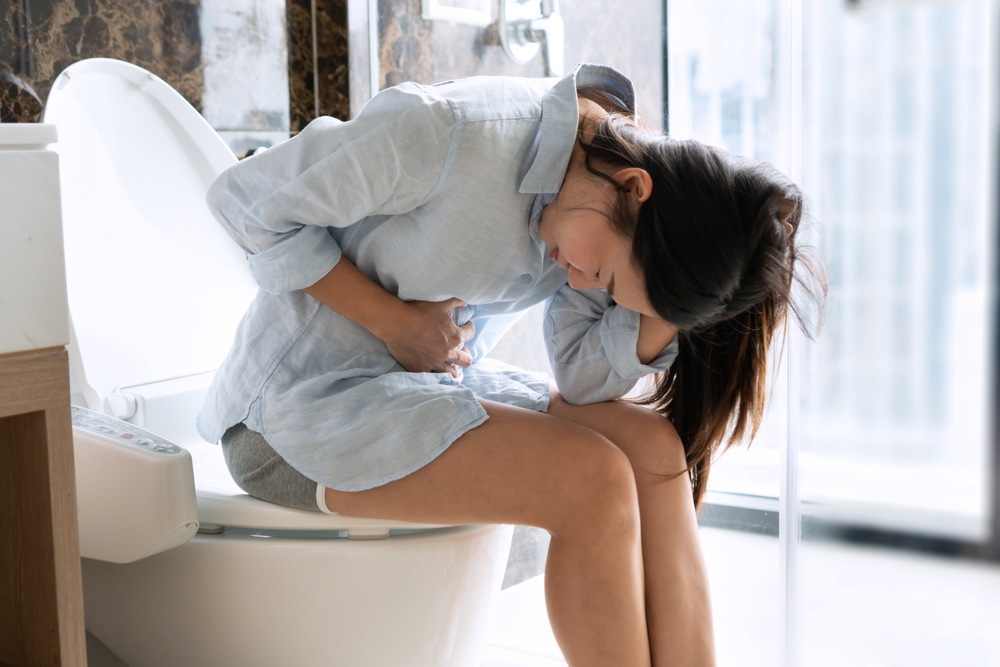
If you’re already prone to hard stools or tend to strain during bowel movements, using your phone only worsens the issue by prolonging the process and adding more pressure.
Early symptoms are often overlooked
Common signs of hemorrhoids include itching, mild pain, swelling around the anus, and sometimes blood after bowel movements.
Also read: 13 things your farts could be telling you about your body
It’s crucial to catch these symptoms early for easier treatment.
A small footstool can make a big difference
Using a footstool while on the toilet elevates your knees and helps align your body in a more natural position, reducing the need to strain during bowel movements.
Diet plays a major role in prevention
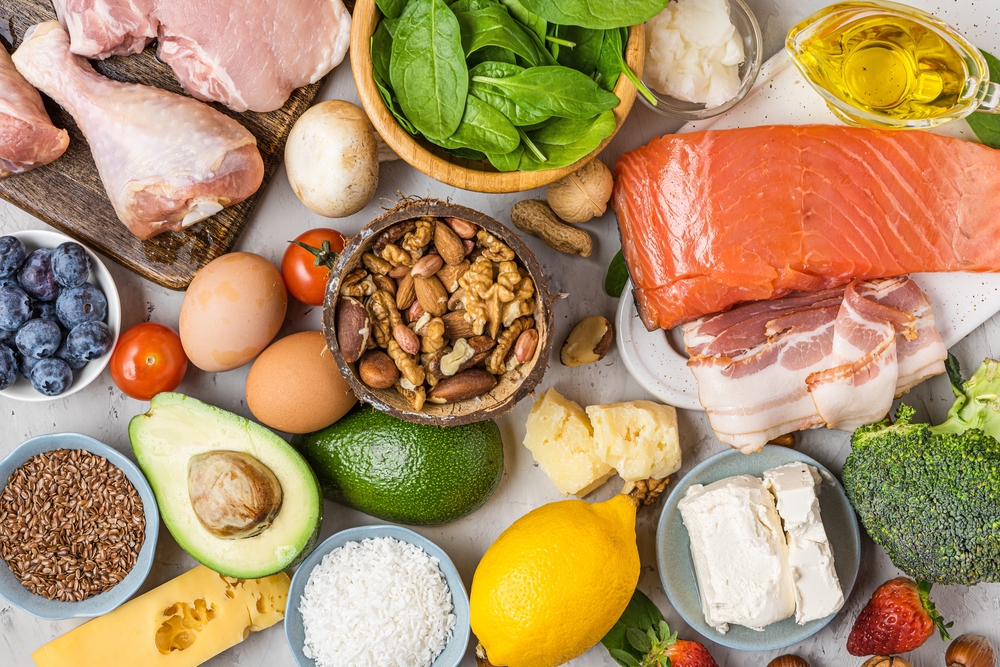
Eating a fiber-rich diet softens your stool and makes it easier to pass, decreasing the need to push. More fiber means less strain, which lowers your risk of hemorrhoids.
Hydration and movement matter

Fiber works best when combined with proper hydration.
Also read: Say Goodbye to Stomach Issues: Top Tips for Smooth Digestion
Drinking water regularly and incorporating daily movement, such as walking, can support better digestion and reduce constipation.
Artiklen er baseret på informationer fra Healthline.com.
Also read: Save Money and Avoid Food Waste: How to Keep Your Fruits and Veggies Fresh
This article is made and published by Ida-Marie Palm Varbæk, who may have used AI in the preparation.