
It might sound like science fiction, but new research has found a startling connection between common oral bacteria and deadly heart attacks.
Mouth bacteria found inside heart arteries

Researchers have detected bacterial DNA from the viridans group streptococci, bacteria usually found in the mouth, inside coronary artery plaque samples from patients with heart disease.
They live in dental and arterial plaque

These bacteria don’t just stay in your mouth. They thrive in plaque, forming a slimy biofilm that sticks to teeth, and, according to researchers, also inside the arteries feeding your heart.
Biofilm can turn deadly when activated
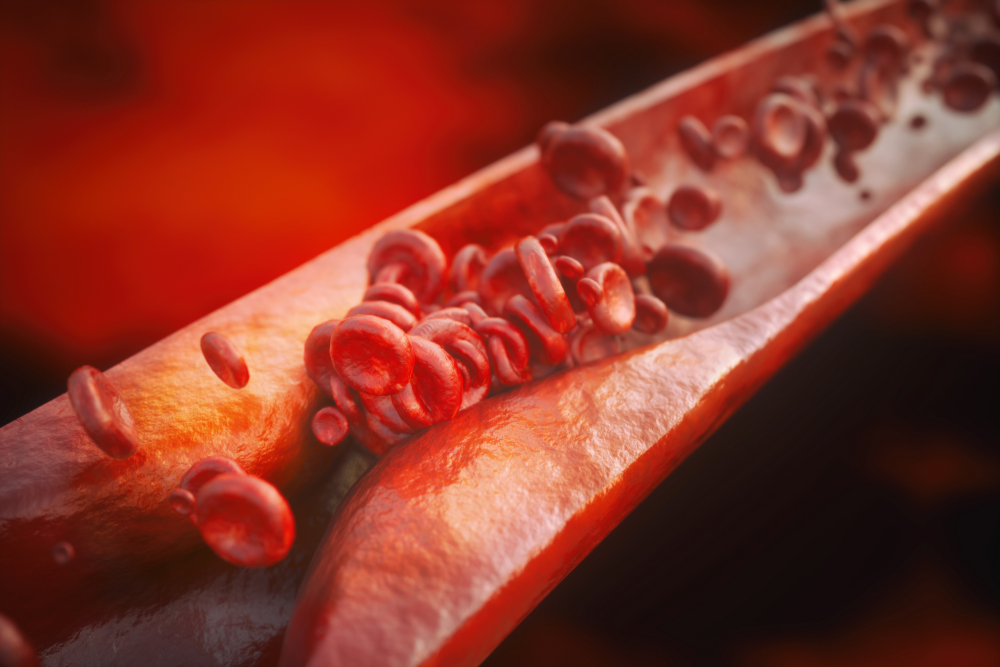
Normally, bacteria inside a biofilm are harmless. But when activated, the biofilm can break open, allowing bacteria to escape and inflame artery walls.
Also read: Doctors Say These Types of Video Games May Fight Early Signs of Dementia
This may cause plaque to rupture and trigger a heart attack.
Inflammation is the hidden danger

Doctors have long believed that inflammation is a key factor in plaque buildup and rupture.
This new study supports the theory that bacterial infections could trigger inflammatory responses leading to heart attacks.
The theory was once dismissed
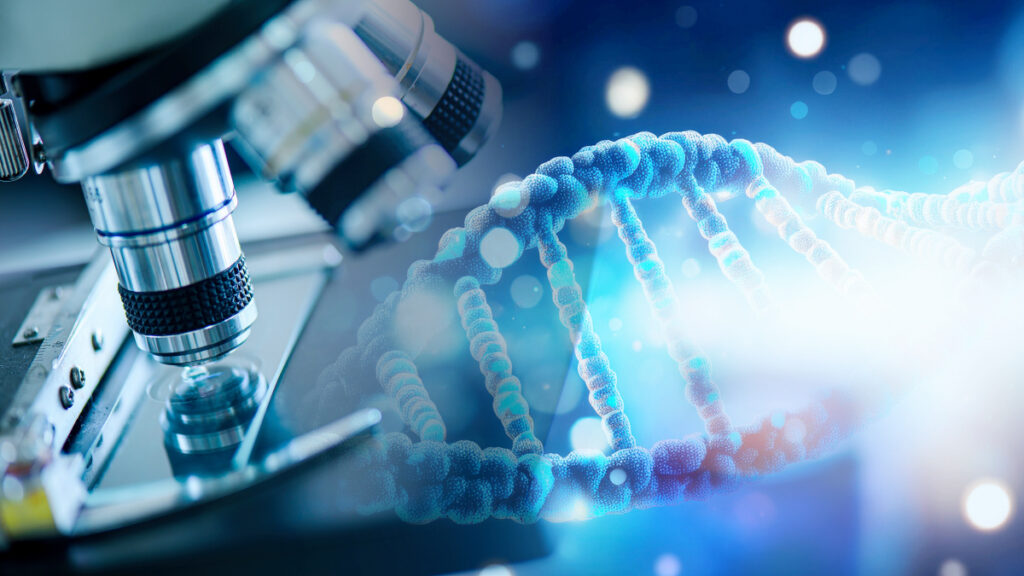
About 20 years ago, the idea that bacteria contribute to heart disease was dropped after failed antibiotic trials.
Also read: Feeling Frustrated? Here's Why That’s Actually a Great Sign
But new molecular techniques capable of detecting tiny traces of bacterial DNA have reignited scientific interest.
Your oral hygiene could be saving your heart

Brushing and flossing may do more than protect your smile.
Keeping your mouth clean could prevent bacteria from entering your bloodstream and attacking your cardiovascular system.
No vaccine yet for this bacterial threat
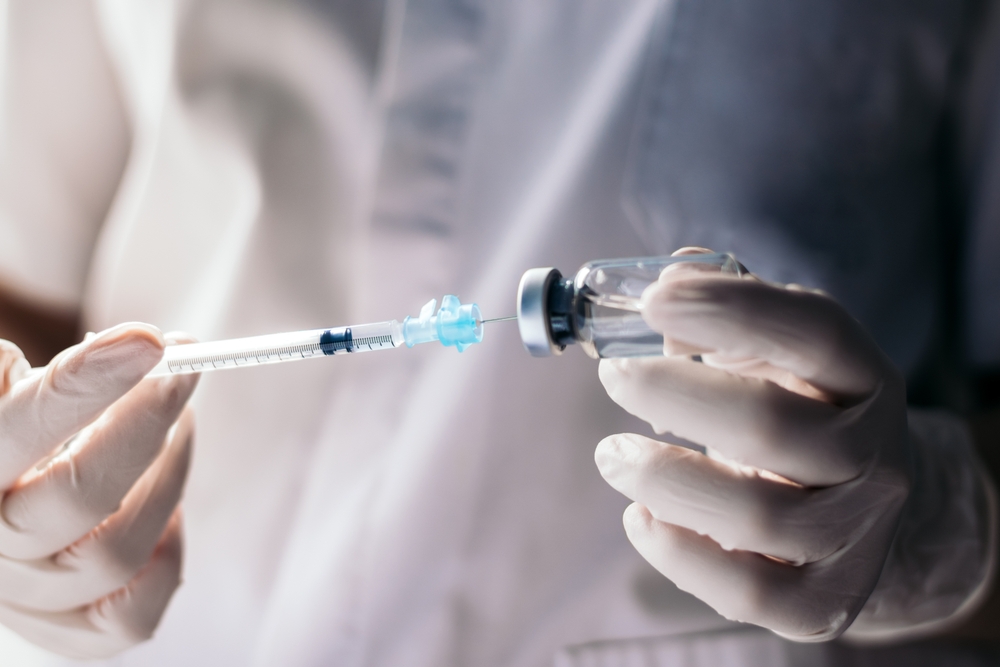
Unfortunately, there's no approved vaccine against strep viridans.
Also read: Global Hospital Rankings Revealed: These Are the World’s Best Medical Centers
And vaccines like Pneumovax or Prevnar, which target different strains of strep, won’t protect you from this one.
Untreated dental infections pose a serious risk
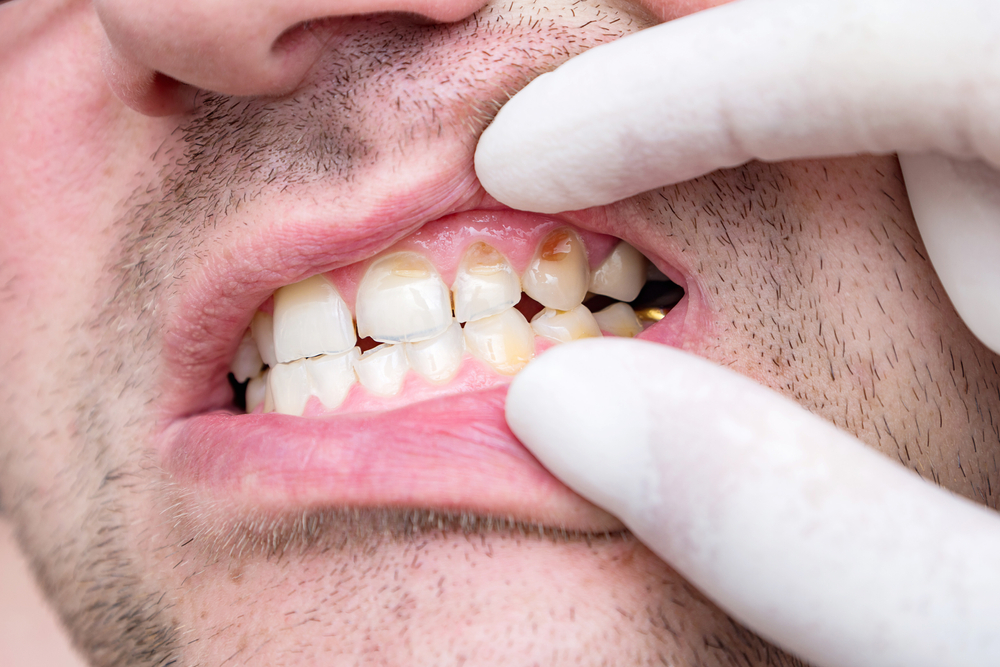
Infections in your mouth, if left untreated, can lead to bacteria entering the bloodstream.
Experts warn that serious dental infections may play a hidden role in heart disease and sudden cardiac death.
The mouth is connected to the whole body
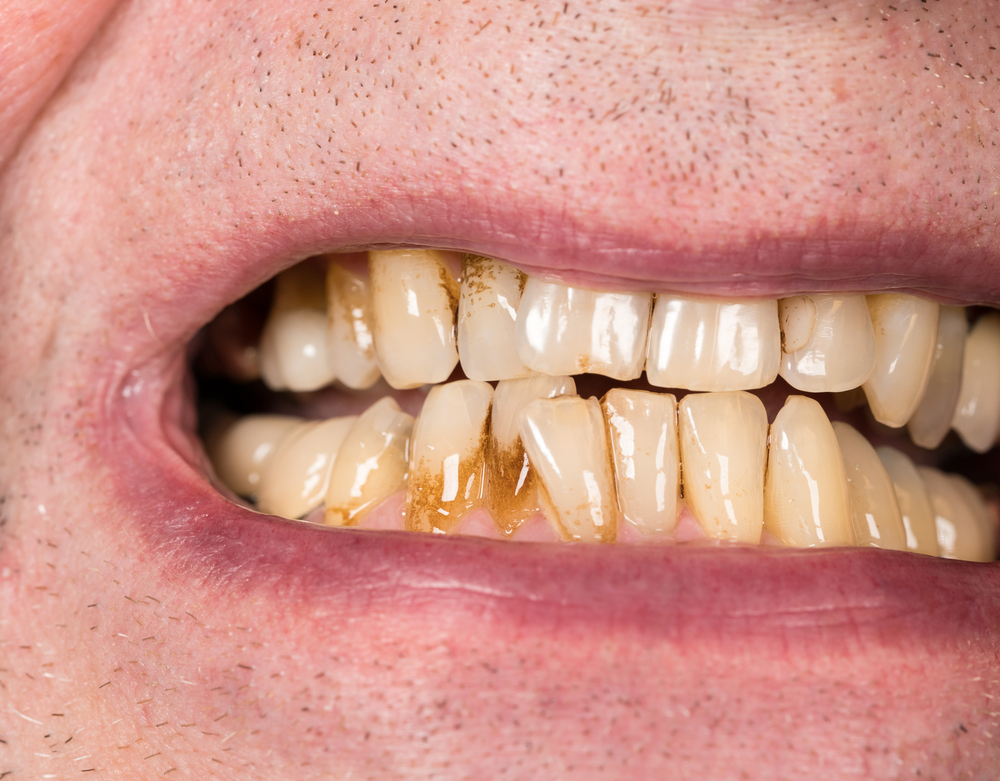
Experts emphasize that the mouth isn’t an isolated system. It's a gateway to your body.
Also read: New Study: Surprising Diet Outperforms Medication for IBS
Oral bacteria can influence systemic health, especially when they cross into the bloodstream and affect the heart.
Other vaccines still matter for heart protection
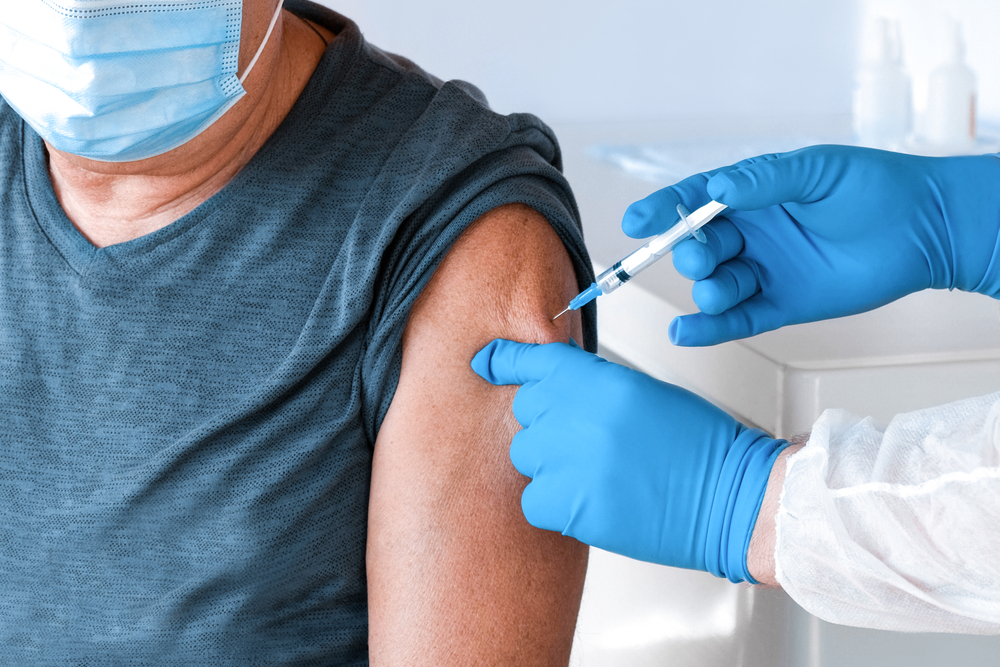
While there’s no vaccine for oral strep bacteria, staying up to date with flu, COVID-19, and pneumonia vaccines can reduce the risk of severe infections that have also been linked to cardiovascular events.
This article is based on information from Medical News Today.
Also read: Can You Pass These Home Fitness Tests? They Might Reveal How Well You're Aging
This article is made and published by Ida-Marie Palm Varbæk, who may have used AI in the preparation.