
Daily ginger tea: the science-backed benefits you need to know

Date:

Share this article:

Del denne artikel:

Ginger tea has long been praised as a natural remedy, but when you make it part of your daily routine, the effects go far beyond soothing an upset stomach. Here are 10 surprising ways it can impact your health.

Boosts your body’s defenses
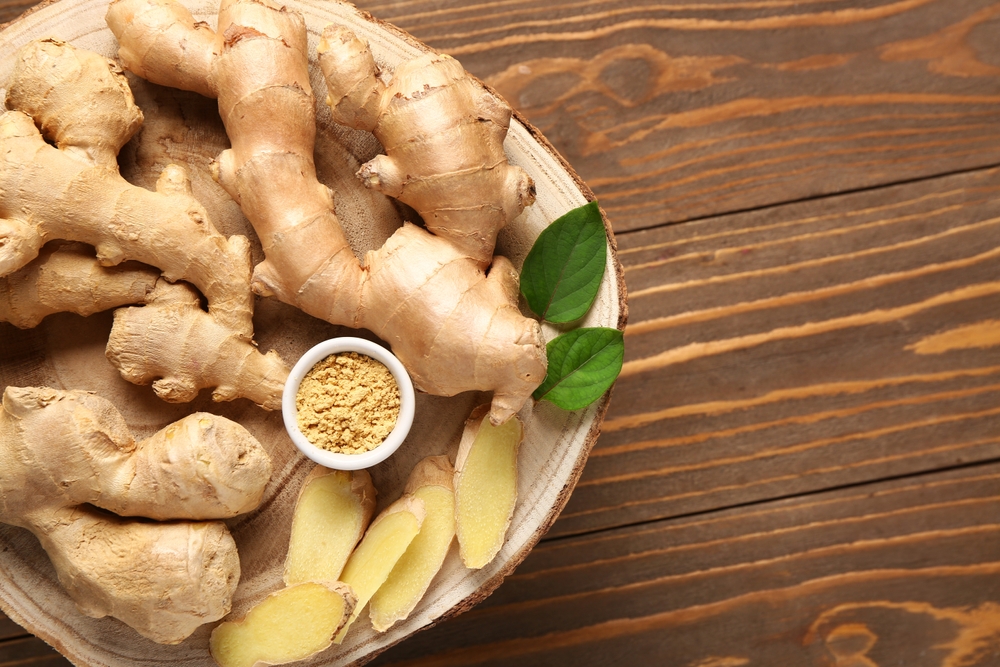
Photo: Shutterstock.com

With its antioxidant and antimicrobial power, ginger tea helps strengthen the immune system and keep infections at bay.

Calms hidden inflammation

Photo: Shutterstock.com

Compounds like shogaols and gingerols work to reduce swelling and pain linked to arthritis, psoriasis, and gut issues.

Natural relief for period pain

"Tea Lemon" by Dominik Martin/ CC0 1.0

Studies suggest ginger may be just as effective as over-the-counter pills in easing menstrual cramps.

Also read: Do’s and Don’ts for Raising a Picky Eater

Soothes nausea naturally

"Ginger tea in a jug" by Sharankrishna VP/ CC0 1.0

Whether from pregnancy, travel, or illness, ginger tea is one of the most trusted remedies for an unsettled stomach.

Speeds up muscle recovery

"Two cups of lemon tea with honey and ginger." by Anis/ CC0 1.0

A post-workout cup can help reduce soreness and stiffness, supporting faster healing of tired muscles.

Keeps your digestion on track

Photo: Shutterstock.com

By helping food move smoothly through the gut, ginger prevents bloating, constipation, and indigestion.

May support weight balance
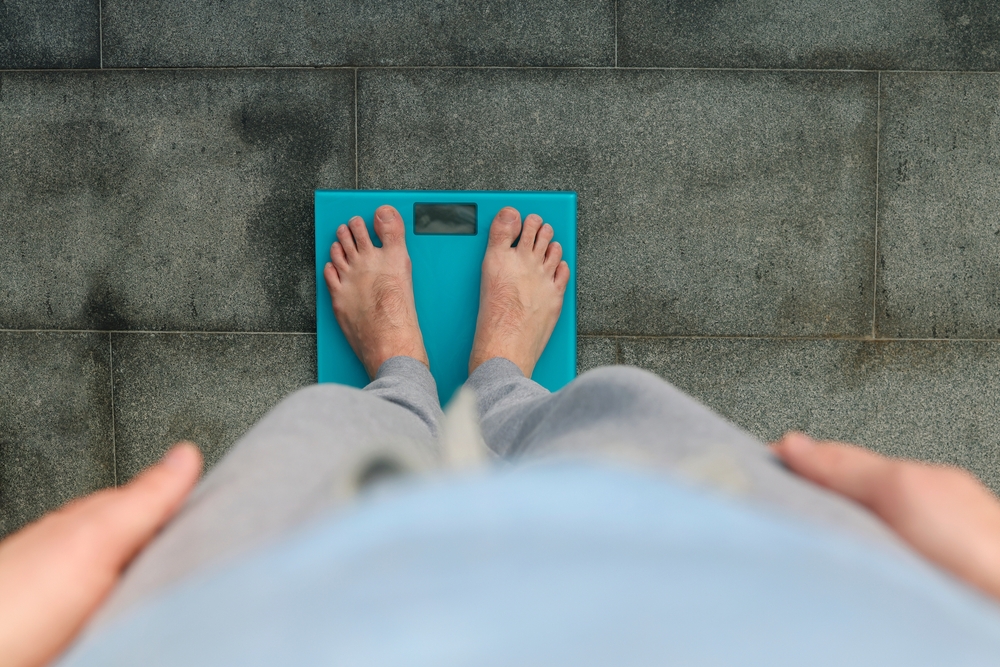
Photo: Shutterstock.com

Ginger can influence metabolism, appetite, and fat absorption, making it easier to manage your weight over time.

Also read: Easy Snack Ideas Packed with Fiber to Keep You Full

Shows potential in cancer prevention

Photo: Shutterstock.com

Preliminary studies point to ginger’s ability to slow the growth of certain cancer cells, especially in the digestive tract.

Protects long-term health

Photo: Shutterstock.com

Regular intake has been linked to lower risks of chronic conditions like heart disease, diabetes, and high blood pressure.

Safe in moderation

"Ginger herb vegetable"/ CC0 1.0

Stick to under 4 grams a day to avoid side effects like heartburn or drug interactions, especially if you take blood thinners.

This article is based on information from Verywell Health and NCCIH

Also read: 11 Subtle Symptoms That May Could Signal It’s Time to See a Doctor

Also read: Everyday Habits That Boost Fat Loss as Much as the Gym

This article is made and published by Mie Hermansen, who may have used AI in the preparation.

Other articles

Popular menopause treatment linked to more frequent and longer migraines, new study finds

A major review involving nearly 24,000 women suggests that hormone therapy may be linked to more frequent and longer-lasting migraines. But researchers found no significant increase in pain severity, and experts say women should not rush to stop their treatment.

What pregnant women eat may affect their baby’s health, and one food stood out in a new study

A Harvard-led study involving more than 1,300 mothers has uncovered a surprising connection between pregnancy diets and two common conditions in babies. Researchers found that women who ate more seafood and followed a Mediterranean-style diet were less likely to have infants who developed both colic and eczema.

Ozempic-style drugs linked to 24% lower psychiatric hospitalization risk in major study

A major study involving more than 70,000 Americans has uncovered a surprising connection between popular diabetes drugs and mental health. Patients taking GLP-1 medications were less likely to require emergency psychiatric care, but researchers warn that the findings do not prove the drugs treat schizophrenia.

Menopause before 40 may carry a hidden heart risk

Women who experience menopause before the age of 40 may face a greater risk of heart disease, according to new research involving more than 4,700 women. Scientists have also identified a possible explanation involving insulin levels, even when blood sugar appears normal.

Popular menopause treatment linked to more frequent and longer migraines, new study finds

A major review involving nearly 24,000 women suggests that hormone therapy may be linked to more frequent and longer-lasting migraines. But researchers found no significant increase in pain severity, and experts say women should not rush to stop their treatment.

What pregnant women eat may affect their baby’s health, and one food stood out in a new study

A Harvard-led study involving more than 1,300 mothers has uncovered a surprising connection between pregnancy diets and two common conditions in babies. Researchers found that women who ate more seafood and followed a Mediterranean-style diet were less likely to have infants who developed both colic and eczema.

Ozempic-style drugs linked to 24% lower psychiatric hospitalization risk in major study

A major study involving more than 70,000 Americans has uncovered a surprising connection between popular diabetes drugs and mental health. Patients taking GLP-1 medications were less likely to require emergency psychiatric care, but researchers warn that the findings do not prove the drugs treat schizophrenia.