
Cold and flu viruses spread easily, but according to GP Dr. Helen Wall, there are several simple and natural ways to strengthen your body’s defences before illness strikes.
Eat beans on toast

A fibre-rich diet can help your body fight off infections.
Enjoying beans on wholemeal toast, a bowl of dahl or rye bread boosts your fibre intake, which research from the University of Southampton links directly to immune strength.
Get enough vitamin D

Vitamin D plays a vital role in regulating immune responses, particularly against respiratory infections.
Also read: Scientists Say a Consistent Bedtime Outweighs Total Sleep Hours
Since sunlight is the main source, the NHS recommends taking a daily supplement of 10 micrograms when exposure to natural light is low.
Keep your home clean

A regular deep clean helps reduce the spread of germs. Viruses and bacteria travel not only through the air but also via surfaces and door handles.
Good hygiene, especially frequent handwashing, is essential for staying healthy.
Sleep well

Sleep is essential for a strong immune system. During rest, the body repairs and resets itself.
Also read: How to Lower High Blood Pressure After 60 Without Medication
Too little sleep lowers immune cell activity, making you more prone to infections. Aim for seven to nine hours of quality sleep each night.
Stay active

Regular exercise is one of the best ways to strengthen your immunity.
Moderate physical activity helps your body detect and combat infections more effectively. Find an activity you enjoy and stick with it consistently.
Support your gut
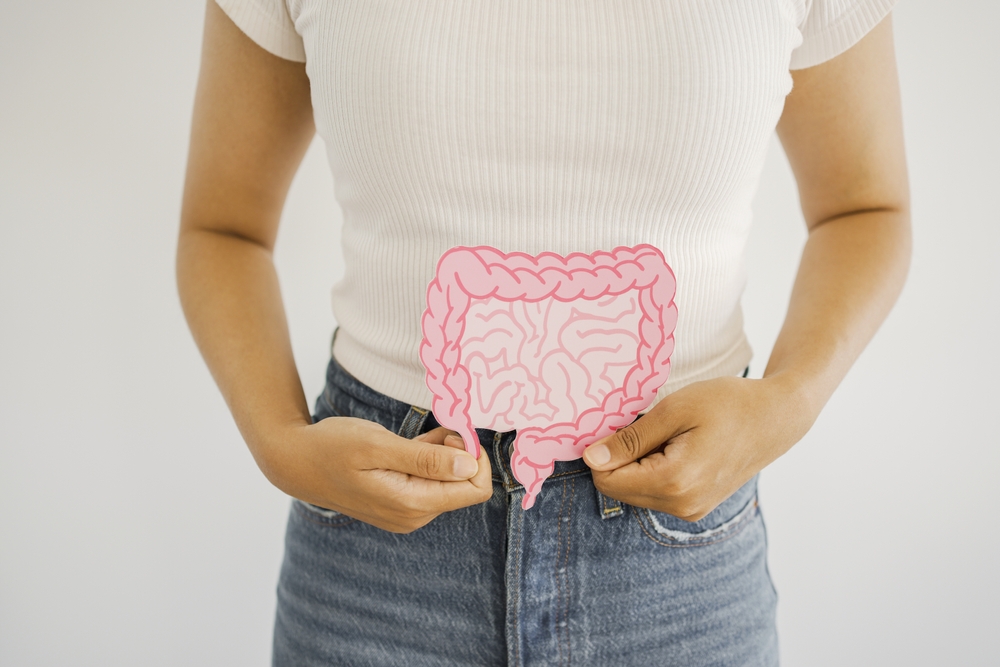
Good gut health is key to a strong immune system. Eat a varied diet rich in vegetables, fruits, nuts and whole grains.
Also read: Research: This Form of Exercise May Help Relieve Depression
Probiotic supplements can help, but they should complement, not replace, a balanced diet.
Manage stress

Chronic stress increases cortisol levels, which weakens immune responses.
Taking short breaks, practising mindfulness, doing yoga or simply relaxing can lower stress and boost resilience.
Drink tea

A warm cup of tea helps keep the linings of your nose, mouth and throat moist, forming a barrier against bacteria and viruses.
Also read: What eating too much ultra-processed food could do inside your body
Staying hydrated with tea, water or soup also supports lymph flow, which carries immune cells throughout the body.
Limit alcohol

While tea supports your immune system, alcohol does the opposite.
Excessive drinking weakens your body’s defences and makes you more susceptible to illness. Drink in moderation or cut it out completely for better health.
Eat the rainbow

A colourful variety of fruits and vegetables provides essential nutrients and antioxidants that help protect against disease.
Also read: Kitchen Habits That Increase Your Risk of Food Poisoning
Diversity in your diet is the key to lasting health.
Wash your hands often

Frequent handwashing is one of the most effective ways to prevent infection.
Make it a habit especially after using public transport, before meals and after coughing or sneezing.
This article is based on information from The Sun.
This article is made and published by Ida-Marie Palm Varbæk, who may have used AI in the preparation.