
The heart ages gradually, even before we notice anything. How this happens depends both on biological changes and on the habits we build throughout life.
Aging as a risk factor

Age itself is a risk factor for heart disease, as inflammation accumulates over time, blood vessels become stiffer, and the walls of the heart gradually thicken.
Changes in the heart are not visible

Unlike wrinkles and gray hair, many age-related changes in the heart occur without visible signs and are often discovered only at a late stage.
Most heart disease occurs after 50

According to research published in The Journal of Cardiovascular Aging, the majority of cardiovascular diseases occur after the age of 50, even though the process begins many years earlier.
Also read: Experts warn against combining certain natural supplements
Your 30s lay the foundation
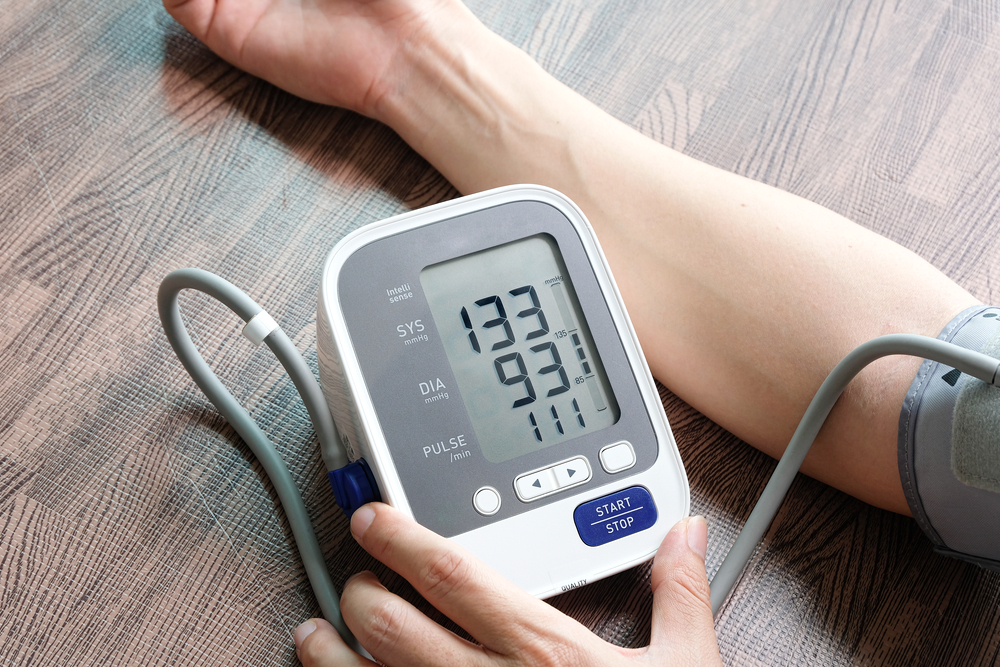
In your 30s, earlier lifestyle choices begin to show measurable effects, including blood pressure and cholesterol levels, which reflect healthy or unhealthy habits.
Check-ups in your 30s are crucial

Annual medical checkups that measure blood pressure and cholesterol can reveal early risks before symptoms appear.
Plaque builds up slowly
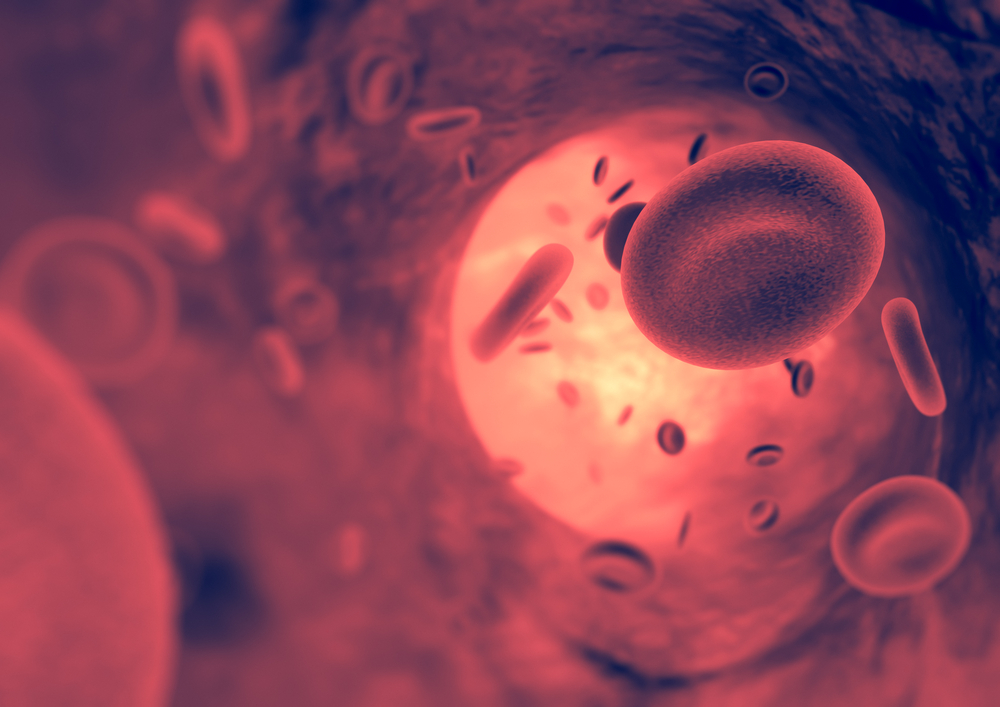
Atherosclerosis develops gradually and can raise blood pressure without noticeable symptoms until a serious event occurs.
High blood pressure early on is a warning sign
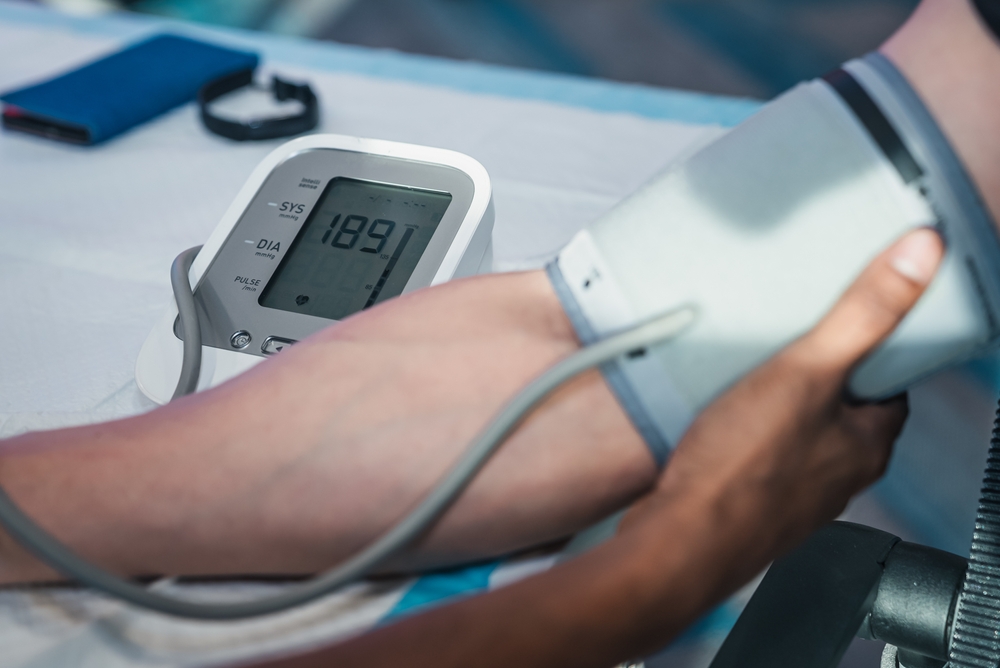
If elevated blood pressure is detected in your 30s, it is important to act quickly to avoid life-threatening problems later on.
Also read: New study: Full-fat cheese linked to a lower risk of dementia
Risk increases in your 40s

In your 40s, the risk of heart disease accelerates, especially among men, who are typically affected earlier than women.
Lifestyle consequences become apparent

Lack of sleep, stress, an unhealthy diet, and physical inactivity can lead to high blood pressure and cholesterol levels in your 40s.
Menopause changes women’s risk

In their 50s, women lose the protective effect of estrogen, which can result in stiffer blood vessels and higher cholesterol levels.
Weight gain in your 50s strains the heart
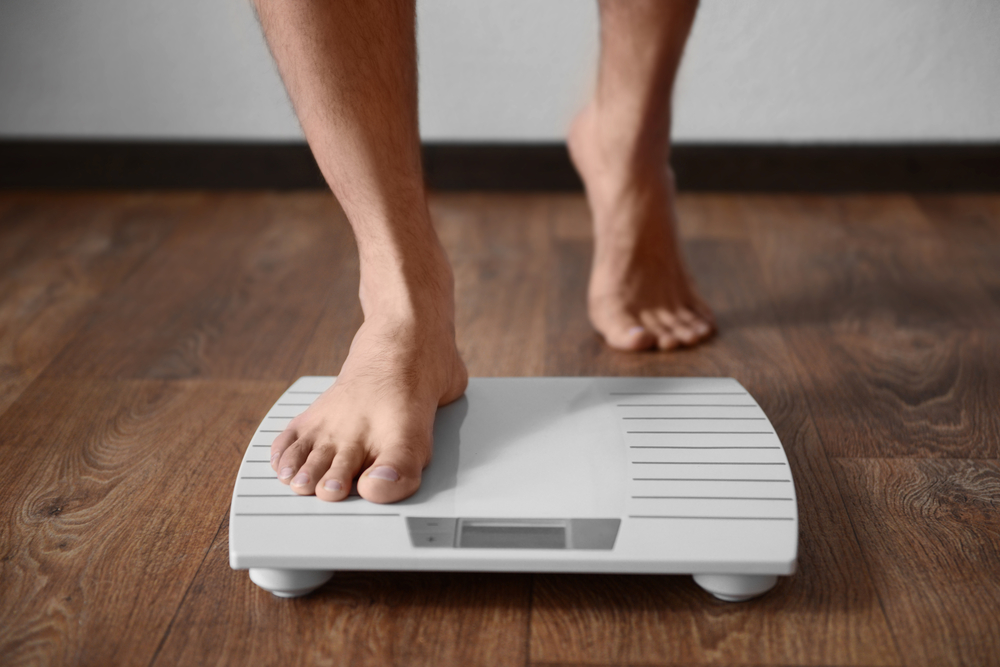
Both men and women often gain weight in their 50s, and fat around the abdomen in particular increases the risk of heart disease.
Also read: Bird flu protection may begin in the nose, researchers say
Risk continues after 60

Even with healthy habits, the risk of heart disease increases with age, as inflammation and structural changes in the body continue.
It is never too late to change habits

Changes in diet, lifestyle, or medical treatment can improve heart health, even after 60.
Lifestyle affects the heart’s biological age

Some people in their 50s and 60s have hearts with few signs of aging, while others in their 40s may show signs of premature aging.
Know your numbers
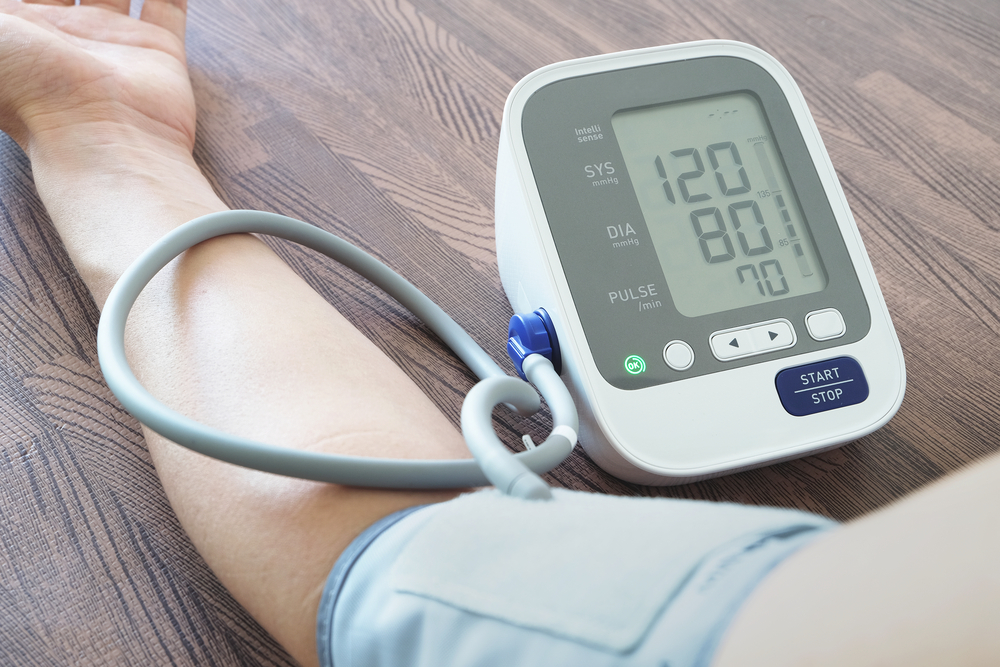
Blood pressure and cholesterol are crucial indicators of heart health, and without measurements, it is difficult to assess risk accurately.
Also read: New research leads to updated blood pressure guidelines
Sources: Parade, and The Journal of Cardiovascular Aging.
Also read: Doctors share age-based advice on how often to shower
This article is made and published by Ida-Marie Palm Varbæk, who may have used AI in the preparation.