
Updated guidelines give people with high blood pressure more options to improve their health.
Here are the new guidelines you should follow if you have high blood pressure.
Updated guidelines in 2025
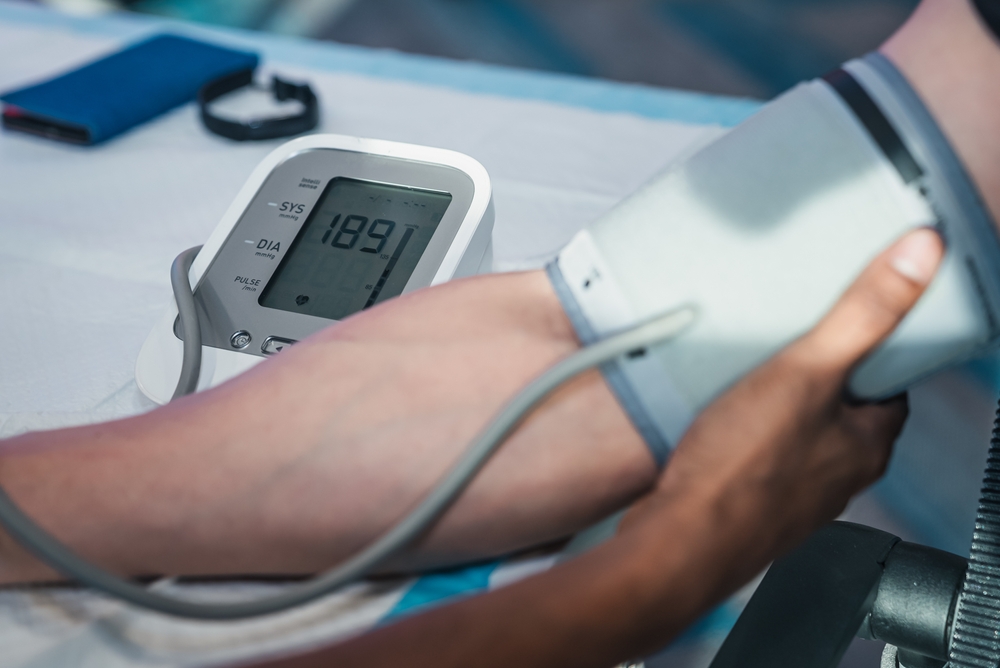
For the first time since 2017, the American Heart Association and the American College of Cardiology have updated their recommendations for the treatment of high blood pressure based on new research.
Unchanged threshold values
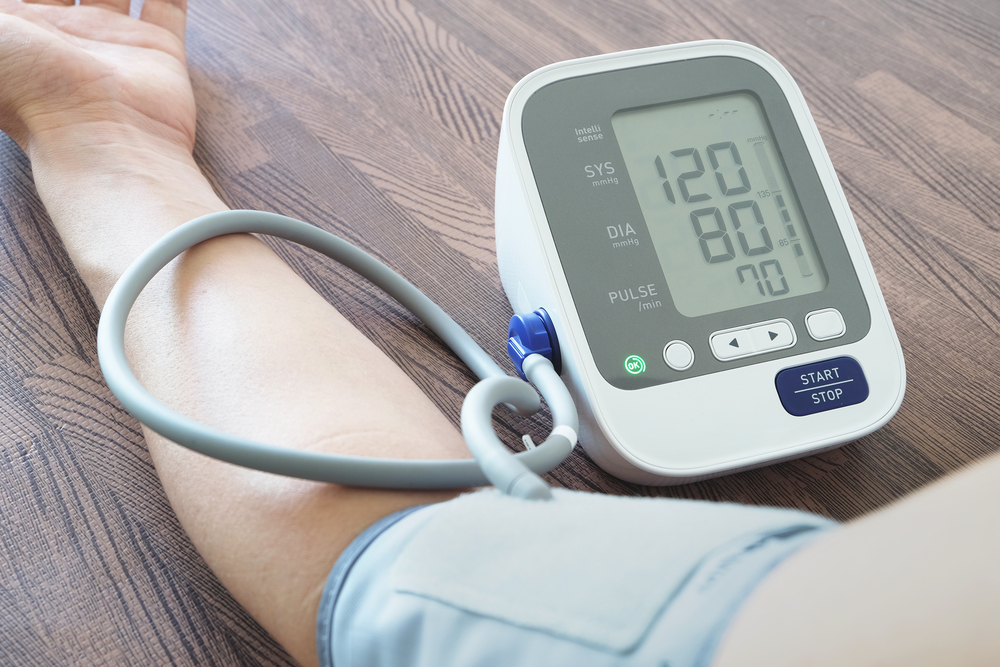
The definitions of normal, elevated, and high blood pressure remain the same as before and are measured using a blood pressure cuff.
Also read: Doctors share age-based advice on how often to shower
Normal blood pressure is below 120 over 80 mm Hg, elevated blood pressure is 120 to 129 over 80 mm Hg, and high blood pressure is 130 over 80 mm Hg or higher.
Medication earlier in the process
The new guidelines recommend that doctors begin blood pressure-lowering medication earlier, especially if lifestyle changes over three to six months do not produce sufficient results.
Link to cognitive decline
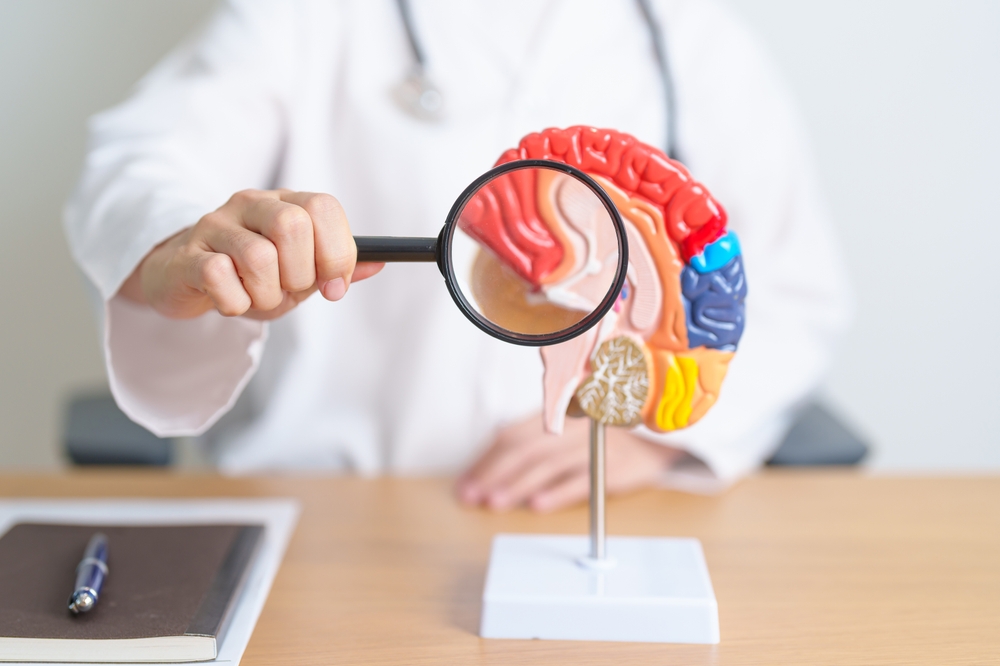
New research published in Journal of Yeungnam Medical Science shows that high blood pressure is also associated with cognitive decline, which is one of the reasons for earlier medical intervention.
Lifestyle still matters

Even when medication becomes part of the treatment, healthy habits such as regular physical activity and a balanced diet are still recommended.
Also read: What research says about Donald Trump’s health and lifestyle
Even less salt
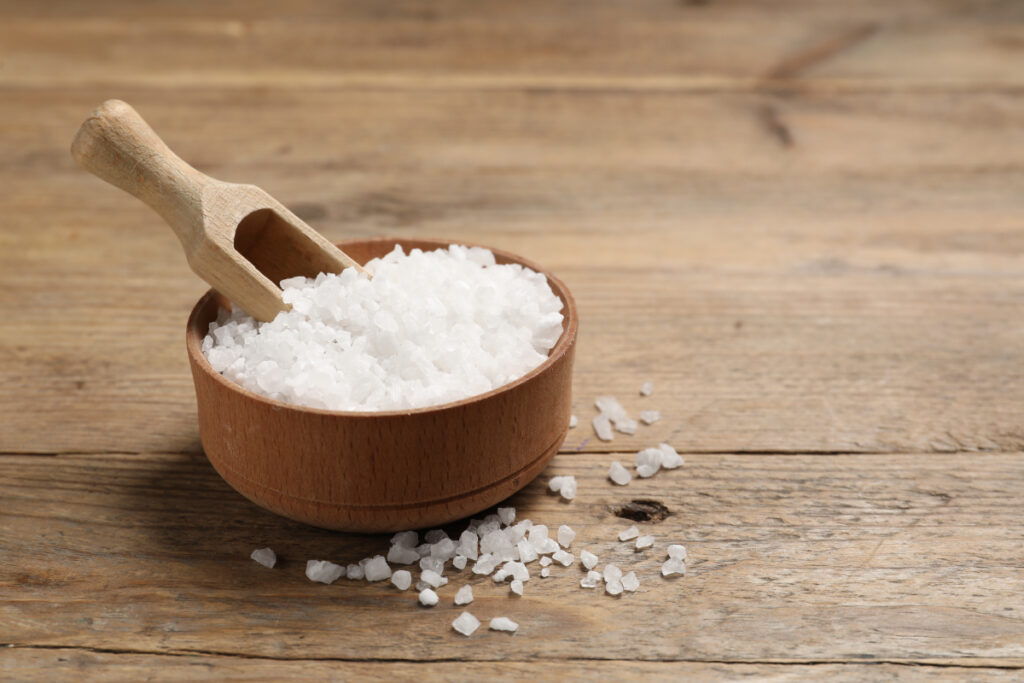
The recommendation remains to stay below 2,300 milligrams of sodium per day, with a target of no more than 1,500 milligrams.
It is emphasized that much of the salt intake comes from processed foods and restaurant meals, and that nutrition labels should be checked.
More potassium in the diet

When cooking at home, it is recommended to use potassium-based salt substitutes and to eat more potassium-rich foods such as bananas, spinach, mushrooms, and honeydew melon.
Alcohol should be limited
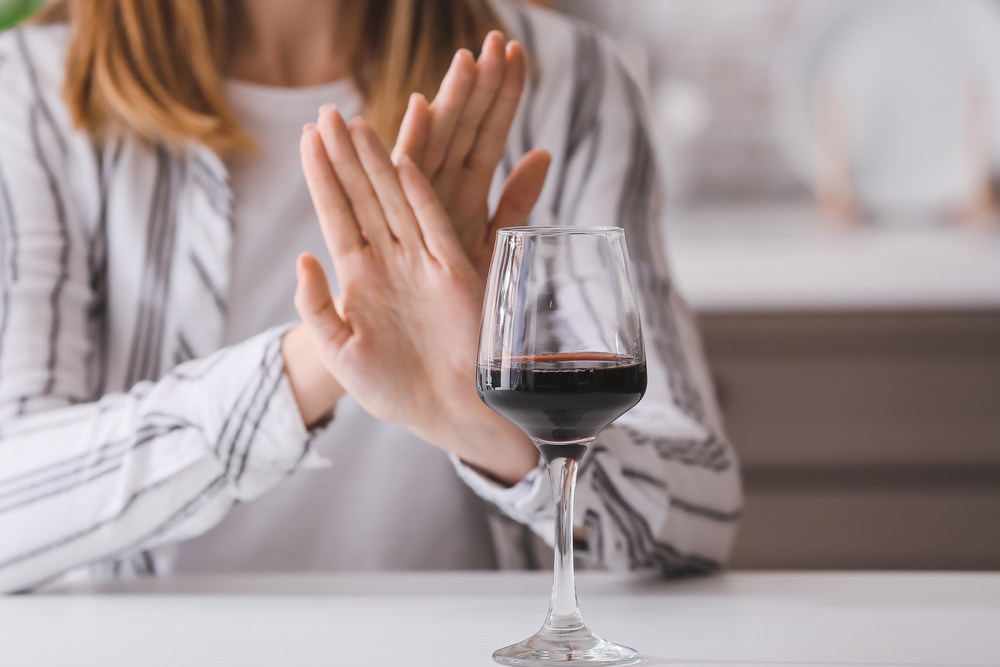
The new guidelines advise avoiding alcohol altogether.
Also read: Study explores treatments that may improve weight loss after menopause
If alcohol is consumed, the recommendation is no more than two drinks per day for men and one for women, as each additional drink over time can raise blood pressure.
Stress and heart health
Stress is linked to heart disease, and stress-reducing methods such as yoga, deep breathing, and meditation are therefore recommended.
Exercise as a regular part of daily life

The recommendation is 75 to 150 minutes of exercise per week, including aerobic activity such as brisk walking as well as strength training with resistance bands or weights.
Weight loss for overweight individuals
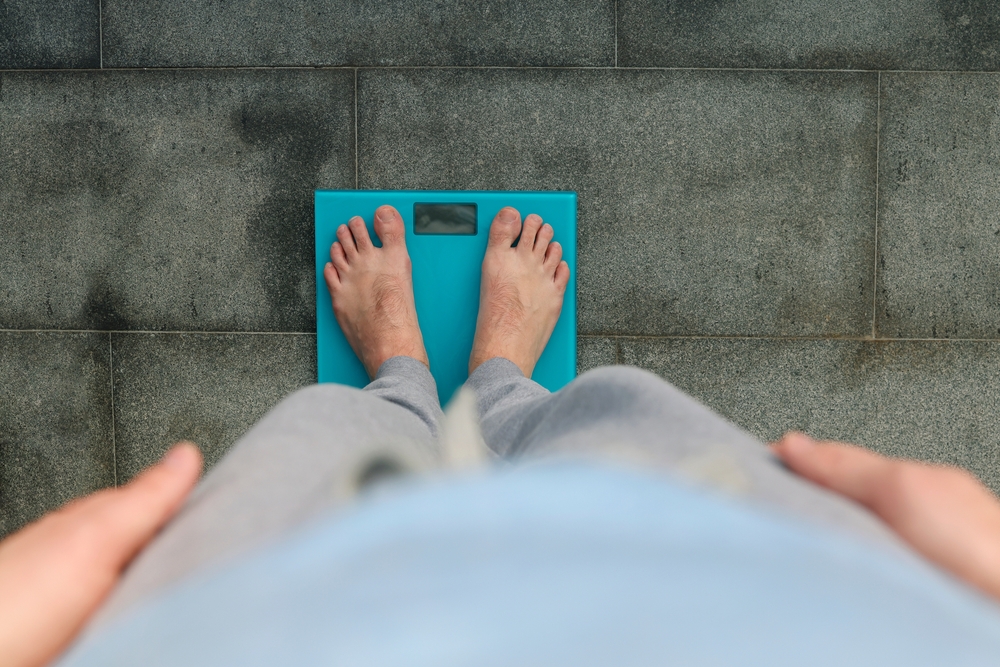
Adults who are overweight or severely overweight are advised to lose at least 5 percent of their body weight in consultation with a doctor.
Also read: How your body reacts when you replace coffee with mushroom coffee
The DASH eating pattern
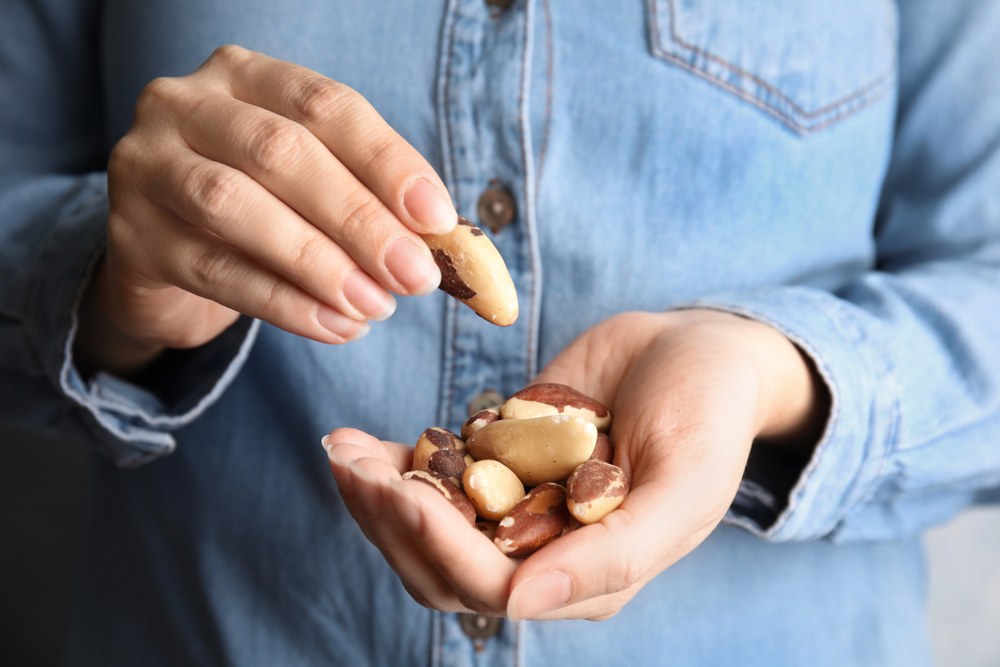
The guidelines maintain the recommendation of the DASH diet, which focuses on less salt and more fruits, vegetables, whole grains, legumes, nuts, seeds, low-fat dairy products, poultry, and fish.
Know your blood pressure numbers

Many people do not know their blood pressure, but it is crucial in order to benefit from the new recommendations.
People are therefore encouraged to measure their blood pressure regularly.
Blood pressure monitoring at home
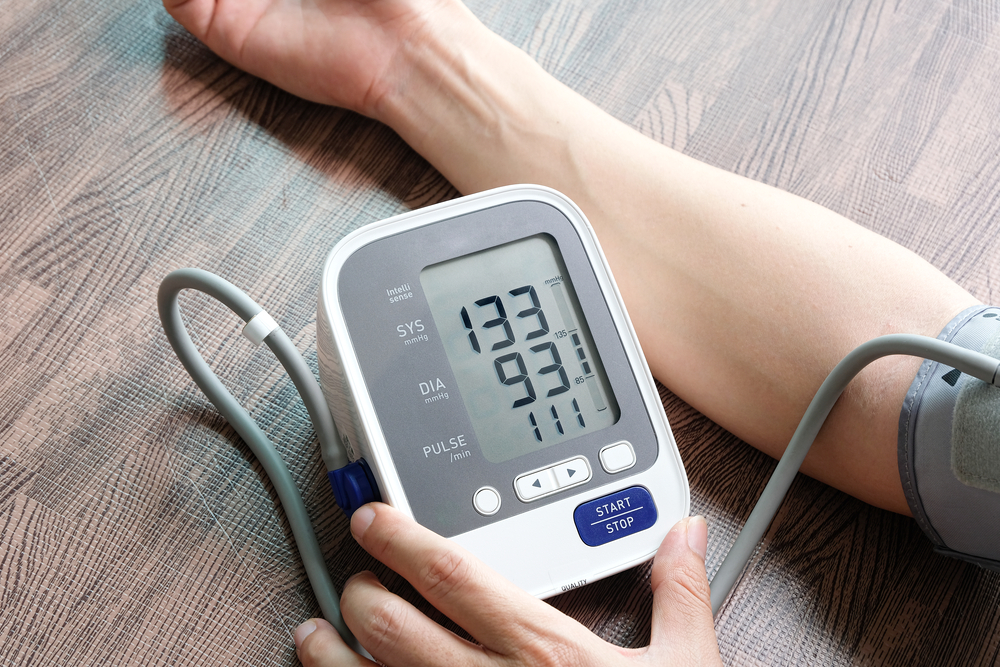
It is recommended to have a blood pressure cuff at home, share the readings with a doctor, and respond to changes so that both lifestyle measures and medication can be adjusted.
Also read: WHO says Nipah virus outbreak in India poses low global threat
Sources: Verywell Health, American Heart Association, American College of Cardiology, and Journal of Yeungnam Medical Science.
This article is made and published by Ida-Marie Palm Varbæk, who may have used AI in the preparation.