
High cholesterol can increase the risk of cardiovascular disease, but there is much you can do yourself.
Treatment often begins with lifestyle changes before medication is considered. Below are a number of key recommendations based on guidance from Netdoktor.
Understand cholesterol

The goal of treatment is to lower levels of harmful LDL cholesterol and triglycerides while increasing beneficial HDL cholesterol.
Lifestyle

In many cases, treatment begins with changes in diet and exercise, as this can often significantly reduce harmful cholesterol levels.
Also read: Viral apple drink promises better digestion – experts disagree
Eat a Mediterranean diet
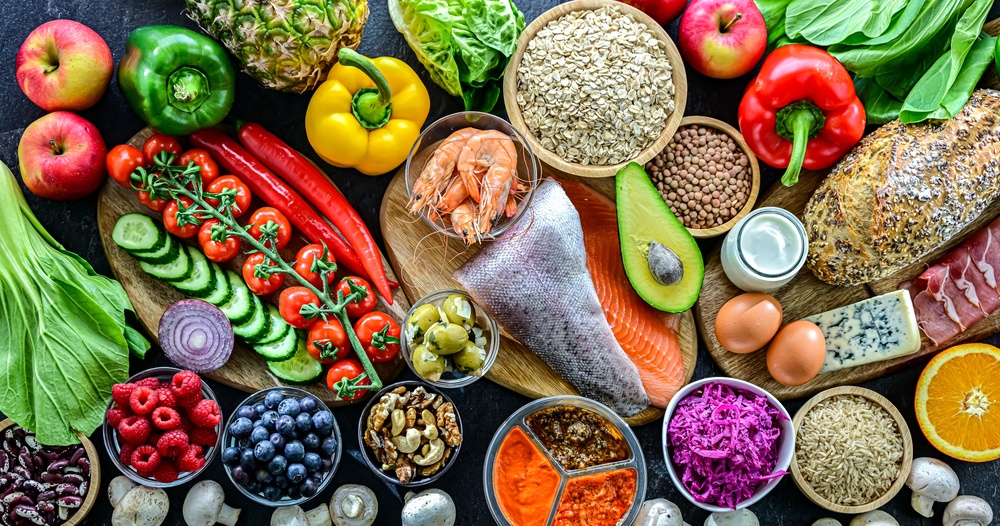
A diet rich in vegetables, fruit, legumes, and fish has a positive effect on cholesterol levels.
Rapid effect of dietary change
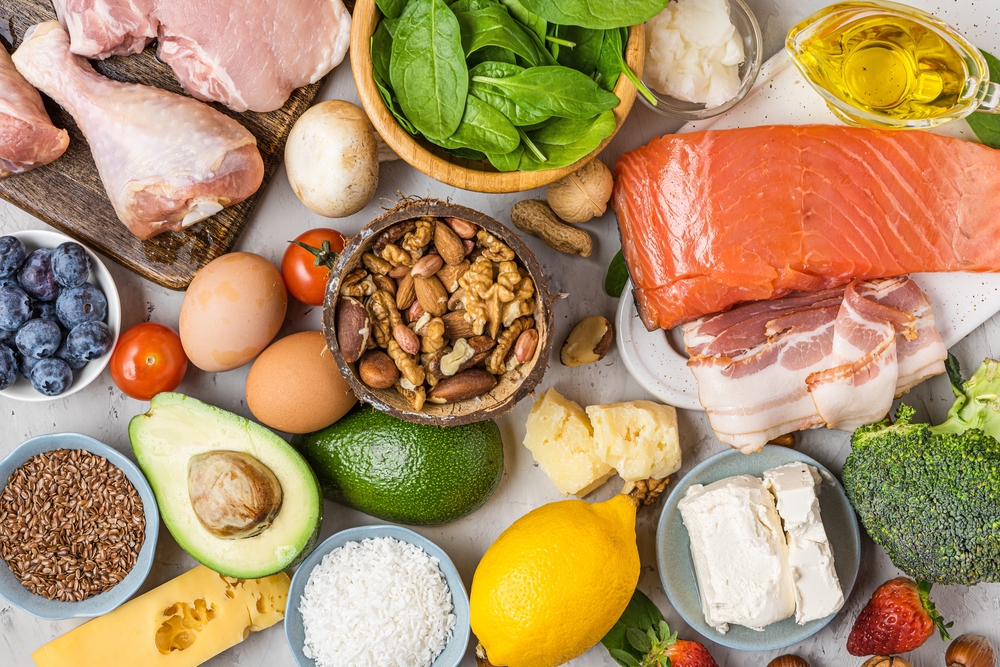
A 2020 study published in Gut showed that people who switched from a traditional Northern European diet to a Mediterranean diet lowered their cholesterol levels in just four weeks without changing their calorie intake or exercise habits.
Know the types of fat

Fat is generally divided into saturated and unsaturated fats, and it is important to understand the difference if you want to follow a cholesterol-friendly diet.
Limit saturated fat

Saturated fat can increase LDL cholesterol and thereby raise the risk of atherosclerosis and blood clots, so intake should be kept low.
Also read: This is what Victoria Beckham’s strict daily diet looks like
Stay physically active every day

Regular exercise increases HDL cholesterol and lowers both LDL cholesterol and triglyceride levels.
Follow the recommendations

Health authorities recommend at least 30 minutes of daily physical activity and raising your heart rate several times a week, but even a small amount of activity is better than none.
Stop smoking

Smoking increases the risk of atherosclerosis and cardiovascular disease and is often associated with higher cholesterol levels.
Get help to quit smoking

It may be beneficial to make use of counselling services that provide advice and an overview of local smoking cessation programs.
Also read: NHS highlights rare skin risk linked to Lansoprazole
Drink in moderation

Moderate alcohol consumption may have a beneficial effect on cholesterol levels, including increasing HDL and lowering LDL.
Stay within the recommended limits
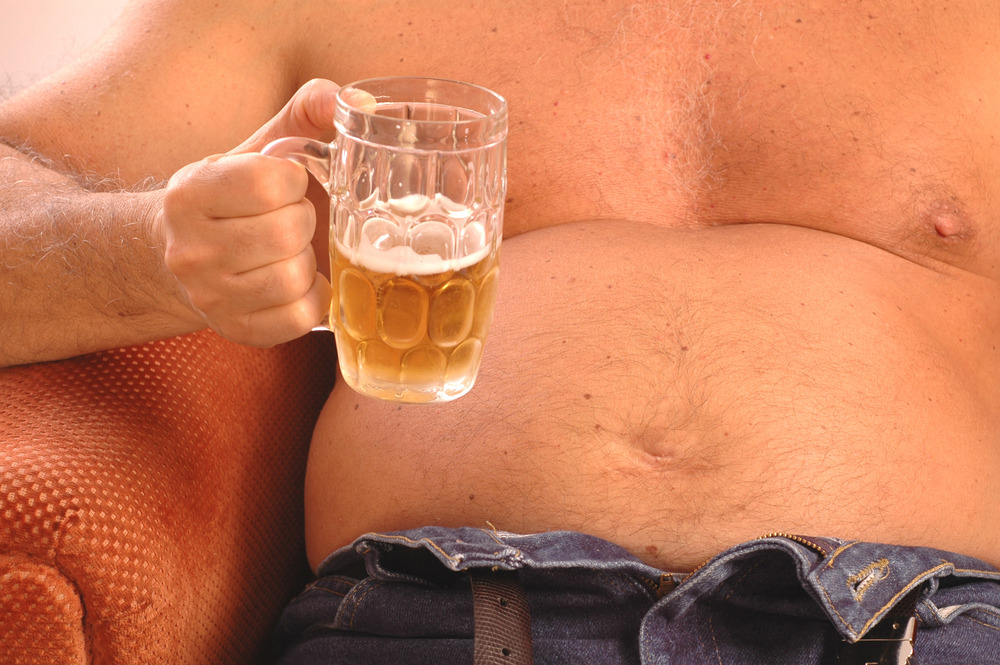
If alcohol intake becomes too high, triglyceride levels and the risk of cardiovascular disease increase.
Therefore, a maximum of 10 units per week is recommended for adults.
When lifestyle changes are not enough

In some cases, lifestyle changes are insufficient, for example in cases of very high cholesterol or familial hypercholesterolaemia, and medical treatment may be necessary.
Also read: Trump says five hours of sleep is enough - experts say it is not
Also read: Doctor’s advice: How to relieve your cold
This article is made and published by Ida-Marie Palm Varbæk, who may have used AI in the preparation.