
Many people take dietary supplements in the hope of improving their health.
However, according to several doctors, certain phrases on the label should set off alarm bells. Here are the most important warnings.
Supplements are not strictly regulated

Dietary supplements are often not subject to the same strict oversight by health authorities as prescription medications, whether in terms of safety or effectiveness.
The actual contents of the bottle

According to toxicologist Dr. Kelly Johnson Arbor of MedStar Health, there is no perfect method to determine whether a dietary supplement is safe or appropriate to use.
Also read: Turmeric studied for possible benefits in arthritis and depression
As a result, it may be unclear whether the contents match what is stated on the label.
Products do not require pre-approval

Dietary supplements do not need approval before they are marketed or sold. This clearly distinguishes them from prescription medications.
Disclaimer requirements

Manufacturers are required to state that the product is not intended to diagnose, treat, cure, or prevent disease.
However, not all companies comply with this requirement.
Also read: Authorities issue warning to patients on common heart medication
Intervention by authorities

Authorities can send warning letters to companies that violate the rules. However, this typically happens only after the product is already on the market.
Doctors warn against the word detox

Medical detoxification, such as chelation therapy, can, in specific cases, remove certain toxins.
However, there is no method that can eliminate all toxic substances from the body, including parasites, pollutants, and synthetic chemicals.
The body already has its own detox system
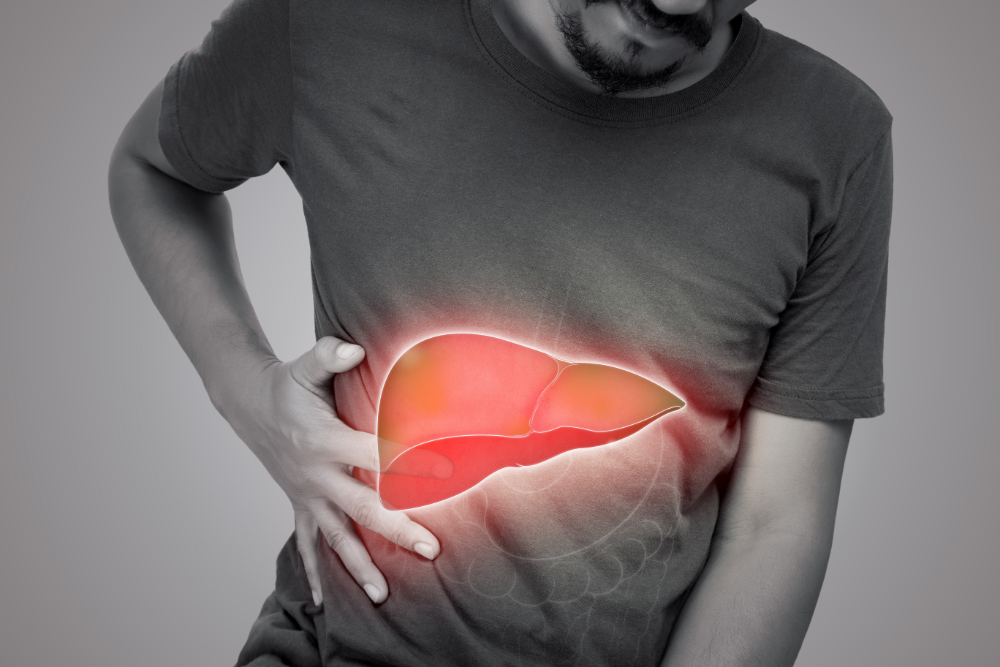
According to Dr. Jamie Alan, Associate Professor of Pharmacology and Toxicology at Michigan State University, the liver functions as the body’s natural detoxification organ.
Also read: 6400 yearly cancer deaths potentially linked to nuclear power plants
Most people therefore do not need additional help with cleansing.
Detox products can be harmful

Dr. Daniel Chandler, a physician at Tufts Medical Center, explains that many detox products are, in fact, laxatives or diuretics.
This increases the risk of dehydration, which can be serious.
Guaranteed results do not hold up

The phrase guaranteed results is, according to Dr. Chandler, factually incorrect. Even doctors cannot guarantee that a treatment will work.
Also read: Study detects higher levels of microplastics in prostate tumors
Fine print disclaimers

Although safe results may be promised, the fine print often states that individual results may vary. This can be easy to overlook.
Effects vary from person to person
Dr. Johnson Arbor emphasizes that treatments affect people differently.
What works for one person may have no effect or could potentially be toxic for another.
The word cures breaks the rules
Manufacturers are not allowed to claim that their dietary supplements cure diseases. If a product promises to cure or prevent illness, it should be read with great caution.
Also read: These supplements may support your metabolism
Talk to your doctor before starting

Doctors recommend discussing new dietary supplements with a healthcare professional, especially if you are taking medication.
This allows for an assessment of risks, benefits, and possible interactions.
Choose third-party tested products
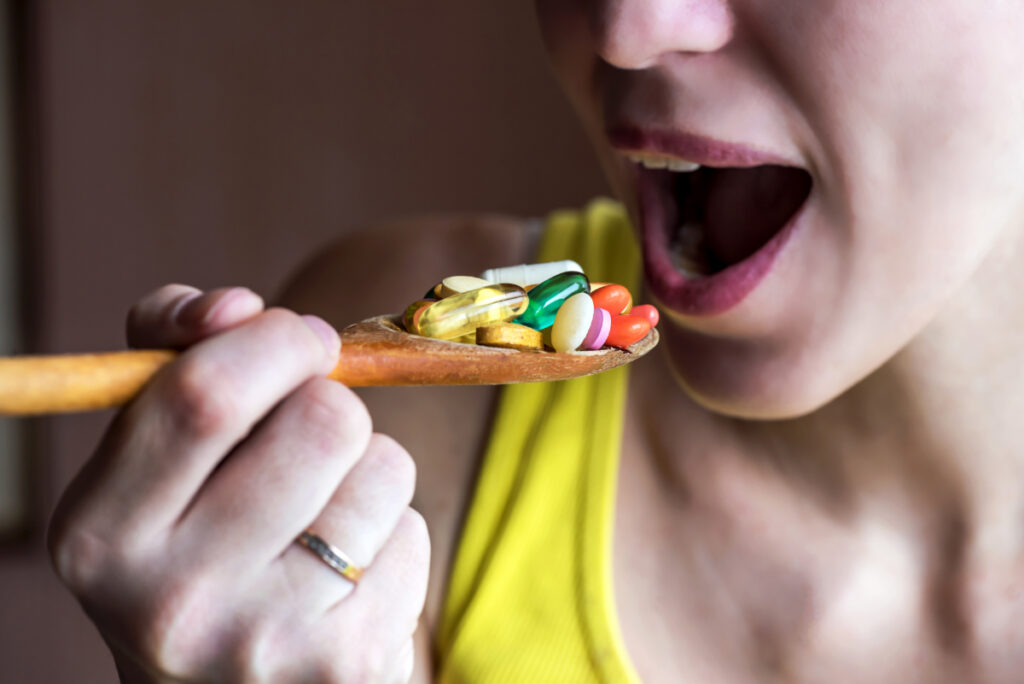
Doctors often recommend dietary supplements that have been tested by an independent third party to increase safety.
Sources: Parade.
This article is made and published by Ida-Marie Palm Varbæk, who may have used AI in the preparation.