
More people than ever are using the popular weight-loss drugs Ozempic and Wegovy. But to keep unpleasant side effects like nausea and bloating at bay — and to get the best results — it’s important to know which foods can make things worse.
Eat Smaller, More Frequent Meals
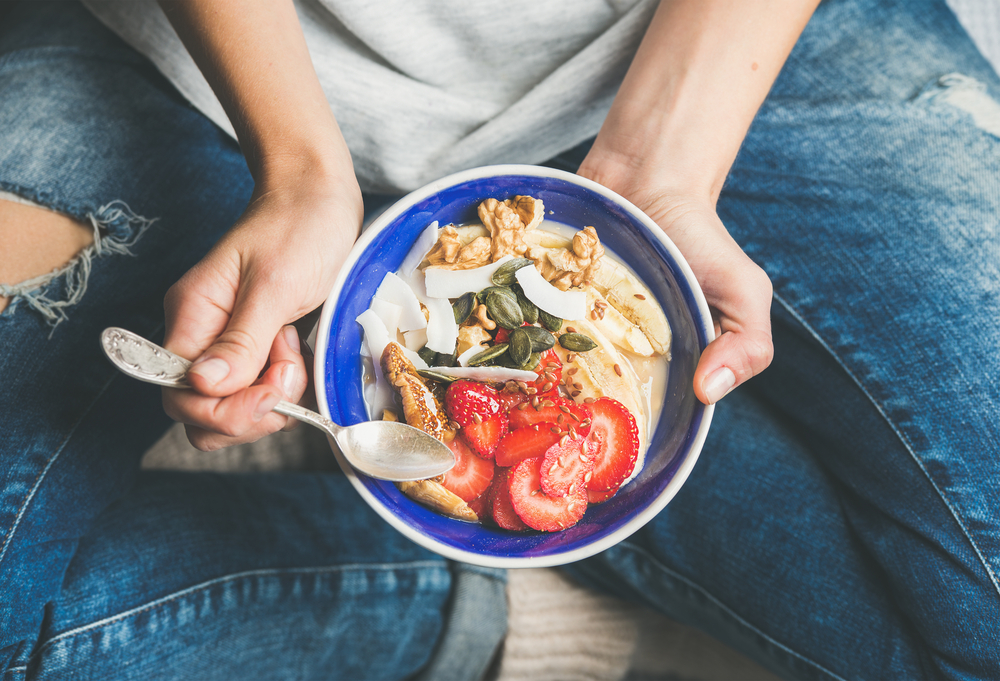
Large meals increase the risk of nausea. Instead, spread your food across four to five smaller, balanced meals throughout the day, and drink plenty of water between them.
Avoid Greasy and Heavy Foods
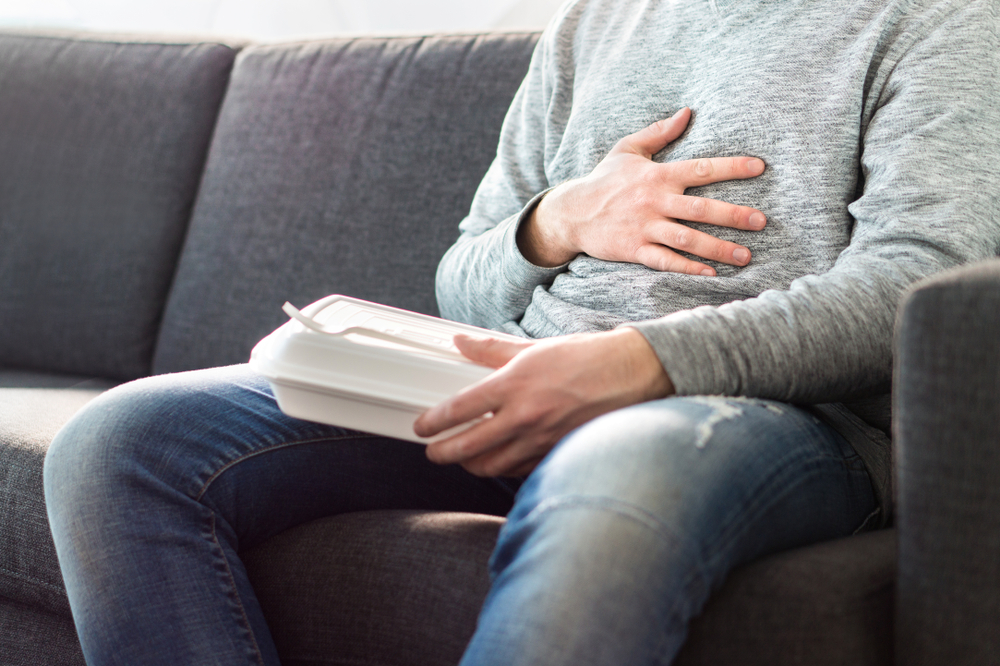
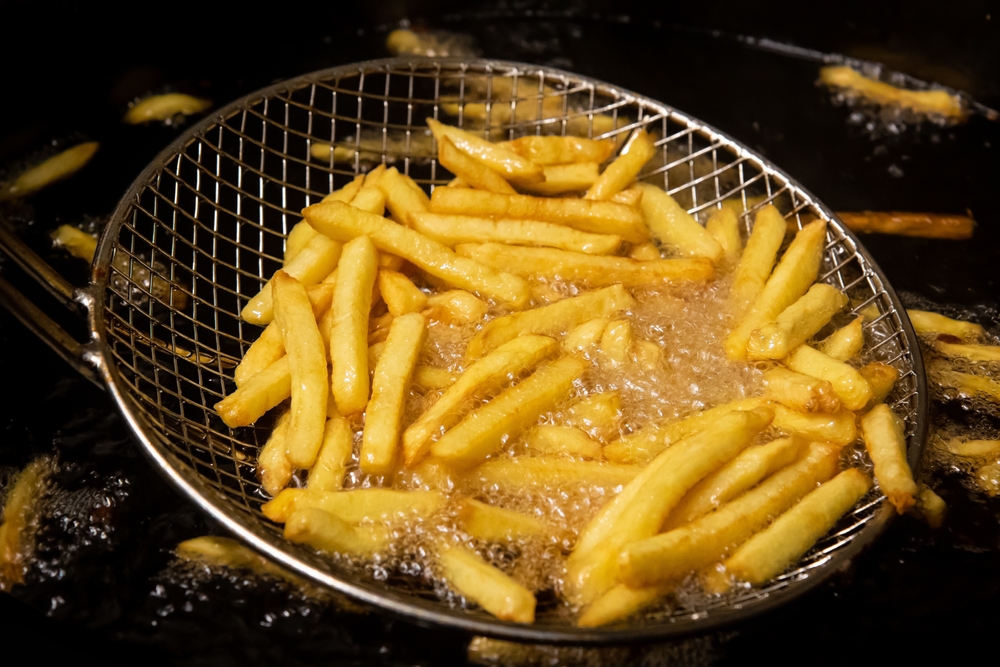
High-fat dishes stay in the stomach longer, causing discomfort, bloating, and nausea. Cut down on fried foods, butter, and creamy sauces.
Limit Red and Processed Meat
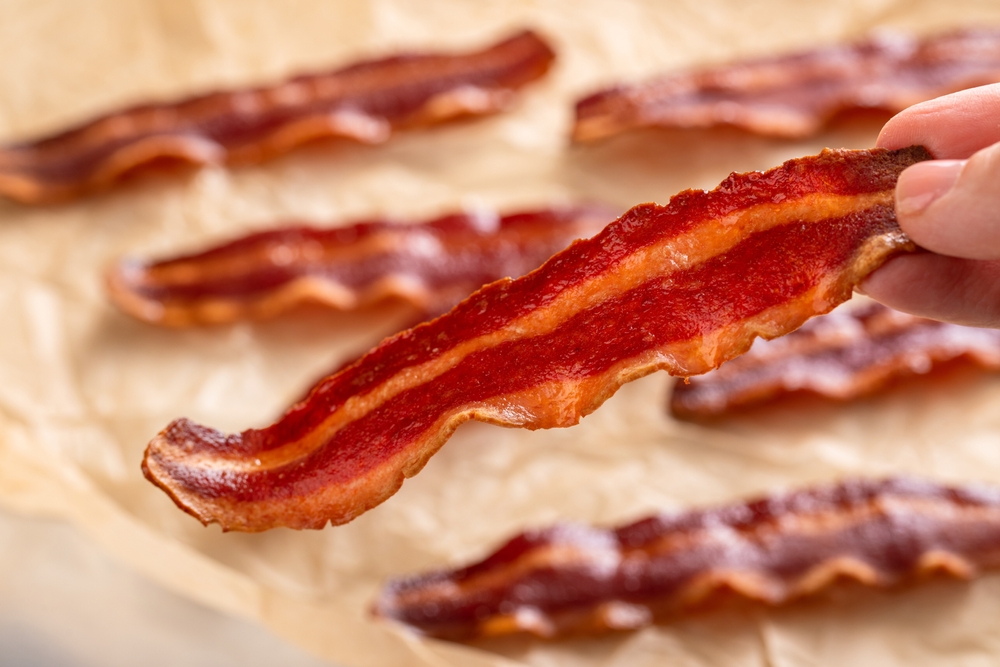
Foods like bacon, sausages, and processed meats can slow digestion and worsen stomach issues. Choose fish, eggs, or lean poultry instead.
Also read: 11 hidden signs you’re about to get sick
Skip Spicy Meals If You Have Acid Reflux
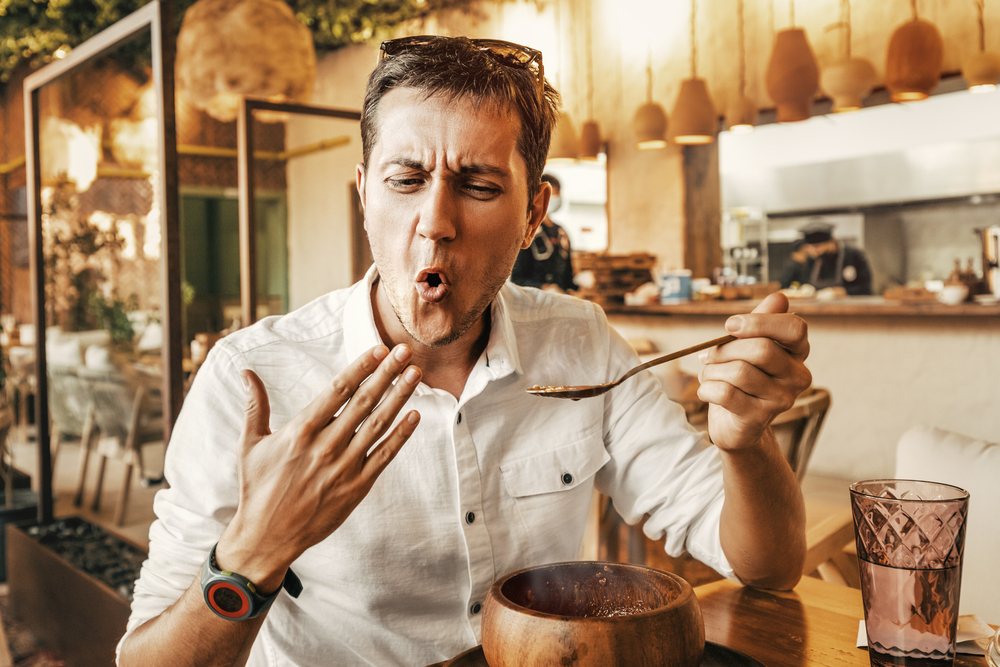
Because GLP-1 medications slow digestion, spicy foods can worsen reflux symptoms. If you don’t have issues, mild spices are fine.
Cut Down on Sugar and Sweet Drinks
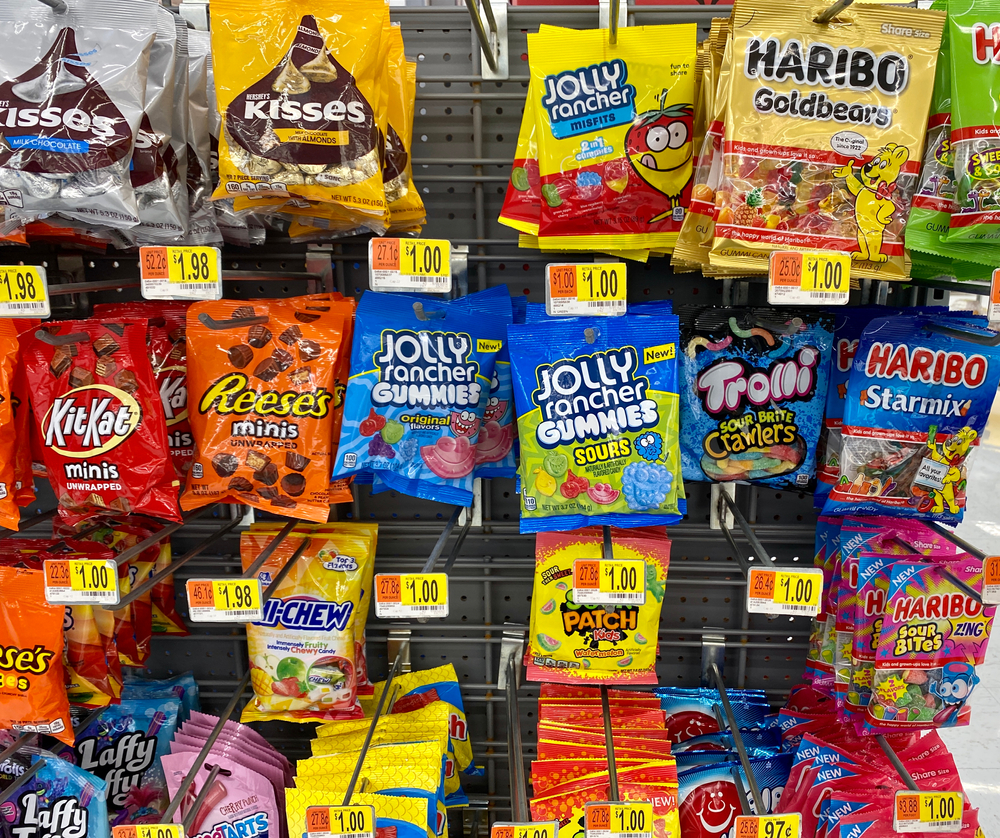
Sugar can trigger stomach pain, nausea, and sudden drops in blood sugar levels. Skip sodas, desserts, and candy for smoother digestion.
Reduce Carbonated Beverages
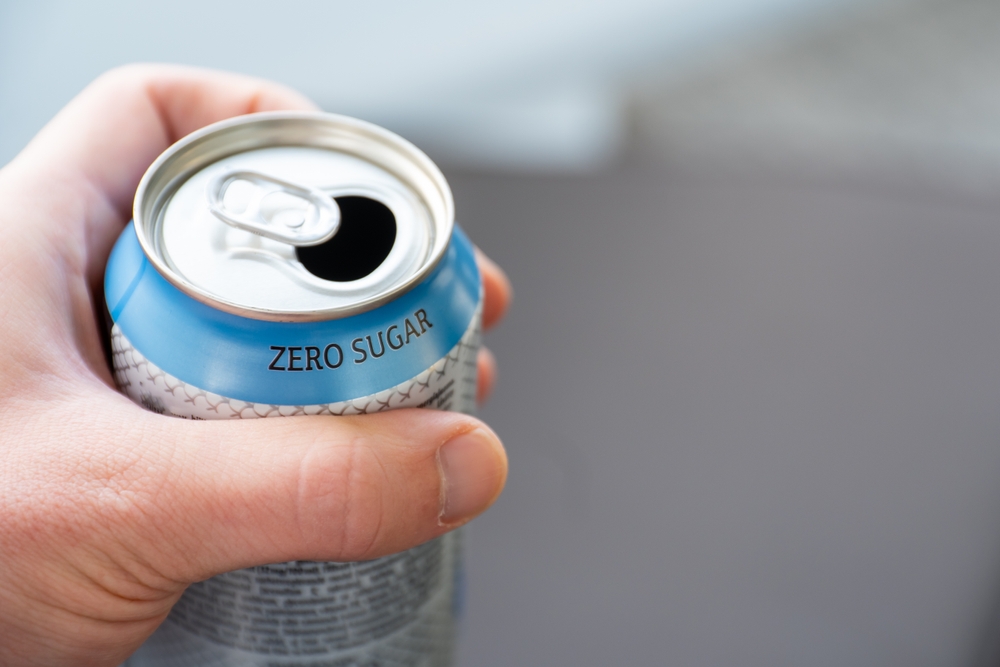
Fizzy drinks can cause gas and bloating, making you feel overly full. Opt for water, herbal tea, or sugar-free alternatives instead.
Be Cautious with Gas-Forming Vegetables
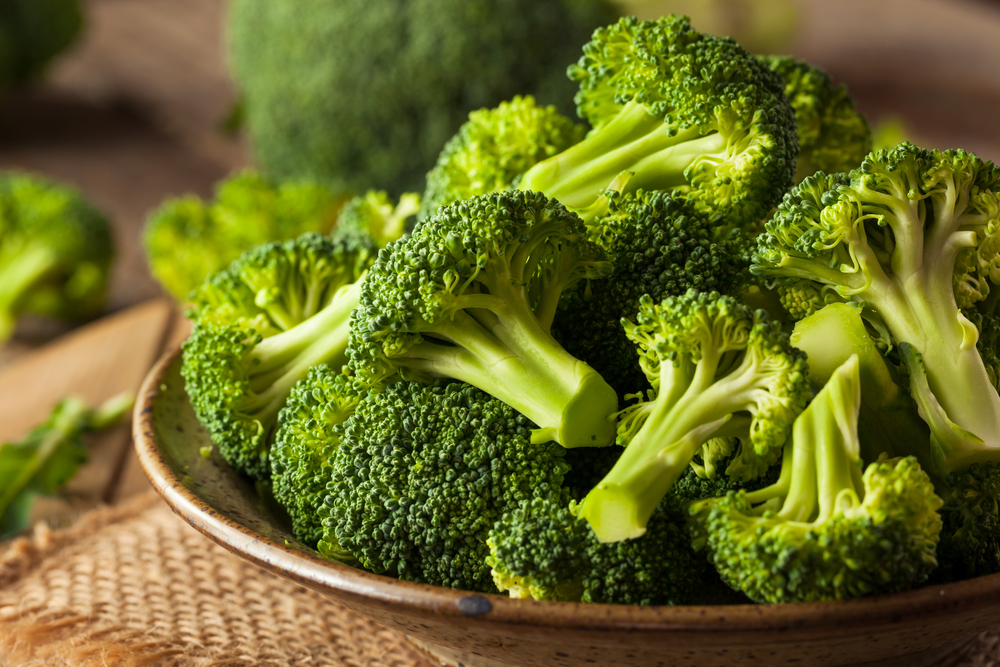
Vegetables like broccoli, cauliflower, and cabbage are healthy but can cause bloating when you’re on GLP-1 medication. Try them in smaller amounts and cooked rather than raw.
Also read: Food Combinations You Should Avoid, According to Health Experts
Peel or Soften Hard Fruits
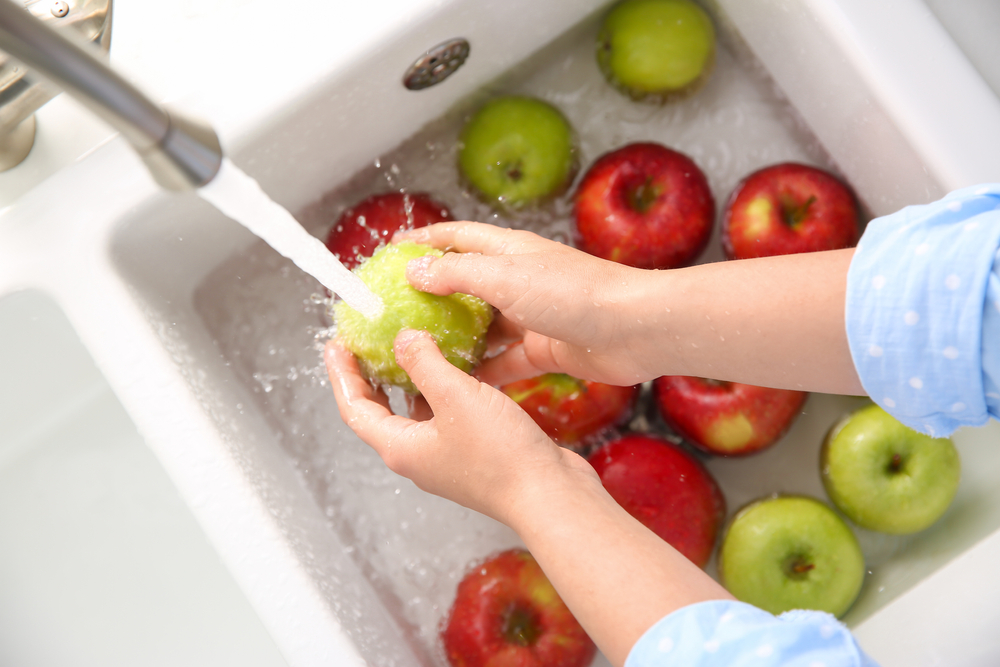
Fruits with thick skins, such as apples or pineapples, take longer to digest. Peel them, or choose softer fruits like berries, melons, or bananas.
Prioritize Protein
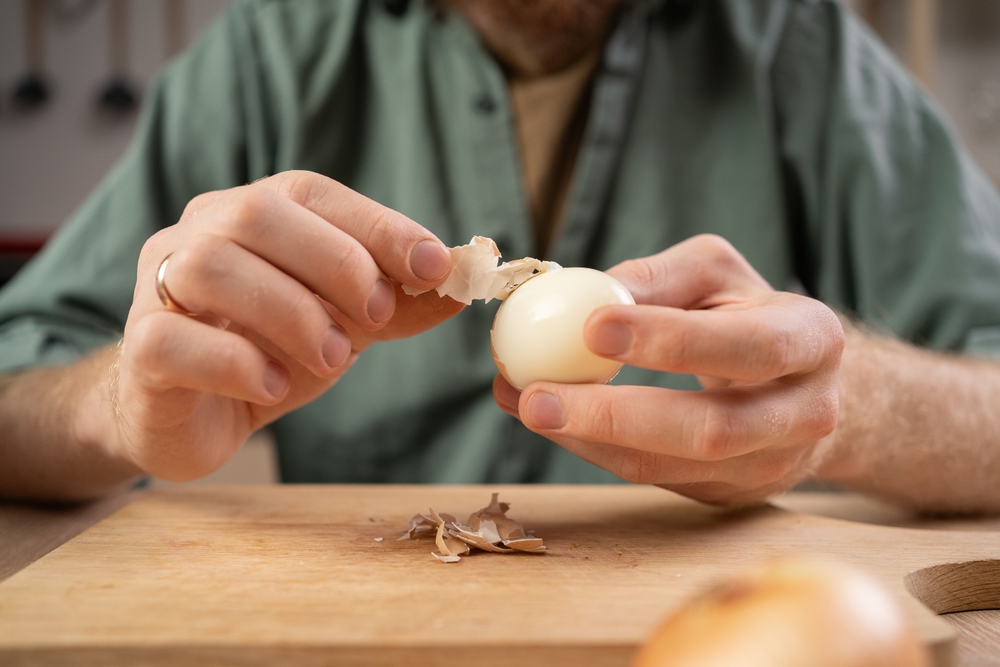
Because Ozempic reduces appetite, many people unintentionally eat too little protein — leading to muscle loss. Focus on protein-rich foods like fish, eggs, yogurt, lentils, and nuts.
Stay Hydrated
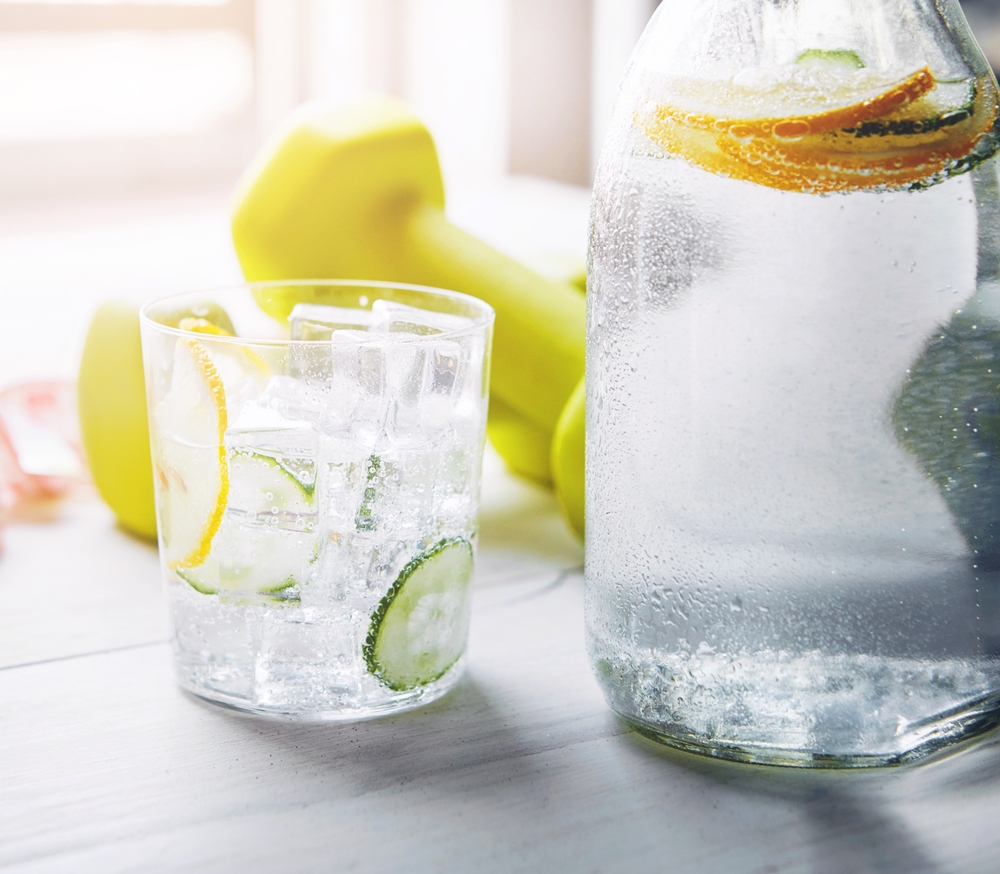
Dehydration is common with GLP-1 drugs. Aim for 8–12 glasses of water per day. Remember, coffee and alcohol can have a dehydrating effect.
Go Easy on Alcohol
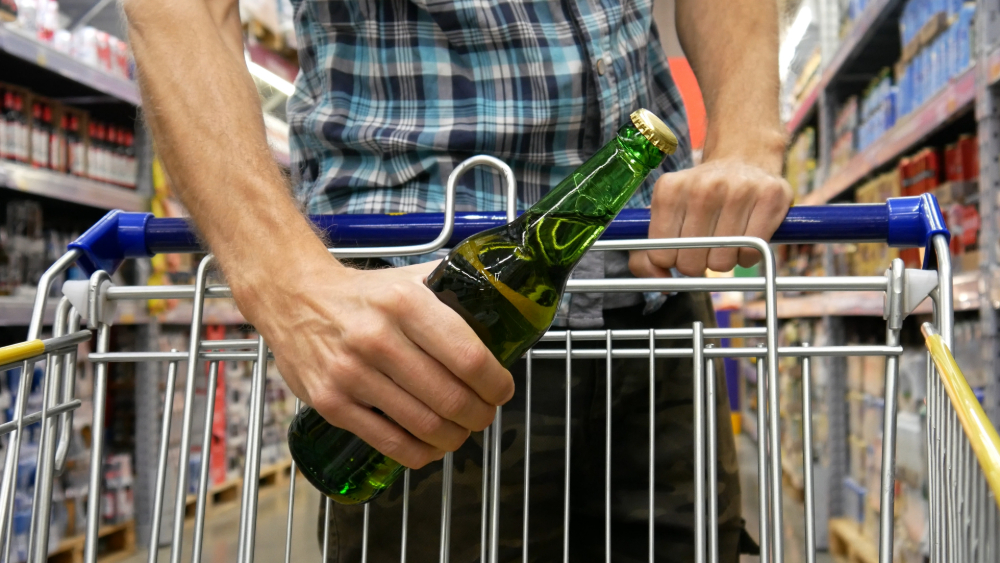
Alcohol can interfere with how the medication works and may increase hunger. Stick to small amounts — or avoid it completely if you feel unwell.
Also read: Savory breakfast keeps you energized for hours
Introduce Fiber Gradually
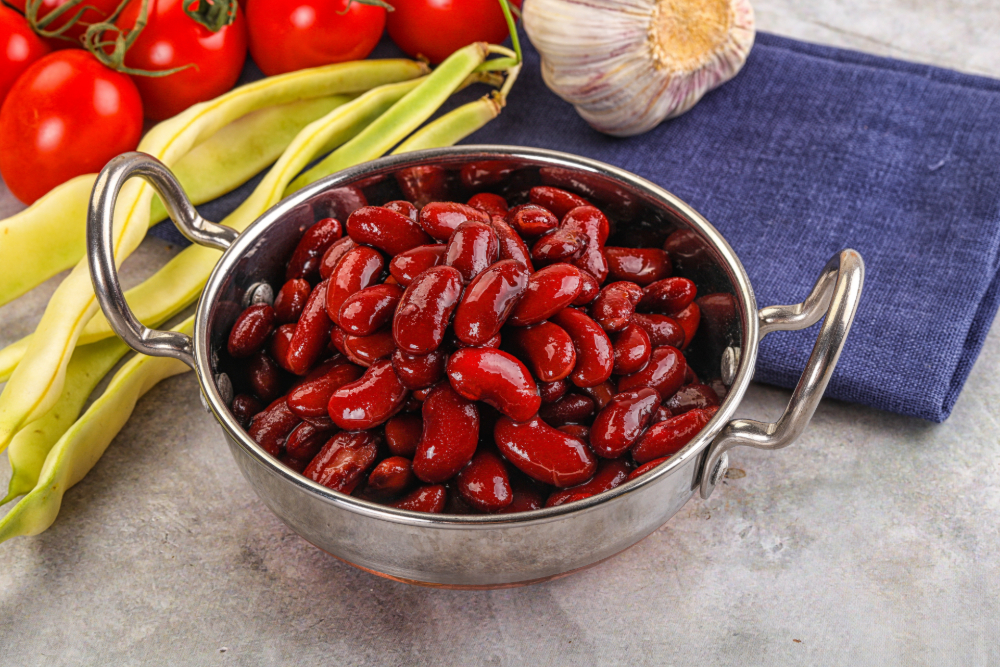
A sudden fiber boost can cause cramping. Add fiber-rich foods like oats, beans, and vegetables slowly to help your digestion adjust.
Practice Mindful Eating
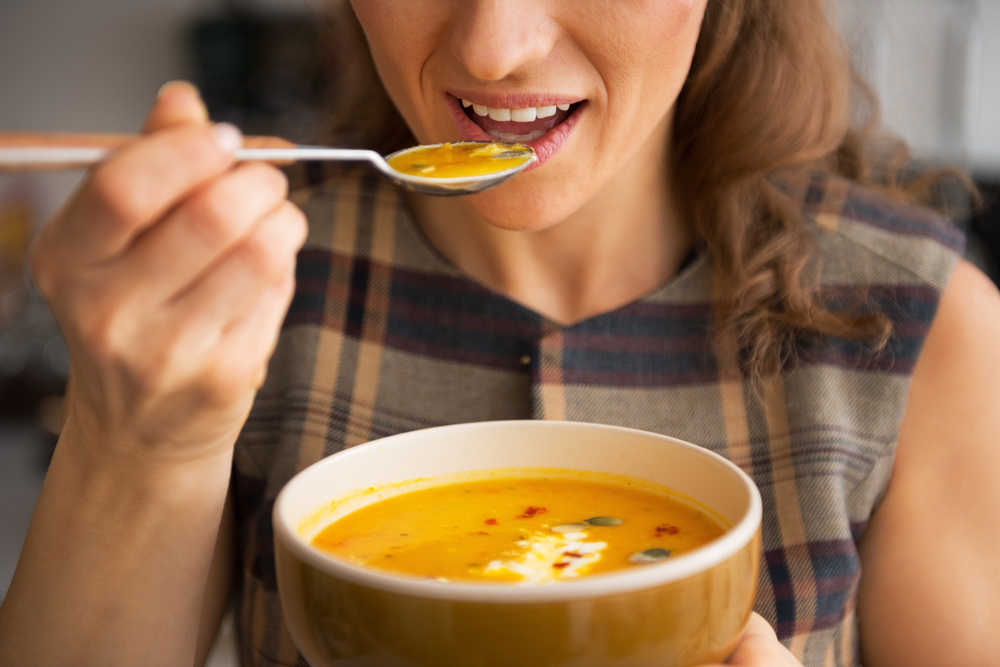
Eat slowly and stop when you feel full. Mindful eating helps reduce nausea and improves how your body processes food.
Choose Gentle Flavors
Strong smells and rich flavors can trigger nausea. Stick with mild, simple meals — especially in the first few weeks of treatment.
Article is based on information from TODAY.com and The American Journal of Clinical Nutrition.
Also read: Karine fell asleep while driving - menopause was the hidden reason
Also read: New research: How 80-year-olds keep their brains 30 years younger
This article is made and published by Mie Hermansen, who may have used AI in the preparation.