
The use of GLP 1 medications such as Ozempic and Mounjaro has increased significantly over the past year. However, experts warn that many people make the same mistakes, which can slow their progress. Here are the most common pitfalls and how to avoid them.
Seeing the medication as a quick fix
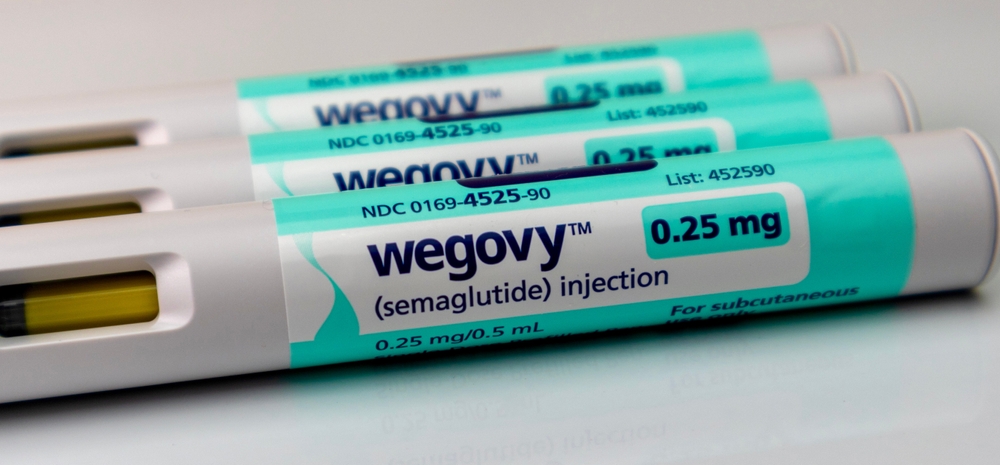
GLP 1 drugs are not designed to deliver instant results. They mimic a natural hormone that regulates appetite, slows digestion, and helps you feel full for longer. Weight loss happens gradually, and the body needs time to adjust to new hunger signals.
Expecting rapid results before a specific event
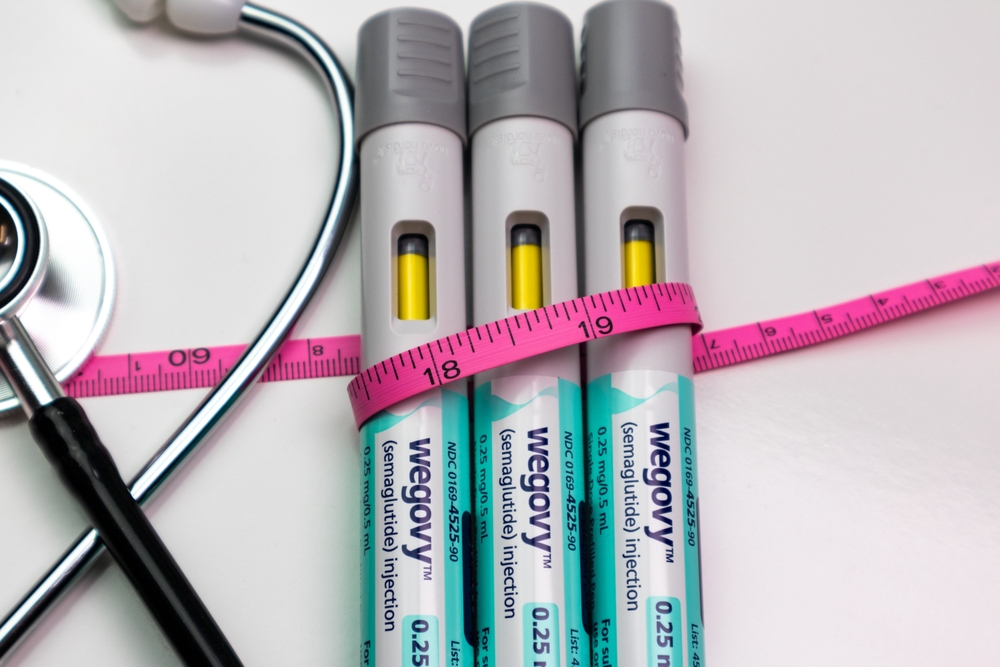
Some people begin treatment ahead of a wedding or another important occasion hoping for fast changes. Experts emphasize that steady, gradual weight loss is healthier and more sustainable over time.
Sticking to old eating routines
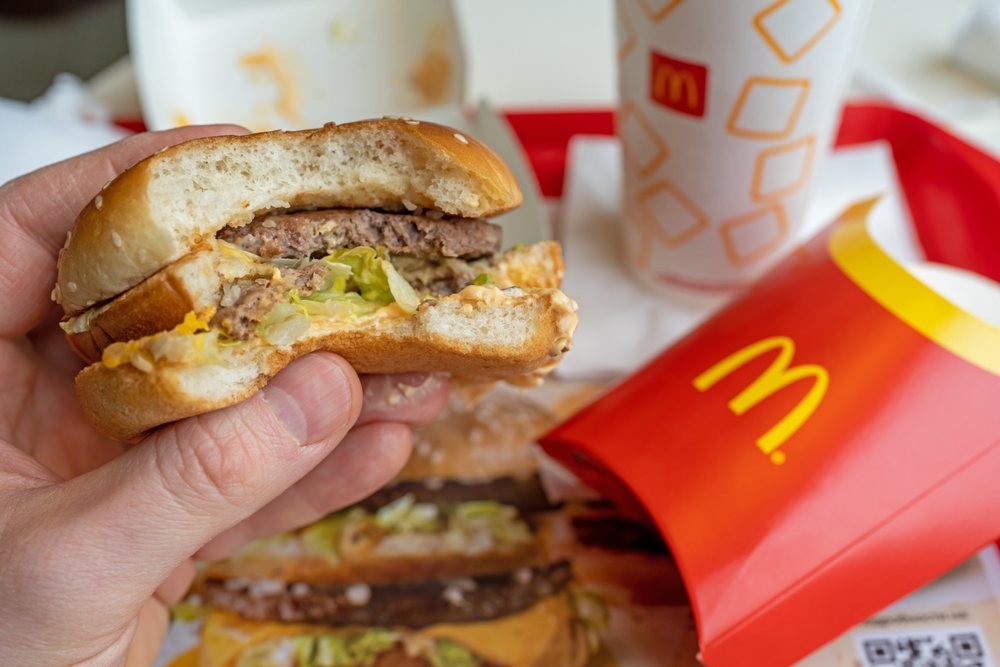
When appetite changes, many continue eating at the same times out of habit. According to weight loss specialist Alistair Murray, this is an opportunity to pause and ask whether you are eating out of physical hunger or routine.
Also read: Severe side effects linked to metformin taken by millions worldwide
Not taking advantage of reduced hunger

A decrease in hunger can be a turning point. It may be the right moment to rethink meal composition, moving from carbohydrate heavy breakfasts to smaller, more protein focused options that still provide satisfaction.
Failing to prioritize protein

Proper nutrition remains essential during weight loss. Health professionals recommend aiming for around 1.2 grams of protein per kilogram of body weight per day. If overall intake is reduced, each meal should be as nutrient dense as possible.
Overlooking the importance of fibre

Appetite suppression can result in lower fibre intake. Fibre plays a key role in digestion and overall health, making it an important part of a balanced approach while using GLP 1 medication.
Not drinking enough water

GLP 1 medications slow the rate at which food and fluids leave the stomach. This can make it harder to consume enough liquids throughout the day. Mild dehydration may worsen side effects such as nausea, headaches, constipation, and fatigue.
Skipping regular meals
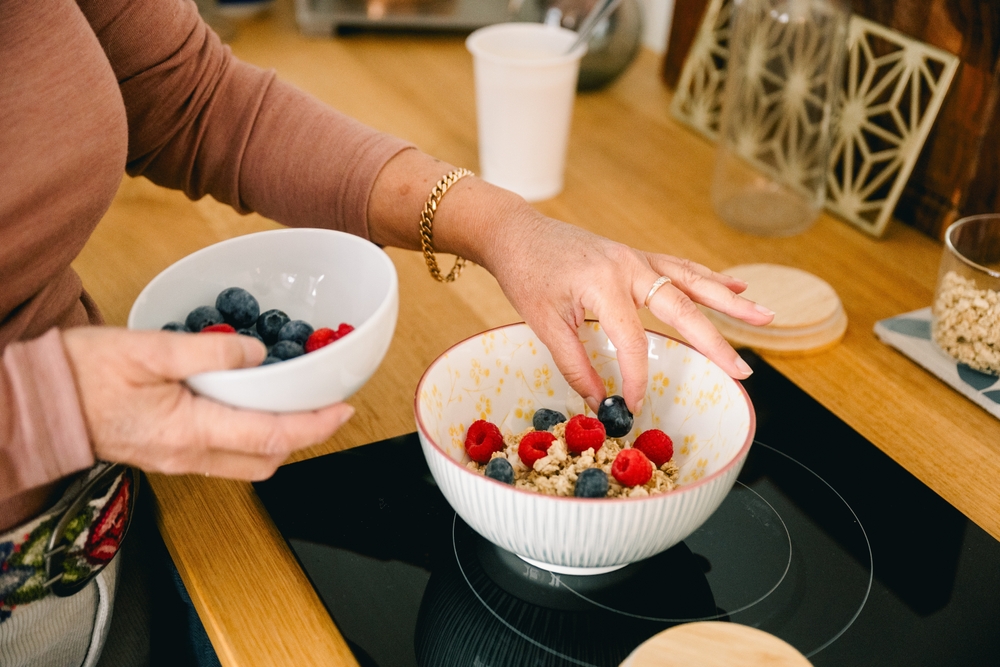
Even with reduced appetite, maintaining a consistent eating pattern is recommended. Skipping meals during the day can lead to increased cravings and overeating later on.
Undereating during the day and overeating at night
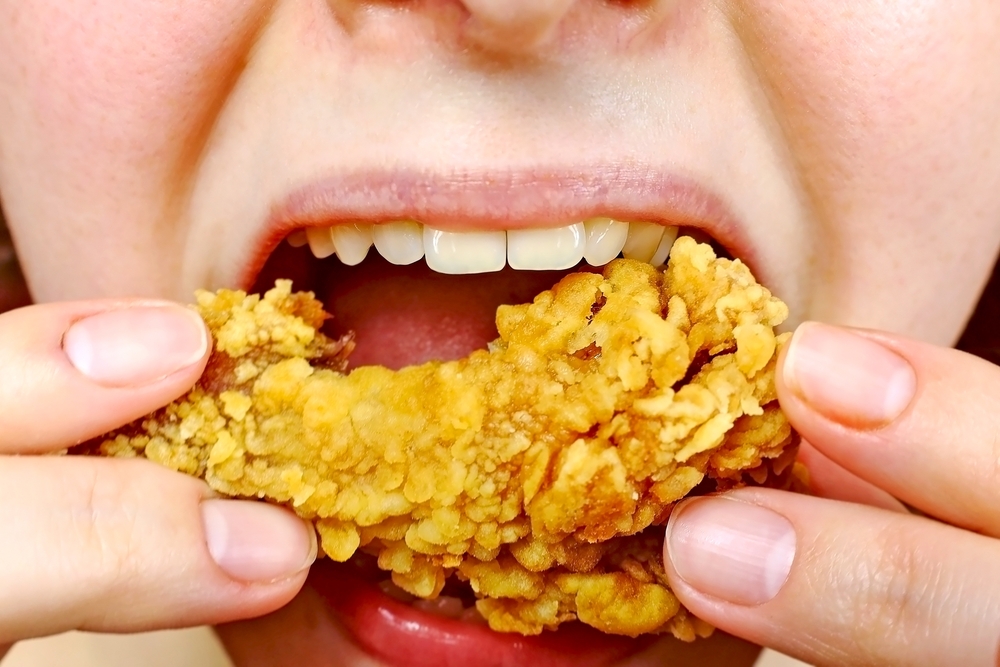
Some people eat very little earlier in the day and compensate in the evening. This pattern can increase snacking and make it more difficult to establish stable, long term habits.
Focusing only on the number on the scale
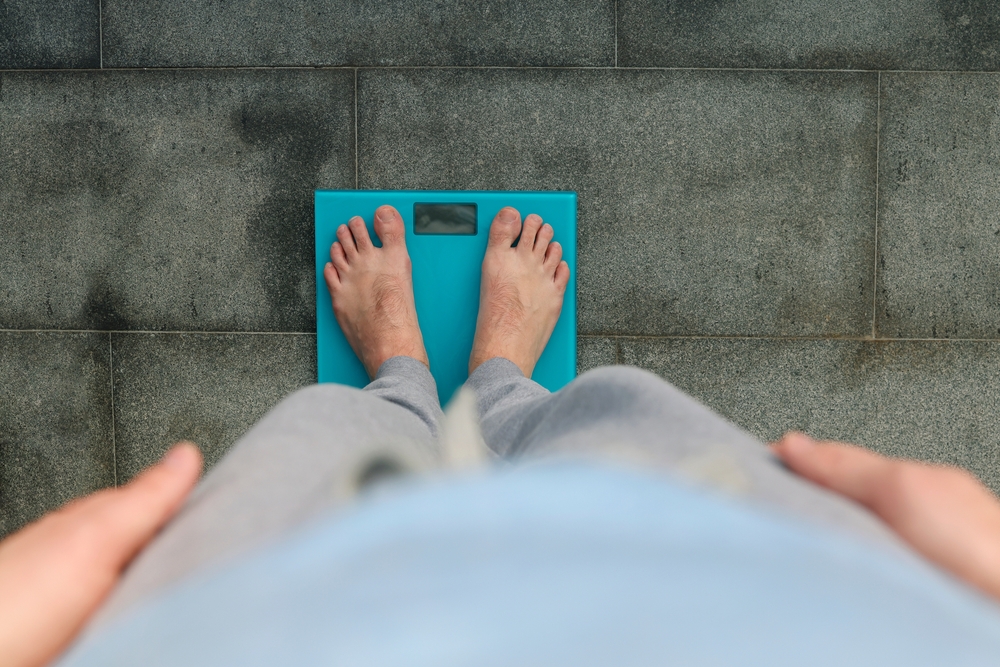
The scale is only one measure of progress. Sleep quality, energy levels, and physical strength are also important indicators. Healthy weight loss should not result in extreme fatigue, muscle loss, or poor sleep.
Neglecting essential nutrients

It is possible to lose weight while still depriving the body of key nutrients. Unhealthy weight loss may increase the risk of issues such as hair loss, skin problems, and heart disease.
Also read: Studies suggest possible link between tattoos and cancer
Assuming side effects will last forever

Common side effects of GLP 1 medications include nausea, vomiting, diarrhea, and reduced appetite. Dizziness, increased heart rate, infections, headaches, and indigestion can also occur. Experts note that side effects are often most noticeable at the beginning and tend to settle as the body adapts.
Not consulting a healthcare provider if symptoms worsen

Although many side effects are temporary, worsening symptoms should be discussed with a healthcare professional. Treatment with weight loss medication should be supervised to ensure safety and effectiveness.
Sources: Unilad and Independent
Also read: Price war in weight-loss market: Novo Nordisk slashes prices
Also read: Results from 159,000 participants suggest this diet may reduce the risk of cognitive decline
This article is made and published by Mie Hermansen, who may have used AI in the preparation.