
Hormonal fluctuations across the menstrual cycle influence appetite, energy intake, and metabolic processes. Research shows modest but measurable phase-related changes, alongside considerable individual variation. Flexible, evidence-based nutrition strategies are therefore preferred over rigid rules.
Hormonal fluctuations shape appetite and metabolism

Changes in estrogen and progesterone affect hunger, resting metabolic rate, and the body’s preferred fuel sources. These shifts may also influence perceived fatigue and physical performance.
The four phases of the cycle

The menstrual cycle includes the menstrual phase, follicular phase, ovulatory phase, and luteal phase. Each phase is defined by distinct patterns of estrogen and progesterone that drive physiological changes.
Menstrual phase and low hormone levels

During the early follicular phase, when menstruation occurs, both estrogen and progesterone are low. This phase typically lasts from day one to five of the cycle.
Also read: New research: Ketogenic diet may improve fitness
Estrogen peaks around ovulation

In the late follicular and ovulatory phases, estrogen rises to its highest levels while progesterone remains low. This hormonal profile is often associated with lower spontaneous energy intake.
Progesterone dominates the luteal phase

After ovulation, progesterone increases substantially and estrogen reaches a smaller secondary peak before both decline prior to the next cycle. The luteal phase is frequently linked to increased appetite and higher energy expenditure.
Energy intake varies across phases

On average, daily energy intake is higher in the luteal phase than in the follicular phase, with a mean difference of about 168 kilocalories. Individual responses range from minimal changes to substantially larger increases.
Macronutrient utilization shifts

Estrogen is associated with appetite suppression and greater carbohydrate oxidation. Progesterone is linked to increased appetite, elevated resting energy expenditure, and a greater reliance on fat and protein as fuel.
Also read: New device restores partial sight after vision loss
Energy availability and physical activity

Reduced energy intake during lower appetite phases, without adjustments in training load, may compromise energy availability. This can affect menstrual function and training adaptation in physically active individuals.
Micronutrients and reproductive health

Lower intakes of protein, vitamin D, zinc, magnesium, and calcium have been reported in individuals with menstrual disorders, alongside higher consumption of refined carbohydrates and added sugars.
Anti inflammatory dietary patterns

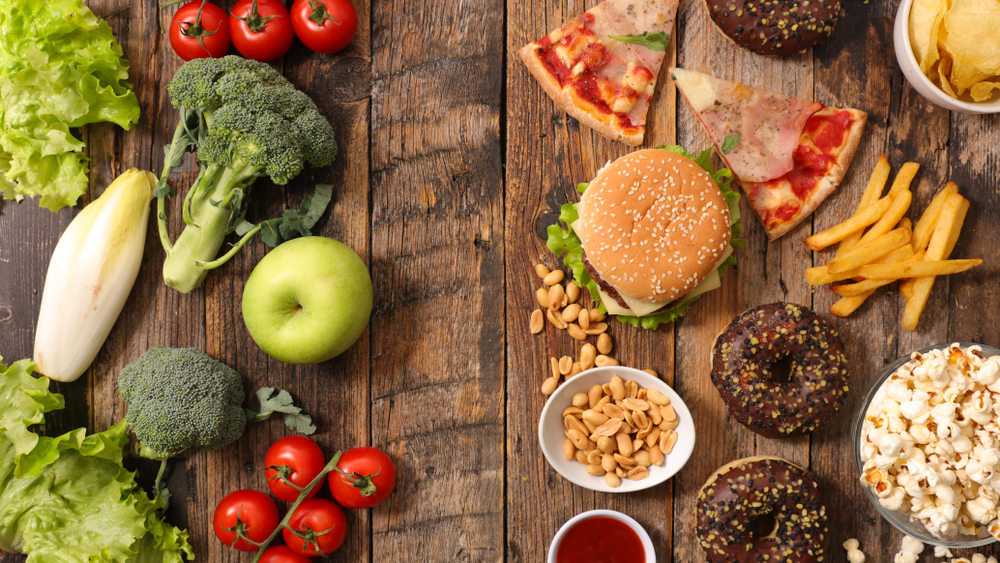
Obesity, insulin resistance, and excess caloric intake contribute to chronic low-grade inflammation associated with reproductive disorders. Mediterranean-style dietary patterns rich in fruits, vegetables, whole grains, olive oil, nuts, and fish are linked to lower inflammatory markers.
Blood sugar regulation and cravings

Fluctuations in glycemic control may influence mood, energy, and cravings, particularly in the late luteal phase. Meals combining complex carbohydrates with protein and fats can help stabilize postprandial glucose responses.
Also read: Researchers question safety of AI as a digital therapist
Evidence and practical perspective
Research confirms modest phase-related changes in appetite and metabolism, but controlled trials on structured cycle-synchronized diets remain limited. Individualized and adaptable nutrition approaches are most consistent with current evidence.
Sources: News Medical and OUP
Also read: Surviving cancer early in life may affect brain function later
This article is made and published by Mie Hermansen, who may have used AI in the preparation.