
Many people associate good oral hygiene with brushing and flossing, while mouthwash is a more debated product than many realize.
Dentists point to several things that many people are not aware of before they start using it.
Is mouthwash necessary?
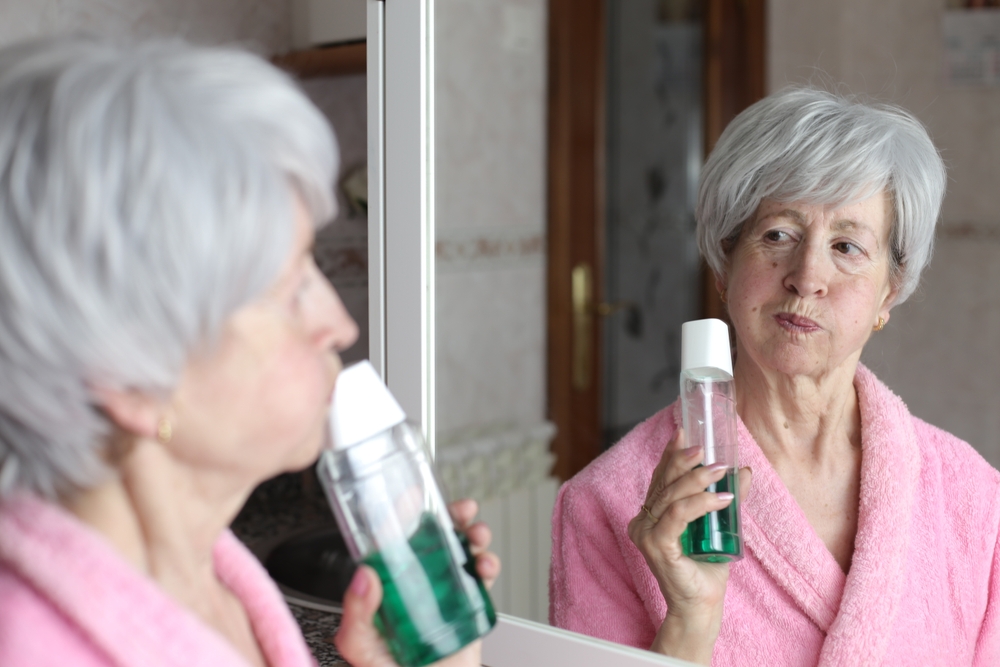
Dentists do not fully agree on how important mouthwash actually is.
Some believe that a properly chosen mouthwash can be part of good oral hygiene because it can reach areas that a toothbrush and dental floss do not always reach.
Also read: The biggest myths about diet – and what actually holds true
A supplement
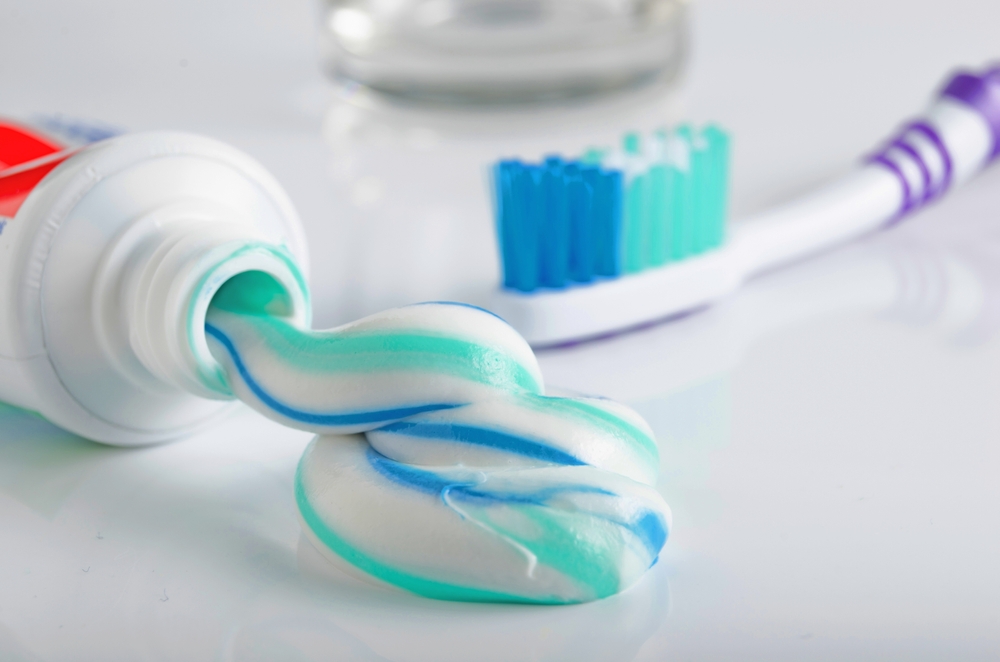
Other dentists believe that mouthwash should only be used as a supplement to daily dental care.
They primarily recommend brushing, flossing, and cleaning the tongue as the most important methods for keeping the mouth healthy.
Mouthwash cannot replace brushing
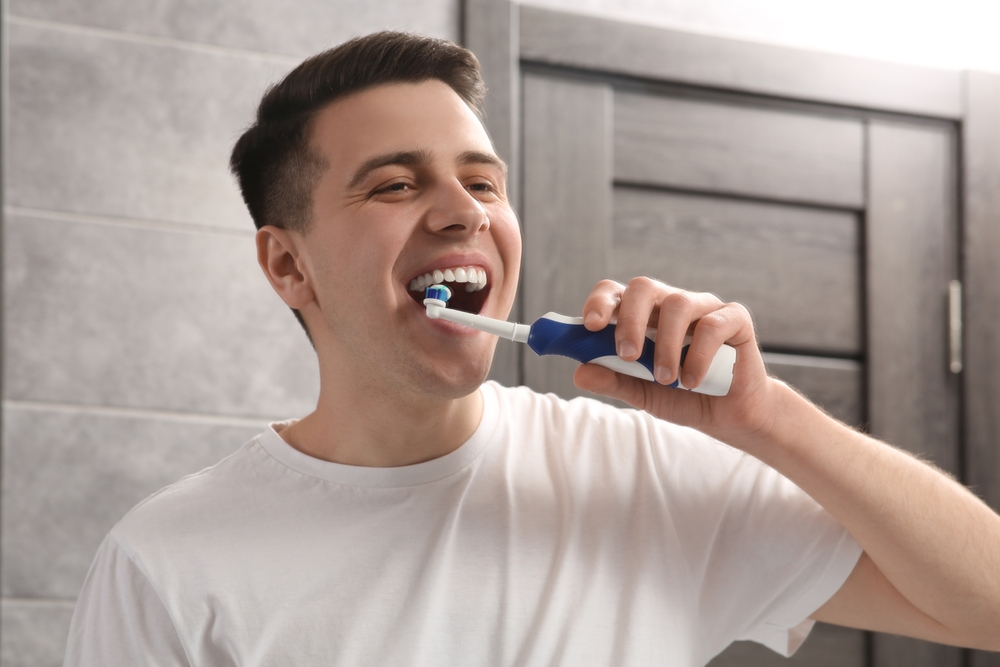
Some people use mouthwash when they do not have the opportunity to brush their teeth.
However, dentists emphasize that this is not sufficient because plaque still needs to be removed mechanically with a toothbrush and dental floss.
Also read: How to manage your cholesterol with simple changes
The burning sensation
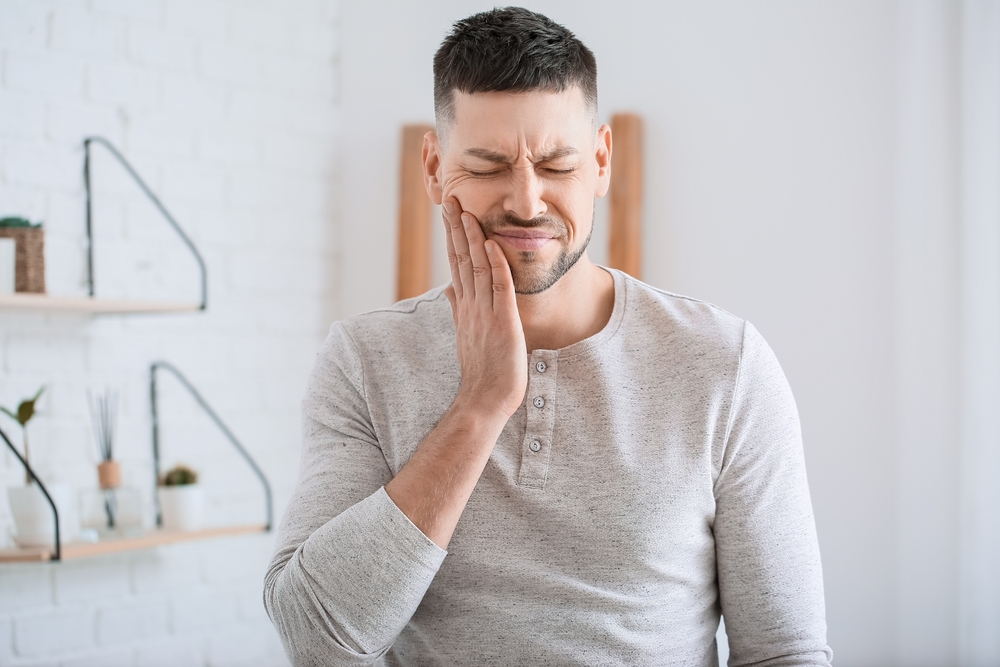
The tingling or burning sensation in the mouth is often perceived as a sign that the product is working.
However, the feeling is typically caused by alcohol or flavoring agents and can actually be a sign of irritation in the mouth.
Alcohol in mouthwash can dry out the mouth
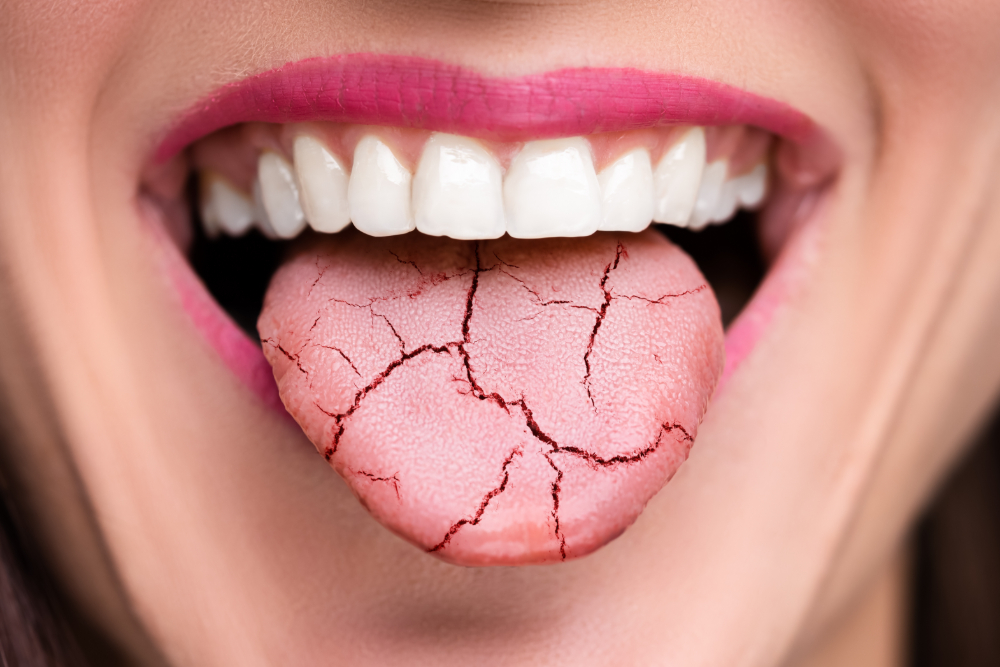
Mouthwash with a high alcohol content can make the mouth dry.
It may lead to soreness in the tissues of the mouth and, in some cases, make the mucous membranes more sensitive.
Also read: Research: Baby teeth can reveal stress during pregnancy
Mouthwash can remove both good and bad bacteria
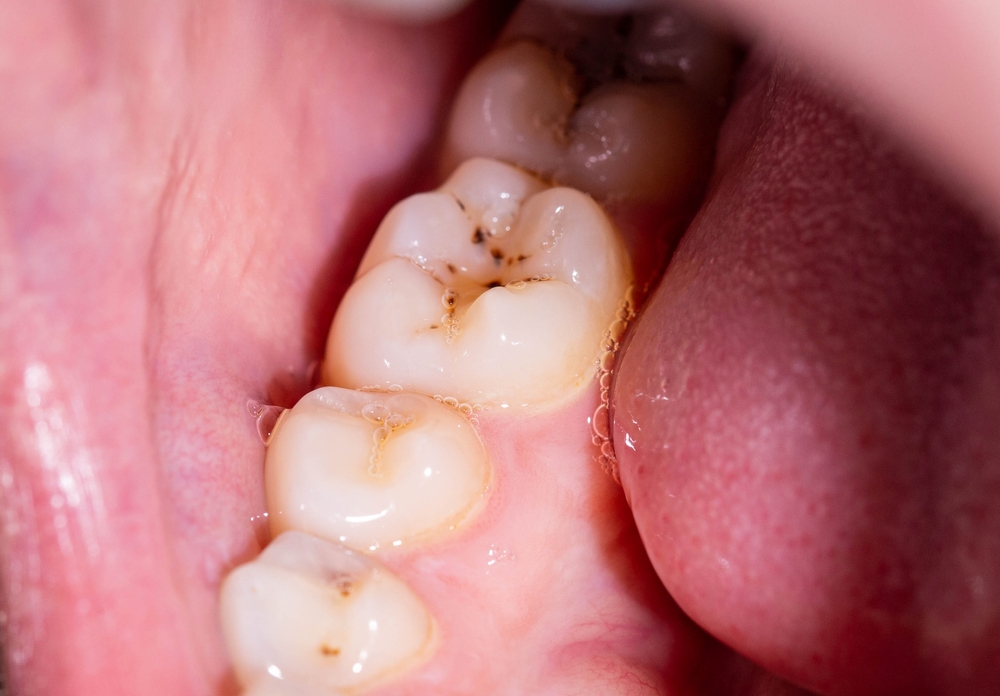
Some mouthwashes contain antimicrobial substances that kill bacteria.
The problem is that they do not distinguish between harmful bacteria and those that are beneficial to the mouth’s natural balance.
It can disrupt the mouth’s microbiome
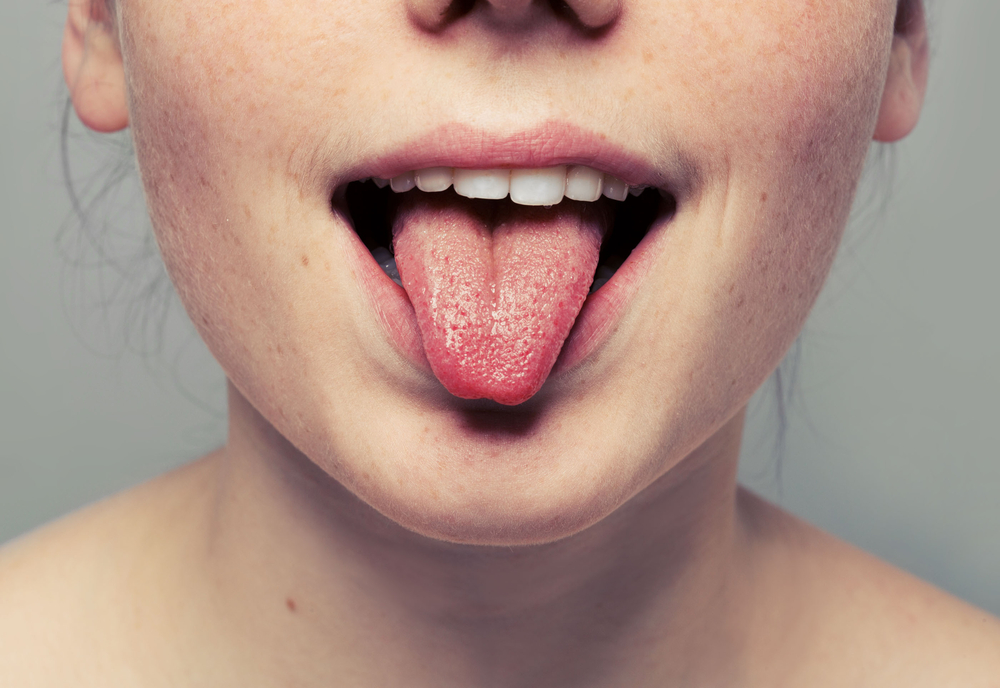
When beneficial bacteria are removed, the balance in the mouth may be disrupted. This can make the mouth more susceptible to infections, such as oral thrush.
The ingredients should be checked carefully
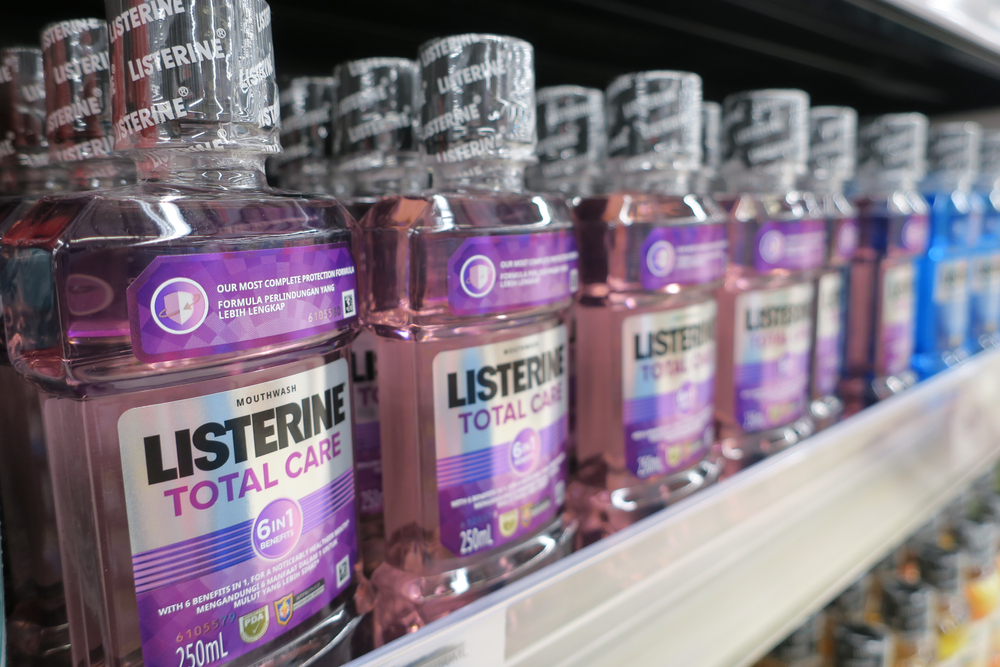
Dentists recommend checking the ingredient list before choosing a mouthwash.
Also read: How a diet without fruits and vegetables affects the body
Alcohol and sodium lauryl sulfate are two ingredients that may irritate the mouth or trigger sores in some people.
A higher pH level may be beneficial
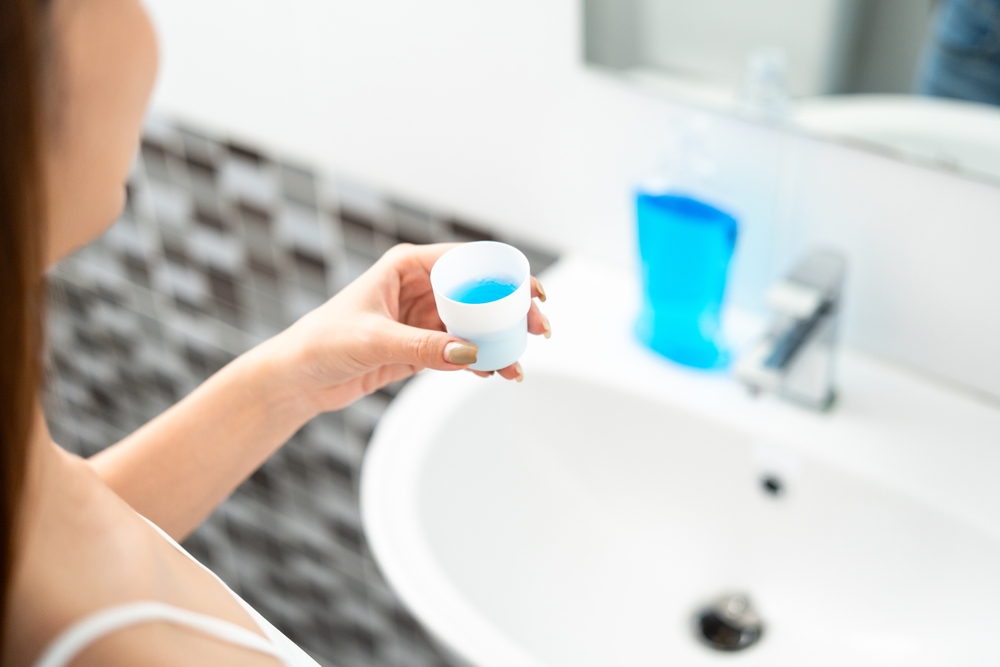
Mouthwash with a more alkaline pH level may benefit the bacteria in the mouth that contribute to a healthy balance.
Natural products are not necessarily better

Products marketed as natural may seem appealing, but certain essential oils can also affect beneficial bacteria in the mouth and cause irritation.
Mouthwash may affect blood pressure

Some researchers are paying attention to a specific type of bacteria in the mouth that helps the body convert nitrates from food into nitric oxide.
Also read: Simple exercise routine linked to improved brain function
This substance plays a role in regulating blood pressure.
Frequent use may disrupt this process

Frequent use of strongly antibacterial mouthwash may affect the bacteria involved in the process of converting nitrates from food into nitric oxide.
However, research in this area is still new, and there are not yet clear conclusions.
Underlying problems
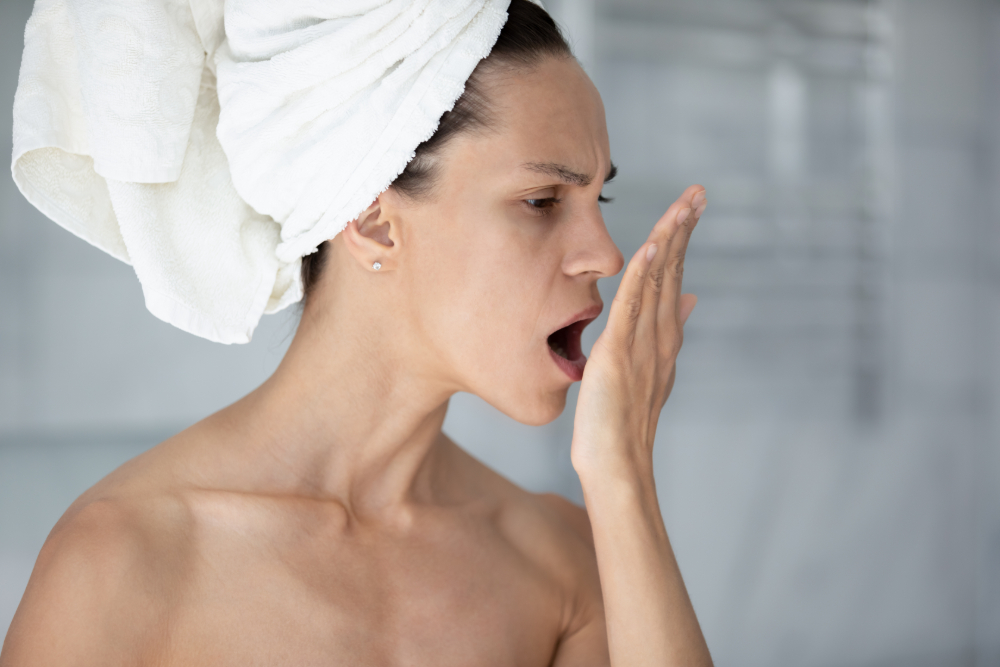
Bad breath can be a sign of problems such as gum disease or dry mouth.
If mouthwash is used to hide the odor, it may mask the symptoms without addressing the real cause.
See a dentist
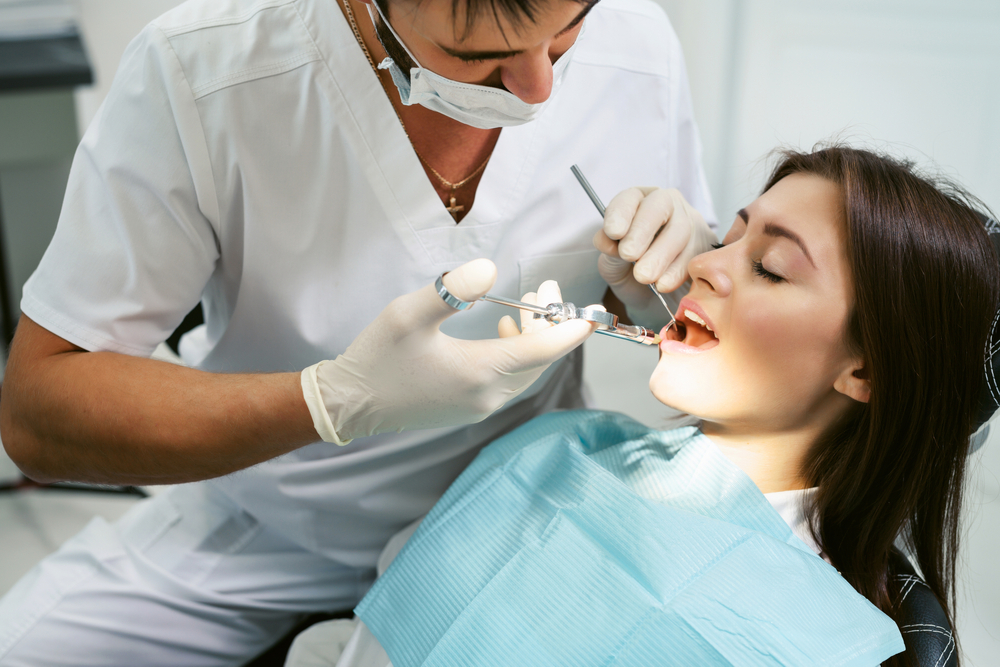
If bad breath or other symptoms continue, it is recommended to visit a dentist so that any problems can be identified and treated.
Sources: Real Simple.
This article is made and published by Ida-Marie Palm Varbæk, who may have used AI in the preparation.