
Cinnamon is more than just a pantry staple for coffee and breakfast. It has been used for centuries and is now linked to several potential health benefits. Even small daily amounts may have a positive impact on the body.
Rich in antioxidants

Cinnamon contains high levels of antioxidants that help protect the body against oxidative stress and cellular damage.
May protect your cells

These antioxidant compounds can help shield cells and may reduce the risk of chronic diseases over time.
May reduce inflammation
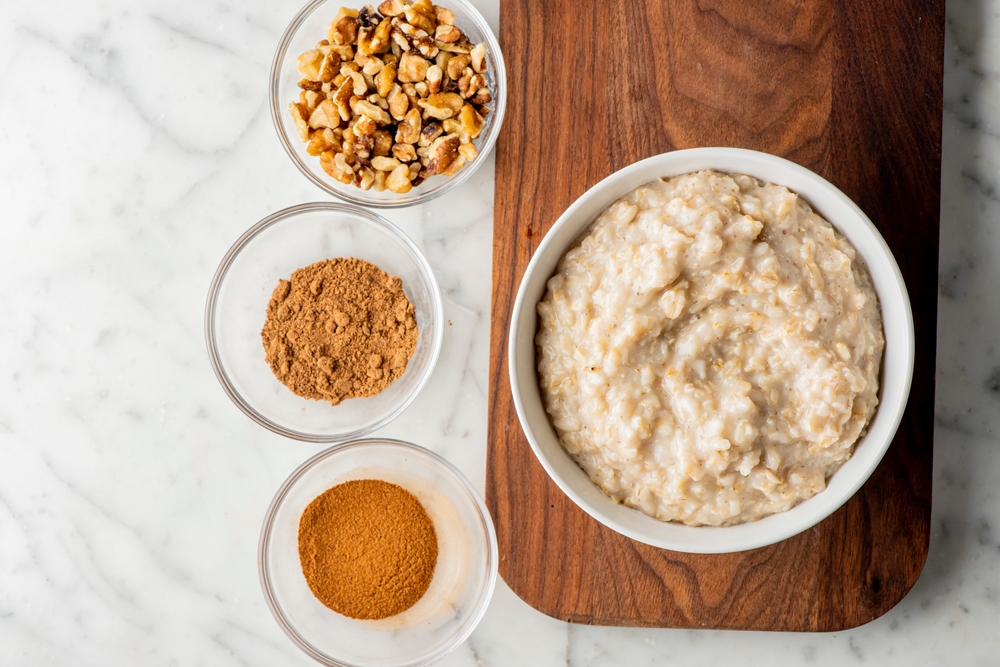
Cinnamon has anti-inflammatory properties that can help lower ongoing inflammation in the body.
May support blood sugar control
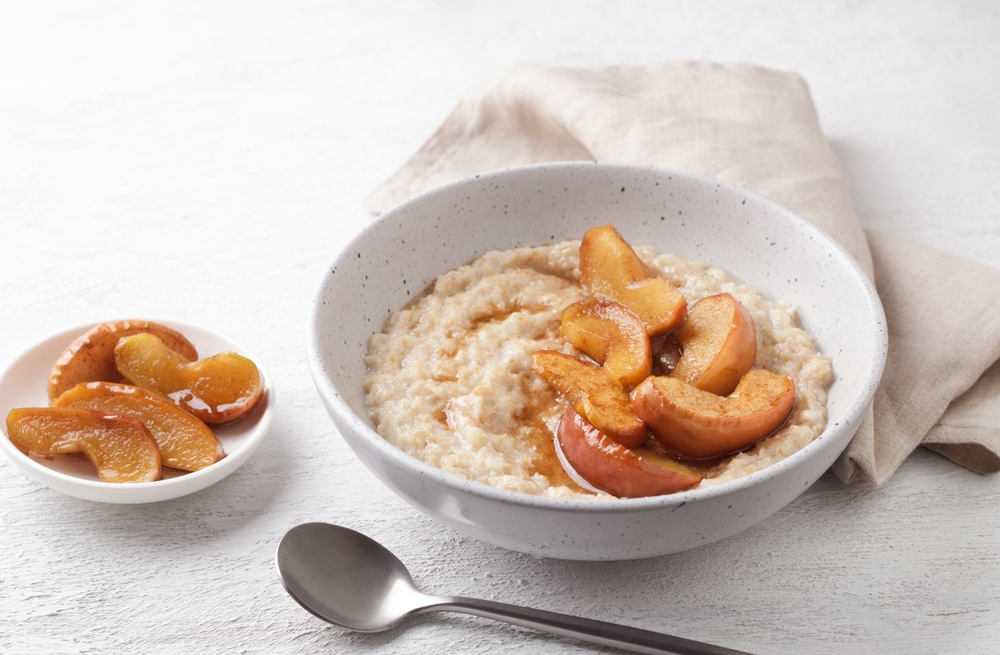
Cinnamon can help the body move glucose into cells more efficiently, contributing to lower blood sugar levels.
Small amounts may be enough

Even about one teaspoon per day may improve blood sugar regulation in some individuals.
May improve insulin sensitivity

Cinnamon can enhance the body’s sensitivity to insulin, which is especially relevant for people with prediabetes or type 2 diabetes.
May support heart health

Cinnamon may help maintain healthy cholesterol and triglyceride levels, which are important for cardiovascular health.
Also read: Diabetes medication may reduce risk of eye disease by 37 percent
May lower LDL cholesterol

Regular intake has been associated with reduced levels of LDL cholesterol and improved HDL cholesterol.
Possible effect on blood pressure

There is some evidence that cinnamon may have a modest blood pressure–lowering effect with consistent use.
Low in calories
Cinnamon provides very few calories and does not significantly contribute fat, protein, or sugar in typical serving sizes.
Large amounts may be harmful

High intake may lead to side effects such as liver issues, dizziness, diarrhea, and vomiting.
Also read: Vitamin D may help prevent Long COVID, study suggests
May interact with medications

Large doses of cinnamon can interfere with certain medications, including blood thinners and treatments for diabetes and heart conditions.
Sources: EatingWell and Phcogres
Also read: Do you have heart problems? New research indicates a possible connection to your oral health
This article is made and published by Mie Hermansen, who may have used AI in the preparation.