
Many people aim to lose weight, but it requires a balanced and long-term approach. The right diet can support weight loss while also improving overall health.
Here are the key dietary approaches and principles based on expert recommendations.
Mediterranean diet
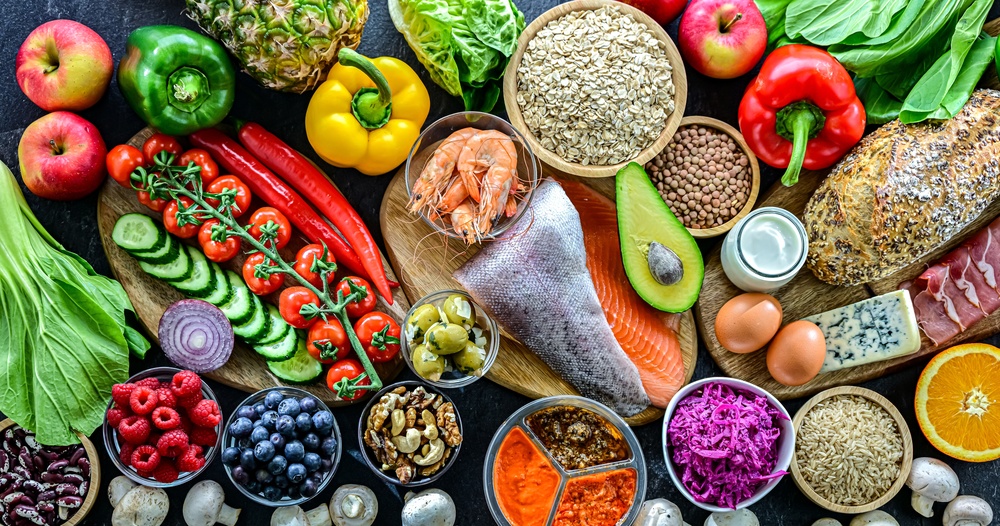
This diet is highlighted as one of the most effective for both weight loss and overall health.
It focuses on fish, lean meat, fruits, vegetables, whole grains, and healthy fats.
Also read: Even brief exercise can strengthen memory, new research shows
It can contribute to improved heart function, stable blood sugar levels, and reduced inflammation.
DASH diet
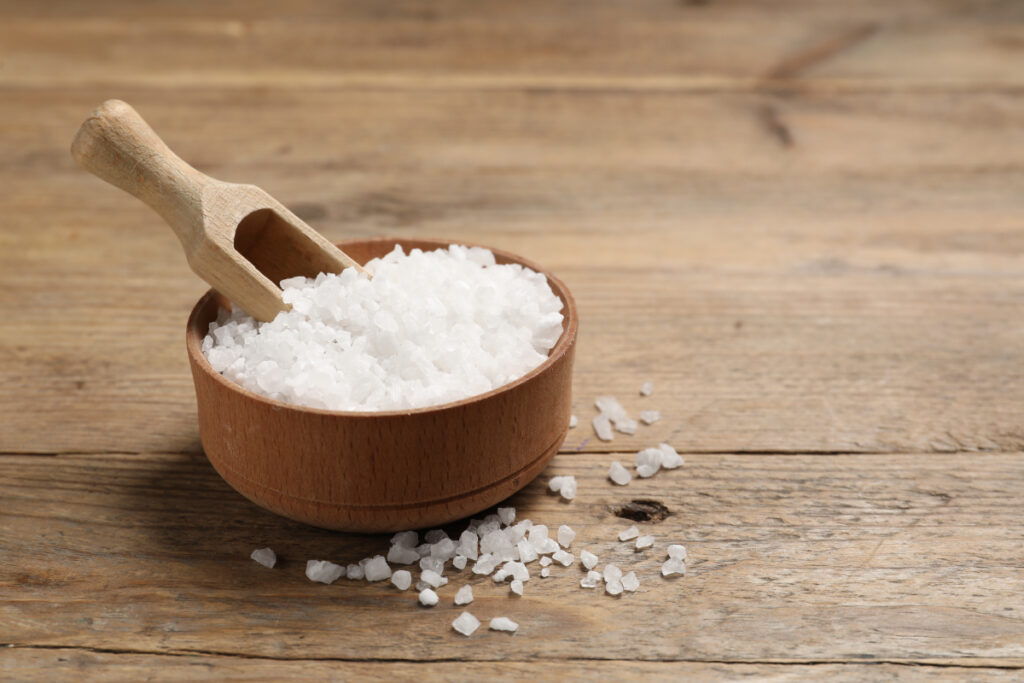
The DASH diet was developed to lower blood pressure and cholesterol. It is similar to the Mediterranean diet but places particular emphasis on low salt intake.
The diet includes foods such as fruits, vegetables, whole grains, and nutrients like potassium and magnesium.
A 2020 study published in Nutrients found that the DASH diet helped overweight individuals over 65 reduce body fat, while a 2021 meta-analysis from the National Institute of Health concluded that the diet, combined with increased physical activity, can lead to weight loss and lower blood pressure.
Also read: This is Prince Harry’s favorite fast food – and it’s far from low-calorie
MIND diet

The MIND diet combines elements of the Mediterranean and DASH diets with a focus on brain health.
It prioritizes green vegetables, berries, nuts, and whole grains while limiting processed foods. It can also support weight loss.
Atlantic diet

This diet originates from Spain and Portugal and is based on fresh, local ingredients such as fish, vegetables, and whole grains.
It also includes traditional cooking methods like baking and steaming and may reduce the risk of metabolic diseases.
Also read: How cinnamon can affect your body if you eat them every day
Research published in JAMA Network Open showed that the Atlantic diet significantly reduced the prevalence of metabolic syndrome, which includes high blood pressure, high blood sugar, abdominal fat, and abnormal cholesterol levels.
Intermittent fasting
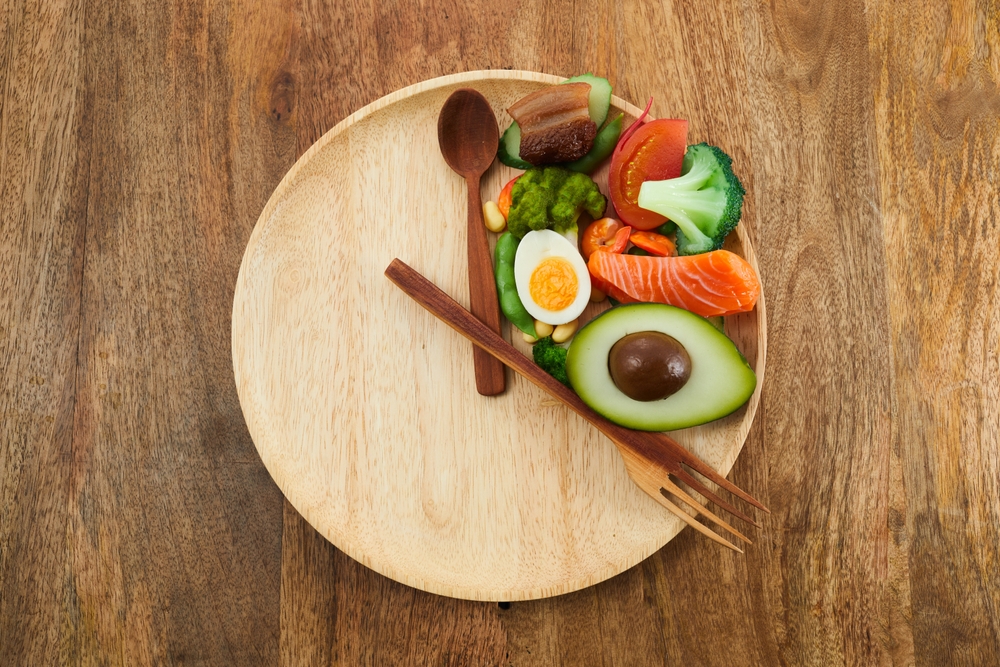
This method focuses on when you eat rather than what you eat. A study published in Annals of Internal Medicine shows that this approach can support weight loss.
A popular model is 16:8, where you fast for 16 hours and eat within an 8-hour window. It can lead to weight loss but should be used with caution.
Volumetrics
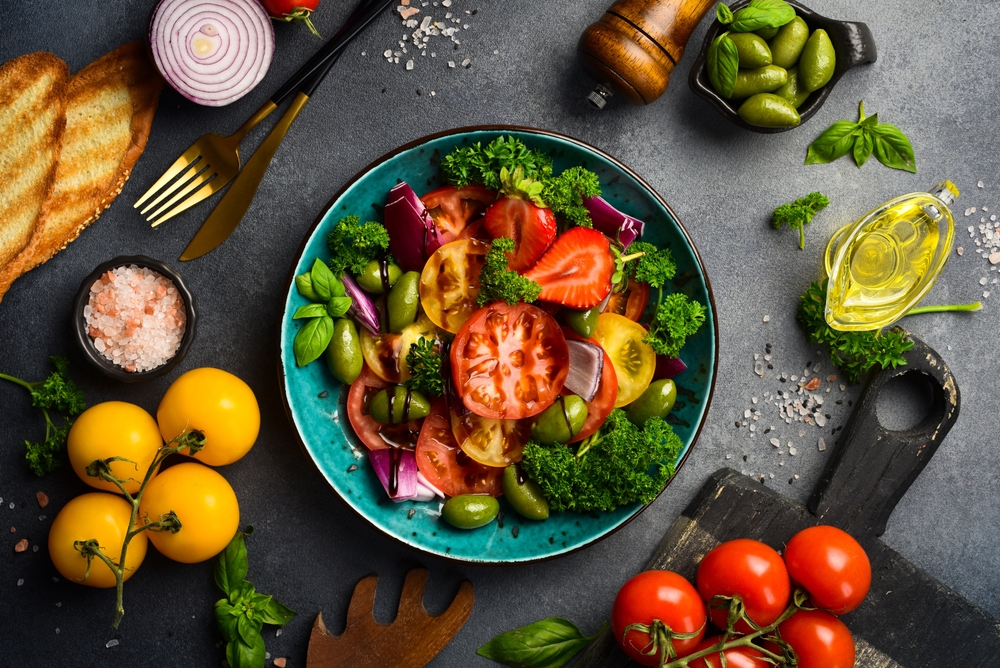
Volumetrics focuses on foods with low calorie density and high water and fiber content.
This means you can eat larger portions of foods such as vegetables and soups, while more calorie-dense foods are limited.
Vegetarian diet
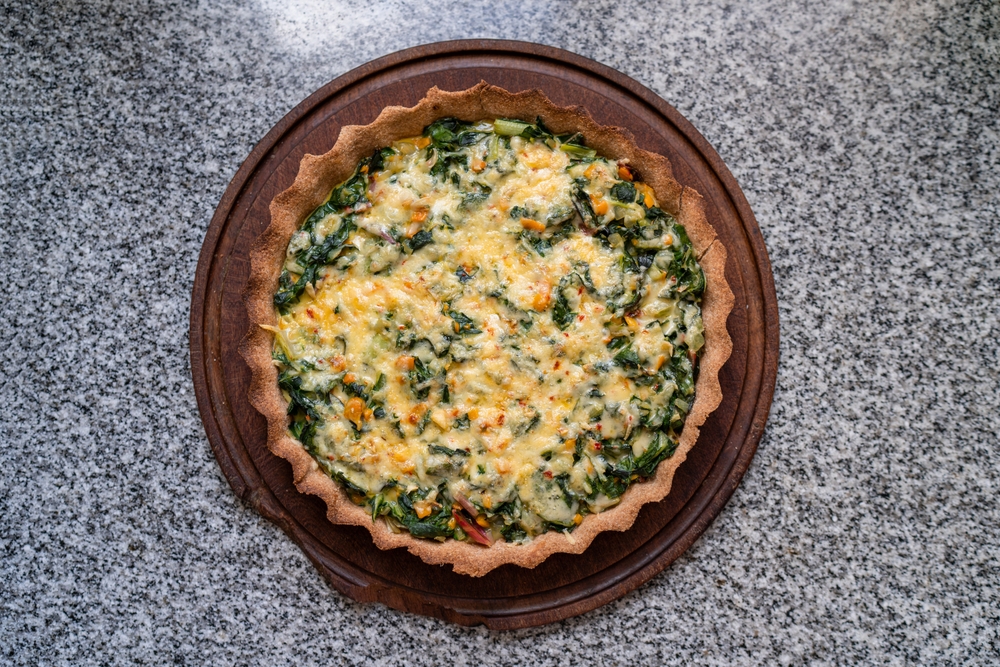
A vegetarian diet excludes meat but may include dairy products. It is rich in plant-based foods and low in saturated fat, which can support weight loss, according to a study published in the Journal of General Internal Medicine.
Vegan diet
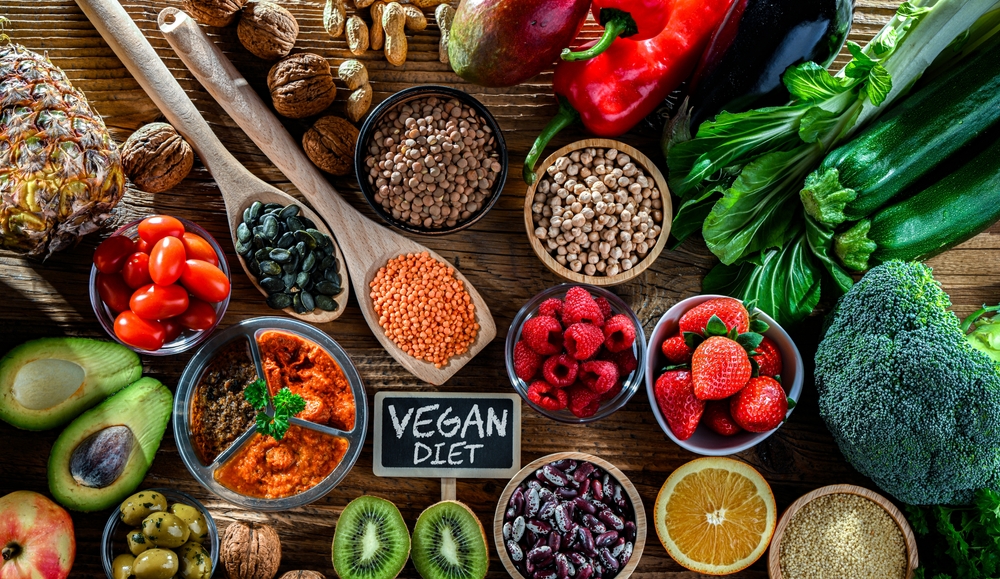
A vegan diet excludes all animal products and consists primarily of plant-based foods.
It is typically high in fiber and can lead to weight loss but requires attention to protein intake and food quality.
Also read: Diabetes medication may reduce risk of eye disease by 37 percent
Flexitarian diet
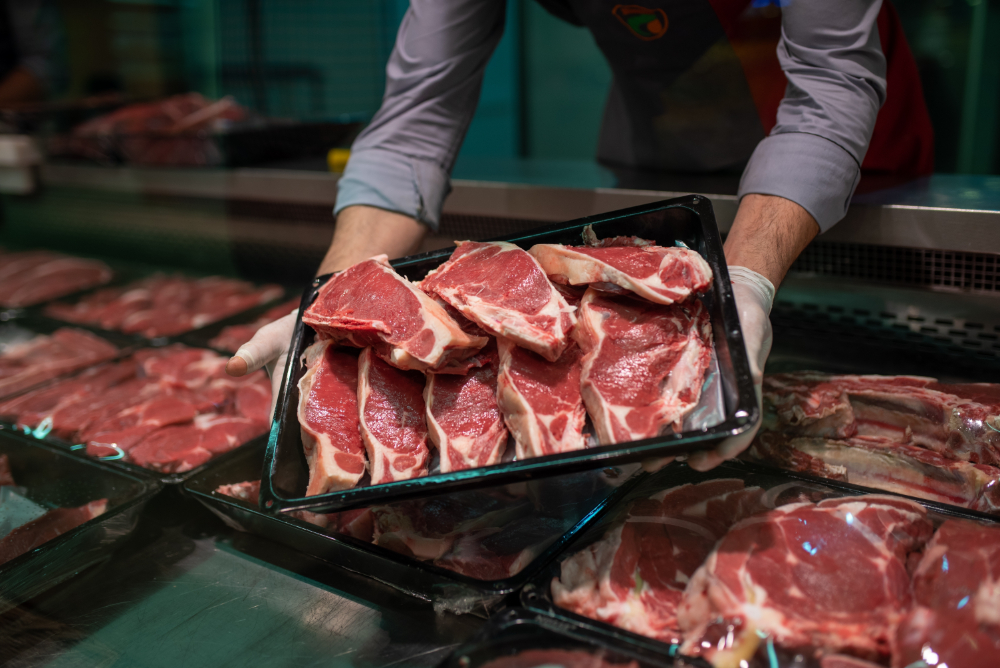
The flexitarian diet is a flexible plant-based approach in which meat is consumed only occasionally.
It focuses on vegetables, legumes, and whole grains and can improve both weight and metabolism, according to a study published in Frontiers in Nutrition.
Pescatarian diet
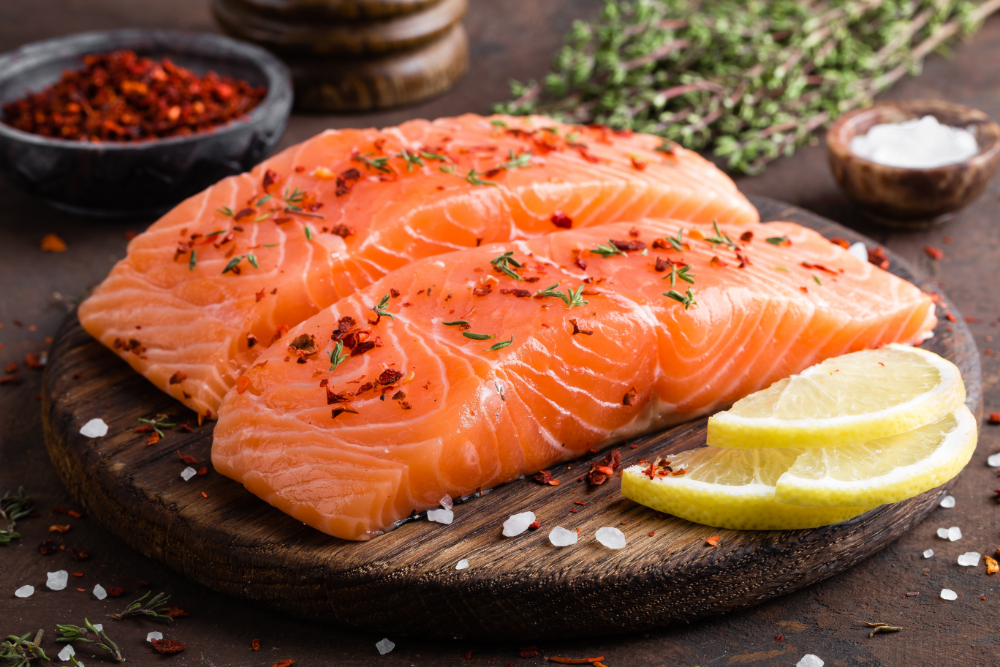
This diet is similar to a vegetarian diet but includes fish and seafood. It provides healthy fatty acids and protein and may contribute to a lower risk of chronic diseases, according to a study published in Nutrition and Metabolic Insights.
Focus on balance

A good diet should not be overly restrictive. Extreme rules can lead to nutrient deficiencies and make it harder to maintain weight loss over time.
Avoid quick fixes

Diets that promise rapid weight loss are often difficult to sustain. They can negatively affect the body and lead to weight gain later on.
Eat properly
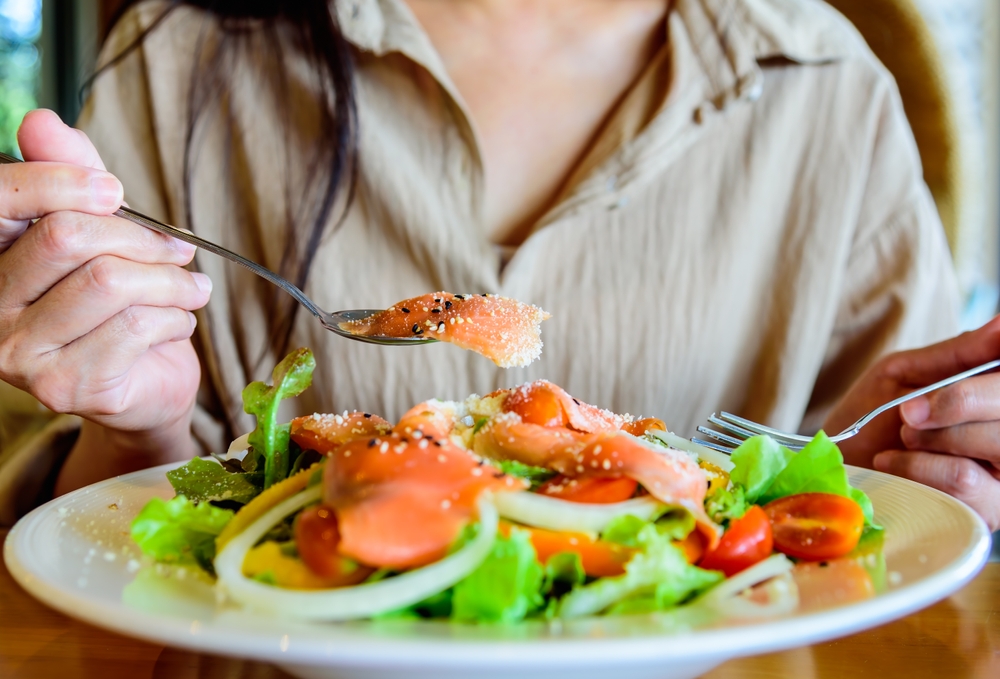
It is important to consume nutrient-rich foods with protein, fats, and fiber. This supports both weight loss and overall health.
A holistic approach

Successful weight loss requires more than diet alone. Exercise, good sleep, and stress management also play an important role in achieving results.
Sources: Prevention, Nutrients, National Institute of Health, JAMA Network Open, Annals of Internal Medicine, Journal of General Internal Medicine, Frontiers in Nutrition, and Nutrition and Metabolic Insights.
This article is made and published by Ida-Marie Palm Varbæk, who may have used AI in the preparation.