
Everyone produces gas in the stomach every day, and it is a completely natural part of digestion.
However, if it feels like it happens more often than usual, it may raise questions about what is going on in the body.
It is normal to have gas in the stomach
It is entirely normal to pass gas throughout the day, and this applies to everyone, regardless of diet and lifestyle.
Gas is part of digestion
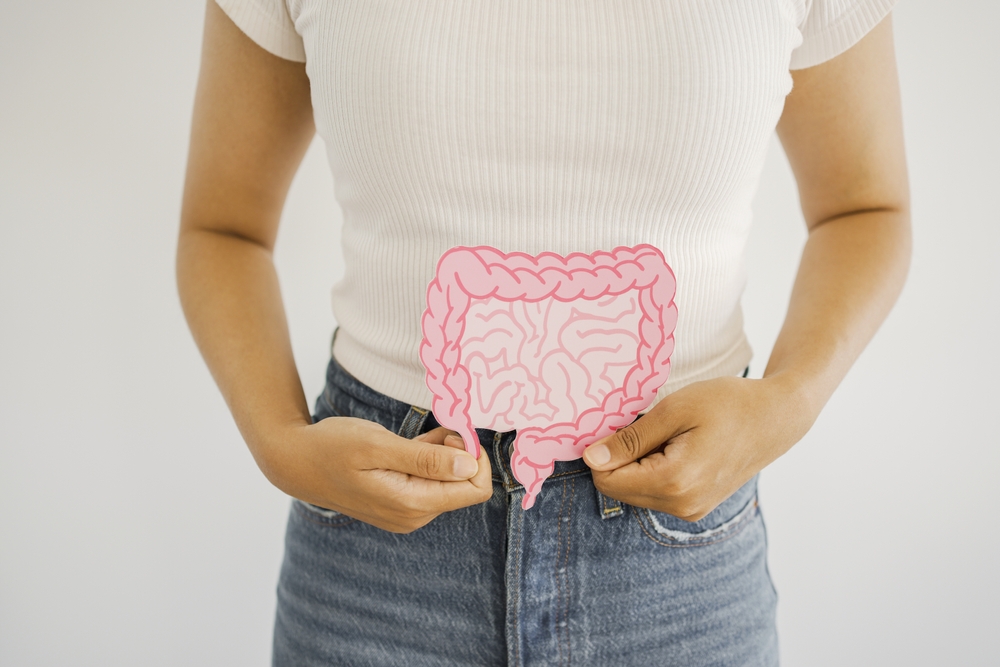
The digestive system functions as a long process in which food and liquid are broken down, and waste leaves the body as urine, stool, and gas.
Also read: Gum bacteria may increase the risk of breast cancer, new study shows
Bacteria in the gut create gas

Gas forms when bacteria in the large intestine break down and ferment food, especially dietary fiber.
The body needs to release pressure

When gas is released, it is the body’s way of reducing pressure in the abdomen and preventing discomfort.
There is no fixed normal number

There is no exact number for how many times a person passes gas daily, but a study shows that healthy adults do so an average of around 32 times a day.
Your own normal is most important

The most important thing is to know your own baseline, as some people naturally have more gas than others.
Also read: The scale can be misleading: Belly fat may increase the risk of heart failure
Gas indicates a healthy gut

Gas in the stomach is actually a sign that the bacteria in the gut are working as they should.
Gas consists of several things

Gas consists both of air swallowed during eating or talking and gas produced during the breakdown of carbohydrates in the gut.
Certain foods increase gas
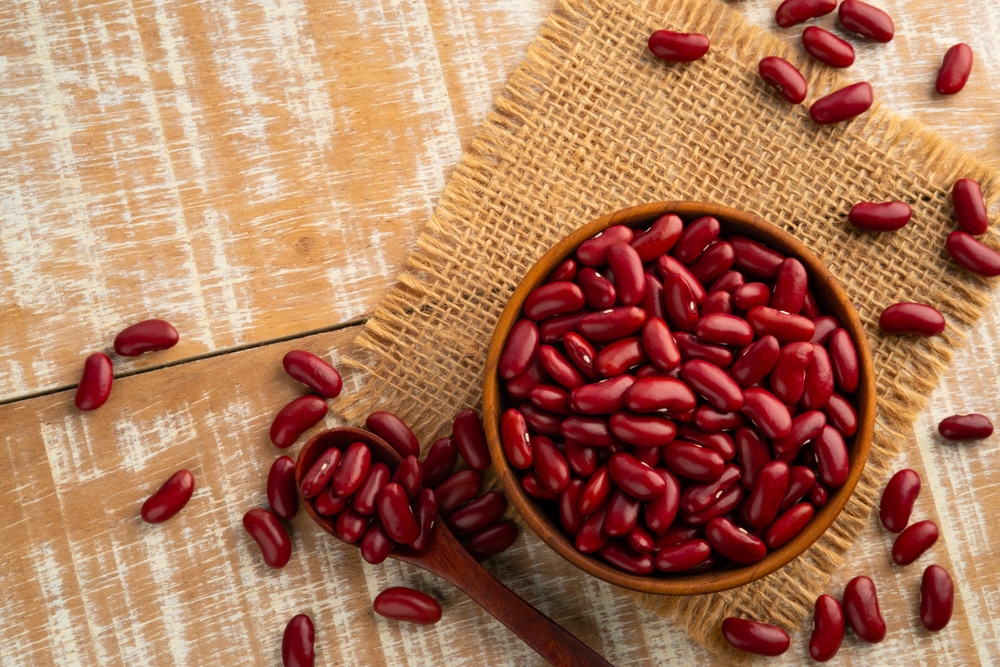
High-fiber foods, beans, and dairy products can lead to increased gas production.
The speed of digestion plays a role

How quickly food moves through the digestive system also affects how much gas is produced.
Also read: EU approves kiwi as a remedy for constipation
More gas is often not dangerous

If it does not cause pain or affect daily life, increased gas is usually not a problem.
Changes can have several causes

More frequent or more foul-smelling gas may be linked to changes in diet, increased air swallowing, or shifts in gut bacteria.
Illnesses can be a cause

If the diet has not changed, extra gas may be a sign of lactose intolerance, irritable bowel syndrome, or celiac disease.
Constipation and reflux can have an impact

Constipation can increase the amount of gas, and reflux or anxiety can lead to swallowing more air.
Also read: How much water do you need? Here are age-based recommendations
Symptoms should be taken seriously

Pain, bloating, changes in stool, blood in the stool, or weight loss should lead to contacting a doctor.
Treatment depends on the cause

Treatment may involve changes in diet and lifestyle, medication, or in some cases therapy aimed at habits such as air swallowing.
Small changes can help

Eating slowly, drinking fewer carbonated beverages, and staying physically active can reduce discomfort from gas.
Sources: Parade.
Also read: New study: A steak may reduce the risk of dementia
This article is made and published by Ida-Marie Palm Varbæk, who may have used AI in the preparation.