
Chickpeas have become popular in many cuisines, and they also offer a range of nutritional benefits.
Here is what happens in the body when you eat them regularly, according to EatingWell.
Cholesterol
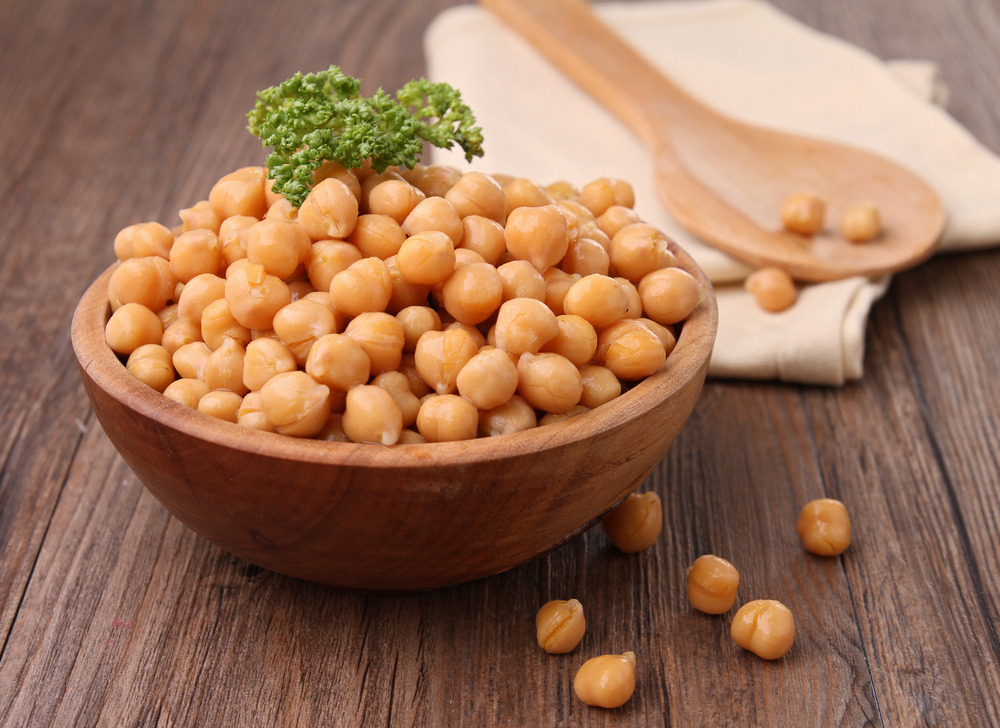
Chickpeas contain soluble fiber, which can reduce both LDL cholesterol and total cholesterol levels in the body, an important factor for heart health, according to a study published in Frontiers in Nutrition.
Heart health

Since high LDL cholesterol is a risk factor for heart disease, consuming chickpeas may help reduce the risk of cardiovascular conditions.
Also read: Researchers identify cancer mechanism behind anti-aging compound
Free from saturated fat and cholesterol
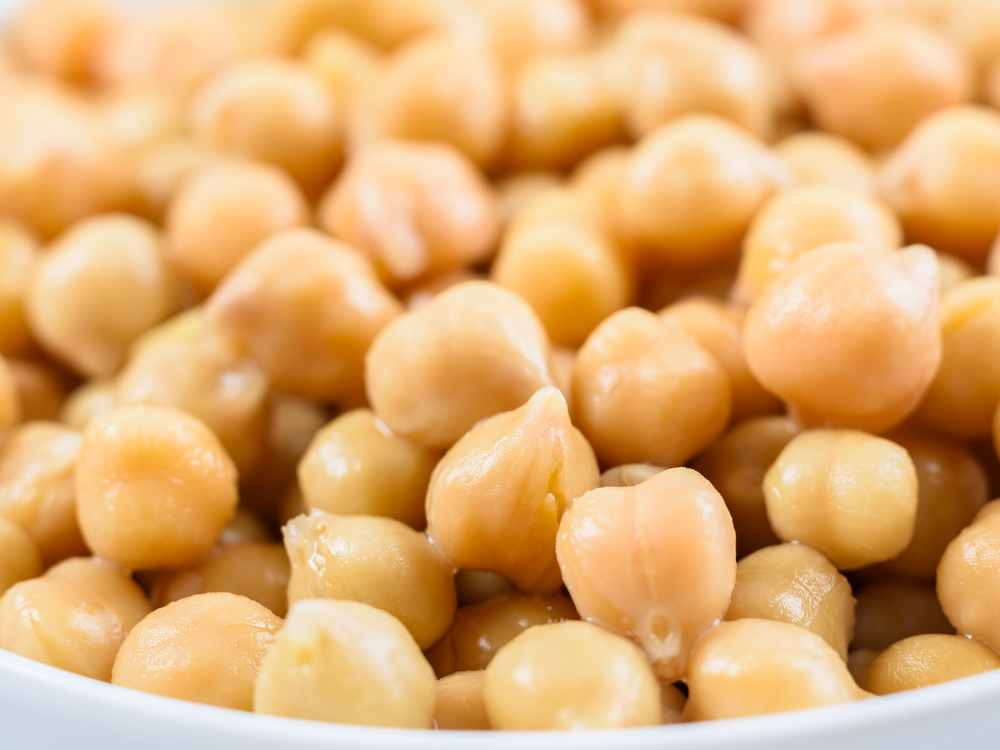
Chickpeas contain neither saturated fat nor dietary cholesterol, making them a good choice for maintaining a healthy circulatory system.
Healthy digestion
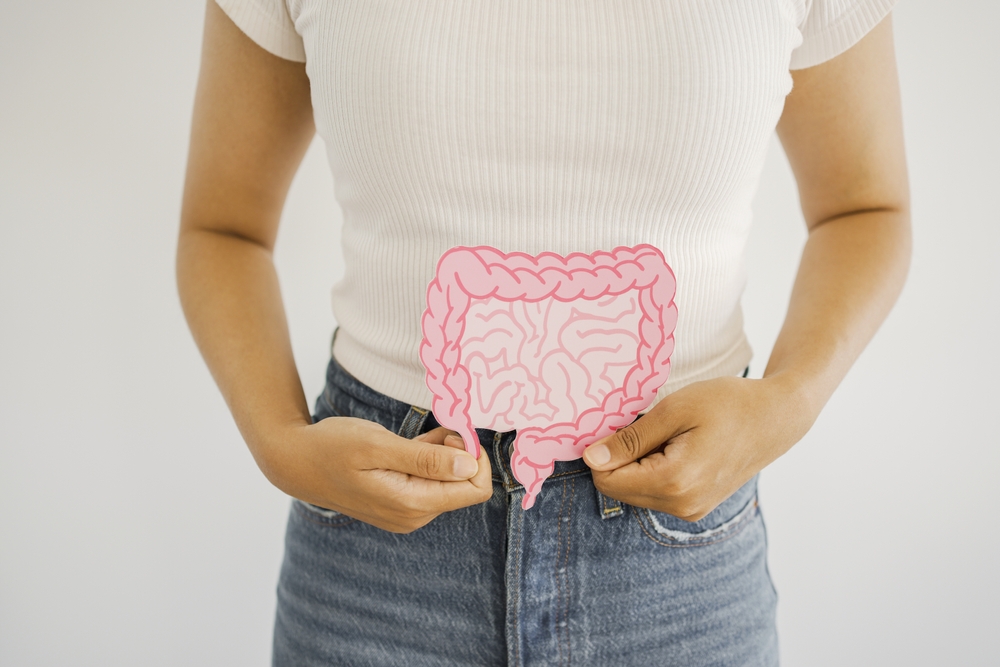
The fiber in chickpeas helps regulate bowel movements and supports healthy digestion.
The gut microbiome

When fiber is fermented in the gut, short-chain fatty acids are produced, contributing to a healthy and diverse gut microbiome.
Reduces inflammation
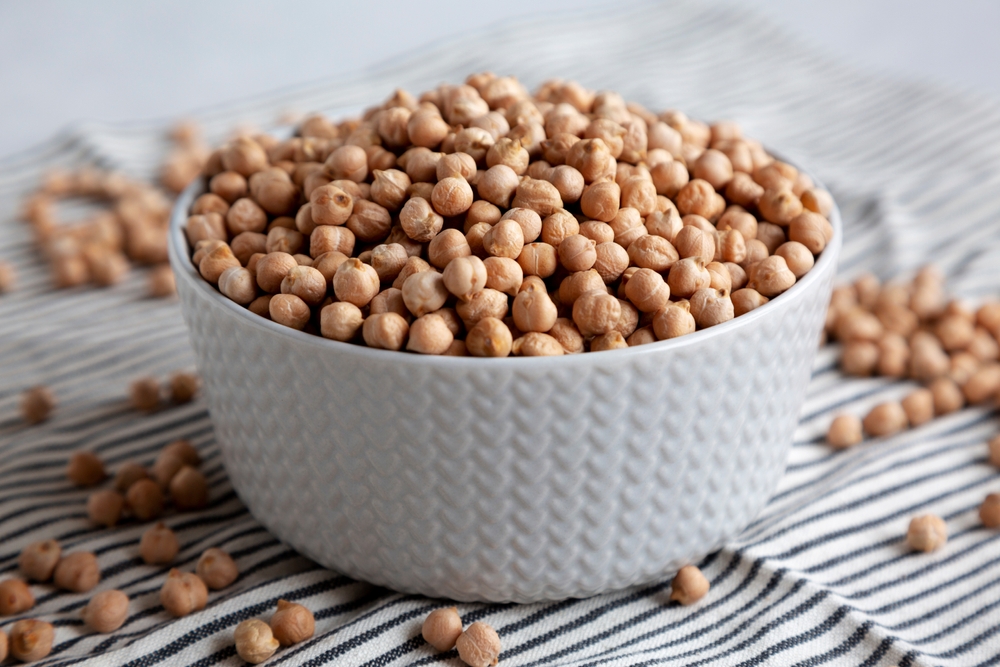
The short-chain fatty acids formed in the gut may help reduce inflammation in the body and thereby lower the risk of chronic diseases, according to a study published in Foods.
Also read: UK meat recall after listeria found, with rare meningitis risk
Weight management

The combination of protein and fiber in chickpeas increases satiety and may help prevent overeating.
Provides folate
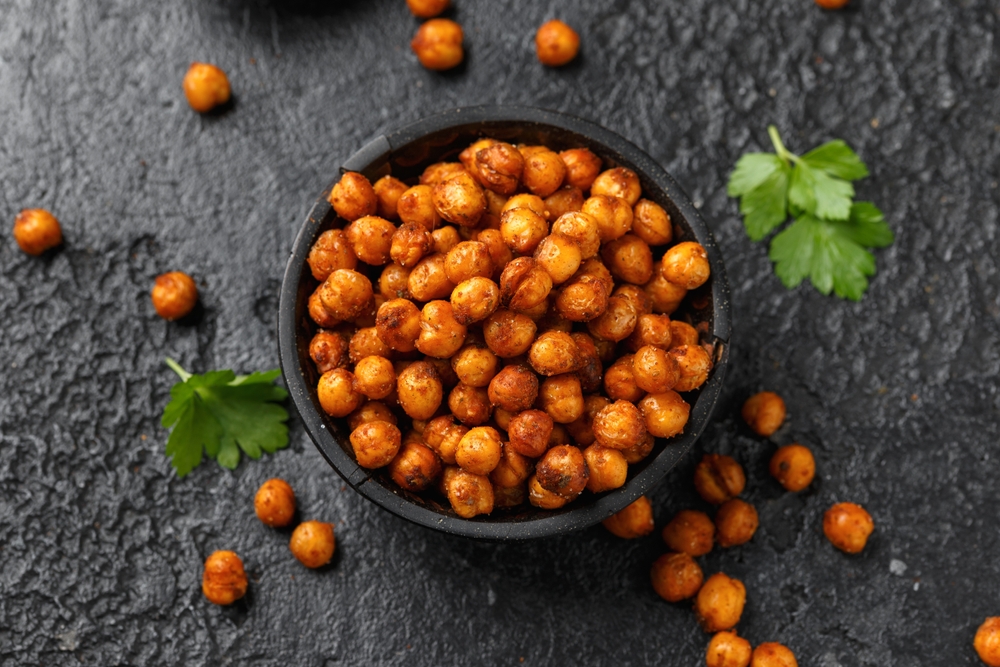
Chickpeas contain folate, which is important for cell function, protein metabolism, and the prevention of birth defects.
Supports blood vessels
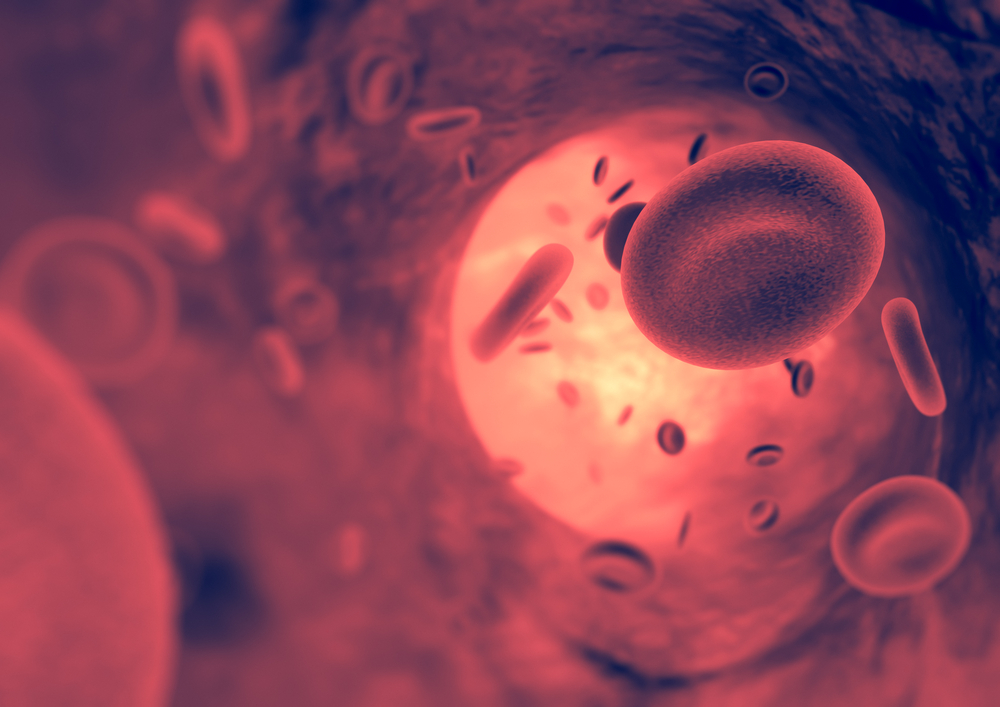
Folate helps break down homocysteine in the body, which can otherwise damage blood vessels and increase the risk of cardiovascular disease, according to a study published in the Journal of Cardiovascular Development and Disease.
Boosts energy levels

Chickpeas contain iron, which transports oxygen to the brain and muscles and can therefore help reduce fatigue.
Also read: How celery affects your health – from blood pressure to digestion
Important nutrients
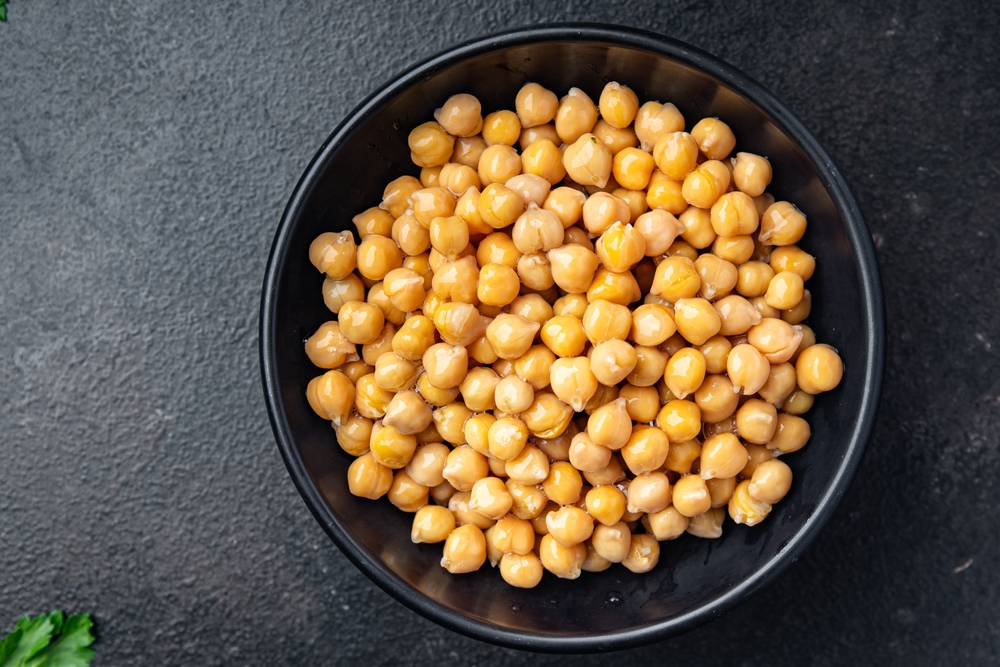
They provide nutrients such as protein, dietary fiber, potassium, iron, and folate, all of which play a role in the body’s functions.
They can be used in many dishes
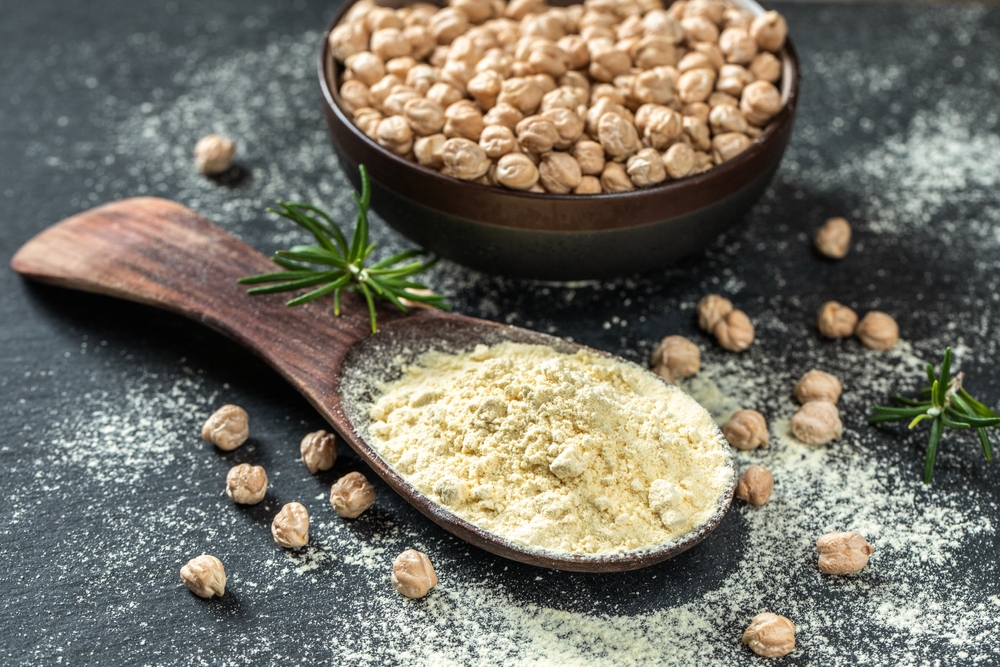
Chickpeas can be used in everything from hummus and salads to hot dishes and snacks, making them easy to include in the diet.
Sources: EatingWell, Frontiers in Nutrition, Foods, and Journal of Cardiovascular Development and Disease.
Also read: Seven days of cold showers – this is how it affected the body
Also read: Study examines supplement’s effect on osteoarthritis
This article is made and published by Ida-Marie Palm Varbæk, who may have used AI in the preparation.