
Butter is a staple in many refrigerators and is used for everything from frying to spreading on bread and serving with potatoes.
However, eating butter every day can affect the body in both the short and long term, according to Parade.
Contains fats

Butter is a source of fat that helps the body absorb fat-soluble vitamins from other foods. It can also make meals feel more filling and satisfying.
Vitamins

Dietitian Alissa Rumsey explains to Parade that butter can help the body absorb nutrients such as vitamin A more effectively when eaten together with foods like sweet potatoes.
Also read: These drinks could reduce the effectiveness of allergy medication
Downsides of butter

Although butter has nutritional benefits, Alissa Rumsey points out that it is also high in saturated fat, which should be limited.
These people should be extra careful

People with familial hypercholesterolemia may have difficulty processing saturated fat. This can lead to elevated cholesterol levels.
Inflammation

Dietitian Danielle LaFata explains to Parade that saturated fat is generally considered more inflammatory than unsaturated fats found in foods such as oils and fish.
High in saturated fat

One tablespoon of unsalted butter contains seven grams of saturated fat. That equals half of the daily limit recommended by the American Heart Association.
Also read: New research: Longer working hours may affect your weight
The effect depends on the person

How butter affects the body depends on factors such as activity level, overall health, eating habits, and how much butter is consumed.
Using butter

There is a difference between eating vegetables with a small amount of butter and eating fried dishes cooked with large amounts of butter every day.
Low energy

According to Alissa Rumsey, meals that are high in fat but low in carbohydrates or protein can lead to energy crashes in some people.
Weight gain

Danielle LaFata emphasizes that butter is calorie-dense. If a person consumes more energy than the body needs, it can lead to weight gain.
Also read: Caffeine may affect bone health – are you drinking too much?
The heart may be affected

A high intake of butter over a long period may increase the risk of high cholesterol and heart disease due to its saturated fat content.
Alternatives

To better protect heart health, experts recommend fat sources such as olive oil, avocado oil, sesame oil, and walnut oil.
Margarine may be a better choice
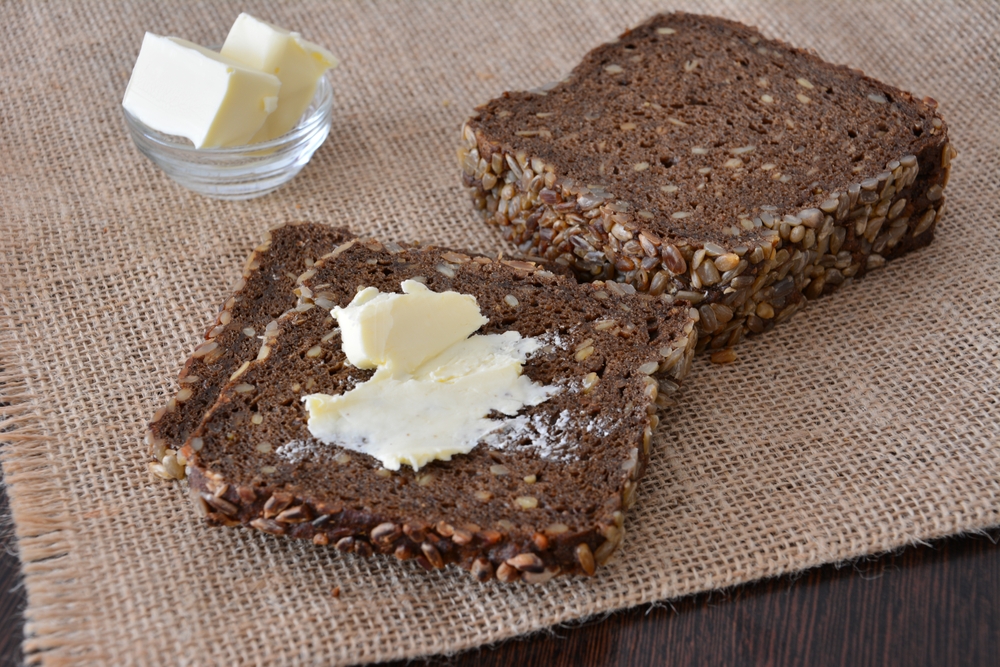
According to Mayo Clinic, margarine is often better for the heart than regular butter because it mainly consists of unsaturated fats.
Not all margarine is the same

Parade emphasizes that some types of margarine are healthier than others, which is why consumers should read nutritional labels carefully.
Also read: These foods can help the body in the fight against cancer
Everything in moderation

Experts stress that eating a little butter from time to time will not necessarily harm the body, but consuming large amounts over time may become problematic.
Sources: Parade, American Heart Association, and Mayo Clinic.
Also read: Allergy pills linked to changes in appetite
This article is made and published by Ida-Marie Palm Varbæk, who may have used AI in the preparation.