
Kale has become known as one of the most popular superfoods and is commonly used in salads, smoothies, and even as chips.
Nutrition experts have explained to Real Simple the potential benefits and drawbacks of eating kale every day.
Kale is packed with nutrients

Kale contains potassium, magnesium, calcium, and large amounts of vitamin K.
In addition, the vegetable also provides vitamin A, vitamin C, fiber, and iron.
Also read: Researchers report breakthrough in non-hormonal male contraception
Vitamin K is an important part of kale

One cup of raw kale contains more than 80 micrograms of vitamin K. The vitamin plays an important role in blood clotting and bone health.
Kale may support heart health

According to dietitian Michelle Routhenstein, the nutrients in kale may help improve blood flow, support healthy blood pressure, and reduce inflammation in the body.
This makes kale a popular choice in heart-friendly diets.
Kale is low in calories
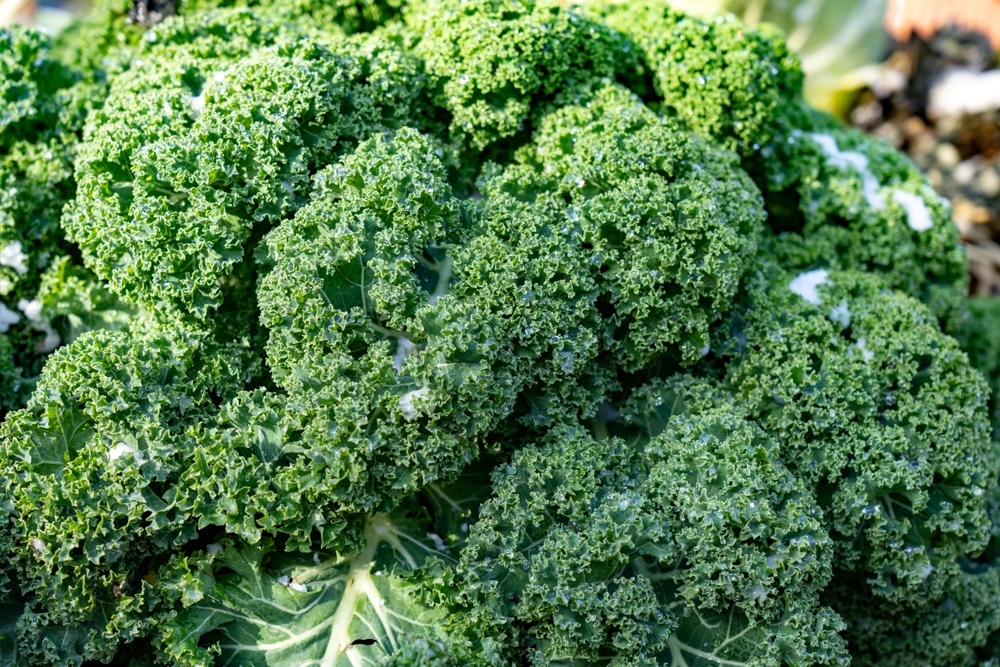
One cup of raw kale contains fewer than 9 calories. At the same time, the vegetable contains only small amounts of fat and carbohydrates.
Also read: New study: Dietary supplement may help patients with heart disease
Fiber may affect digestion

Kale contains dietary fiber, which can support digestion. However, suddenly eating much more kale than usual may lead to bloating and gas.
Kale may affect blood sugar levels

According to a study published in Biomedical Reports, kale may help reduce spikes in blood sugar after meals.
This may provide more stable energy throughout the day.
Appetite may become more stable

Dietitians told Real Simple that some people experience better appetite regulation with regular kale consumption, partly due to its fiber and nutrient content.
Also read: These evening habits could transform your mornings
Delayed effects

Experts emphasize that many of the benefits may only become noticeable after several weeks. In the short term, the changes may be more subtle.
Kale may affect blood-thinning medication

The high level of vitamin K may affect medications such as warfarin if kale intake changes very suddenly.
For this reason, experts recommend speaking with a doctor before making major dietary changes.
Antioxidants may reduce inflammation

Kale contains flavonoids such as quercetin and kaempferol. These compounds may help neutralize harmful free radicals and reduce inflammation.
Also read: Sudden eye floaters could signal a serious problem, experts explain
Long-term intake may benefit blood pressure and cholesterol

Several studies, including research published in Japanese Pharmacology and Therapeutics, suggest that regular kale consumption may have positive effects on blood pressure, cholesterol levels, and gut health.
Excessive amounts may cause problems

Dietitians warn that consuming very large amounts of raw kale over a long period may, in rare cases, interfere with the thyroid gland’s ability to absorb iodine.
Kale should be eaten in moderation

Experts recommend including kale as part of a varied diet that also includes other green vegetables rather than focusing on only one type.
Sources: Real Simple, Biomedical Reports, and Japanese Pharmacology and Therapeutics.
Also read: Small food portions could make weight loss more difficult
This article is made and published by Ida-Marie Palm Varbæk, who may have used AI in the preparation.