
Many types of cancer can now be treated with successful outcomes, especially when the disease is detected early, according to Focus.de.
However, some cancers are particularly aggressive because they grow rapidly or are often diagnosed at a late stage.
Here are some of the most serious types of cancer, along with advice on how to reduce your cancer risk.
Pancreatic cancer has the poorest prognosis

Pancreatic cancer often develops in the tissue responsible for producing digestive enzymes.
Also read: New findings improve understanding of how cancer develops
The disease usually causes no obvious symptoms in its early stages.
Late detection makes the disease dangerous

The tumor is often not discovered until it has reached an advanced stage, when surgery is no longer possible.
This significantly reduces the chances of survival.
Smoking and obesity increase the risk

Smoking, passive smoking, severe obesity, and type 2 diabetes are considered major risk factors for pancreatic cancer.
Also read: The right amount of sleep can reduce the risk of dementia
Liver cancer is often detected late

Liver cancer frequently develops as a result of cirrhosis or chronic liver inflammation such as hepatitis B and hepatitis C.
Treatment options are limited

Many patients do not experience symptoms until the disease has progressed significantly.
According to Focus.de, cancer can no longer be surgically removed at the time of diagnosis in three out of four cases.
Alcohol is an important risk factor

Alcohol consumption is linked to a significant proportion of liver cancer cases.
Also read: 40 people tried peppermint oil – and their blood pressure dropped significantly
Long-term overuse of medication is also mentioned as a burden on the liver.
Lung cancer grows rapidly

Small-cell lung cancer spreads quickly and is often detected only after the disease has already metastasized.
Smoking and air pollution increase the risk

Smoking is a key risk factor, but exhaust fumes, smog, and fine particulate pollution are also associated with an increased risk of lung cancer.
The most aggressive brain tumor
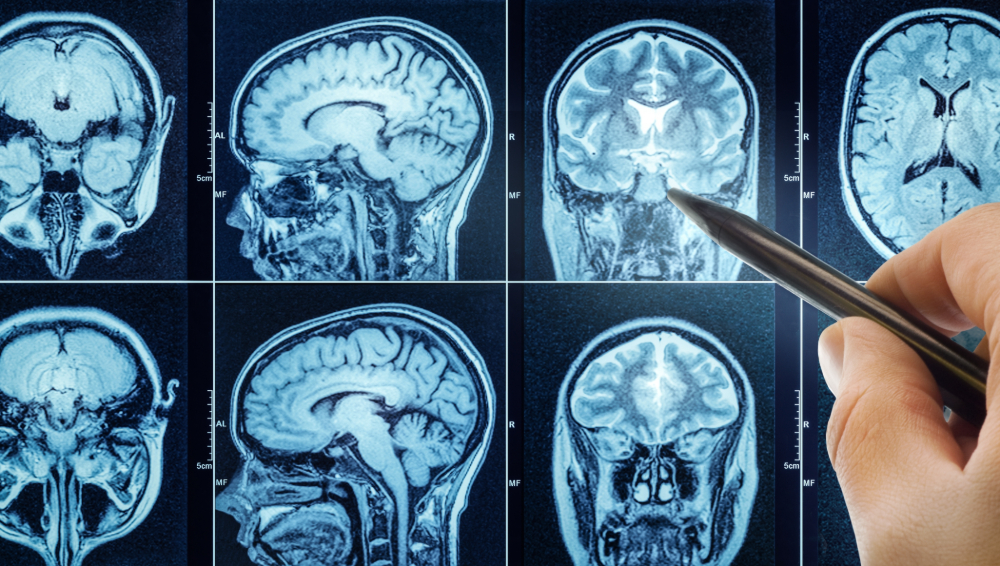
In adults, glioblastoma is the most common and most aggressive type of brain tumor. The tumor grows extremely quickly.
Also read: New pancreatic cancer pill delivers hope for patients
The tumor can double in size in 50 days

According to Focus.de, a glioblastoma doubles in size on average every 50 days, helping to explain its poor prognosis.
Lifestyle does not affect the risk of brain tumors
No lifestyle-related factors have been identified as having a documented impact on the risk of developing brain tumors.
Acute leukemia is particularly serious
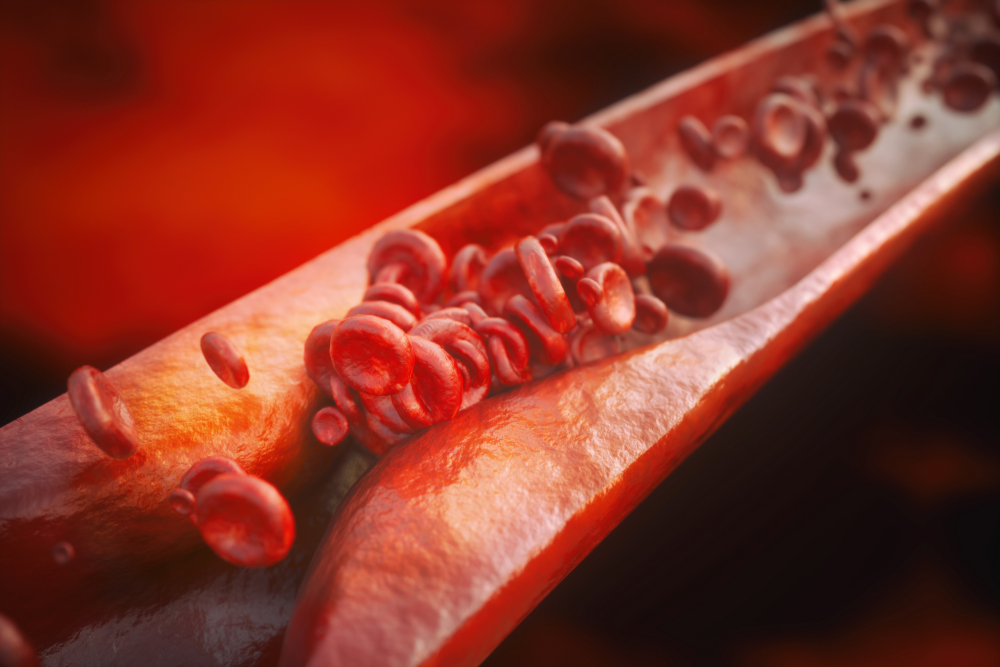
In leukemia, immature blood cells multiply uncontrollably. Acute forms develop rapidly and can become life-threatening within a few weeks if left untreated.
Symptoms can resemble a common infection
Early signs of leukemia are often nonspecific, which can make the disease difficult to detect in time.
Also read: Cancer symptoms many people overlook in everyday life
Radiation is mentioned as a possible risk factor
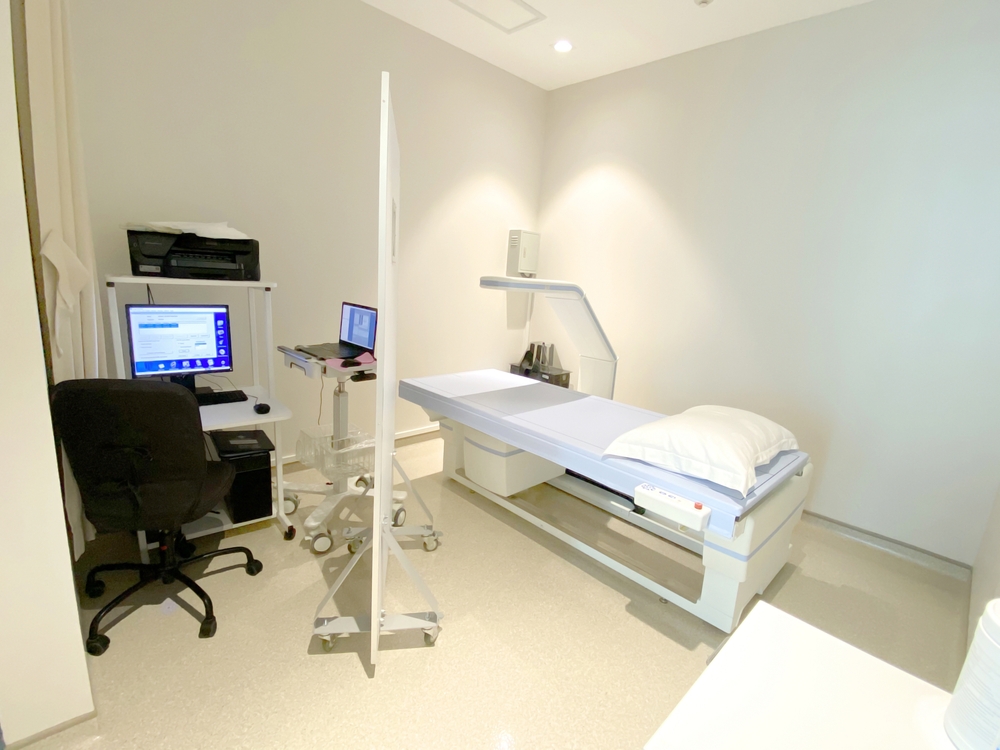
X-ray radiation and radioactive radiation are highlighted as factors that may contribute to the development of leukemia.
Cancer risk can be reduced through lifestyle choices

Experts believe that a large proportion of cancer cases can be prevented.
Recommendations include avoiding smoking, maintaining a healthy weight, staying physically active, eating a varied diet, limiting alcohol consumption, protecting yourself from excessive sun exposure, avoiding carcinogenic substances, and following recommended vaccination programs.
Source: Focus.de.
This article is made and published by Ida-Marie Palm Varbæk, who may have used AI in the preparation.