
Protein plays a key role in weight loss and weight management.
A higher protein intake can help reduce hunger, increase feelings of fullness, and even boost the number of calories the body burns throughout the day.
While protein can be found in a wide range of foods and supplements, some sources appear to offer greater benefits than others, according to Healthline.
Protein can increase feelings of fullness

One of protein’s biggest advantages is its ability to keep you feeling satisfied for longer.
Also read: This is what Prince William eats every morning – and it costs almost nothing
Compared with many other nutrients, protein has a stronger effect on satiety, making it easier to control calorie intake and avoid overeating.
Protein can help curb cravings

Research suggests that people who consume more protein may experience fewer food cravings and less desire to snack, particularly later in the day when unhealthy eating habits often occur.
Protein can boost calorie burning

Digesting and processing food requires energy. Protein has a higher thermic effect than carbohydrates and fats, meaning the body burns more calories when metabolizing it.
According to research published in The Journal of Cachexia, Sarcopenia and Muscle, a higher protein intake may increase daily calorie expenditure by as much as 80 to 100 calories.
Also read: Popular blood pressure drug raises new kidney concerns
Protein influences hunger hormones

Protein does more than simply fill the stomach. It also affects hormones that regulate appetite.
Studies suggest that protein can reduce levels of ghrelin, often referred to as the hunger hormone, while increasing hormones that promote satiety and help control appetite.
Natural protein sources support weight management

Foods that are naturally rich in protein are consistently associated with better weight control. Incorporating more high-protein foods into the diet may help support long-term weight-loss efforts.
Eggs may help reduce overall food intake

Eggs are among the most nutrient-dense protein sources available.
Also read: Expert says most people miss the real signs of a lie
Research published in the International Journal of Environmental Research and Public Health found that eggs may provide longer-lasting satiety, which could lead to reduced food consumption throughout the day.
Nuts, beans, and legumes offer additional benefits
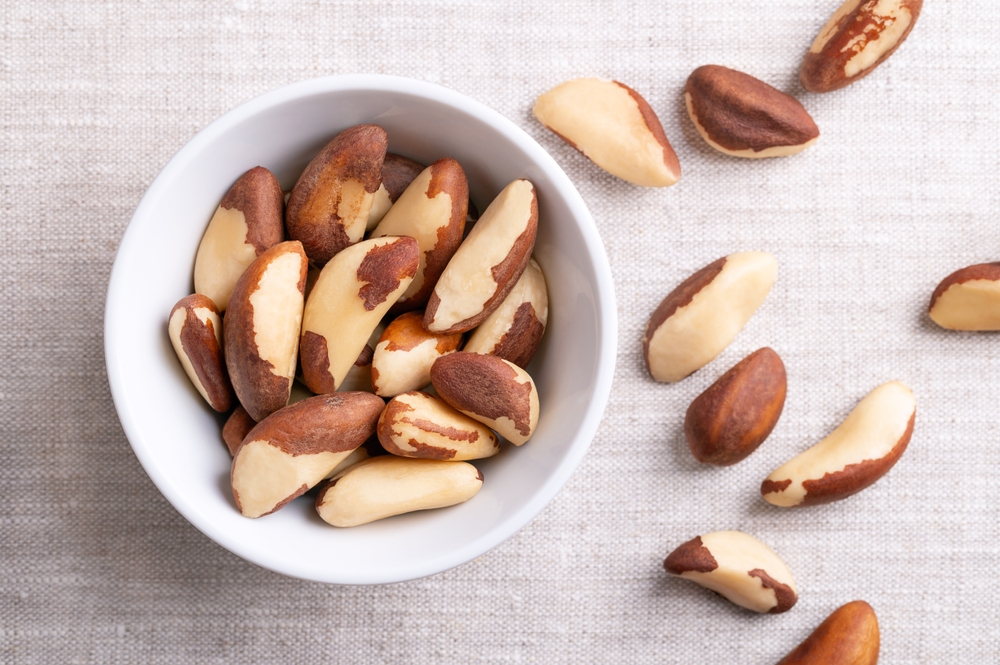
Plant-based protein sources such as nuts, beans, and legumes have also been linked to positive weight-management outcomes.
Regular consumption has been associated with lower body weight, greater feelings of fullness, and improved weight-loss results.
Both animal and plant proteins can be effective

When it comes to weight loss, both animal-based and plant-based proteins can play an important role.
Also read: These foods may help you fall asleep faster
The most effective choice often depends on individual dietary preferences, nutritional needs, and lifestyle factors.
Whey protein is quickly absorbed

Whey protein is one of the most widely studied protein supplements. It contains all nine essential amino acids and is rapidly absorbed by the body.
Research has linked whey protein to improved body composition and greater feelings of fullness, making it a popular option among people seeking to lose weight.
Whey protein may be especially effective for controlling hunger

Some evidence suggests that whey protein may outperform certain other protein sources when it comes to reducing hunger.
Also read: New obesity drug reduced sleep apnea by 60 percent in trials
A study published in Healthcare found that whey protein may be particularly effective at suppressing appetite and supporting calorie control.
Casein provides longer-lasting satiety

Like whey, casein is a milk-derived protein. However, it is digested much more slowly.
Because of its gradual absorption, casein can help maintain feelings of fullness over an extended period, potentially reducing the urge to snack between meals.
Soy protein shows mixed results
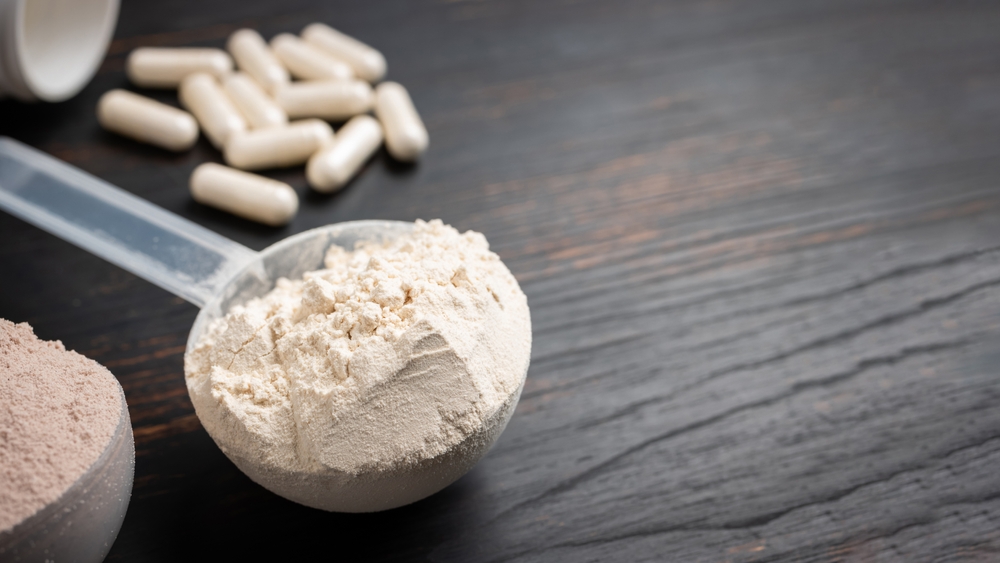
Soy protein is considered a complete protein because it contains all essential amino acids.
However, according to Healthline, current research has not demonstrated the same consistent weight-loss benefits seen with whey protein and casein.
More research is needed on rice protein
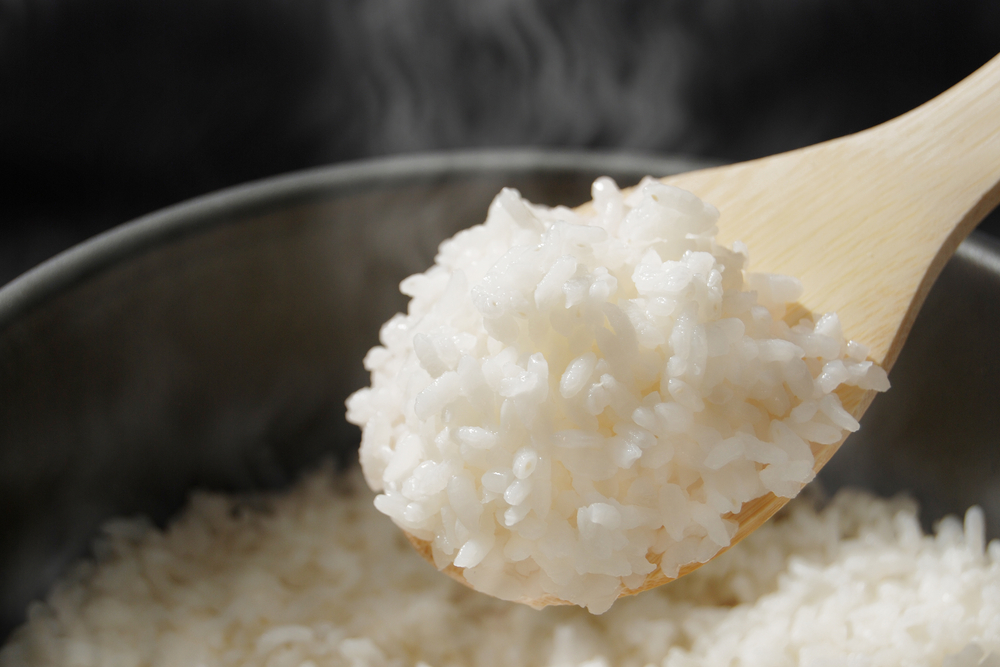
Rice protein has received far less scientific attention than other protein sources.
Some findings published in the Journal of the International Society of Sports Nutrition suggest that it may support gains in muscle mass and reductions in body fat, but more research is needed to determine its effectiveness for weight loss.
Pea protein shows promise
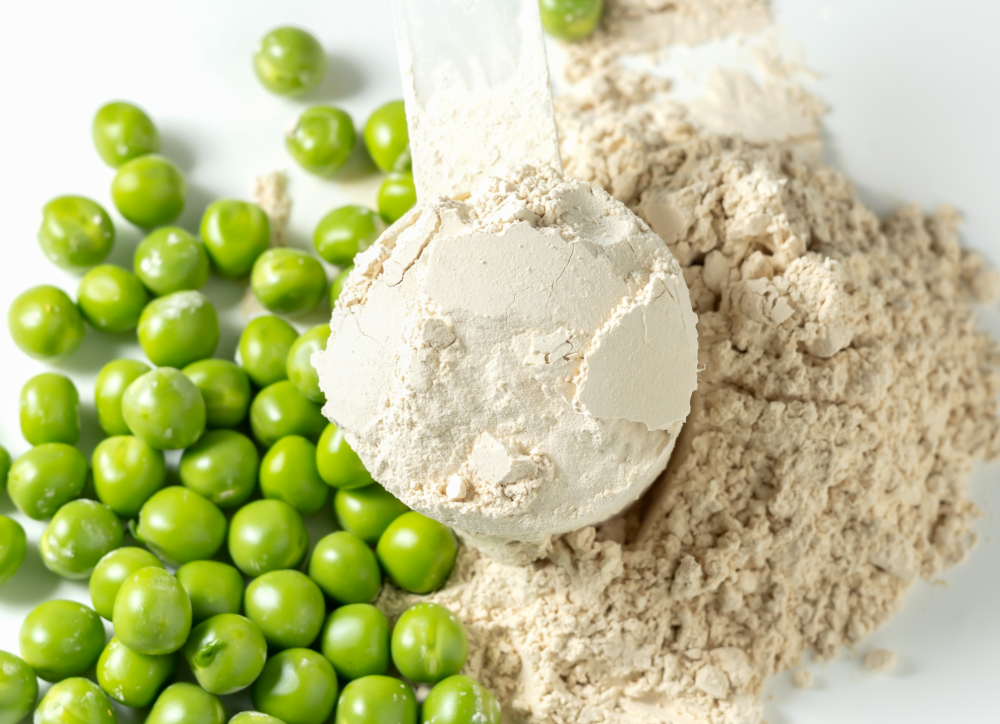
Pea protein has become increasingly popular as a plant-based alternative.
Early research suggests it may help increase satiety and support improvements in body composition, although additional studies are needed before firm conclusions can be drawn.
Protein supplements are not essential for everyone

While protein powders can be convenient, they are not necessary for most people.
They may be particularly useful for athletes, older adults, and individuals following plant-based diets who find it difficult to meet their protein requirements through food alone.
Whole foods remain the strongest choice

Although protein supplements can be beneficial in certain situations, the strongest scientific evidence for weight loss still supports protein obtained from whole foods.
Among supplements, whey protein and casein currently have the most substantial research backing their effectiveness for appetite control and weight management.
Sources: Healthline, The Journal of Cachexia, Sarcopenia and Muscle, International Journal of Environmental Research and Public Health, and Journal of the International Society of Sports Nutrition.
This article is made and published by Ida-Marie Palm Varbæk, who may have used AI in the preparation.