
Earwax is often seen as something that simply needs to be removed, but research cited by News-Medical suggests it may contain valuable information about the condition of the ear and overall health.
Its color, smell, and consistency can sometimes provide important clinical clues, although they cannot be used on their own to diagnose a medical condition.
Earwax often cleans itself
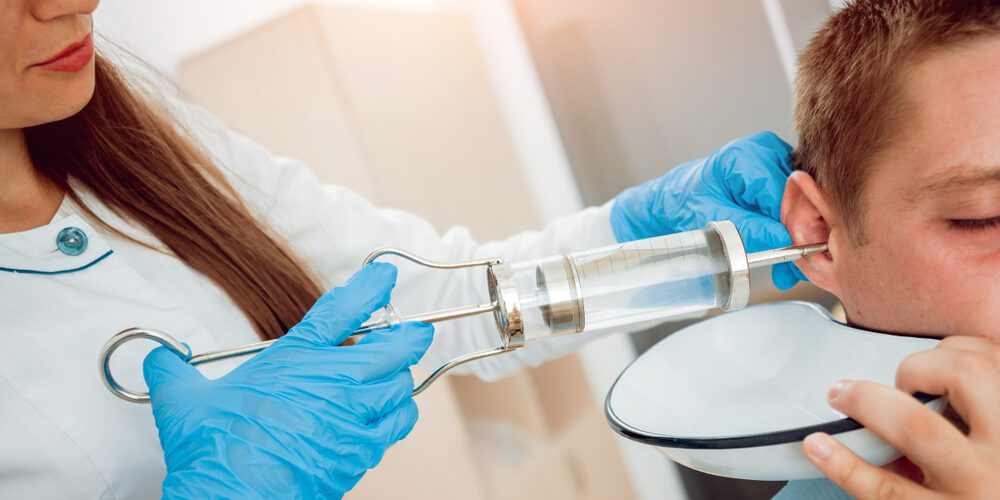
For most people, the ear canal is self-cleaning, and it is usually unnecessary to remove earwax unless it causes symptoms or makes it difficult for a healthcare professional to examine the ear.
Earwax contains many different substances
Earwax is produced from glandular secretions and dead skin cells.
Also read: Millions take glucosamine, but evidence remains unclear
It contains fats, proteins, cholesterol, amino acids, and a variety of other organic compounds.
It may reflect the body's condition
Research published in Biochemia Medica explains that earwax may reflect the body's metabolism, microbiome, and overall physiological condition because it also contains substances originating from the bloodstream.
Two common types of earwax
Earwax is generally classified into two types: wet and dry.
The wet type is stickier and contains more fats, while the dry type has a lower fat content and is typically grayish and brittle.
Genetics play an important role
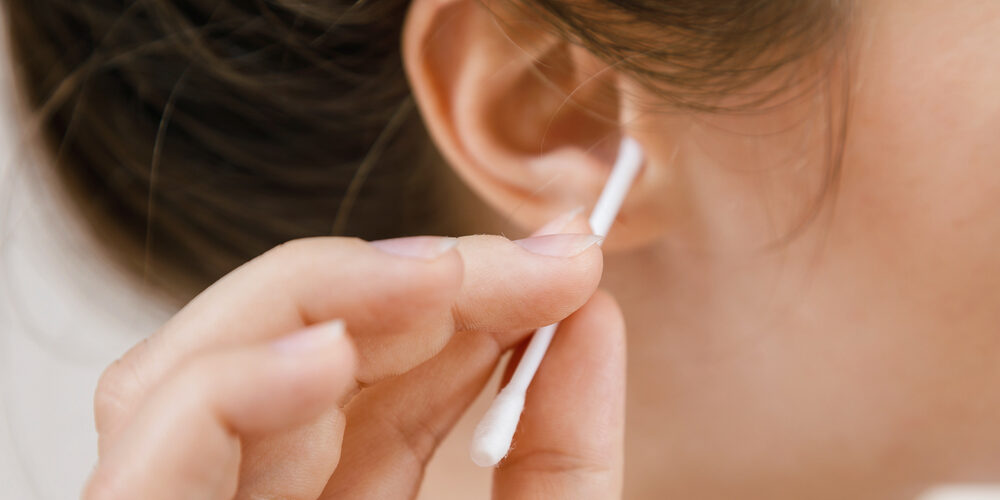
Differences between wet and dry earwax are largely linked to variations in the ABCC11 gene.
The two types occur at different frequencies across various population groups.
Age and health affect earwax

Children's earwax is often softer and more moist than that of adults.
As people age, earwax generally becomes drier and harder. Hormones, medications, and certain illnesses can also alter its composition.
Also read: New study: Sleep, exercise, and mood are connected – but not in the same way for everyone
Earwax has its own microbiome
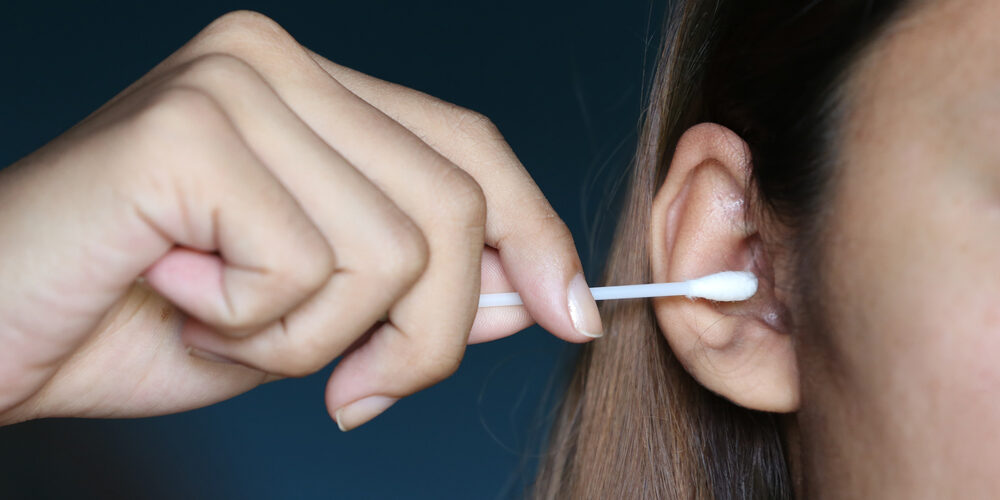
Healthy earwax contains bacteria and fungi that naturally inhabit the ear canal.
This balance can be affected by factors such as moisture, injuries, hearing aids, and changes in the immune system.
The smell can provide important clues
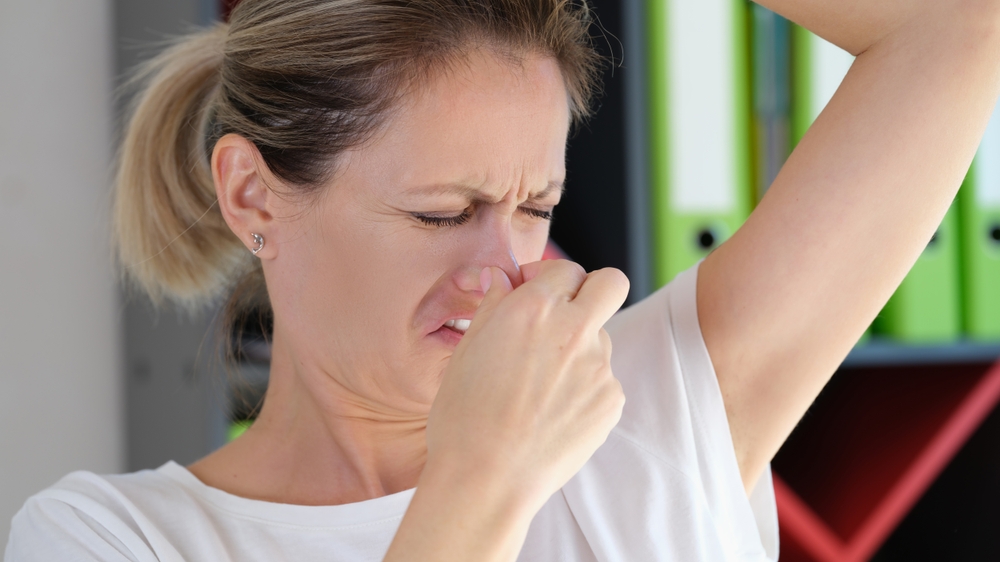
An unusual odor from earwax may be associated with certain medical conditions.
Diabetes, for example, can alter the volatile organic compounds found in earwax, although this approach is not yet used as a routine diagnostic method.
Also read: These symptoms alongside a headache could require immediate action
Consistency can change during illness

Very oily and excessive earwax has been observed in people with Parkinson's disease.
Increased earwax production has also been reported in individuals with psoriasis, while other changes may be linked to conditions such as eczema affecting the ear canal.
The color may be significant

Light-colored earwax is generally newer, while darker earwax is often older.
Green earwax may indicate an ear infection, while brown earwax containing red streaks could suggest an injury to the ear canal or a ruptured eardrum.
Also read: These foods may help keep your liver healthy
A bad smell should be taken seriously
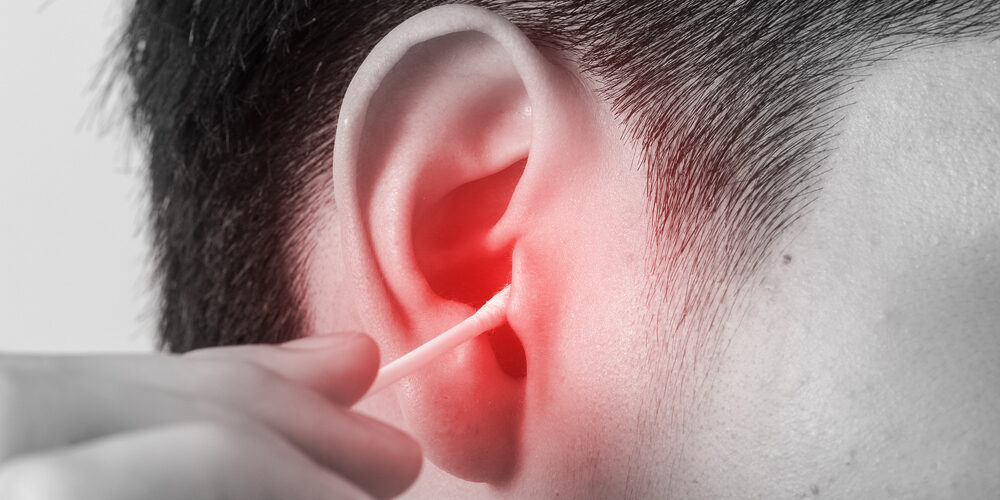
Foul-smelling yellow or green discharge from the ear may be a symptom of a serious ear canal infection, particularly in people with diabetes or weakened immune systems.
If a persistent odor is accompanied by pain or hearing loss, a medical evaluation is recommended.
New technology is studying earwax

Researchers are using metabolomics and advanced spectroscopic techniques to analyze earwax.
The goal is to identify biological markers that could eventually be used in medical diagnostics.
Research is still limited

The research remains at an early stage, and significant differences between individuals make it difficult to establish reliable reference values.
There is also a need for standardized methods of collecting and storing earwax samples.
Cotton swabs can cause problems
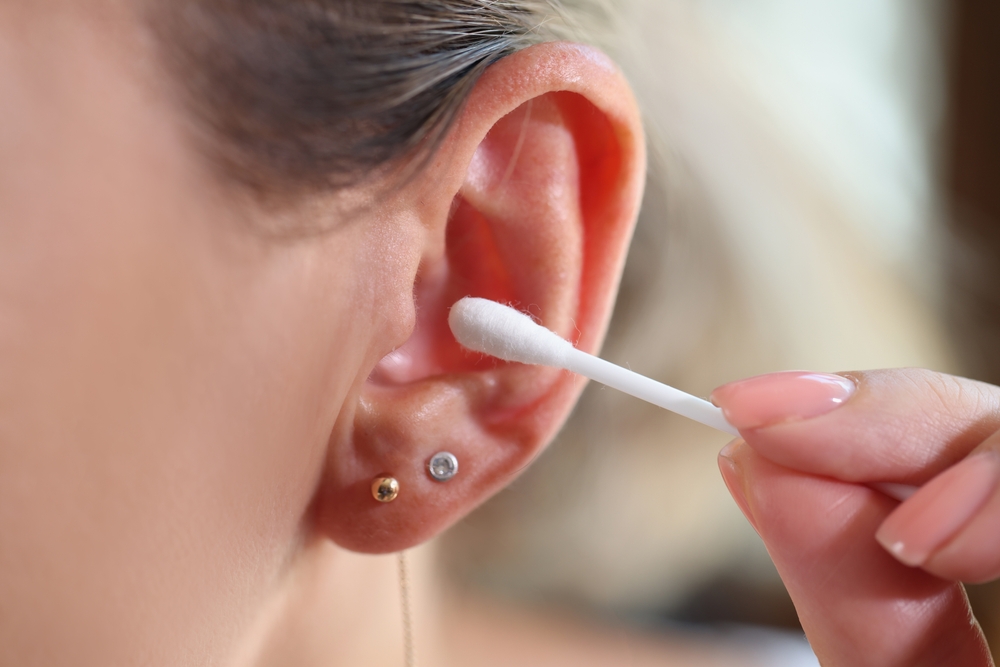
If treatment is needed, approved methods such as earwax-softening drops, ear irrigation, or removal by a healthcare professional are recommended.
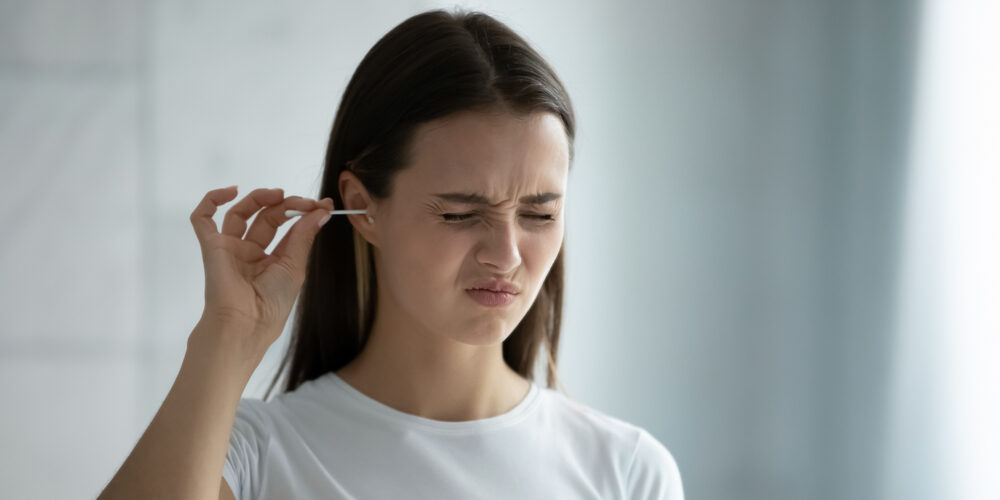
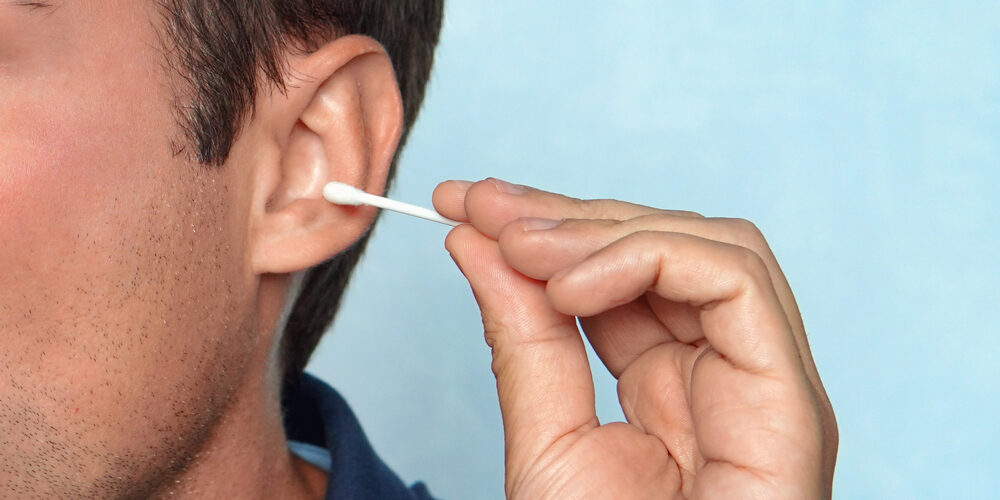
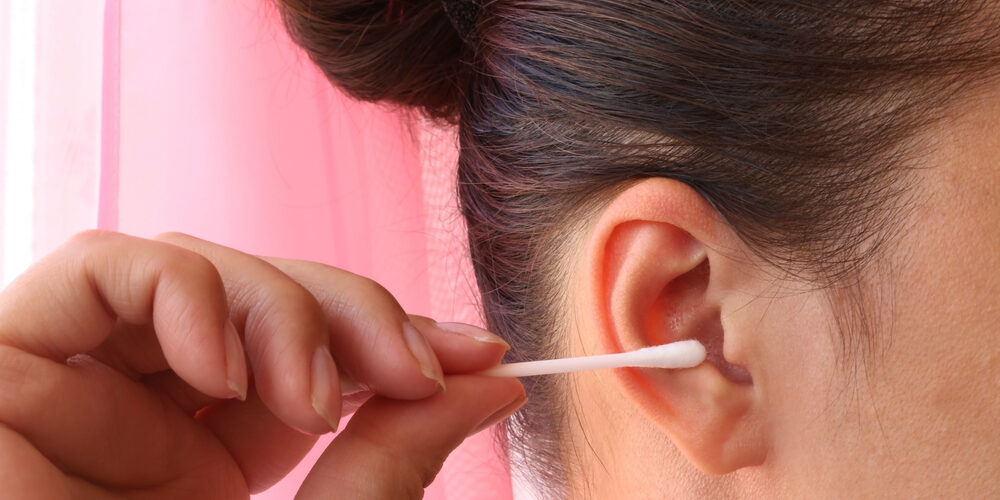
Using cotton swabs or other objects inside the ear canal can increase the risk of blockages, injuries, and infections.
This article is made and published by Ida-Marie Palm Varbæk, who may have used AI in the preparation.