
Small changes to everyday routines can make a big difference in children's eating habits.
According to the BBC, the way vegetables are presented can influence what children choose to eat throughout their lives.
Early exposure
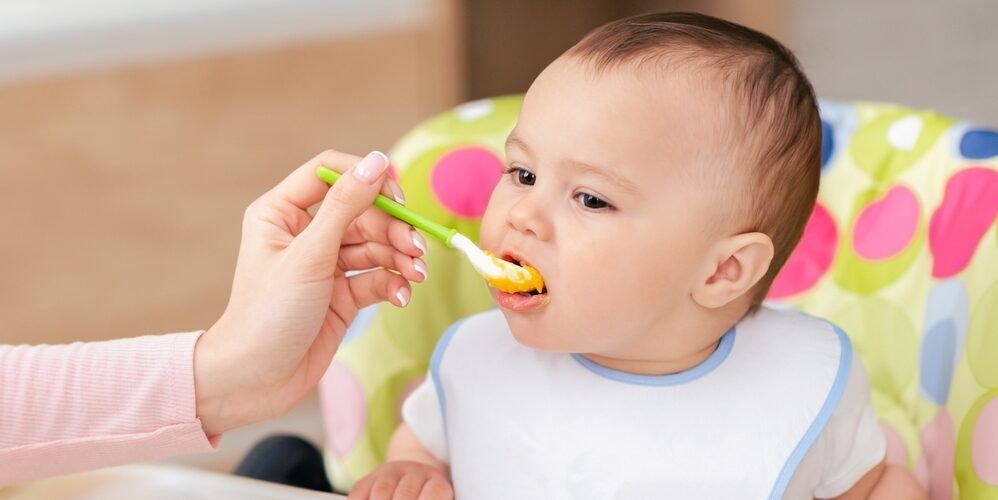
Research suggests that the first years of life are the most important period for introducing children to a wide variety of vegetables.
The earlier children experience new flavors, the more likely they are to accept them.
Also read: Fresh research examines creatine’s impact on hair health
Repeated exposure
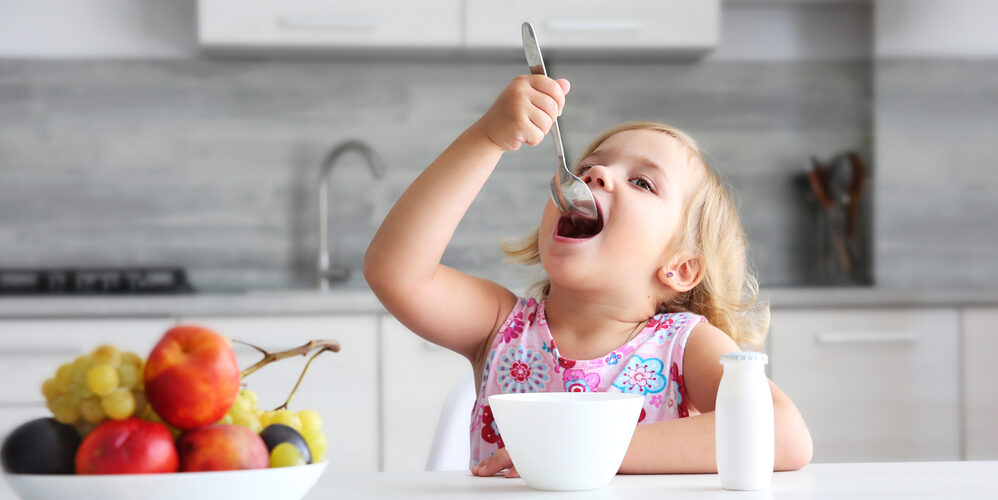
It is perfectly normal for children to be offered the same vegetable several times before they accept it.
The number of attempts needed varies from child to child.
Taste preferences begin early
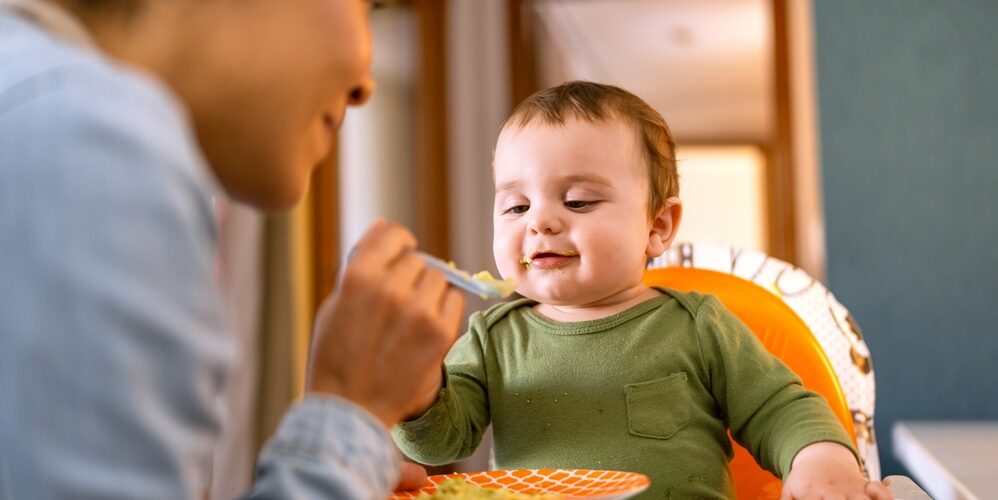
The BBC reports that a child's taste preferences may begin developing during pregnancy, as the mother's diet can influence the flavors present in the amniotic fluid.
Serve vegetables first
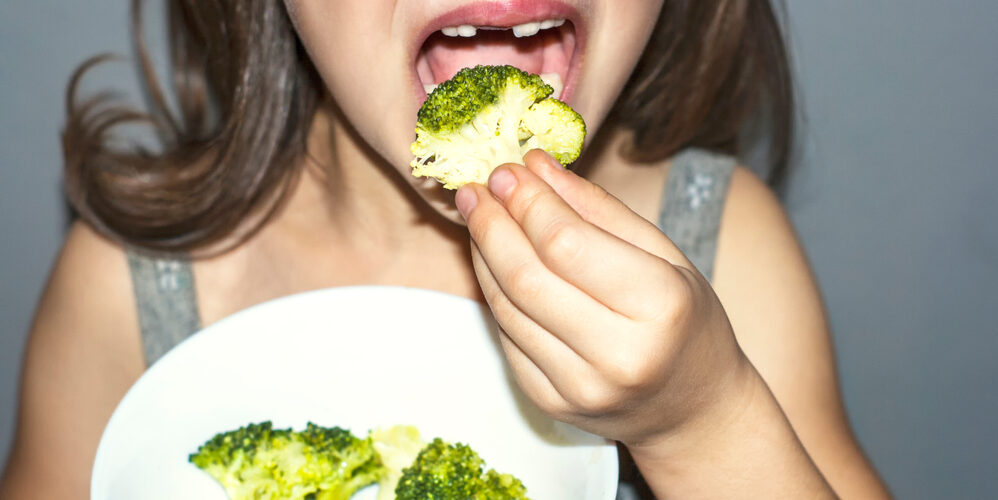
Children are more likely to eat vegetables if they are served first, while they are still at their hungriest.
Also read: Avocado has many benefits – but watch the calories
Reduce competition
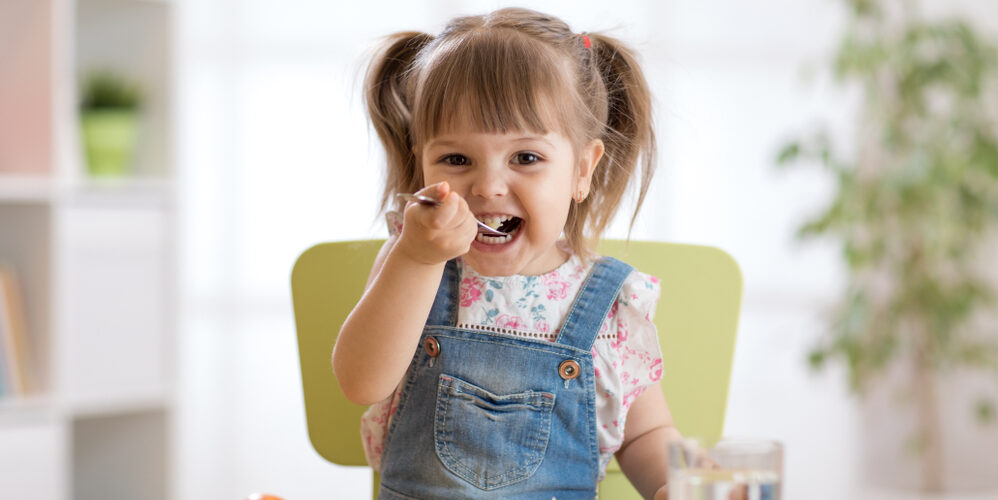
When vegetables are served before more calorie-dense foods, they do not have to compete with the foods children often prefer.
Fill more of the plate with vegetables
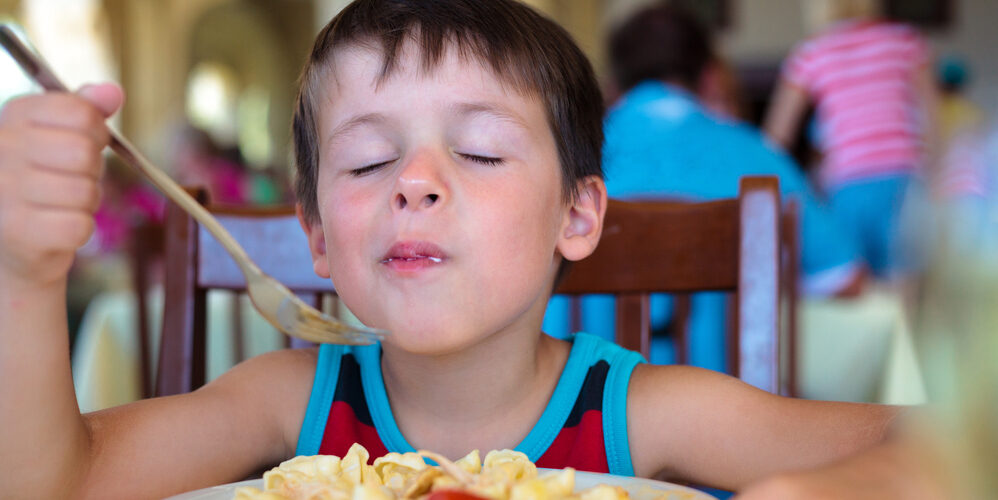
A study published in Appetite found that children eat more vegetables when they make up a larger portion of the meal.
Vegetables can also be grated into foods such as sauces.
Offer more choices
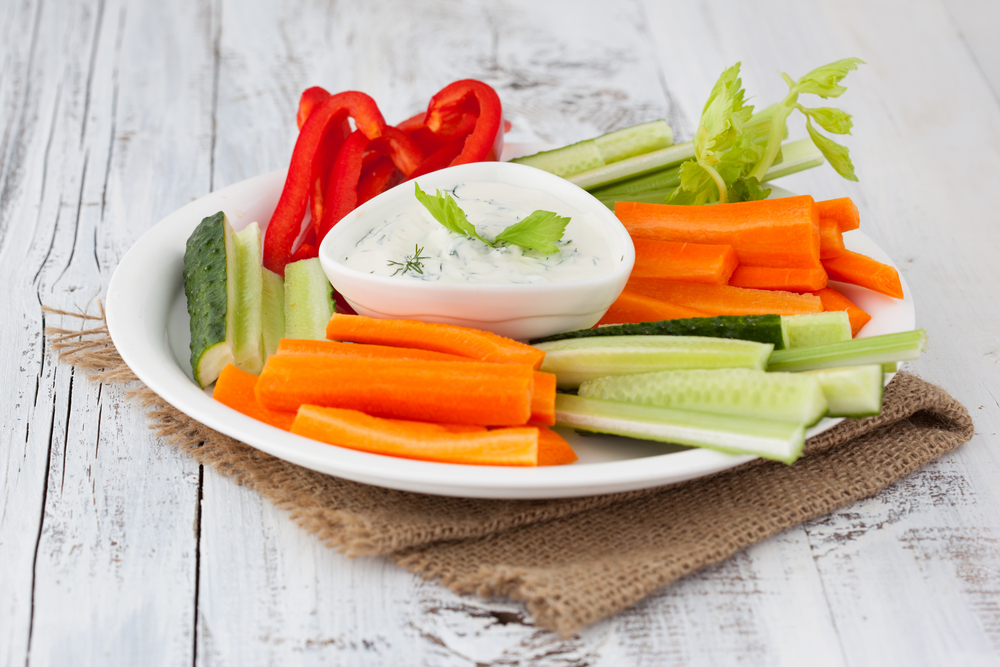
Preschool children tend to eat more vegetables when they can choose from several different types during a meal.
Also read: Your body could be sending these warning signs years before illness
Make food appealing
Children are more likely to be tempted by vegetables when they are presented creatively or cut into fun shapes.
Make vegetables easy to grab
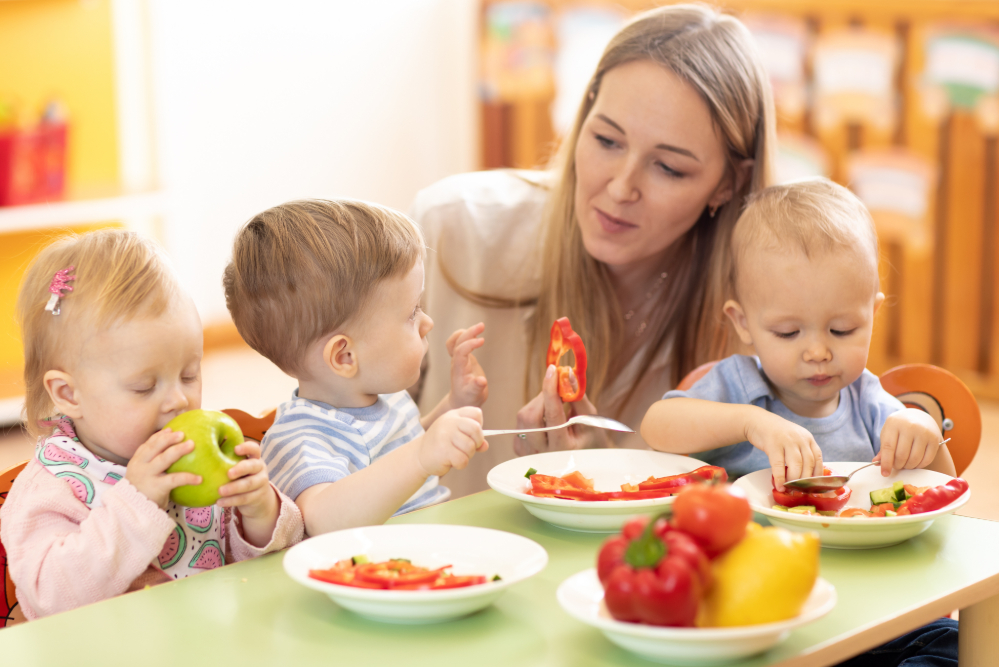
According to research published in JAMA Pediatrics, children may eat more vegetables when they are clearly visible, easily accessible, and served in appropriate portions.
Eat together
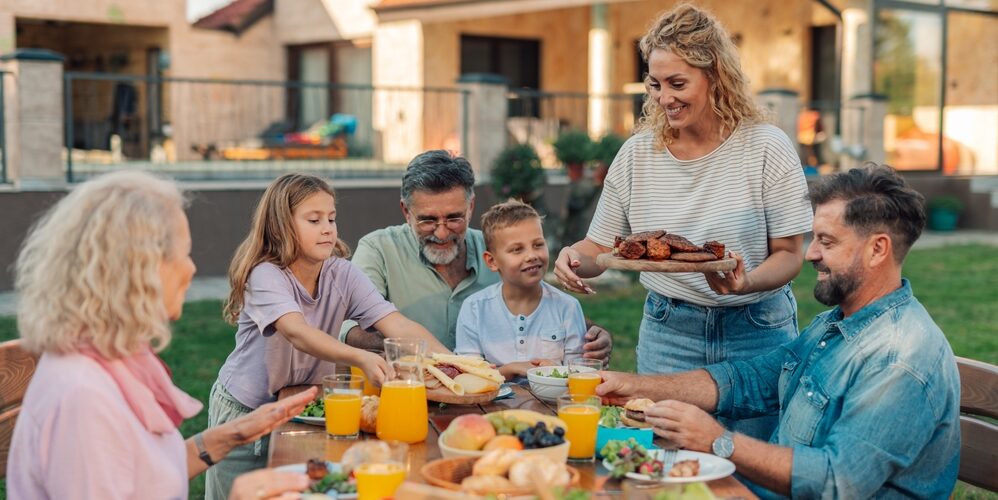
Regular family meals are associated with healthier eating habits.
According to a study published in Frontiers in Psychology, children are strongly influenced by the foods their parents eat.
Also read: Your bed sheets may be dirtier than a toilet seat
Avoid pressure
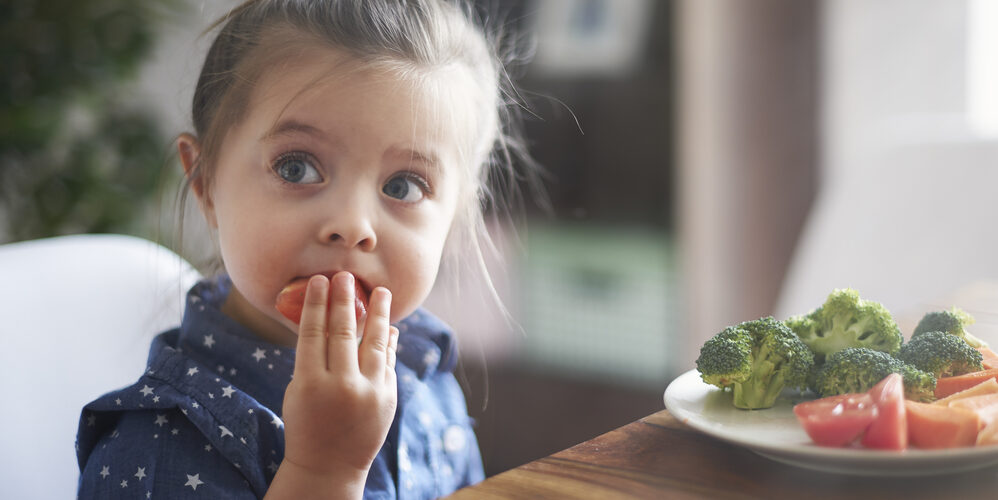
The BBC highlights that pressuring children to eat certain foods or rewarding them with unhealthy snacks can have the opposite effect.
Let children play with food
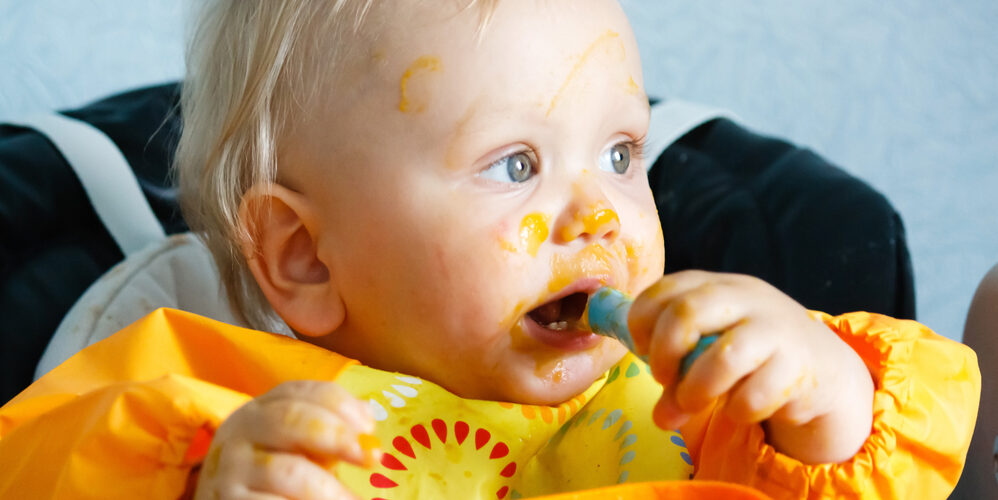
Research published in the International Journal of Gastronomy and Food Science shows that children become more open to trying new ingredients when they are allowed to touch, smell, and explore them without being expected to taste them.
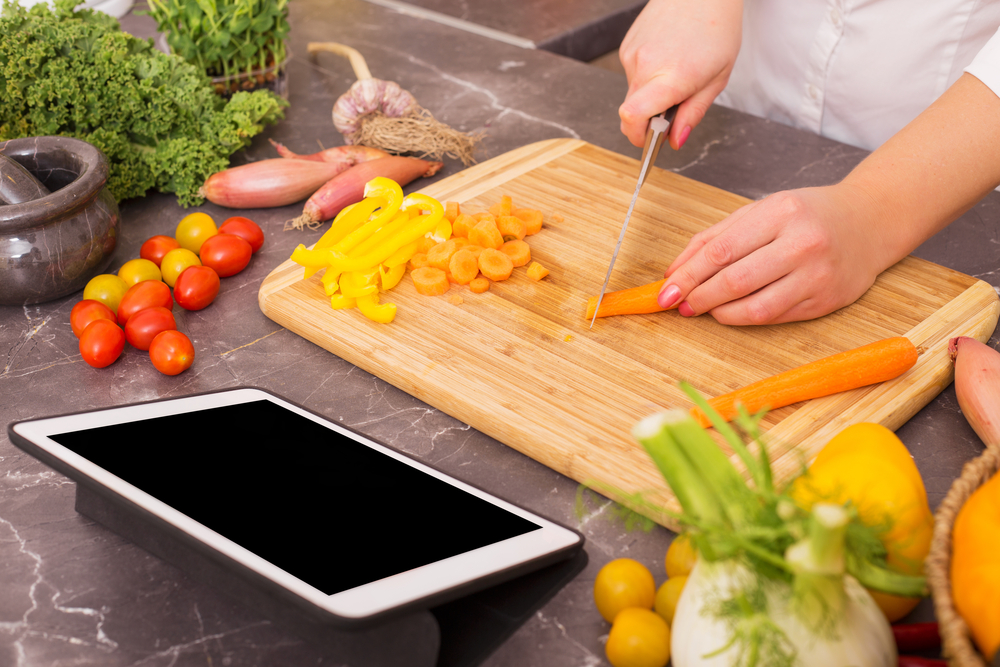
Let children help with cooking
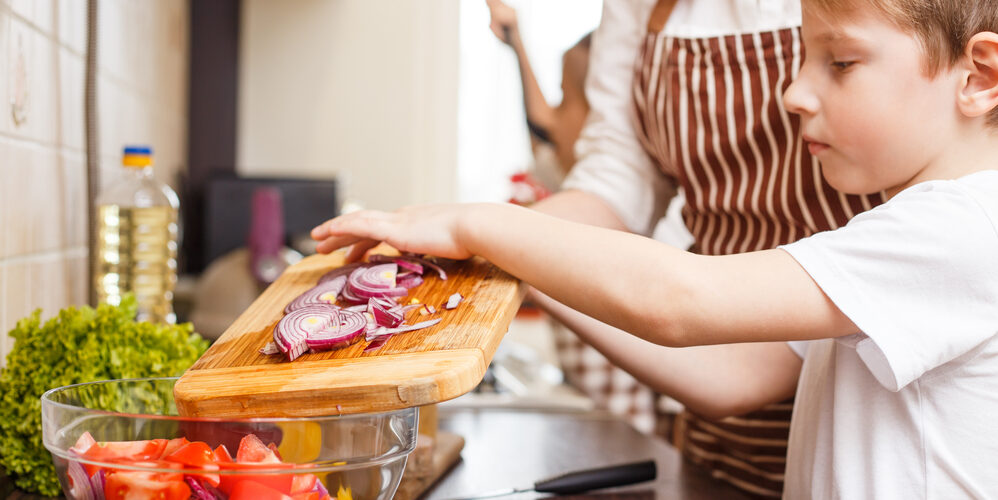
According to the BBC, children who take part in cooking become more interested in tasting foods they have not tried before.
Also read: How to reduce swelling on hot summer days
This article is made and published by Ida-Marie Palm Varbæk, who may have used AI in the preparation.