
A fiber-rich breakfast that includes whole grains, is low in added sugar, and contains limited amounts of salt can be part of a diet that supports heart and cardiovascular health.
Here are the breakfast cereals and expert recommendations highlighted by EatingWell.
Whole grains and fiber are important
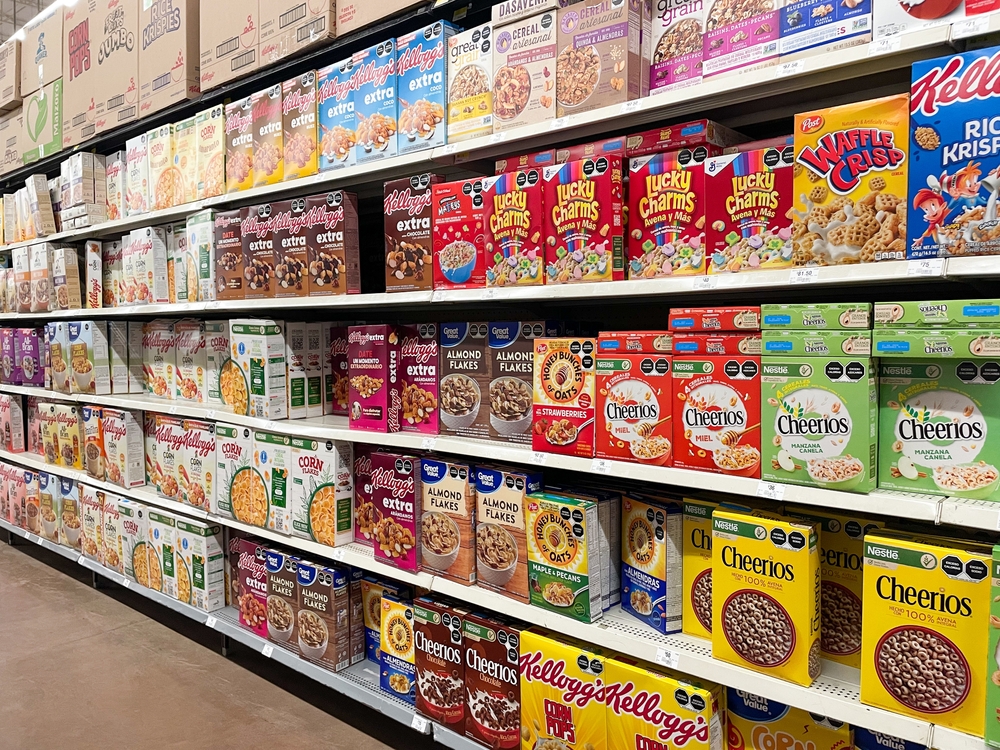
Experts recommend choosing breakfast cereals that are high in dietary fiber, low in added sugar, and preferably made with whole grains.
This combination may help support healthy blood sugar, blood pressure, and cholesterol levels.
Also read: New blood test could make unpleasant cancer examination unnecessary
Shredded Wheat
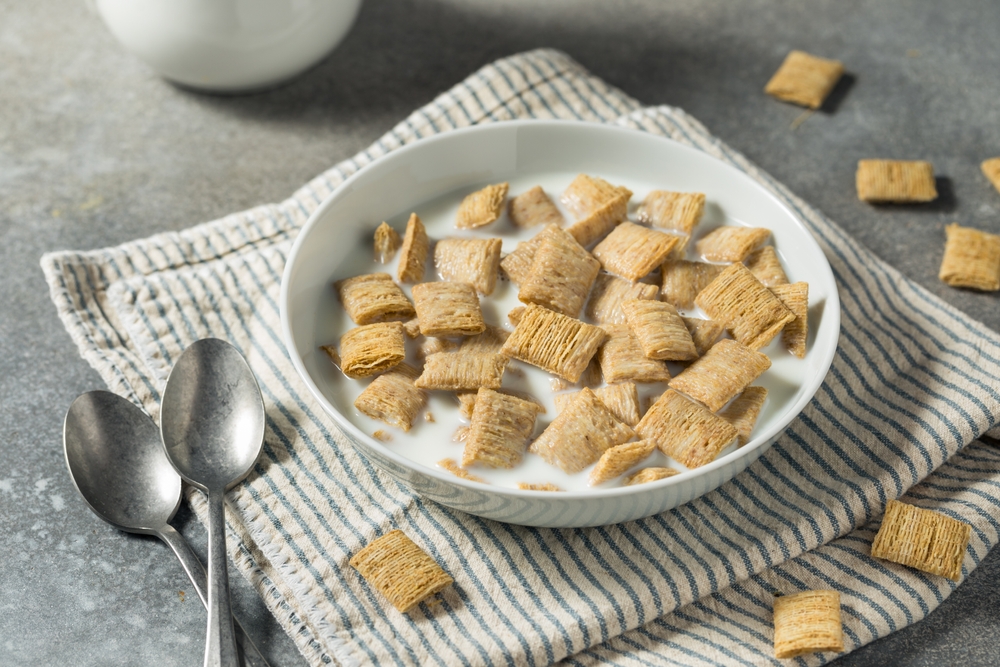
Unfrosted Shredded Wheat is highlighted because it contains 8 grams of fiber per serving, no added sugar, and no sodium.
Magnesium may offer benefits

Shredded Wheat also provides magnesium.
According to research published in the International Heart Journal, magnesium may be associated with a lower risk of stroke, particularly among women, although further research is still needed.
Less salt benefits the heart

Keeping sodium intake low may help reduce blood pressure and lower the risk of cardiovascular disease and stroke.
Also read: How to effectively disinfect your home after illness
For this reason, sodium-free breakfast cereals are considered a good choice.
Cascadian Farm
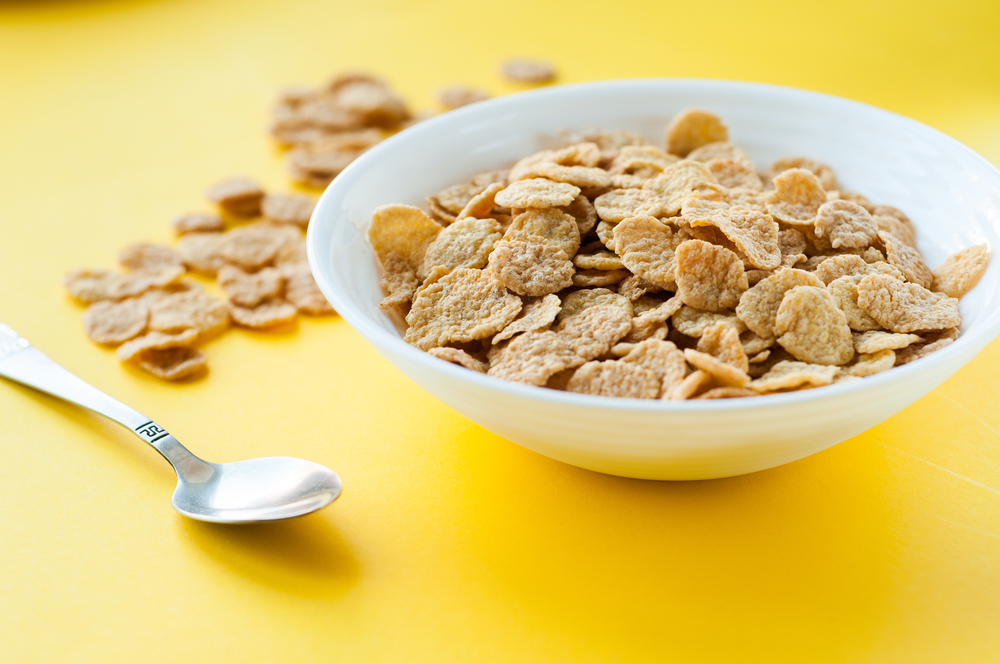
Cascadian Farm Organic No Added Sugar is available in the Vanilla Crisp and Mixed Berry varieties.
These cereals contain no added sugar and provide 5 grams of protein along with 5 to 6 grams of fiber per serving.
Fiber may help manage cholesterol

A registered dietitian told EatingWell that dietary fiber can reduce the absorption of cholesterol, which can otherwise build up in the arteries.
Also read: New test detects oral cancer with nearly 96 percent accuracy
High cholesterol can increase the risk of ischemic stroke.
Watch the sodium content
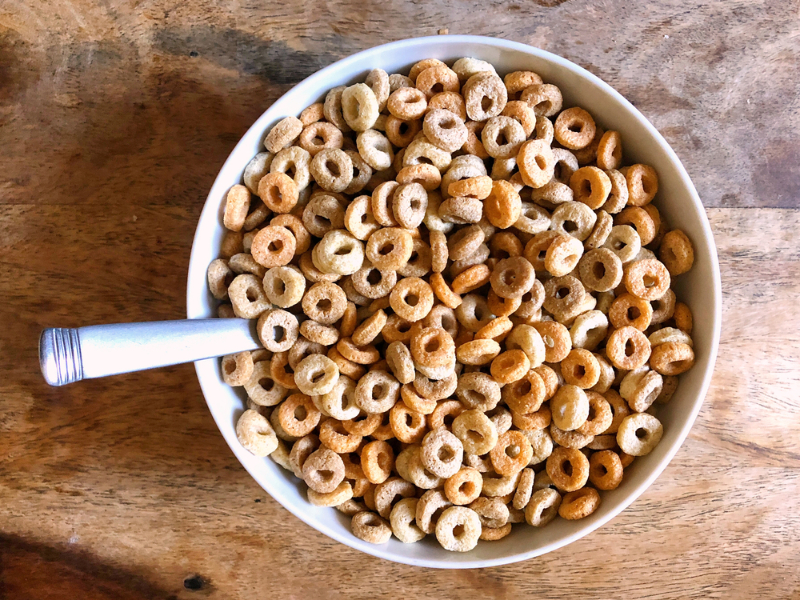
Although Cascadian Farm cereals are recommended, they contain between 390 and 400 milligrams of sodium per serving.
Registered dietitian Karen E. Todd told EatingWell that breakfast cereals with less than 140 milligrams of sodium per serving are the preferred option.
Grape Nuts
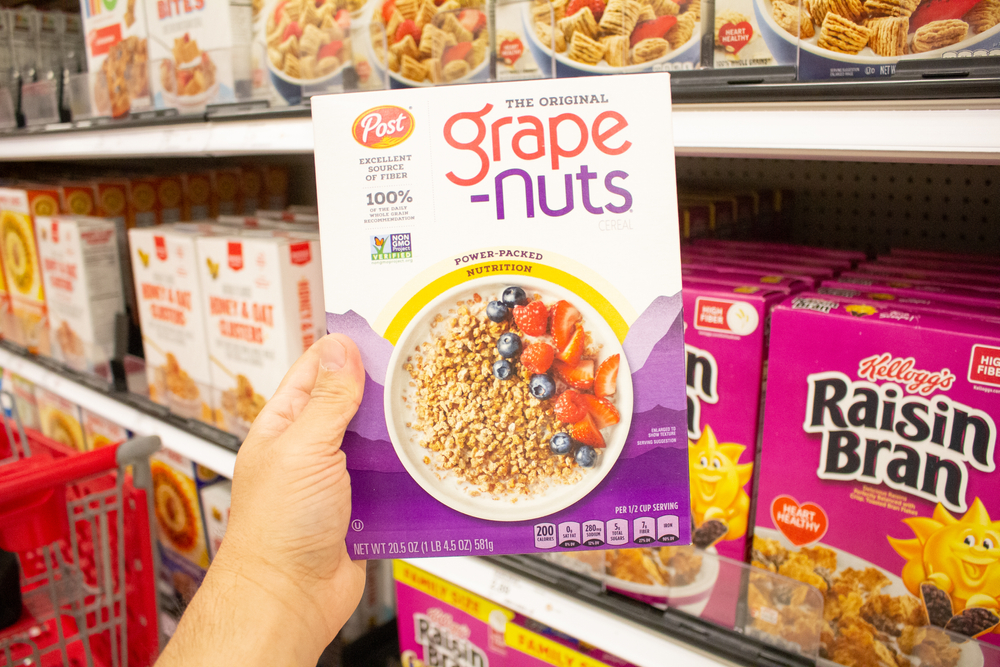
Grape Nuts The Original contains 7 grams of fiber per serving and no added sugar.
Also read: Adults with ADHD had fewer symptoms after 12 weeks of exercise
It also provides nutrients including iron, folate, vitamin B6, niacin, thiamin, zinc, and phosphorus.
Dietary folate is highlighted
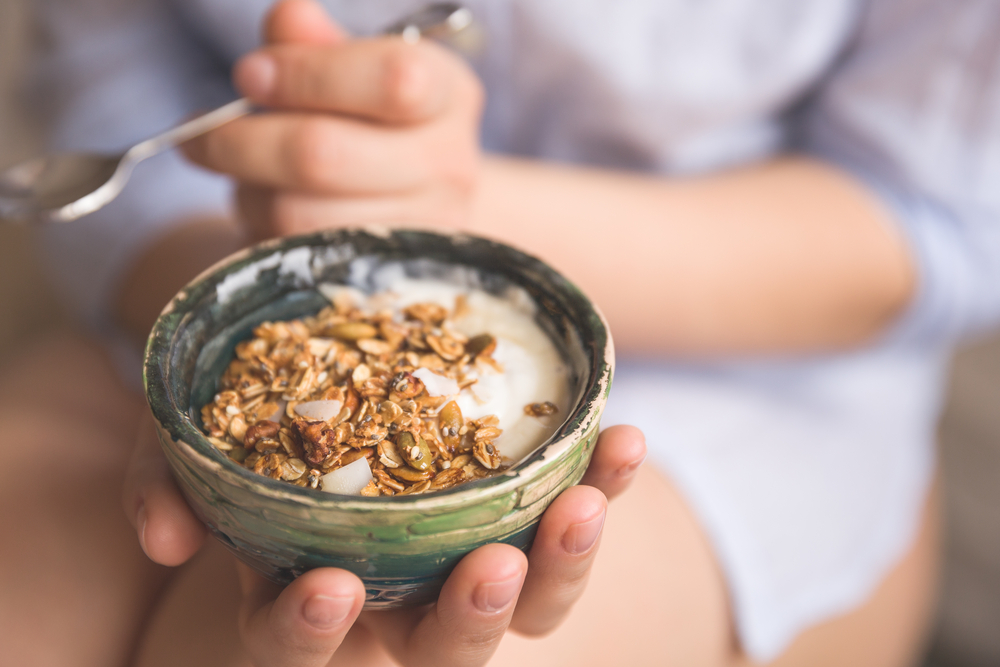
EatingWell notes that foods naturally rich in folate can be a good way to obtain the nutrient, as dietary supplements may have different effects depending on an individual's health.
Oats remain a classic choice
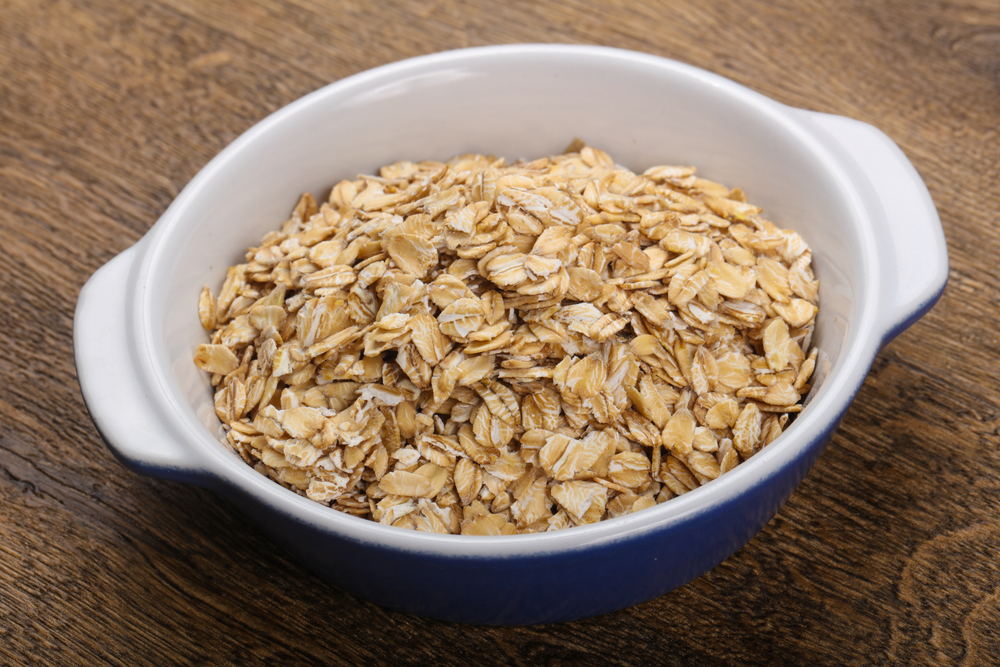
Traditional rolled oats contain 4 to 5 grams of fiber per half-cup serving.
Their soluble fiber, including beta-glucan, may help lower cholesterol and keep blood sugar levels more stable.
Also read: These types of medication can cause problems in the sun
Bran cereals are high in fiber
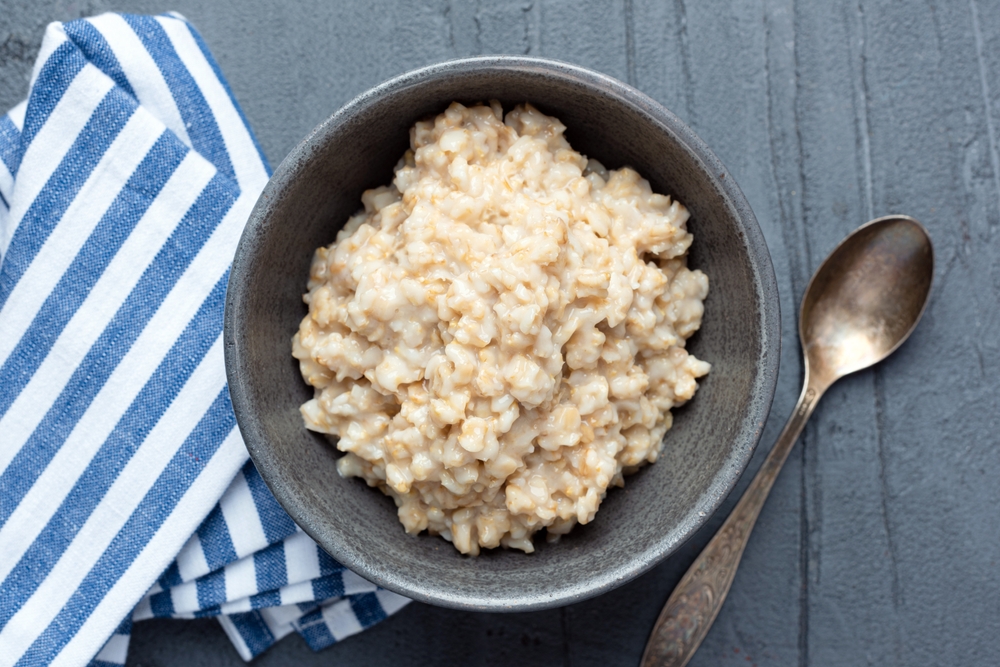
Bran-based breakfast cereals typically provide 5 to 7 grams of fiber per serving.
Many are also fortified with nutrients such as iron and vitamin D and may help support healthy blood pressure, cholesterol, and blood sugar levels.
Fruit and vegetables strengthen your breakfast

Experts recommend adding fruit or vegetables to your breakfast.
Foods rich in potassium may support heart health, and diets high in fruit and vegetables are associated with a lower risk of stroke.
Add healthy fats
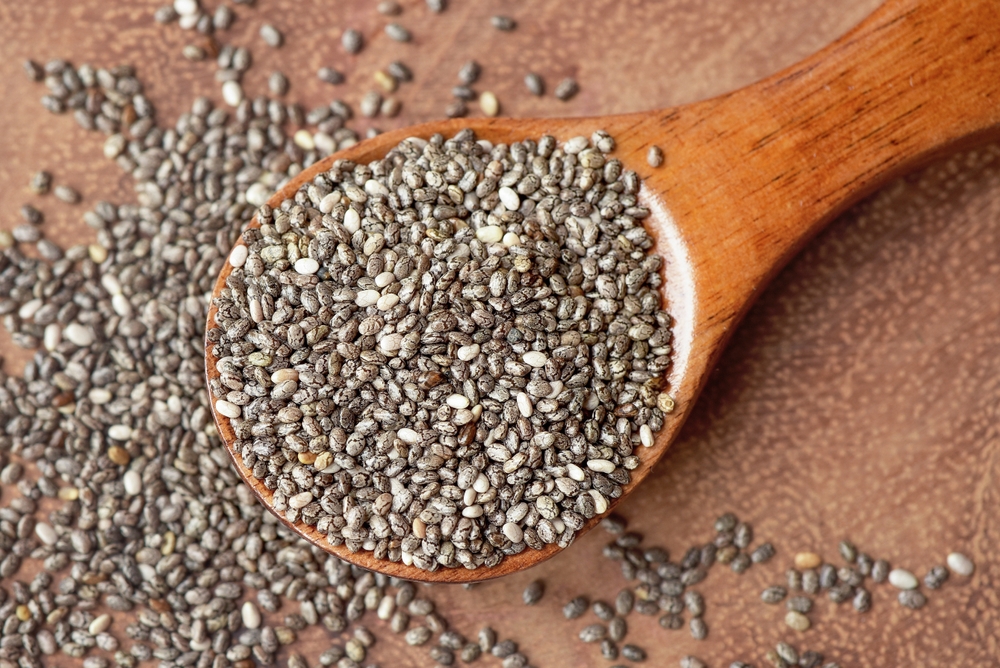
Nuts, along with chia seeds, flaxseeds, or hemp seeds, can add healthy fats that, according to EatingWell, may help improve levels of HDL, often referred to as "good" cholesterol.
This article is made and published by Ida-Marie Palm Varbæk, who may have used AI in the preparation.