
Heatstroke has become a real risk as extreme temperatures become more common around the world.
By recognizing the body's warning signs and understanding what causes the condition, it is possible to act in time and reduce the risk of serious consequences, according to Quotidiano.
Heatstroke has become a greater risk

Extreme temperatures mean that heatstroke no longer affects only older adults, children, and other vulnerable groups.
Anyone who spends too much time in extreme heat can be affected.
Also read: Doctor calls sodas “liquid death” – more experts share the concern
Outdoor work increases the risk
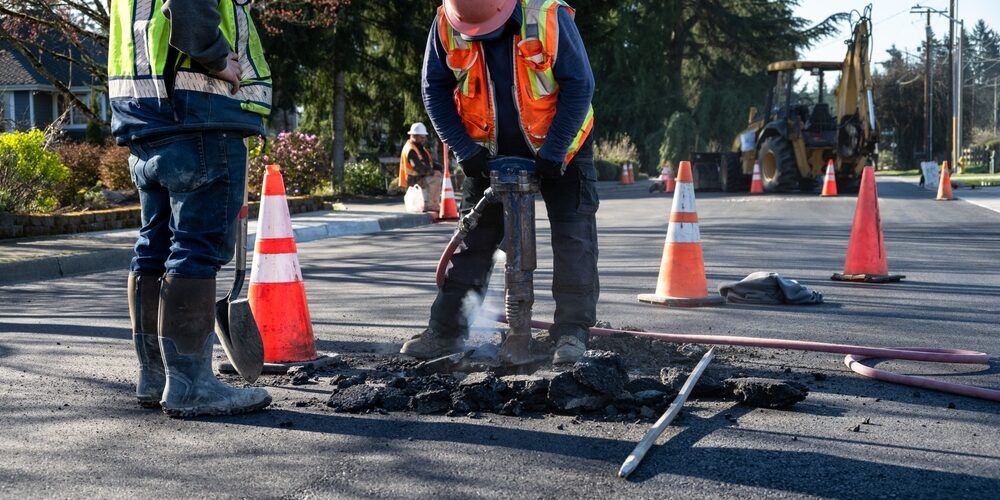
People working on construction sites, in agriculture, on scaffolding, or as bicycle couriers are among those at the highest risk.
Exercising in hot weather can be dangerous

Physical activity outdoors on very hot days or in hot and humid conditions can make it difficult for the body to dissipate excess heat.
The consequences can be serious

Heatstroke can develop into a life-threatening condition, making it important to understand its causes, symptoms, and ways to prevent it.
What is heatstroke?

Heatstroke, also known as hyperthermia, occurs when the body is exposed to high temperatures for an extended period, causing body temperature to rise to dangerously high levels.
Also read: Olivia de Havilland lived to 104 - these three things she believed were the key
Heat and humidity
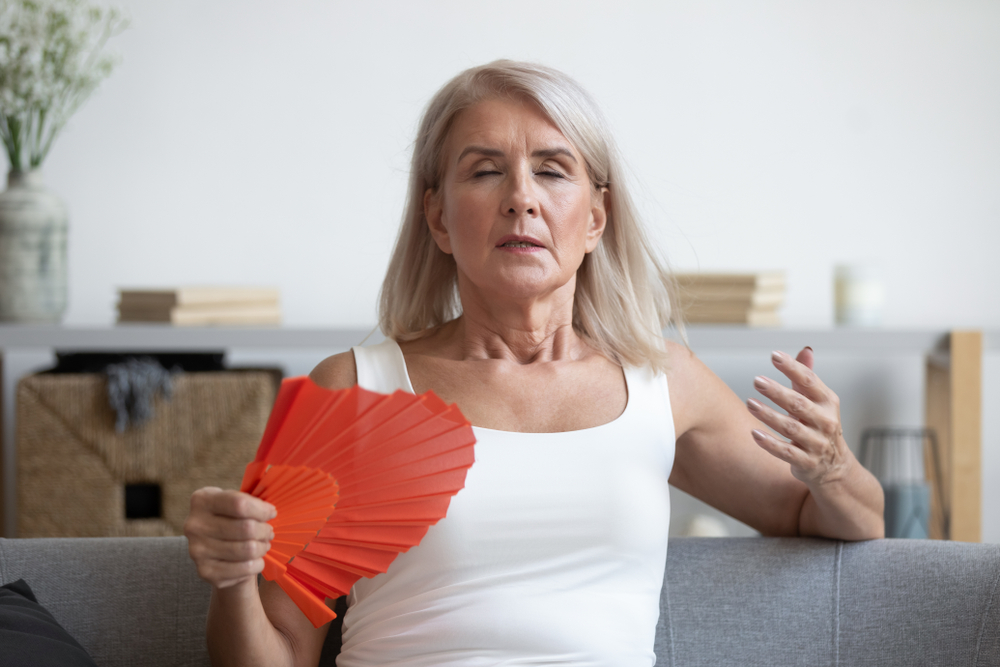
The combination of high temperatures and high humidity makes it harder for the body to cool itself through sweating, meaning it absorbs more heat than it can release.
Poor ventilation can make the problem worse
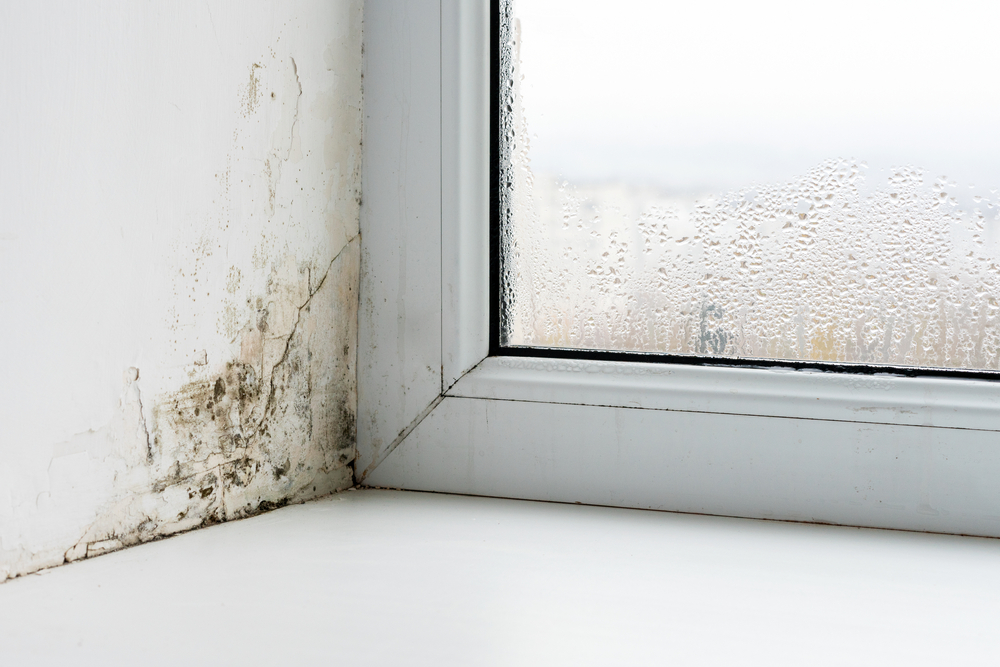
Spending time in poorly ventilated indoor spaces can also contribute to heatstroke because the body has greater difficulty dissipating excess heat.
Some groups are more vulnerable

Children, older adults, dehydrated individuals, people with heart disease, and those performing strenuous physical work are at greater risk of developing heatstroke.
Heatstroke is not the same as sunstroke

Sunstroke is caused by prolonged exposure to direct sunlight, whereas heatstroke can also occur without direct sun if the body becomes dangerously overheated.
A high body temperature is a key warning sign
One of the most characteristic symptoms is a body temperature approaching 40°C (104°F).
The body responds with several symptoms

Heatstroke can cause nausea, vomiting, flushed skin, rapid breathing, a fast heart rate, headaches, muscle cramps, weakness, and confusion.
In severe cases, the affected person may lose consciousness.
Symptoms can worsen over time

The condition may begin with symptoms such as headaches, nausea, and muscle cramps, but it can progress to a very high fever, severely low blood pressure, and pronounced confusion.
Dark urine can be a warning sign

Heatstroke often leads to dehydration, which may be indicated by very dark, concentrated urine or by producing very little urine.
Reduced urination may indicate serious problems

If a person urinates much less than usual or not at all, it may be a sign of severe dehydration.
In the most serious cases, the extremely high body temperature can affect kidney function.
Also read: How a week without alcohol can affect your sleep
This article is made and published by Ida-Marie Palm Varbæk, who may have used AI in the preparation.