
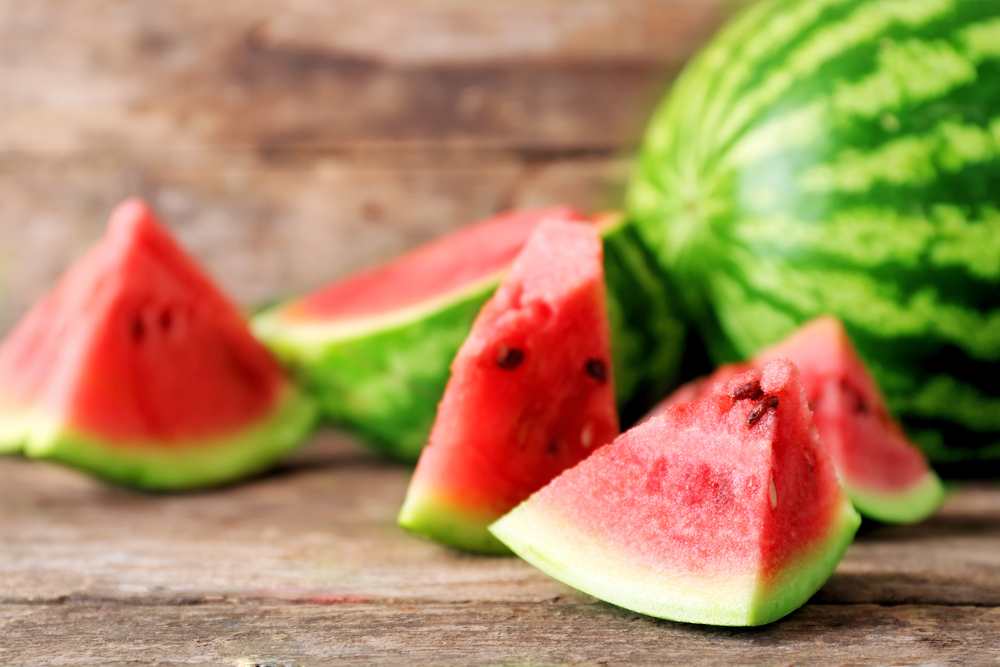
A dietitian ate one cup of watermelon every day for several weeks to see what changes she noticed.
According to Prevention, these were her main observations.
A fixed portion every day

The dietitian ate one cup of diced watermelon every day, which corresponds to a standard serving.
Most often, she ate it on its own.
Also read: 7 early warning signs of bladder cancer - and when to see a doctor
Watermelon was used in several ways
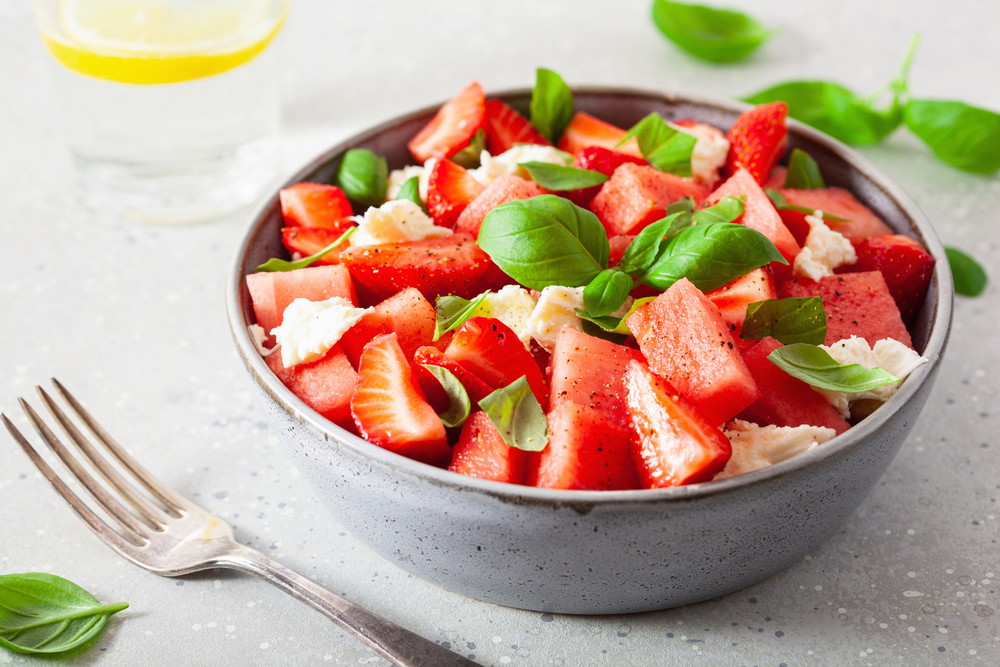
In addition to eating it plain, she also made a salad with feta cheese and used watermelon in smoothies.
The biggest difference

The most noticeable change was that she felt better hydrated.
On hot days, she found watermelon to be an easy way to increase her fluid intake.
The experience was not a scientific study

She emphasized that this was her personal experience and not a controlled scientific study.
Also read: 8 warning signs you may have sleep apnea, and why it matters beyond loud snoring
Watermelon became a regular part of the kitchen
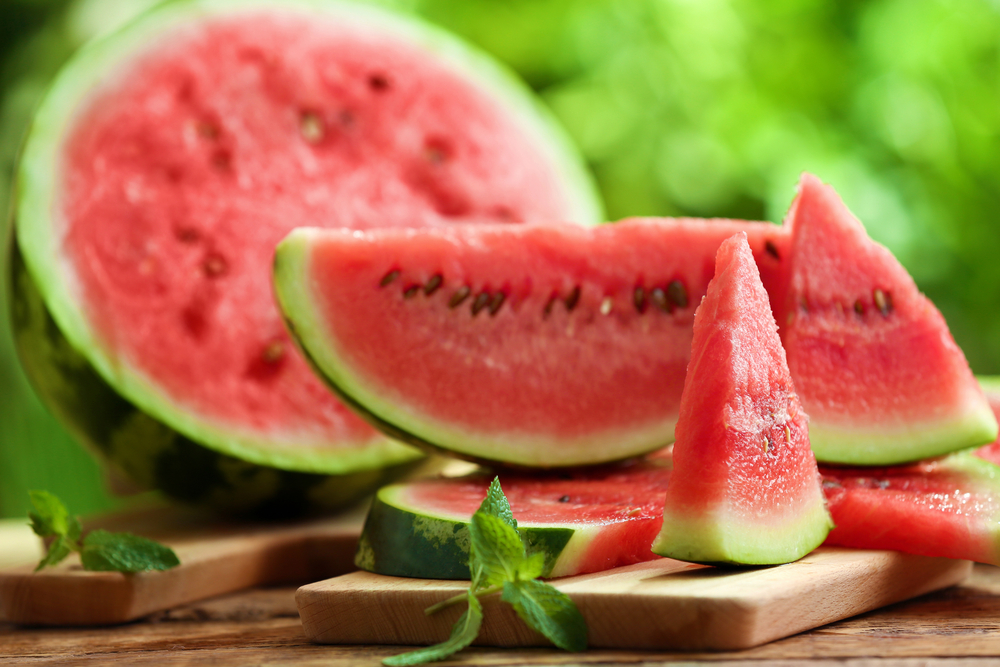
She discovered that the fruit could be used in many different dishes, including salads and granita, and that its natural sweetness paired well with summer meals.
She noticed no significant health changes

During the period, she did not observe any clear changes in either her gut health or heart health.
Small habits can make a difference over time
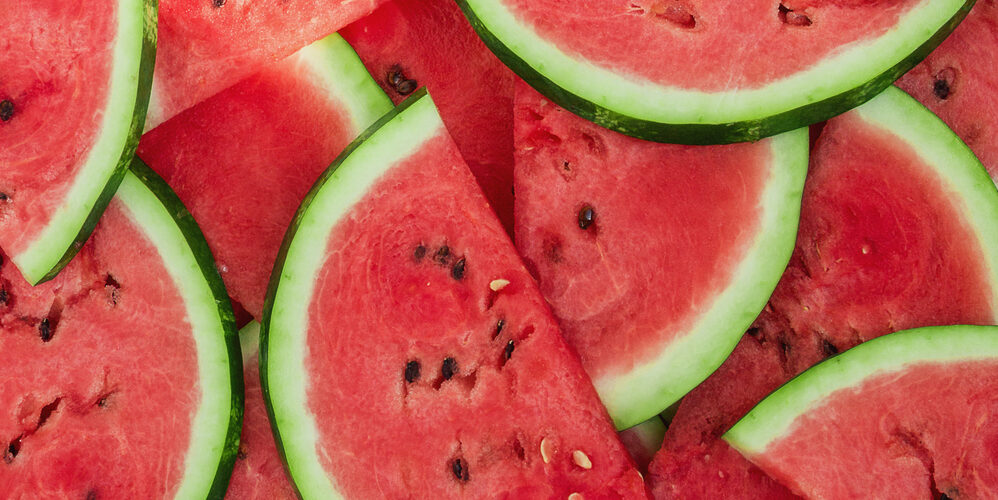
She pointed out that many health benefits develop gradually and that small, mindful choices can help build healthy habits over the long term.
Watermelon is mostly water

According to Prevention, watermelon is made up of about 92 percent water, making it one of the most hydrating foods.
Also read: What your waist size can reveal about your heart, diabetes and longevity
The fruit also provides minerals

Watermelon contains nutrients such as potassium and magnesium, which Prevention says are important for maintaining fluid balance and supporting normal muscle function.
Watermelon contains lycopene
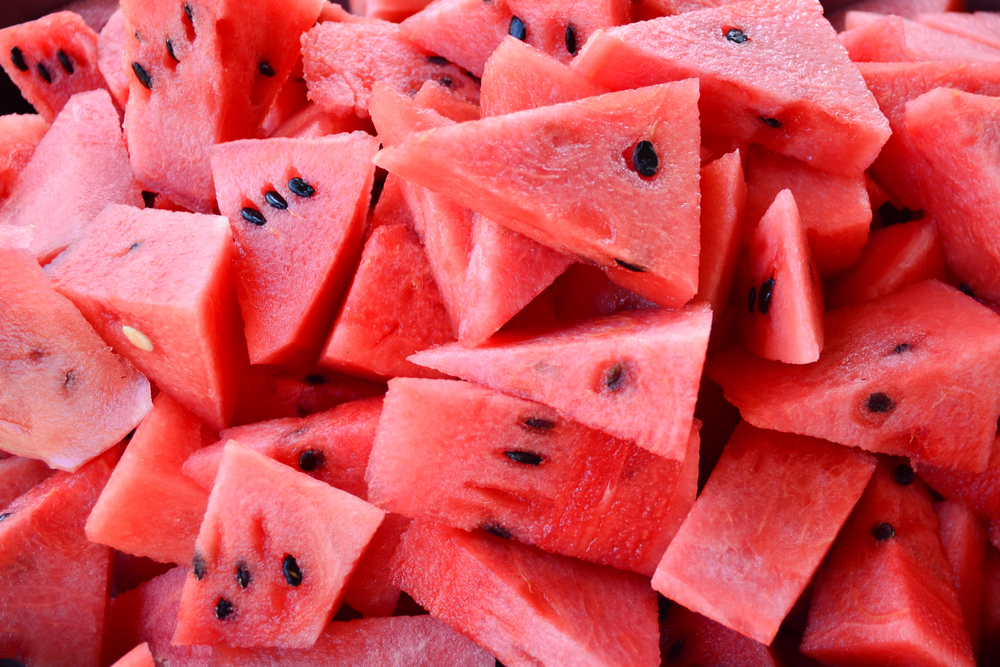
Its red color comes from the antioxidant lycopene.
According to Prevention, watermelon contains more lycopene than any other fresh fruit or vegetable.
L-citrulline is highlighted as an important compound
Watermelon also contains the amino acid L-citrulline, which the body can convert into L-arginine, a substance involved in the production of nitric oxide.
Also read: How eating blueberries every day can affect your heart, brain and blood sugar
May support heart and blood vessel health

Prevention explains that potassium and L-citrulline may help support normal blood pressure regulation and healthy circulation.
May be beneficial around exercise

A two-cup serving provides carbohydrates as well as water and potassium, which Prevention says may be beneficial before or after physical activity.
L-citrulline may also help reduce muscle soreness.
Focus on blood sugar
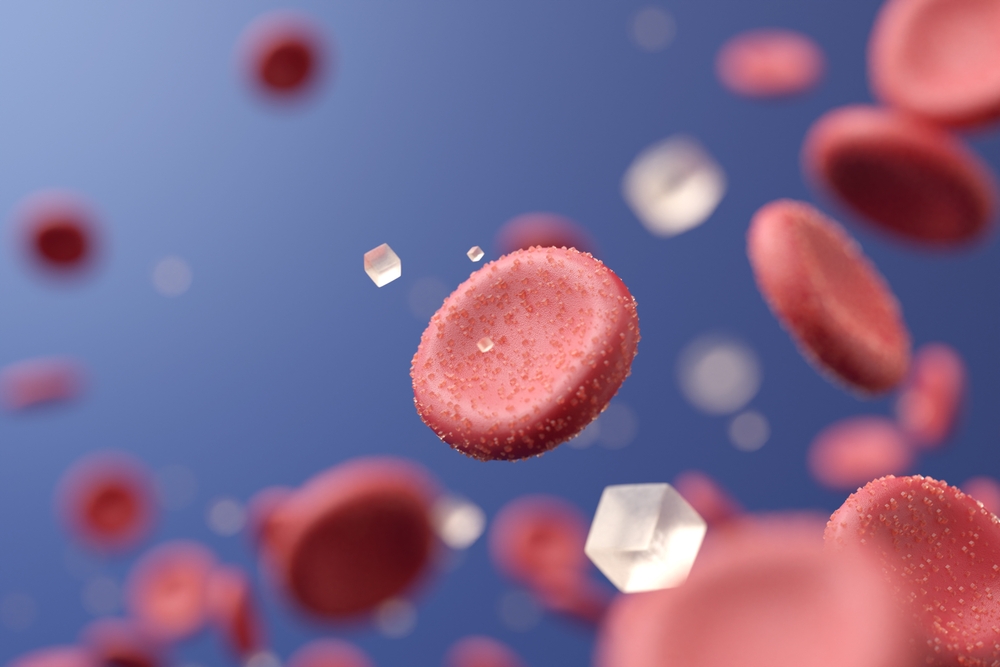
Prevention recommends that people monitoring their blood sugar pay attention to portion sizes and consider pairing watermelon with protein or healthy fats, such as feta cheese.
Also read: The truth about eating eggs after 60, according to experts
The conclusion was positive

The dietitian described the experiment as one of the most enjoyable healthy habits she has tried.
She found that watermelon fit naturally into her daily routine and provided a simple way to support hydration during the summer months.
This article is made and published by Ida-Marie Palm Varbæk, who may have used AI in the preparation.