
What you eat every day can have a significant impact on your digestion and the bacteria living in your gut.
Some foods help support a healthy gut environment, while others can make it more difficult for your body to maintain this balance, according to Verywell Health.
Kimchi
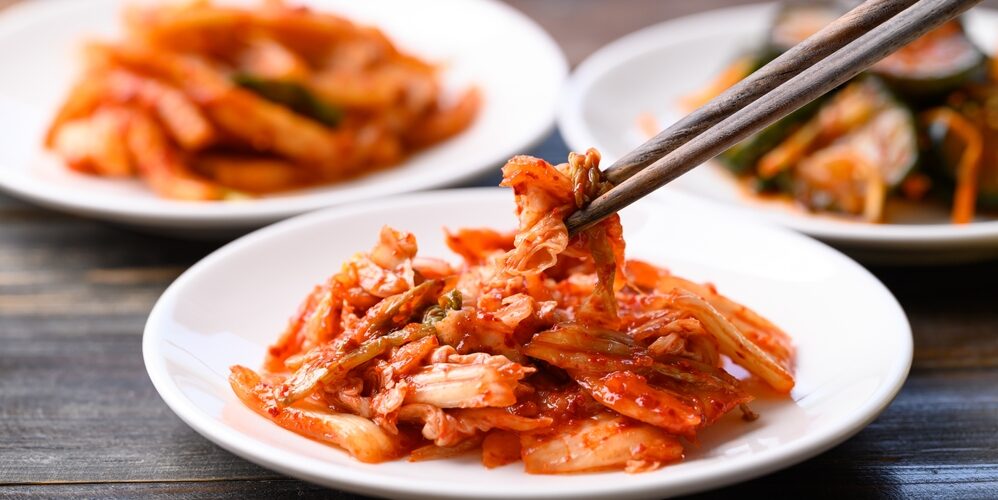
Kimchi is a fermented Korean vegetable dish that contains both probiotics and prebiotics.
The fermentation process also increases its content of vitamins and antioxidants, which may help support the immune system.
Also read: Do you use AI to count calories? New study raises doubts about its accuracy
Alcohol

Heavy alcohol consumption can damage the lining of the gut and reduce the number of beneficial bacteria.
It may also increase inflammation in the gut and contribute to increased intestinal permeability, according to a study published in Best Practice & Research Clinical Gastroenterology.
Fruits and vegetables
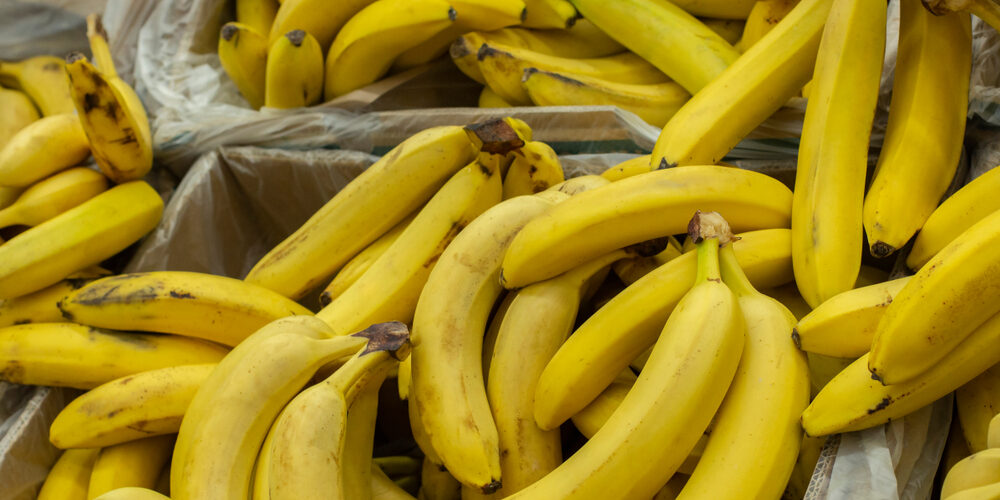
Fiber-rich foods such as apples, bananas, asparagus, and broccoli act as prebiotics.
They help feed beneficial bacteria and support regular digestion, according to a study published in the International Journal of Molecular Sciences.
Also read: Restricted eating hours may improve cognitive function
Kefir
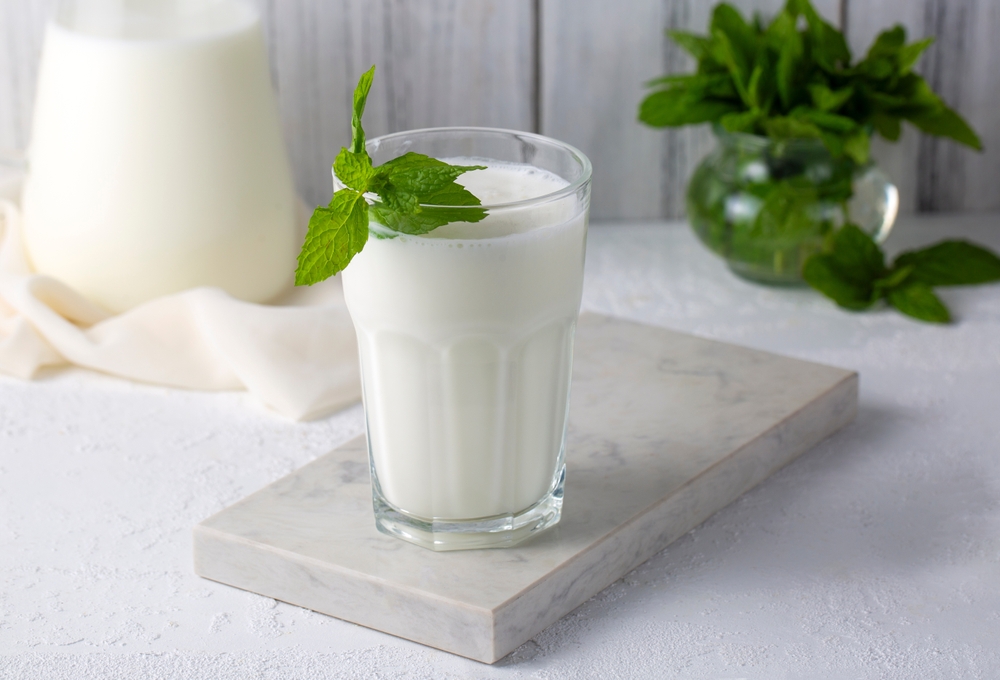
Kefir is a fermented milk drink that contains a wider variety of probiotic bacterial strains than yogurt.
It also provides nutrients including calcium, magnesium, and vitamin B12.
Artificial sweeteners
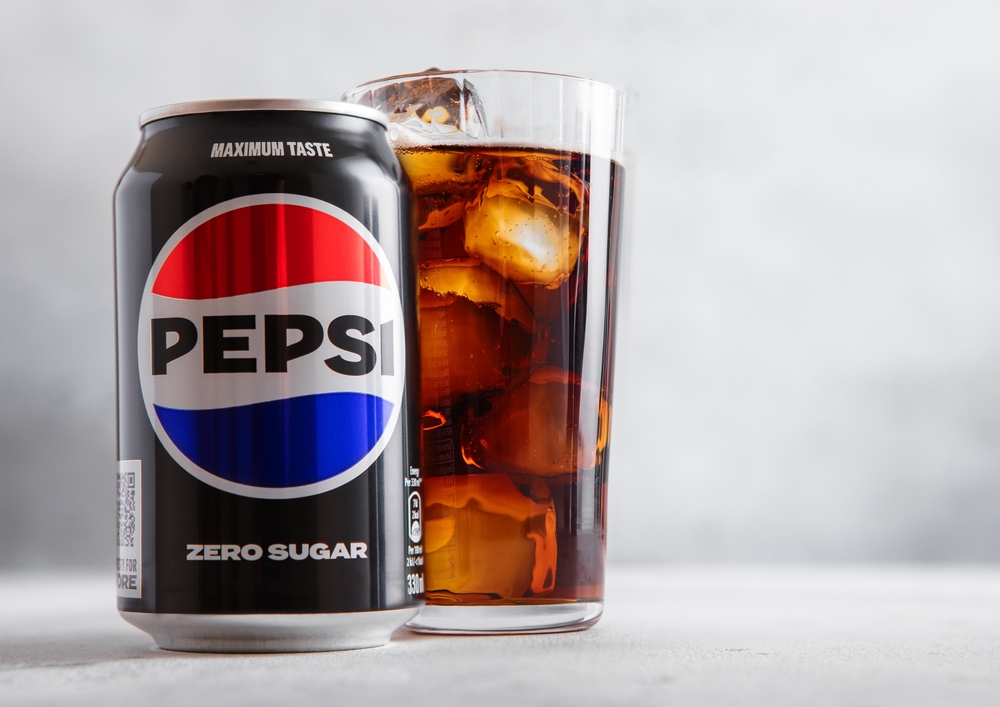
Sweeteners commonly found in diet soft drinks and sugar-free products may alter the balance of bacteria in the gut.
In some people, they may also cause bloating or gas, according to a study published in Nutrients.
Also read: A neurologist eats these five foods every day
Sauerkraut
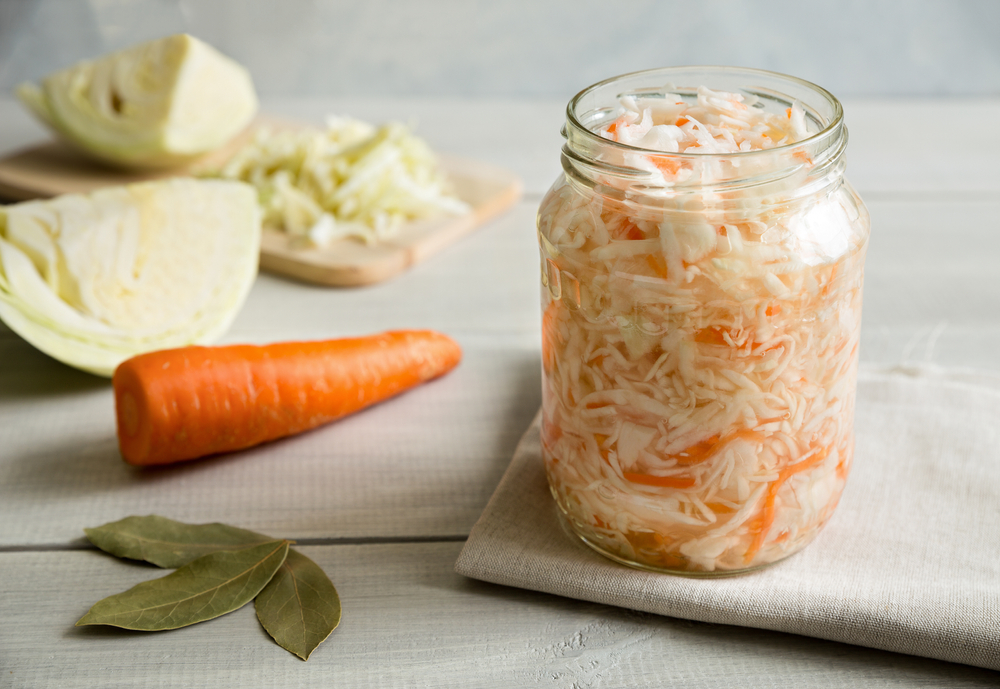
Fermented cabbage contains both probiotics and dietary fiber, which support healthy digestion.
It also provides vitamin C and antioxidants.
Processed foods

Highly processed foods often contain additives, refined sugar, and very little dietary fiber.
This may disrupt the balance of gut bacteria and increase inflammation, according to the same study published in the International Journal of Molecular Sciences.
Also read: Why a banana may be the perfect evening snack
Red and processed meat

A high intake of red and processed meat may encourage the growth of less beneficial gut bacteria.
Processed meat products also often contain preservatives and other additives.
Fried foods
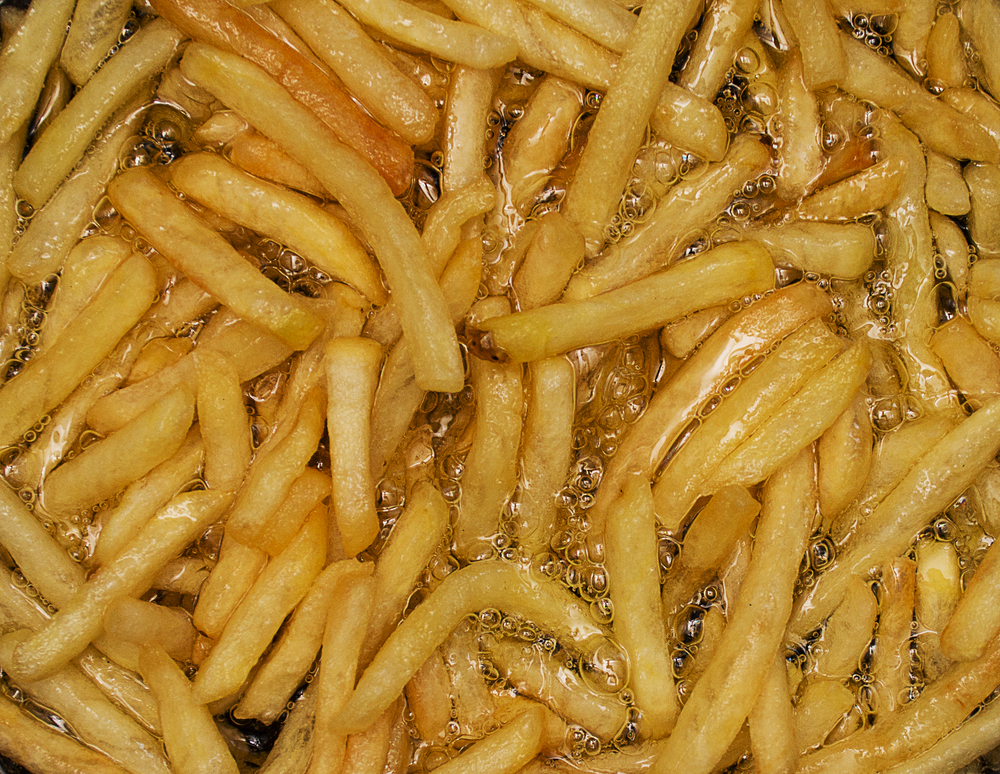
High-fat and deep-fried foods can put extra strain on the digestive system.
They are often high in unhealthy fats and are frequently eaten alongside low-fiber foods.
Also read: These foods can make your hair more fragile
Yogurt
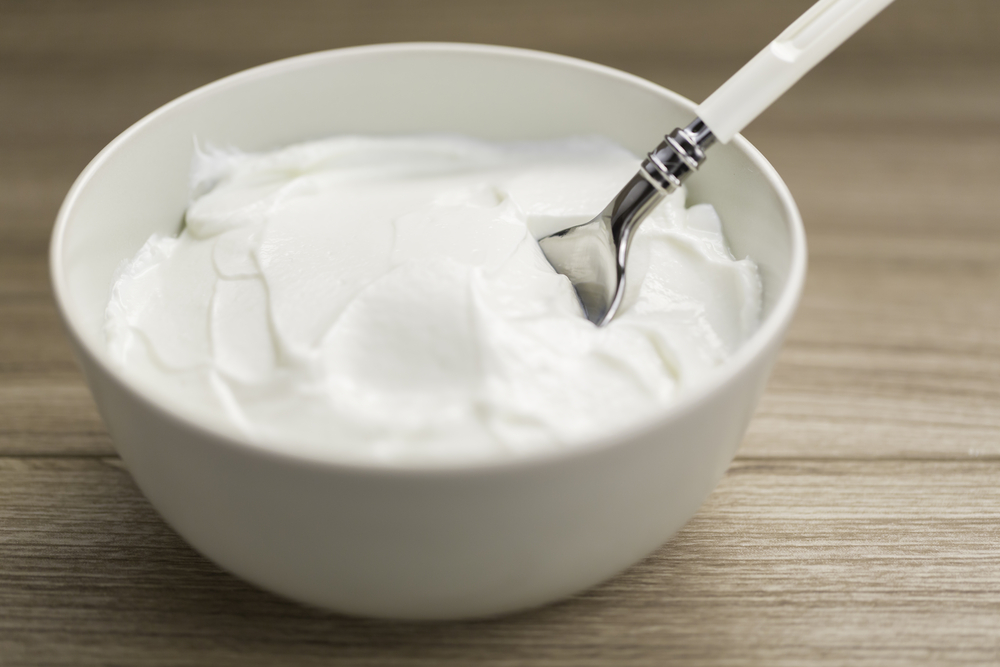
Yogurt containing live bacterial cultures such as Lactobacillus and Bifidobacterium may help maintain a healthy balance in the gut microbiome.
According to Verywell Health, it may also help reduce constipation and bloating.
Unsweetened yogurt is recommended to avoid excessive sugar intake.
Remember your fiber
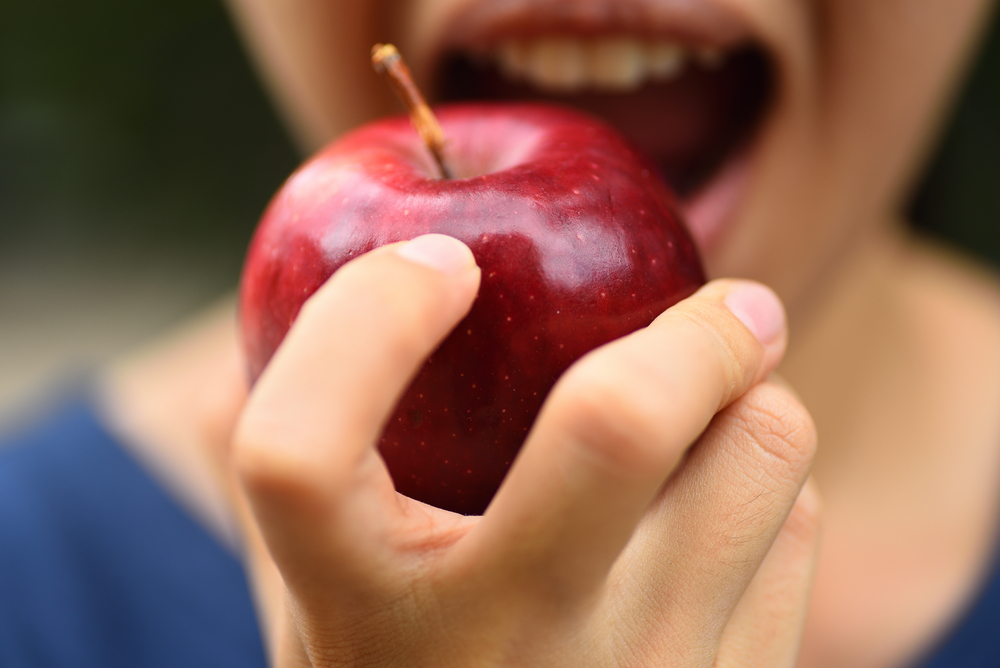
A diet rich in fiber can help keep digestion regular.
Fiber also serves as food for the beneficial bacteria in the gut.
The best fermented foods

Yogurt, kombucha, miso, and kimchi are all fermented foods that contain probiotics.
Verywell Health highlights them as good choices for supporting a healthy gut microbiome.
This article is made and published by Ida-Marie Palm Varbæk, who may have used AI in the preparation.