
Fatty liver disease is often linked to lifestyle and diet.
Fortunately, changes to daily habits can help reduce fat accumulation in the liver and improve liver health, according to UOL.
What causes fatty liver?
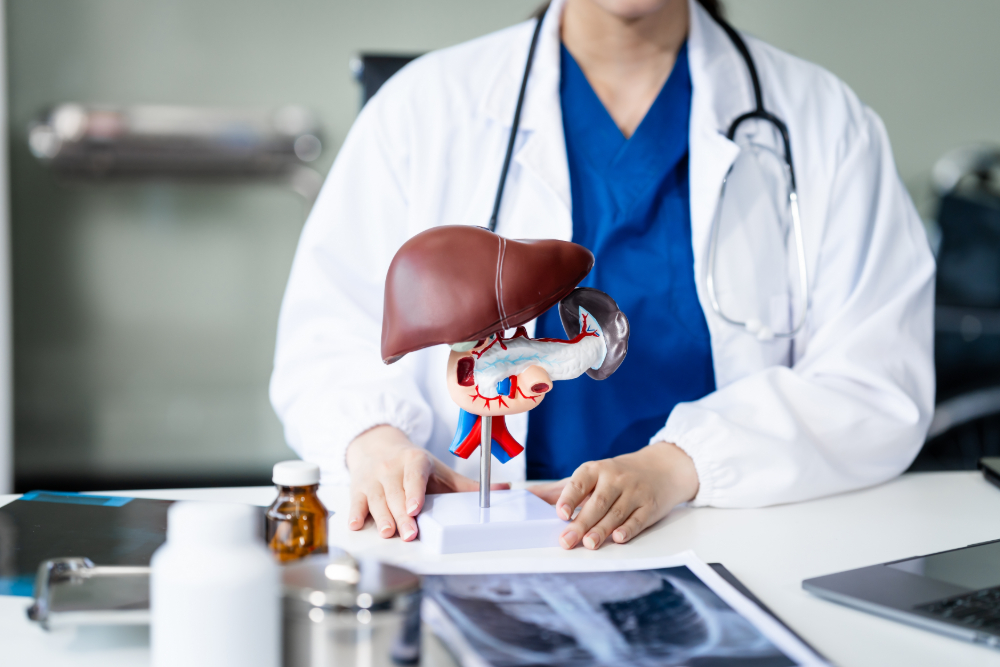
Fatty liver disease develops when fat accounts for more than 5 percent of the liver's volume.
The condition, known as hepatic steatosis, is commonly seen in people who are overweight, lead a sedentary lifestyle, and consume a diet high in sugar, fat, and ultra-processed foods.
Also read: What your eyes can reveal about your heart, blood pressure and more
Lifestyle plays an important role

A balanced diet, weight loss, and regular physical activity are among the most effective ways to reduce liver fat and prevent the condition from progressing.
Fruit
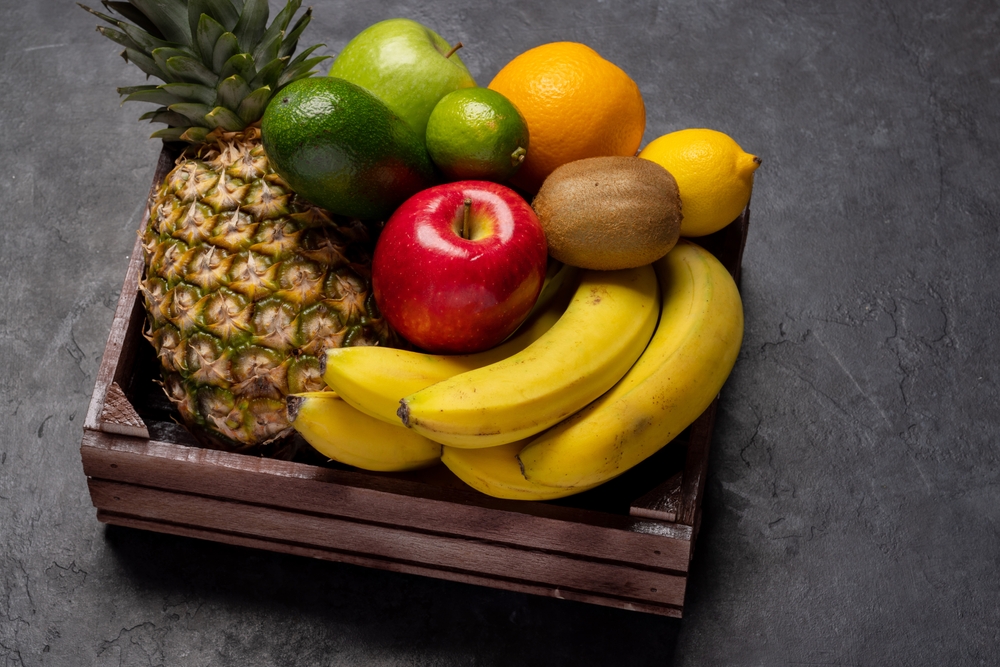
Fruit is one of the foods recommended as part of a diet that may help reverse fatty liver disease.
Vegetables

Vegetables are also recommended and can play an important role in a healthy diet for people with fatty liver disease.
Whole grains
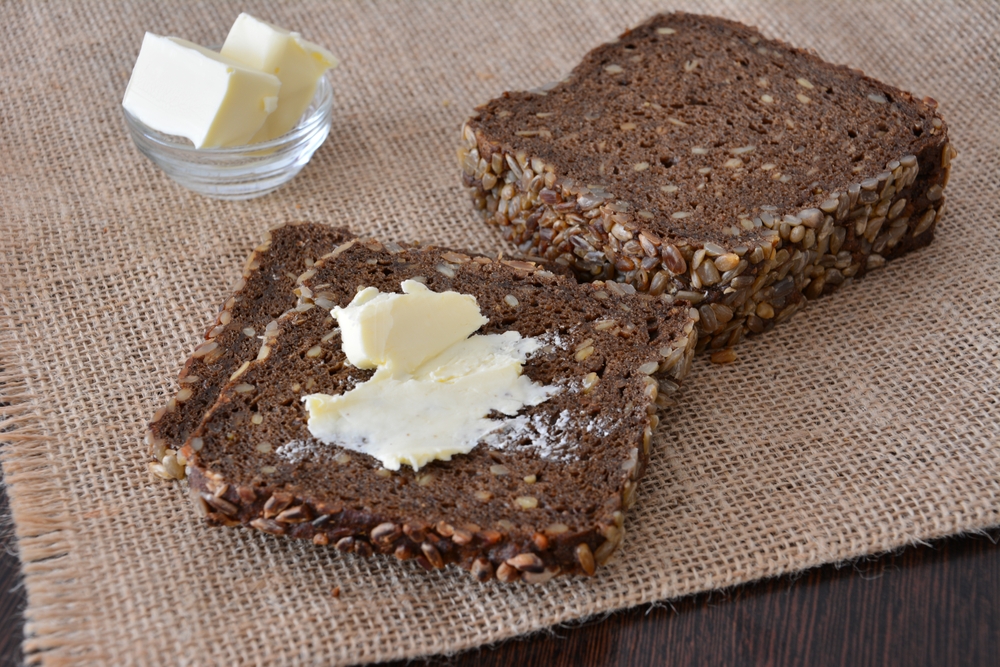
Whole grains are part of a dietary pattern that can help support efforts to reduce fat in the liver.
Also read: If your vitamin D is low, you may face triple the risk of severe post-surgery pain
Legumes
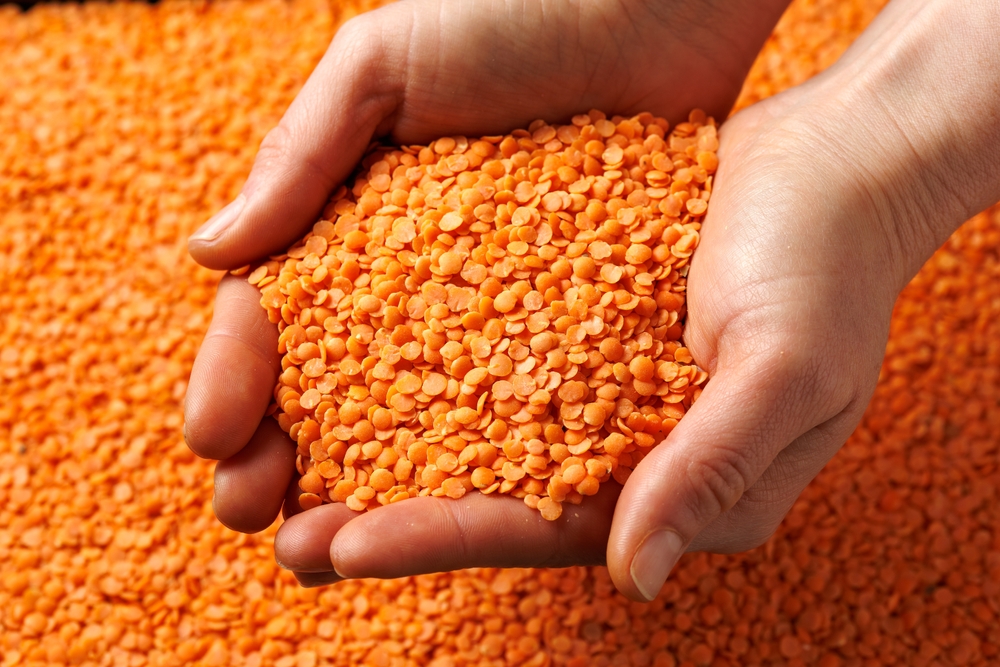
Legumes are another food group that can be included in a diet focused on improving liver health.
Fish
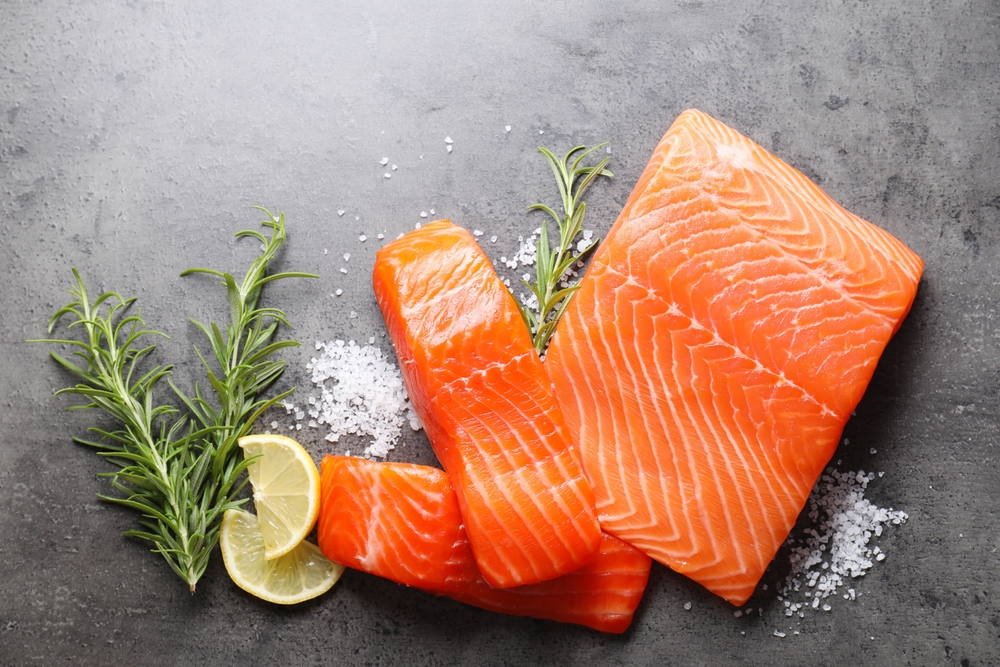
Fish is among the foods recommended as part of a diet designed to help reduce fat in the liver.
Lean meat

Lean meat is also highlighted as a beneficial food choice for a liver-friendly diet.
Sugar
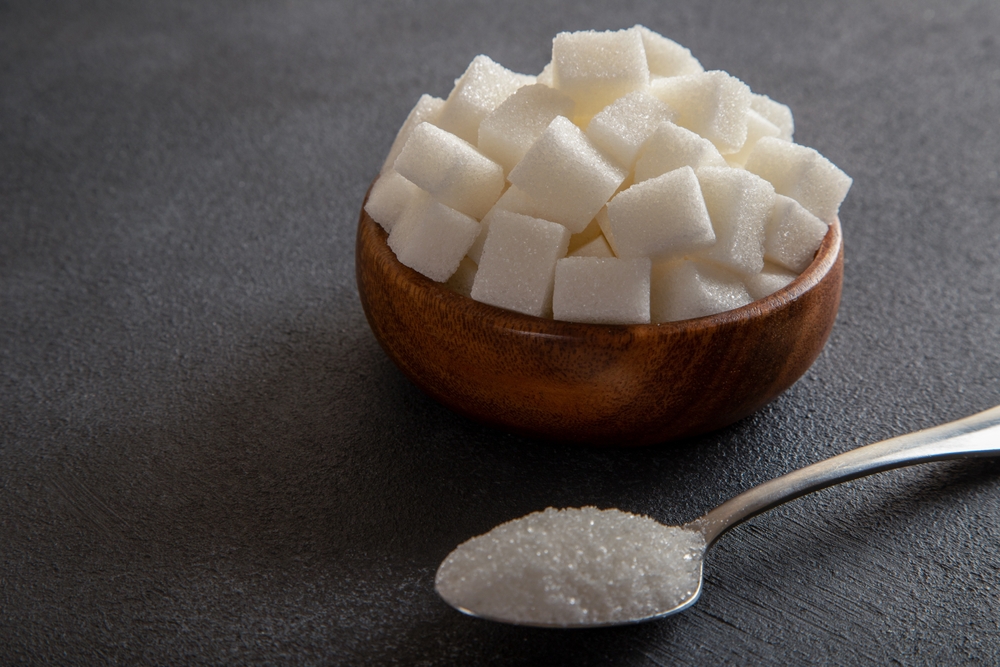
A diet high in sugar has been linked to fatty liver disease, making it beneficial to reduce sugar intake.
Also read: The chef-approved trick for better boiled potatoes
Ultra-processed foods
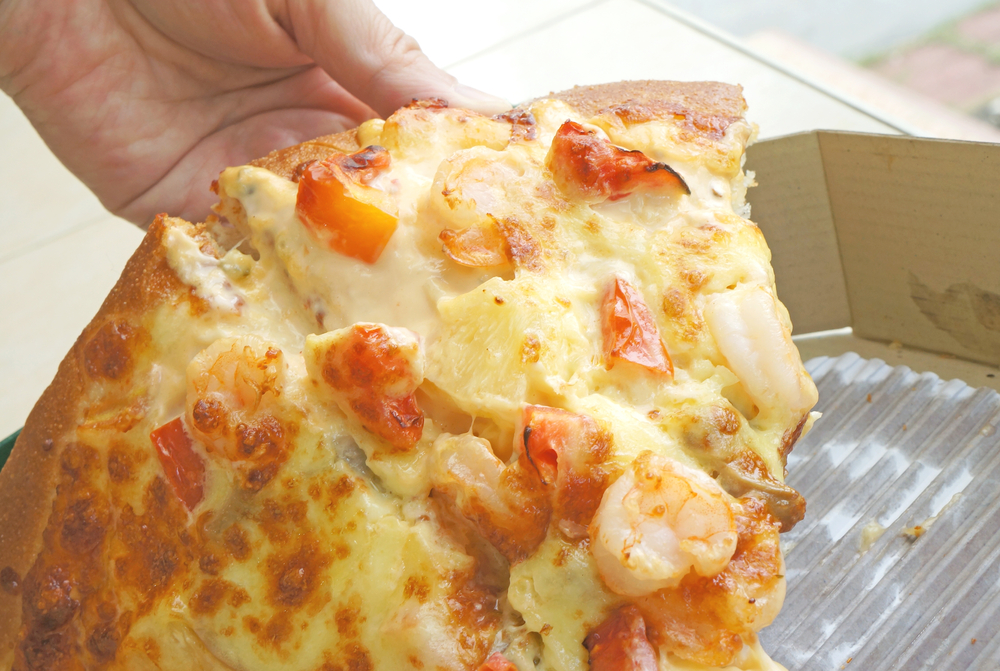
Ultra-processed foods are considered a contributing factor to fatty liver disease and should be limited.
Being overweight increases the risk
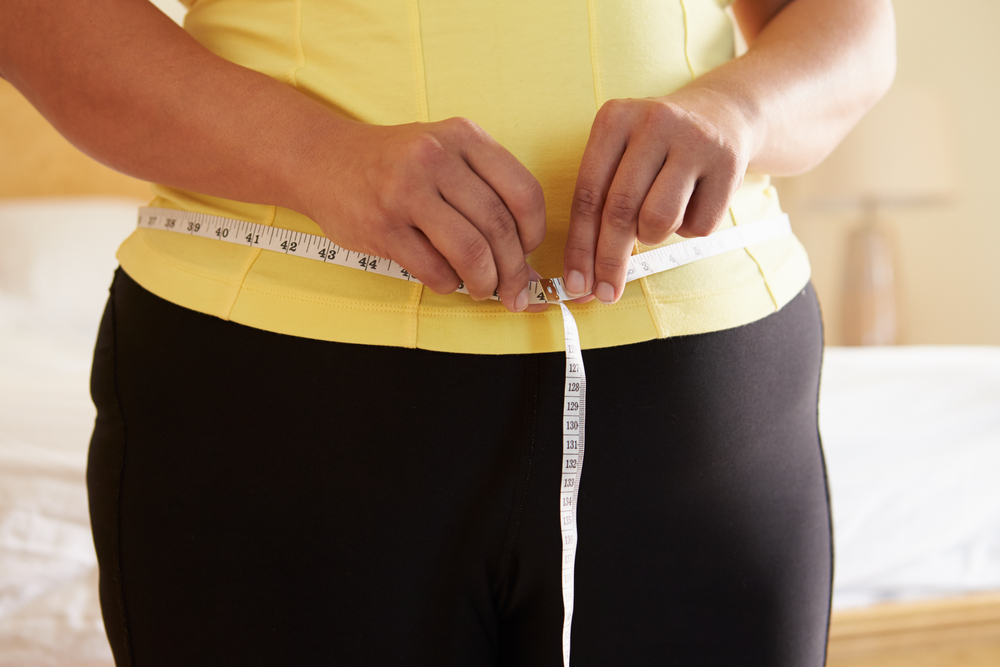
Fatty liver disease is often associated with excess body weight, making weight loss an important part of treatment.
Exercise supports liver health

Regular physical activity, combined with a healthy diet, is a key part of managing and reducing fatty liver disease.
Also read: A new AI tool could help men with almost no sperm become biological fathers
Also read: The MGO number on your pricey manuka honey may not measure the real thing
This article is made and published by Ida-Marie Palm Varbæk, who may have used AI in the preparation.