
Artificial sweeteners are widely used as an alternative to sugar, but their effects can vary depending on both the type of sweetener and the individual. Research points to several possible benefits and drawbacks, while many questions remain unanswered, reports EatingWell.
Different sweeteners work in different ways
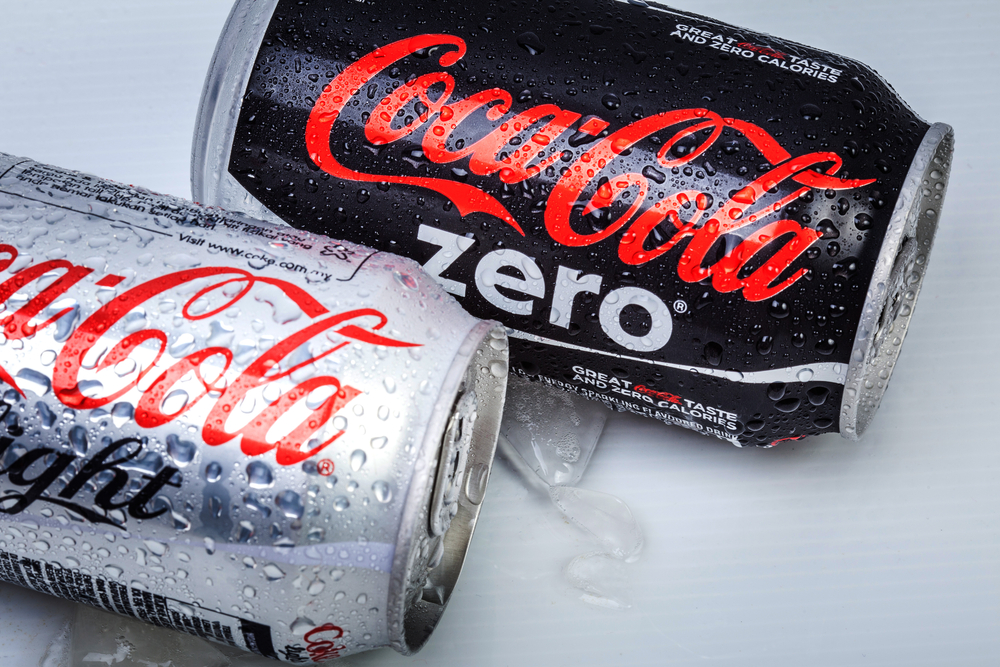
Artificial sweeteners have different chemical structures, which means the body processes them differently. Some are broken down after consumption, while others pass through the body largely unchanged.
They can be much sweeter than sugar
Many sugar substitutes provide far more sweetness than regular table sugar. Depending on the type, they can be anywhere from 200 to 20,000 times sweeter than sugar.
They may help reduce added sugar intake
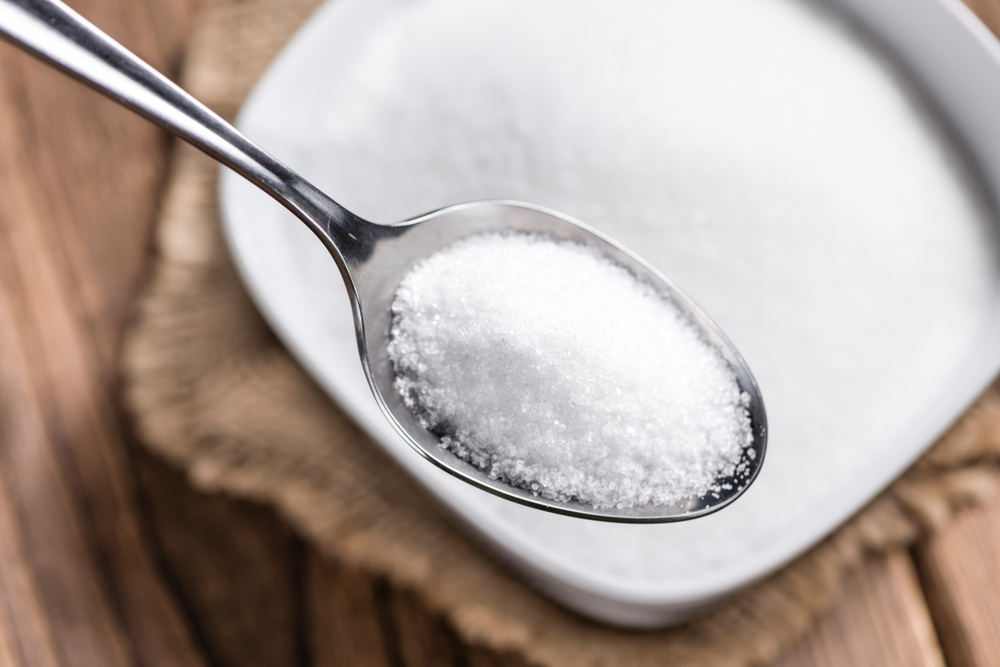
When used instead of regular sugar, artificial sweeteners can lower the amount of added sugar in your diet. This may benefit people who consume a lot of sugar through foods and beverages.
Also read: mRNA vaccines fought COVID. Now they may cut skin cancer's return rate, too
They may also reduce calorie intake
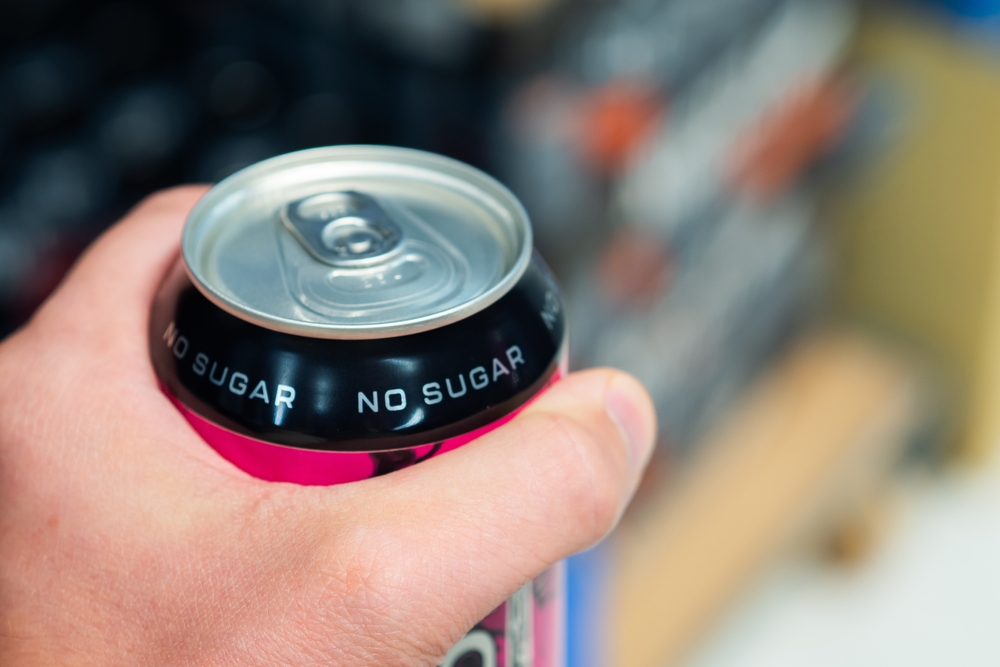
Replacing sugar with low or no calorie sweeteners can decrease the total number of calories you consume. However, this only applies when the sweetener replaces sugar rather than being added to your existing diet.
Blood sugar may not change significantly

According to the research cited in the article, aspartame, sucralose and stevia do not appear to have a substantial positive or negative effect on blood sugar control.
They can make it easier to cut back on sugary drinks
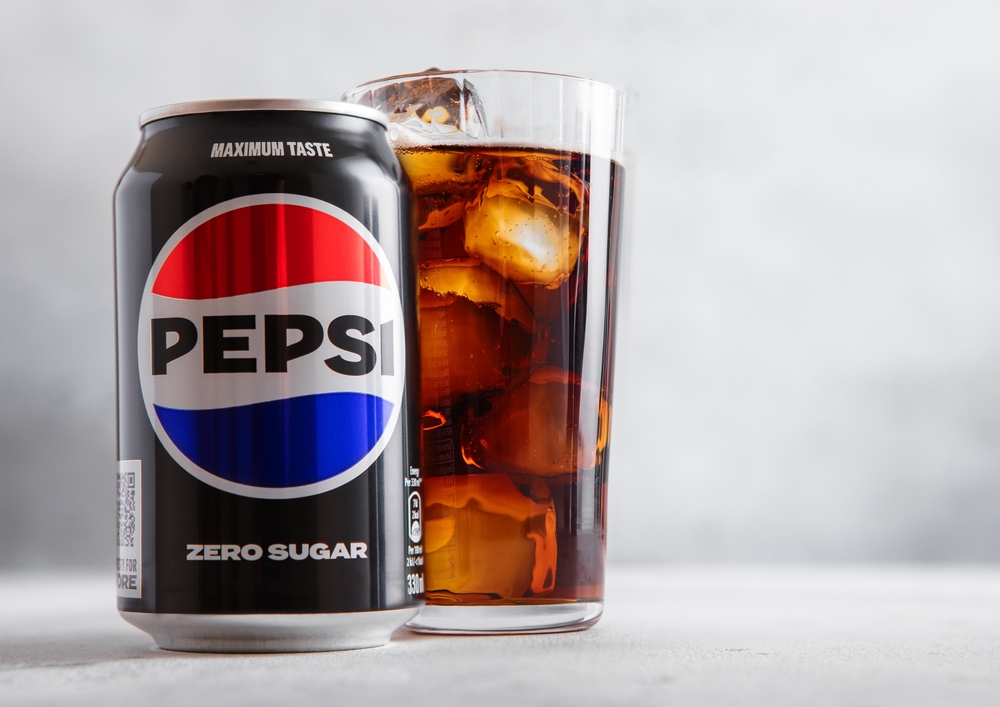
For people who regularly drink sugary beverages, artificial sweeteners can serve as a stepping stone toward consuming less sugar. The article suggests gradually switching from regular soda to diet versions and eventually to sparkling water.
Some people may experience digestive issues
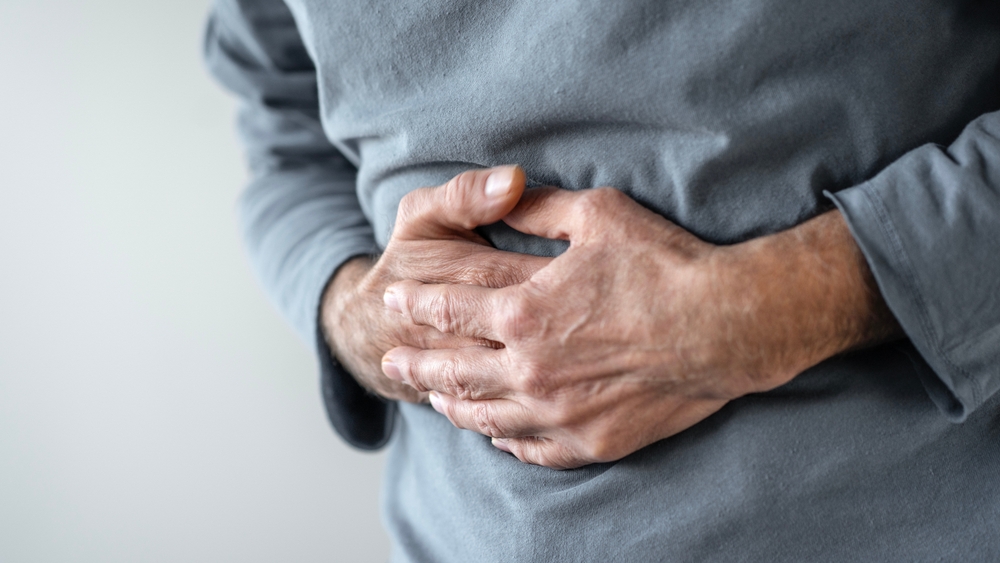
Not everyone reacts to artificial sweeteners in the same way. Some people report digestive discomfort, while others experience headaches after consuming certain types.
Also read: 1 in 5 US lung cancer deaths hits a never-smoker: 8 symptoms doctors say to watch
They may influence gut bacteria

Research suggests that some artificial sweeteners could affect the gut microbiome. In some cases, this may lead to an imbalance between beneficial and harmful bacteria.
Stevia may have an effect on blood pressure

Some studies indicate that stevia could contribute to a modest reduction in blood pressure. However, researchers emphasize that more studies are needed before firm conclusions can be drawn.
There are three main categories
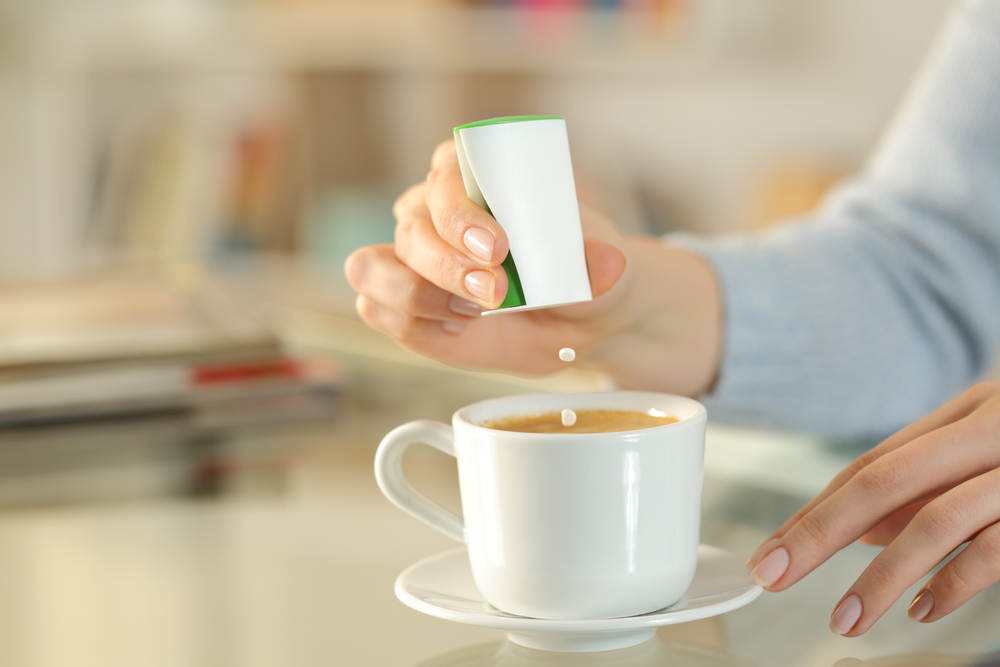
The article groups artificial sweeteners into three main types: laboratory developed sweeteners, plant based alternatives and sugar alcohols such as erythritol, xylitol, mannitol and sorbitol.
More is not necessarily better
Although the acceptable daily intake levels are relatively high, experts do not recommend consuming large amounts. Artificial sweeteners do not provide meaningful amounts of fiber, vitamins, minerals or other essential nutrients.
Also read: How many hours of sleep do you really need? The recommended amounts by age
The best choice depends on the individual
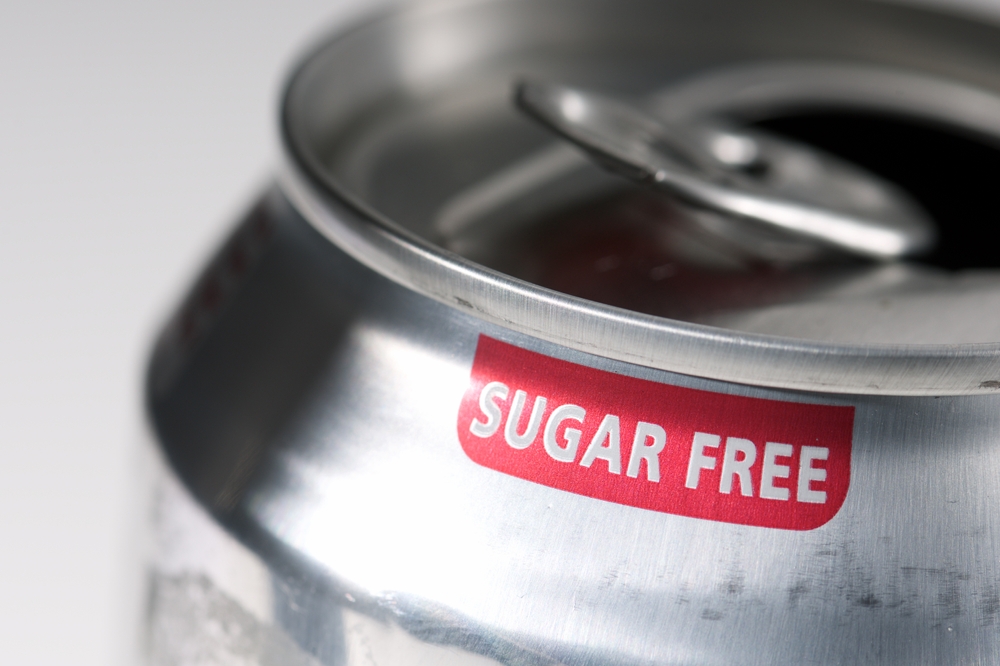
There is no single artificial sweetener that is ideal for everyone. The best option depends on why you want to use it, your personal preferences and whether you experience side effects such as headaches or digestive problems.
Also read: Your tongue color could be an early sign of these deficiencies
This article is made and published by Mie Hermansen, who may have used AI in the preparation.