
Garlic is commonly used for its flavor, but research suggests it may also play a role in liver health. However, experts stress that garlic is neither a substitute for a healthy lifestyle nor a treatment on its own, reports Parade.
Garlic is not a miracle cure
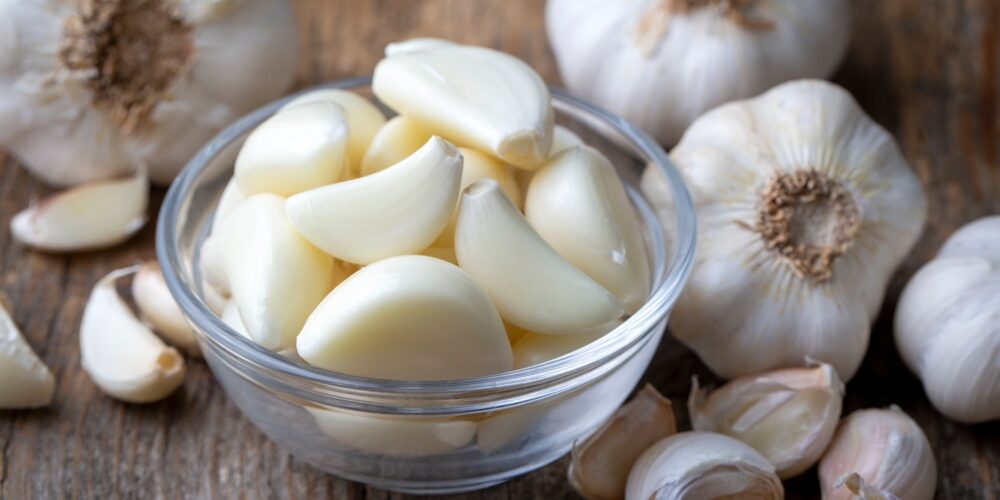
Dietitians emphasize that garlic can be part of a healthy diet, but it cannot prevent or treat liver disease on its own.
The liver handles the body's detoxification
In healthy people, the liver already works effectively as the body's natural filter. Among other things, it helps remove waste products, bacteria and medications, which are then eliminated through urine or stool.
Experts warn against detox cleanses
According to a dietitian from Cleveland Clinic, so called liver cleanses can contain high doses of herbs, vitamins and minerals that may put additional strain on the liver instead of helping it.
Also read: Frozen yogurt or regular ice cream – here is the healthiest choice
Diet should be the main focus
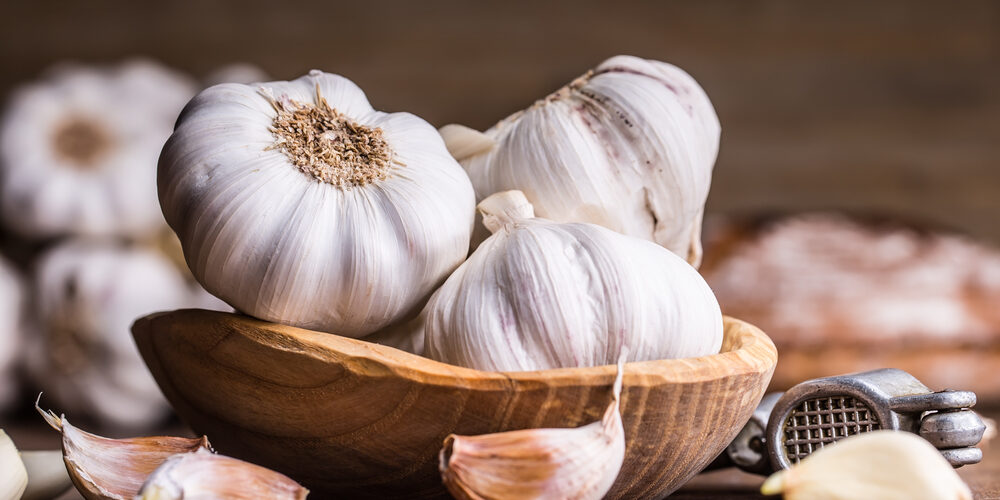
A diet that includes leafy green vegetables, lean protein sources and plant based foods is highlighted as a well documented way to support liver health. Garlic can be included as part of this type of diet.
Garlic contains bioactive compounds
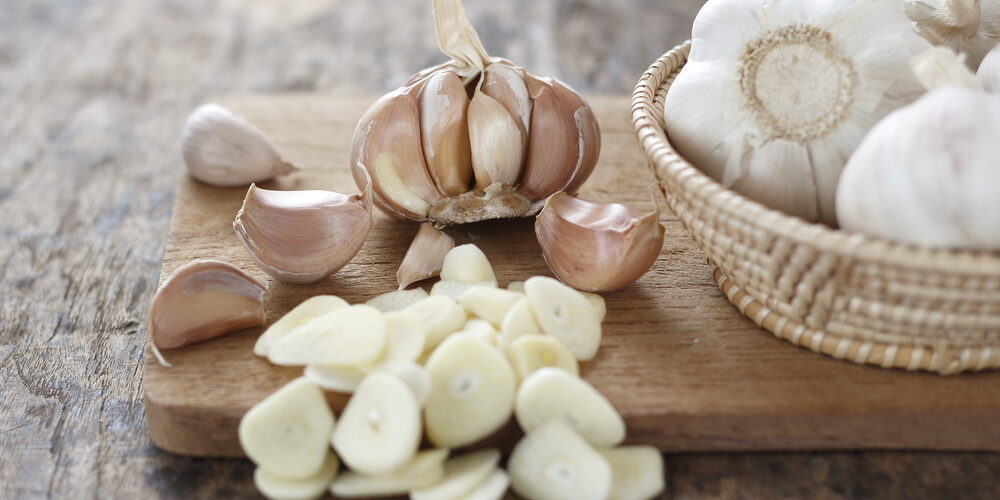
Garlic naturally contains compounds such as allicin and diallyl disulfide. These substances have been associated with increased antioxidant activity and may help reduce inflammatory processes in the body.
It may have an effect on inflammation
Research suggests that regularly consuming garlic may help reduce inflammation and oxidative stress after around 12 weeks.
Studies have mainly focused on people with fatty liver disease
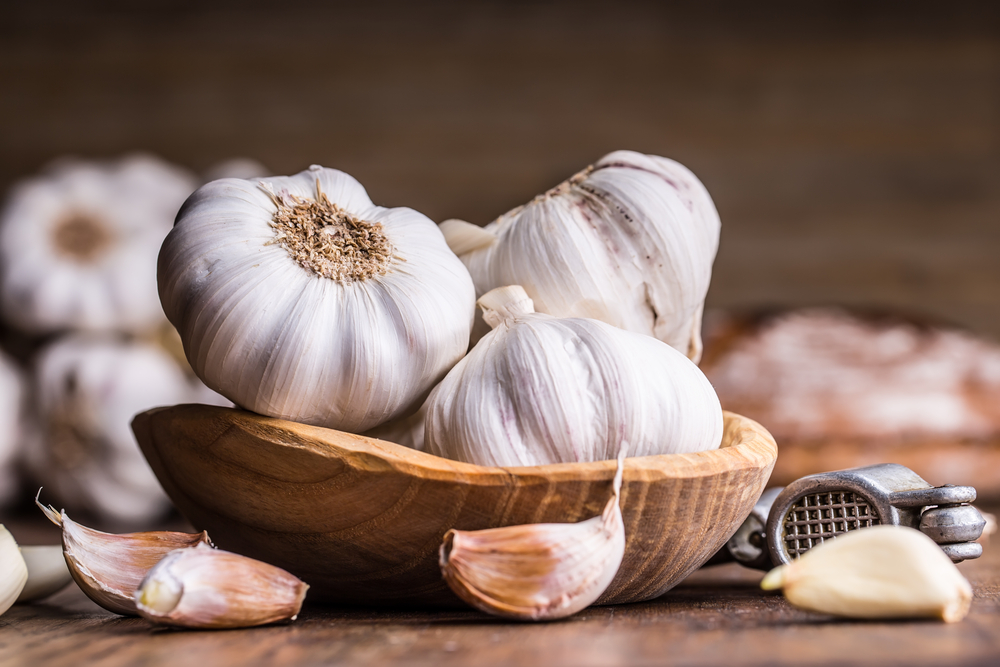
The strongest research involves people with metabolic dysfunction associated steatotic liver disease, previously known as nonalcoholic fatty liver disease.
Also read: Never being married may raise your cancer risk more than most people realize
Garlic powder has shown promising results
Studies have found an association between garlic powder supplementation and improvements in liver enzymes and certain metabolic markers among people with fatty liver disease.
The potential benefits take time
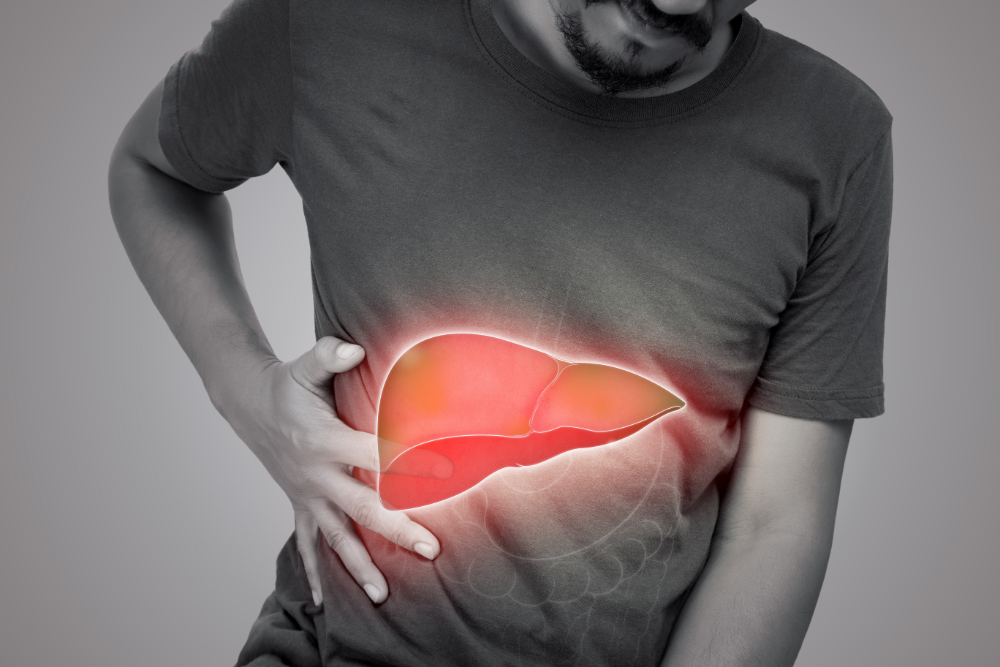
Experts stress that the liver does not change from one day to the next. Any potential improvements are more likely to appear with consistent intake over a longer period.
Raw garlic releases more allicin

Chopping, crushing or chewing garlic releases more allicin than consuming cooked garlic. Raw garlic can therefore provide a higher intake of this compound.
The optimal amount remains unknown
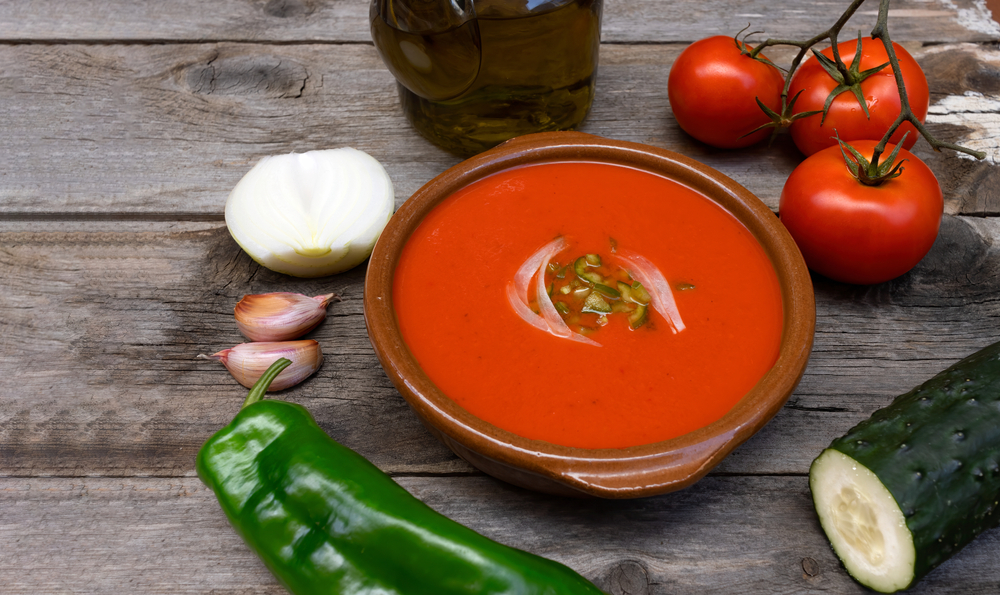
Researchers do not yet know how much raw garlic would need to be consumed to potentially reduce the risk of existing liver disease progressing.
Also read: What should your VO2 max be? The healthy range sorted by age and sex
Garlic can cause side effects
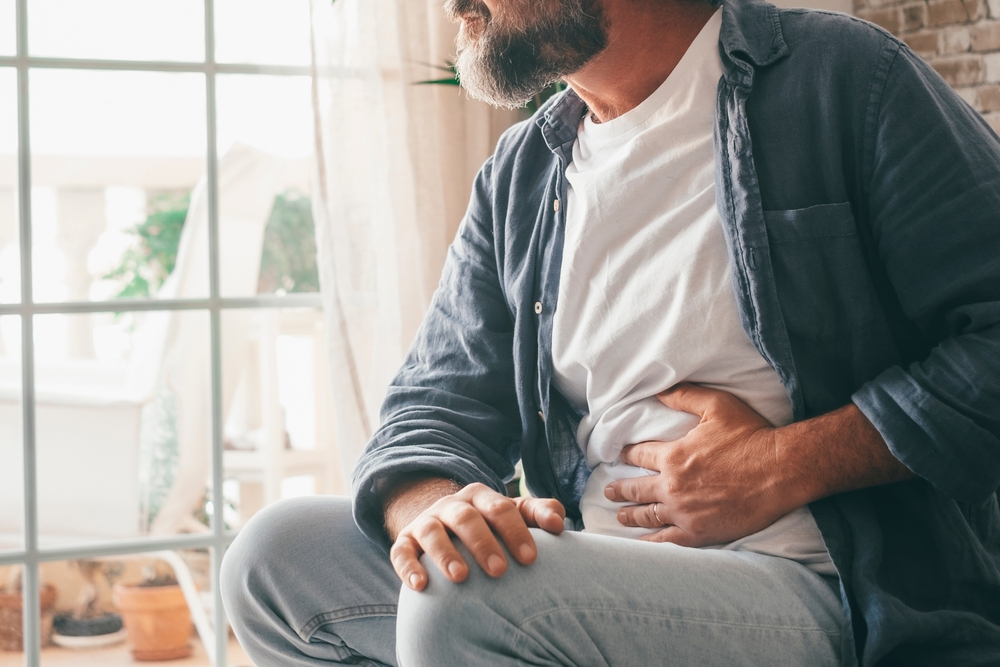
Some people may experience heartburn or gastrointestinal discomfort, particularly when eating raw garlic.
Be cautious when taking blood thinning medication
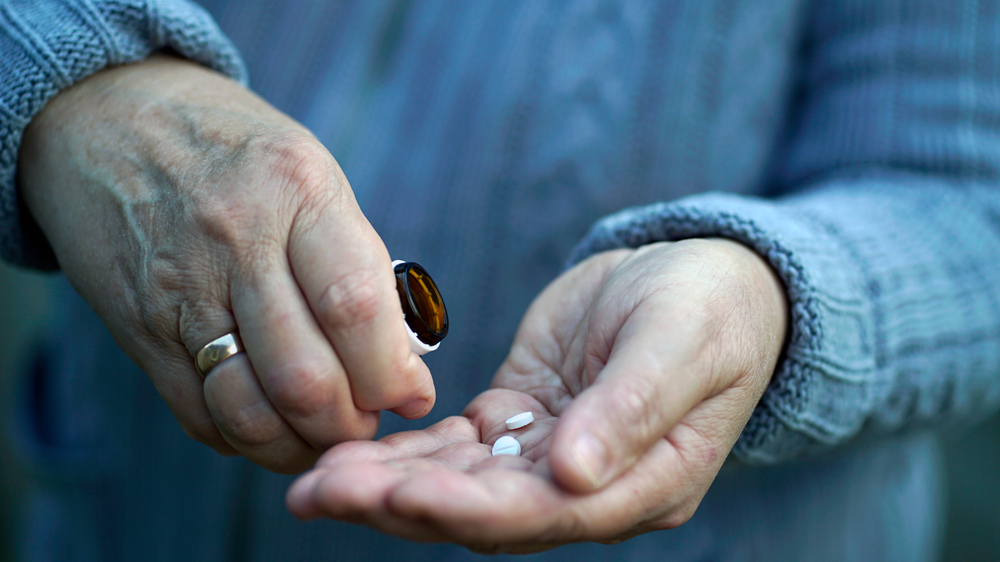
Dietitians recommend that people taking Warfarin, Aspirin or other anticoagulant medications speak with their doctor about consuming large amounts of garlic or eating it regularly.
Supplements are different from food
Garlic supplements provide more concentrated amounts than garlic consumed as food. Experts therefore recommend consulting a doctor or registered dietitian before taking them, particularly for people with liver disease or those taking medication.
Also read: Sugar-free soft drinks may reduce cravings for sweets, new study finds
Also read: This is what happens to your body if you eat late every night
This article is made and published by Mie Hermansen, who may have used AI in the preparation.