
What goes into your matcha matters. While the tea contains compounds associated with blood sugar control and insulin sensitivity, adding plenty of sugar can work in the opposite direction, reports Verywell Health.
What you add to matcha matters
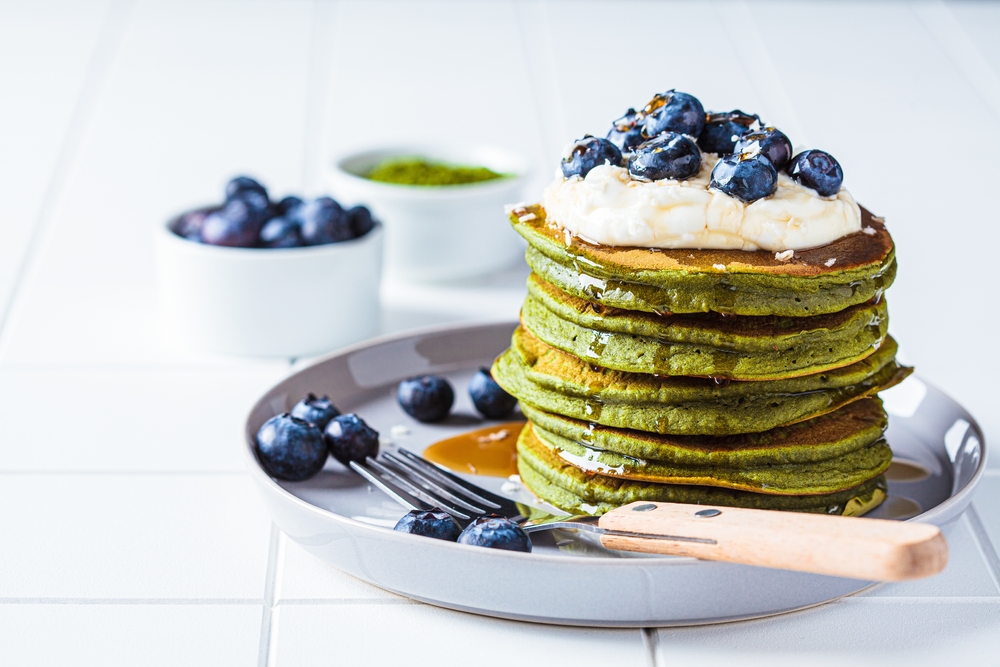
Matcha itself can fit into a blood sugar conscious diet, but preparation plays an important role. Sweetened powders, sugary lattes and matcha desserts can add enough sugar to reduce some of the potential advantages of drinking matcha.
Keep your daily intake moderate
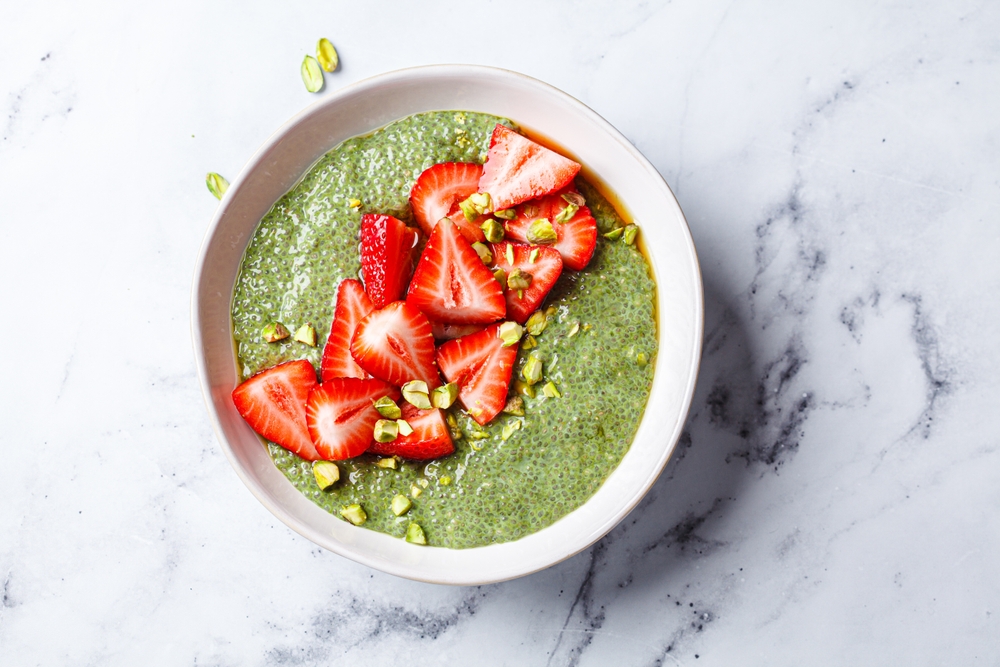
You do not need to consume large quantities to get the potential benefits. According to the research described in the article, regular consumption of around one or two servings a day is generally considered sufficient.
One or two teaspoons may be enough
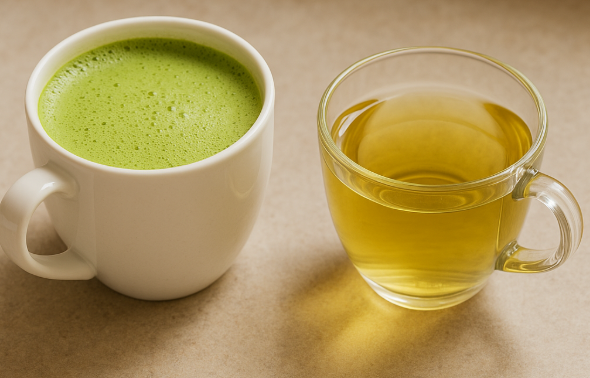
That daily amount works out to roughly 1 to 2 teaspoons of high quality matcha powder. It provides caffeine, L-theanine and antioxidants in quantities associated with potential metabolic and cognitive benefits.
Also read: How ADHD looks different in women, and why it takes years to get diagnosed
Drinking more does not mean greater benefits
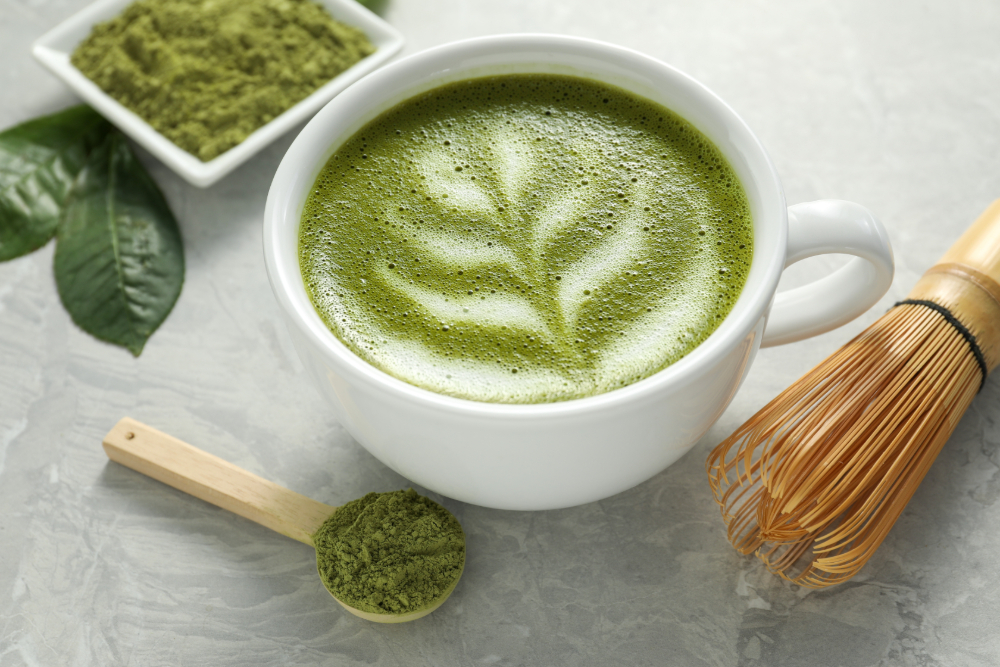
Increasing the amount of matcha is not necessarily helpful. The article also notes that very high doses of green tea extract have, in rare instances, been associated with liver problems.
Matcha contains several active compounds
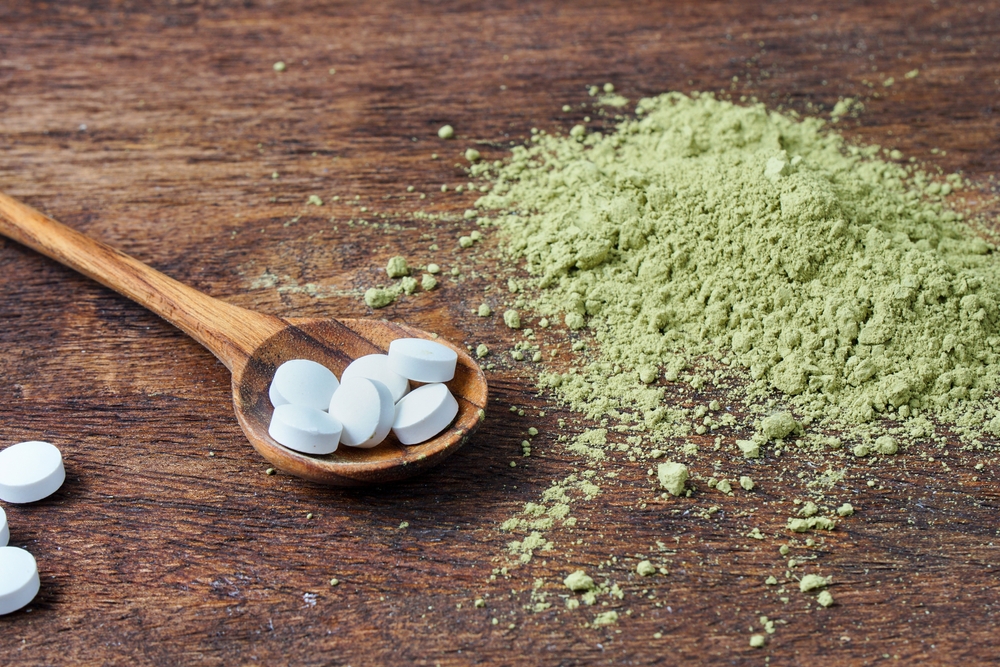
The potential effects are not attributed to just one ingredient. Matcha provides catechins, polyphenols, quercetin, fiber and L-theanine, among other bioactive compounds.
Insulin sensitivity may improve
Regularly consuming the compounds found in matcha may support better insulin sensitivity. They are also associated with more stable blood sugar levels and reduced inflammation, according to an expert quoted in the original article.
EGCG may support the action of insulin
One of matcha's catechins is the plant compound EGCG. It may help insulin do its job more efficiently, allowing cells to take sugar out of the blood more effectively.
Also read: Microplastics turn up in nearly every human brain. Here is what the science actually says
Cells can turn that sugar into energy

Removing glucose from the bloodstream is only part of the process. Once it reaches the cells, the sugar can be used as a source of energy, which helps explain why effective insulin function is important.
Quercetin may affect carbohydrate absorption
Another compound found in matcha is quercetin. Together with other antioxidants, it may slow the speed at which carbohydrates are absorbed by the body.
The effect may be noticeable after eating

Slower carbohydrate absorption and lower oxidative stress may help limit sudden rises in blood sugar following a meal. These are two of the mechanisms highlighted in connection with matcha.
L-theanine changes the caffeine combination

Unlike drinks that provide caffeine alone, matcha also contains L-theanine. This amino acid is associated with a state of calm alertness and gives matcha a different combination of compounds from coffee and other caffeinated beverages.
Also read: Doing both cardio and weights may cut your death risk by nearly half
Also read: How eating a spoonful of honey every day may affect your gut and immunity
This article is made and published by Mie Hermansen, who may have used AI in the preparation.