
Eggs can both benefit and put strain on the liver, and research does not provide one simple answer, reports Parade.
Your overall diet matters more than eggs alone
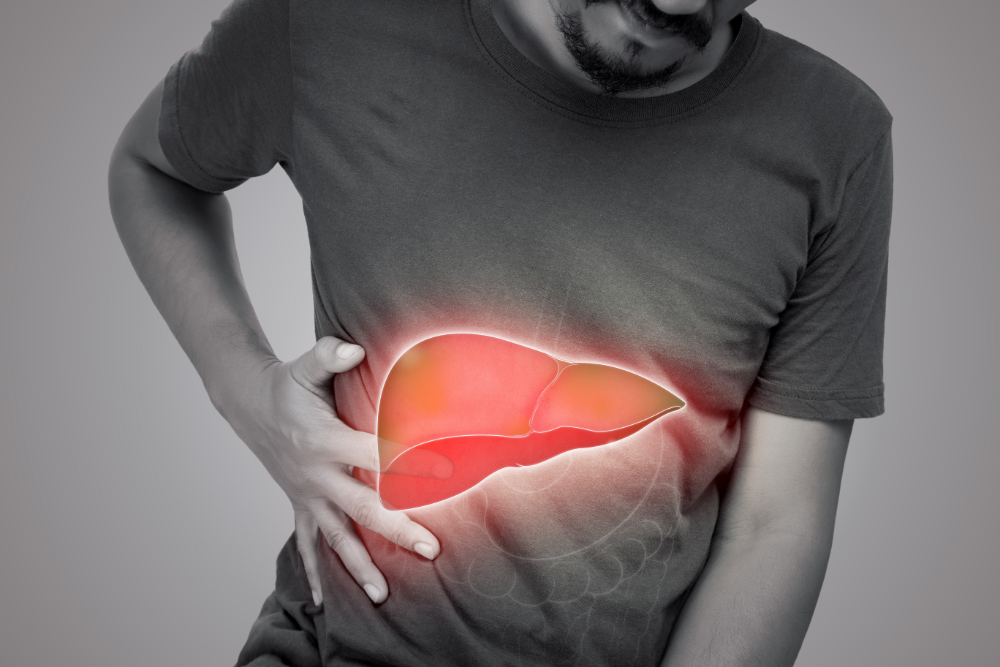
When it comes to liver health, it makes little sense to judge one food in isolation. According to hepatologist Dr. Robert S. Brown Jr., both your overall diet and metabolic health play an important role. For healthy people who eat a varied, nutrient-rich diet, eggs can have a place on the menu.
The protein in eggs may be beneficial

One advantage of eggs is their protein content. Protein provides the body with energy while also helping you feel full, which may make it easier to avoid overeating later in the day.
Two eggs made a difference in one study

In a 2019 study, people with obesity ate either two eggs or cereal for breakfast. Those who ate eggs ended up consuming fewer calories during the rest of the day.
Also read: 8 warning signs of POTS, the condition most often dismissed as anxiety
One nutrient in eggs may benefit the liver

Choline is one of the nutrients found in eggs. Dr. Brown says that a high choline intake is associated with a lower risk of fatty liver. Eggs are not the only source, however. Fish, beans, soy and cruciferous vegetables also contain choline.
Cholesterol complicates the picture

Alongside their beneficial nutrients, eggs contain cholesterol. According to Dr. Brown, high cholesterol can make the liver work harder and may contribute to fat accumulating in the liver.
Studies on eggs and fatty liver point in different directions

Research has not produced one clear answer. One study included 169 people with metabolic dysfunction-associated steatotic liver disease and 782 people without it. Those who ate two to three eggs a week were more than three times as likely to have the condition as those who ate fewer than two eggs a week.
A larger study reached a different conclusion

Another study involving 1,414 people found no association between egg consumption and metabolic dysfunction-associated steatotic liver disease. The results also indicated that the choline in eggs could have a protective effect.
Also read: Cutting only 280 calories a day may slow the inflammation that ages you
Your cholesterol level may make a difference

For healthy people with low cholesterol, Dr. Brown says that eating one or two eggs a day is unlikely to be harmful. People with high cholesterol, however, may be better off eating eggs more moderately rather than every day.
Other breakfast foods can put strain on the liver

Eggs are not the only part of breakfast worth considering. Dr. Brown recommends limiting simple carbohydrates such as sugary pastries and white bread. He describes sugar as a primary driver of metabolic dysfunction-associated steatotic liver disease.
Bacon and sausage are not the best combination

The classic pairing of eggs with processed meat is not ideal for liver health. Bacon and sausage are high in saturated fat, which can put strain on the liver and contribute to fat buildup.
These foods are better choices at breakfast

Greek yogurt, plant-based proteins, nuts and seeds are among the protein sources Dr. Brown recommends. Avocado on whole-wheat toast is another option. Its fiber can help keep blood sugar levels steady, which is important for preventing inflammation and excessive fat accumulation in the liver.
Also read: 7 warning signs of a pulmonary embolism most people mistake for anxiety or chest pain
Choose your breakfast drink carefully

Coffee and tea contain polyphenols and are considered liver-friendly choices, as long as they are not loaded with sugar or artificial sweeteners. Fruit juice is less beneficial because it can cause a large spike in fructose. Whole fruit is a better option because its fiber helps prevent a sharp insulin spike.
Also read: Mouse offspring showed blood sugar changes from sweeteners they never tasted
This article is made and published by Mie Hermansen, who may have used AI in the preparation.