
Spending time in nature can benefit your sleep, mood, physical fitness and social life, among other things.
Here are practical suggestions for making outdoor activities a more natural part of your daily routine, according to Healthline.
Make it a regular habit
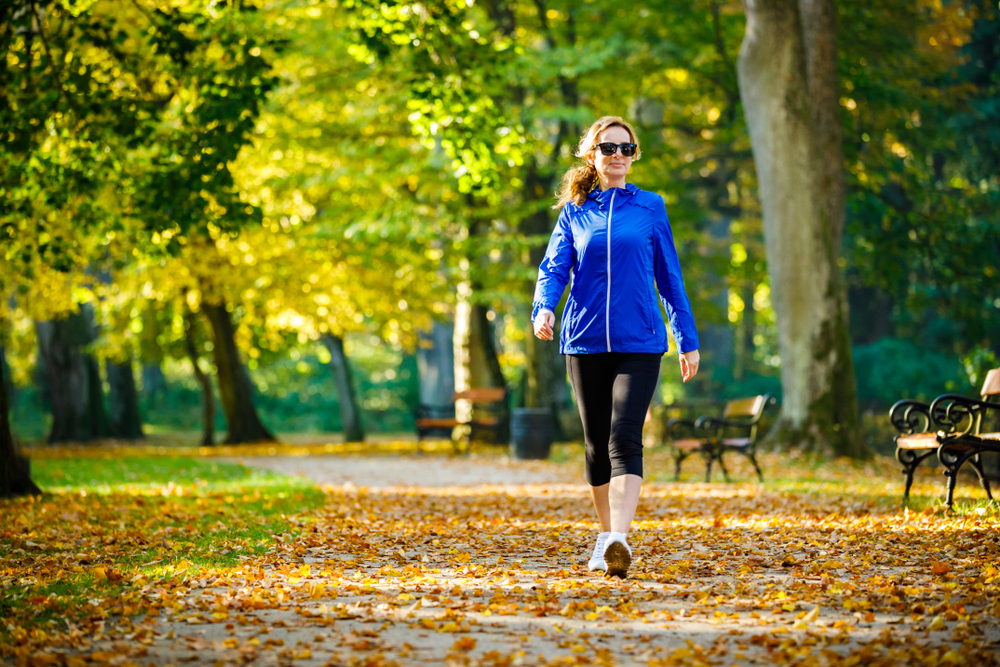
Try going outside at the same time every day.
Even short periods outdoors count, and after around two months, the activity may have become a lasting habit.
Also read: How far can you reach past your toes? What the ACSM norms say by age and sex
However, the amount of time this takes varies from person to person.
Exercise outdoors
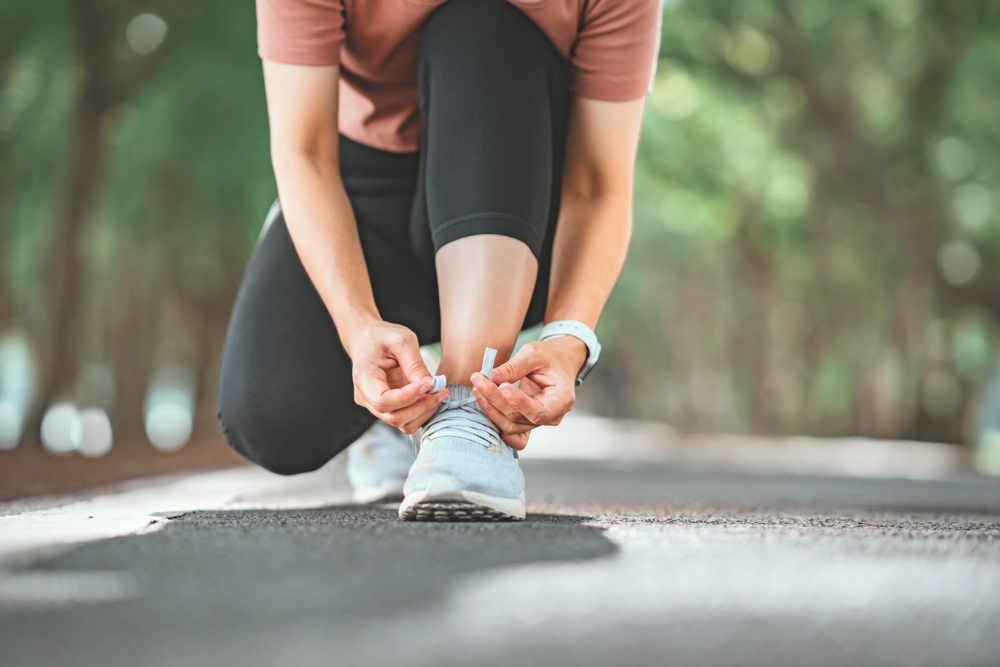
Move your workout from your home or the gym to an outdoor space. For example, you could go running, cycling or exercise in the garden.
Take meetings on the go

If your work allows it, some meetings can take place while walking.
This allows you to combine your working day with physical activity and fresh air.
Also read: A morning lamp may fix what city living does to your sleep
Try an outdoor sport
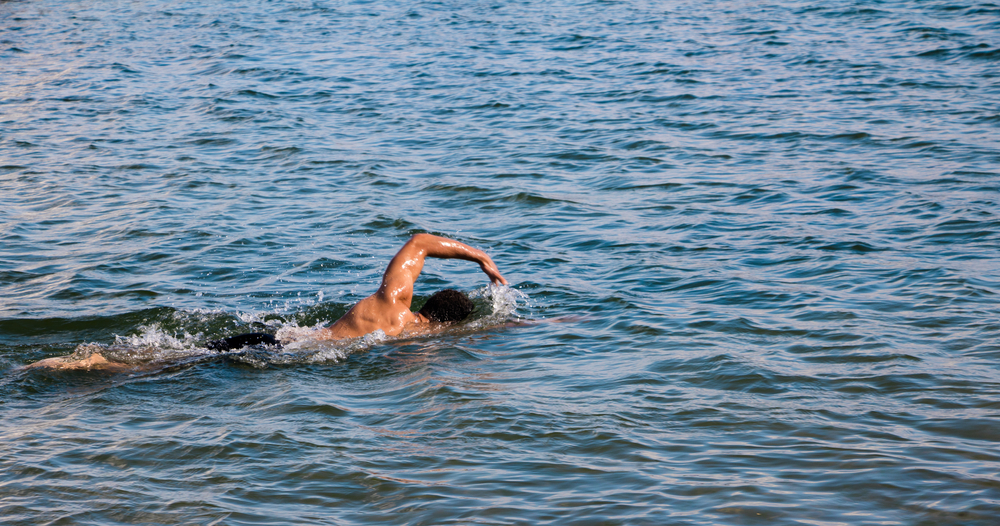
Football and volleyball are examples of sports that can be played outdoors.
You can also find out whether there are any safe places for outdoor swimming nearby.
Eat a meal outdoors
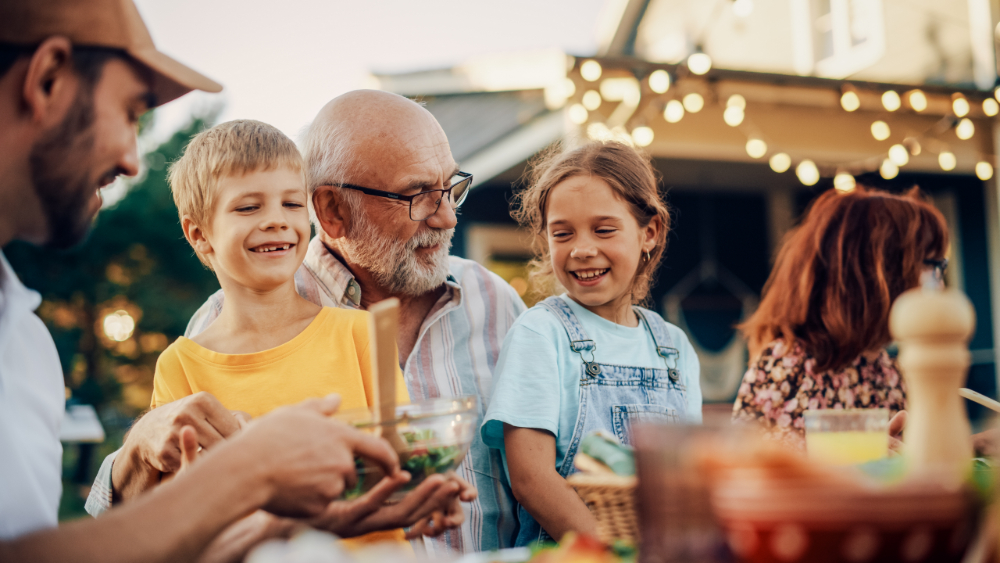
Meals do not always have to be eaten around the dining table.
You could organise a barbecue, visit a local food truck or have a picnic in a park.
Also read: A common menopause treatment may cut your Alzheimer's risk by nearly 40%
Cook over a fire
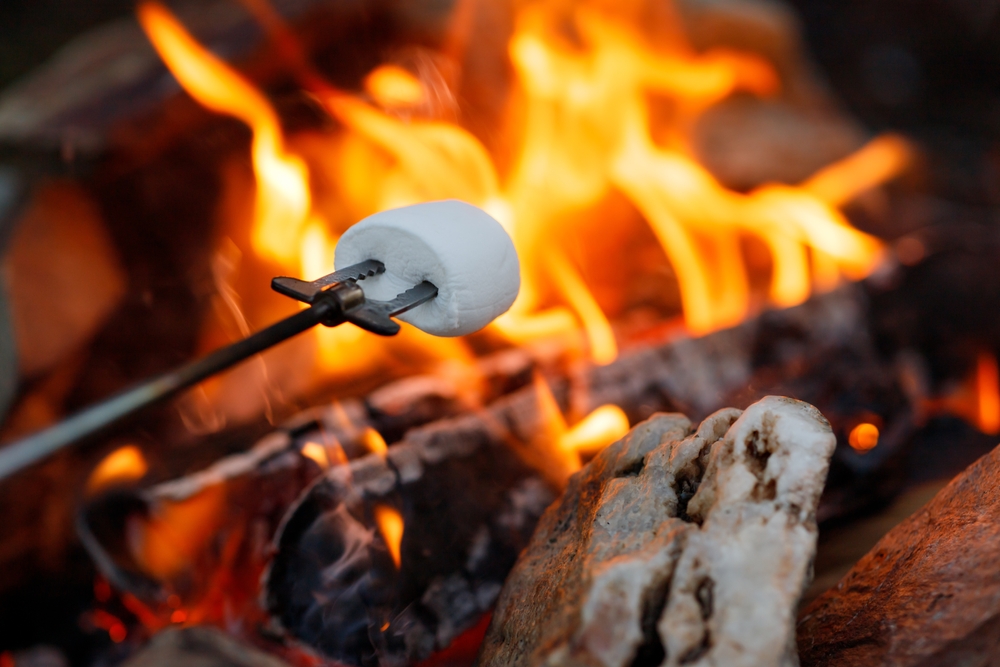
A fire can be used to roast marshmallows or cook baked potatoes.
With suitable protection from the weather, outdoor meals can also be enjoyed outside the summer months.
Explore your local area
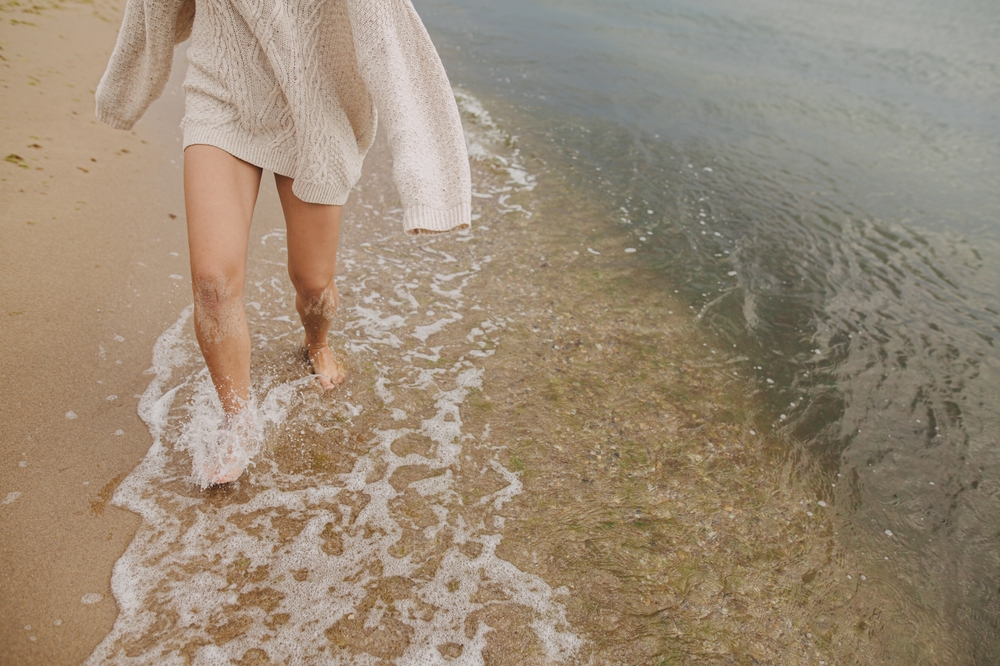
Find out whether there are any national parks, beaches or forests nearby.
Visiting local attractions can also help you learn more about the place where you live.
Also read: Your sleep tracker may be making your sleep worse - and here is why
Look out for seasonal activities
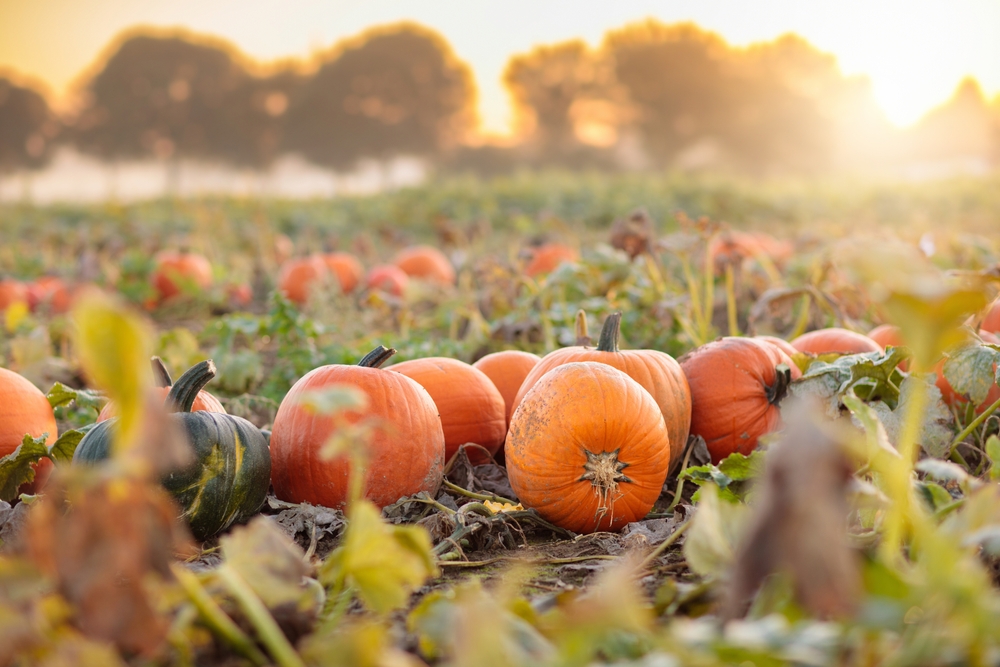
Some outdoor activities are only available at certain times of the year.
These could include pumpkin picking, markets or ice skating.
Watch the sunrise or sunset
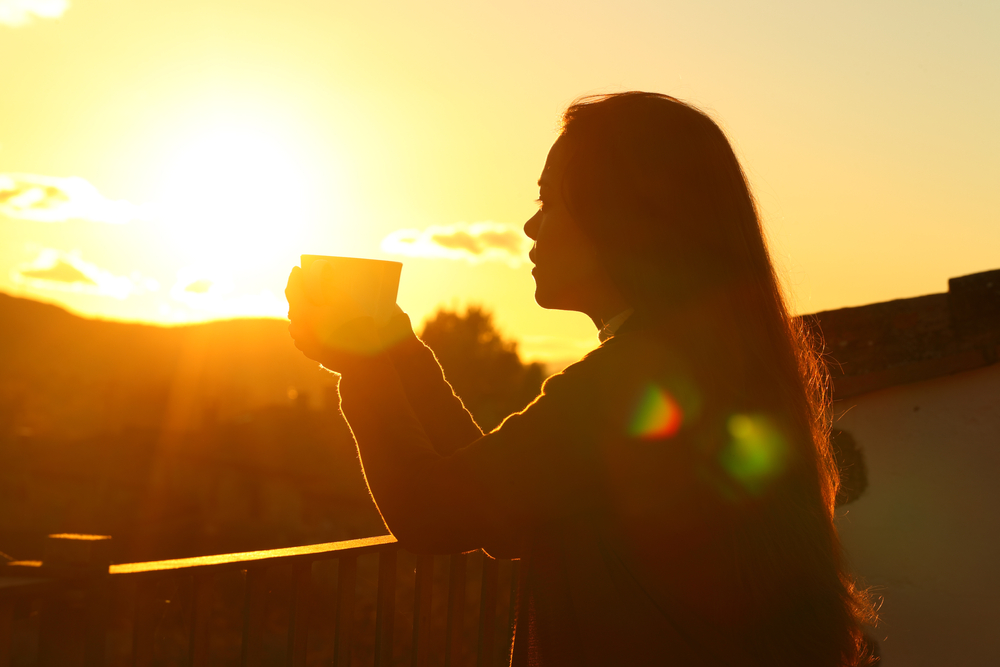
Watching a sunrise or sunset can be a simple way to get outdoors when other commitments take up much of your day.
A local viewpoint can make the experience even more special.
Also read: Every plant-based meat tested contained a fungal toxin - here's what the levels mean
Go camping
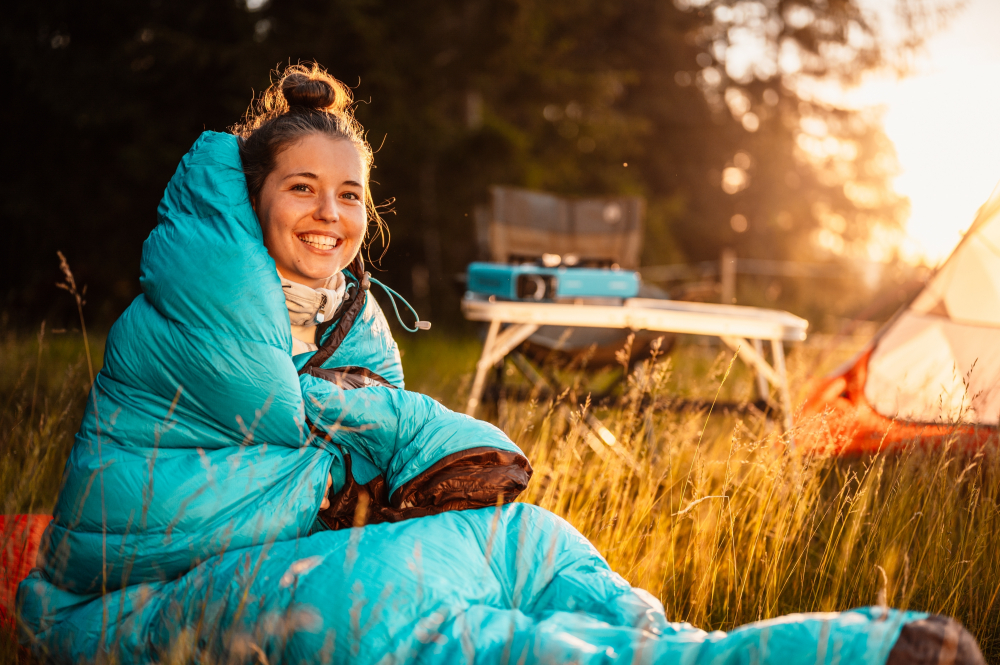
A camping holiday gives you the opportunity to spend longer periods outdoors.
Camping is possible throughout the year if you prepare properly and bring suitable equipment.
Pack the essential equipment
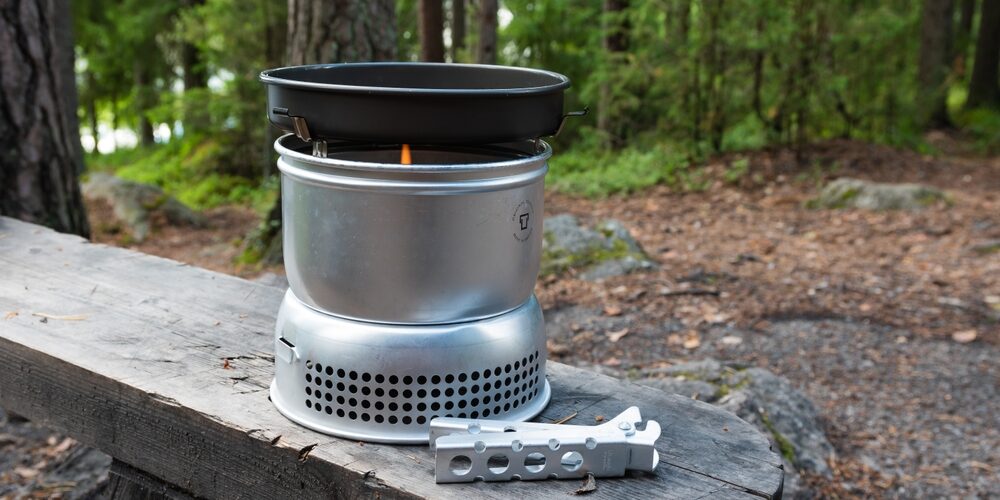
When camping, you may need bedding, shelter, warm clothing, first-aid supplies, food, water, cooking equipment and products for cleaning and personal hygiene.
Take your hobby outdoors

Read a book in the park, knit in the garden, listen to music while walking or use the landscape as inspiration for a painting.
You can also photograph wildlife in your local area.
Find a new outdoor interest
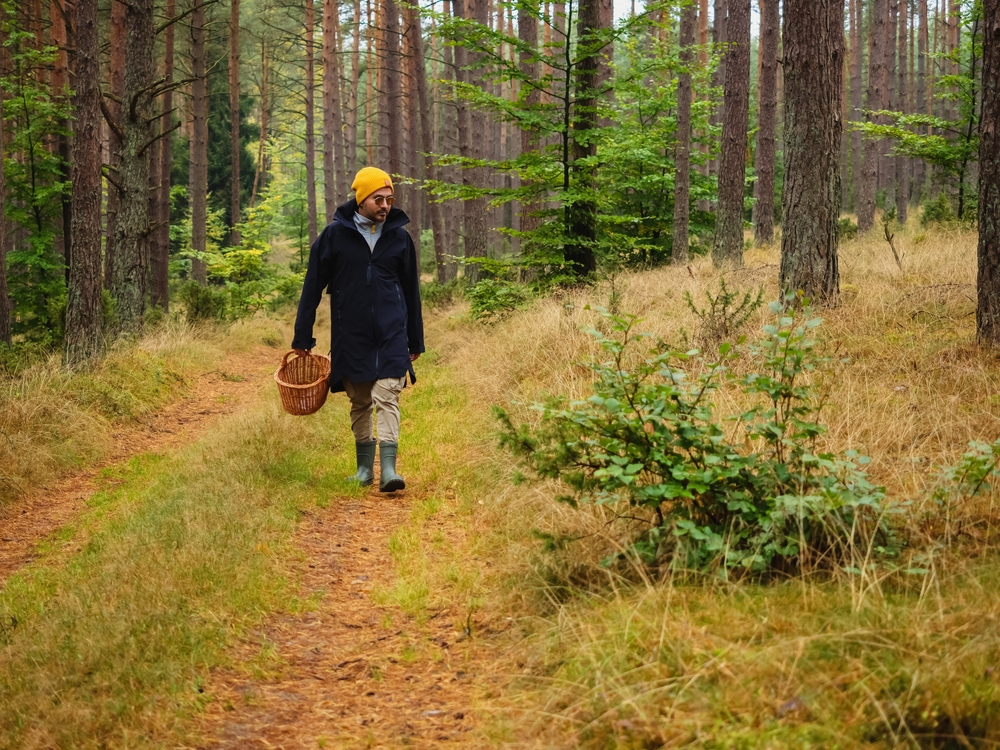
Activities such as climbing or foraging for edible plants can give you a new reason to spend time in nature.
Start gardening
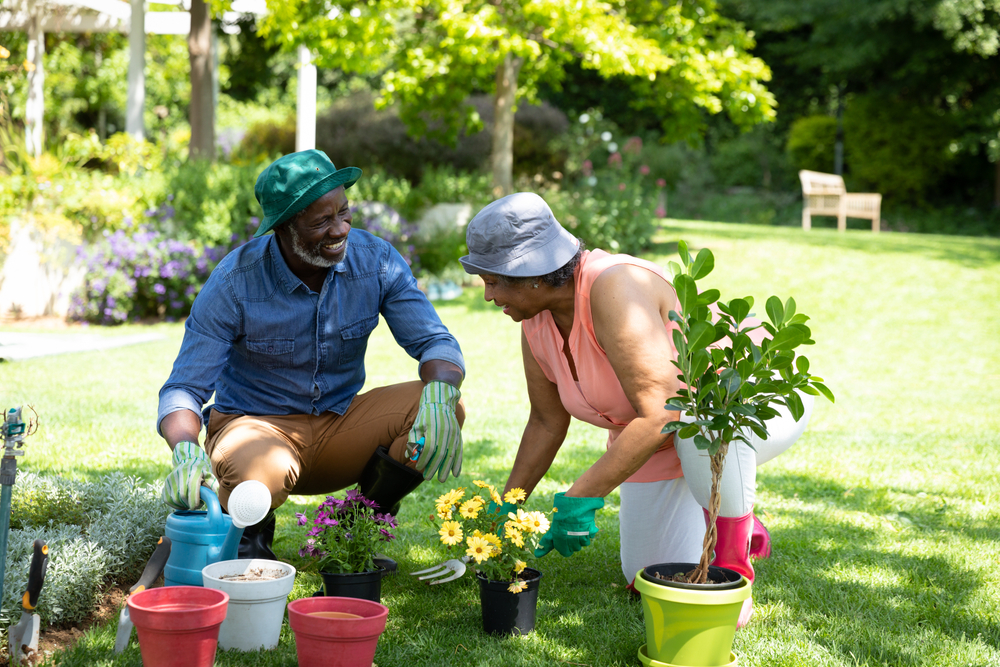
Gardening can promote relaxation while also providing physical activity.
If you do not have a garden, you may be able to rent a small plot of land to grow fruit, vegetables or other plants.
Enjoy the health benefits of nature
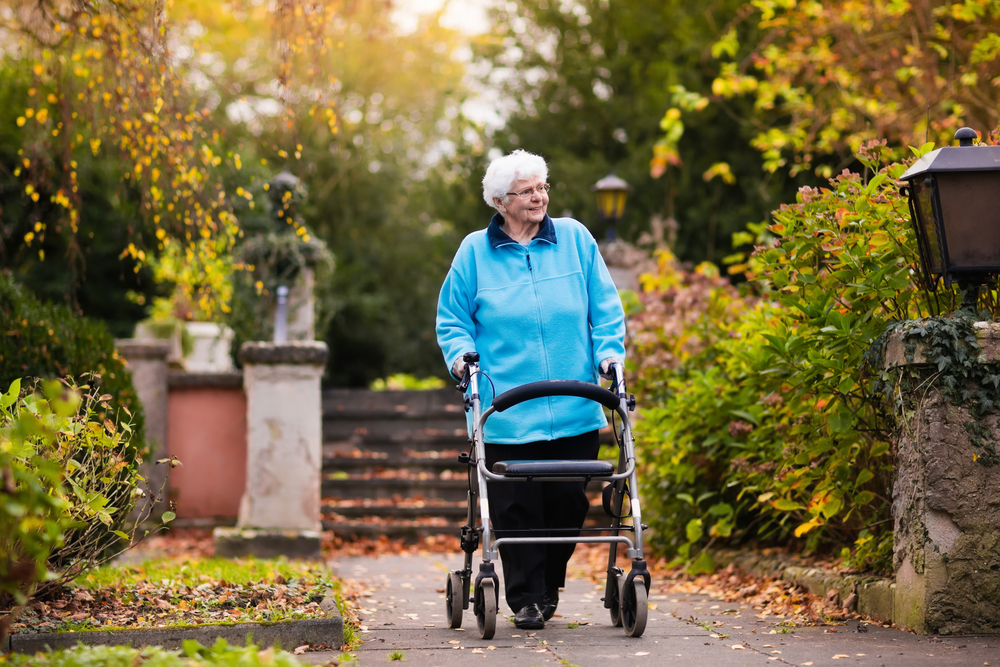
A 2022 research review links time spent in nature to lower stress levels, greater happiness, a better quality of life, more social interaction, improved sleep, better physical fitness and increased attention.
This article is made and published by Ida-Marie Palm Varbæk, who may have used AI in the preparation.