
Cottage cheese has become popular as a convenient source of protein that can be eaten on its own or used in a wide range of dishes.
However, while this dairy product contains several beneficial nutrients, there are also factors to keep in mind if you want to follow a heart-friendly diet, according to Parade.
Protein makes meals more filling
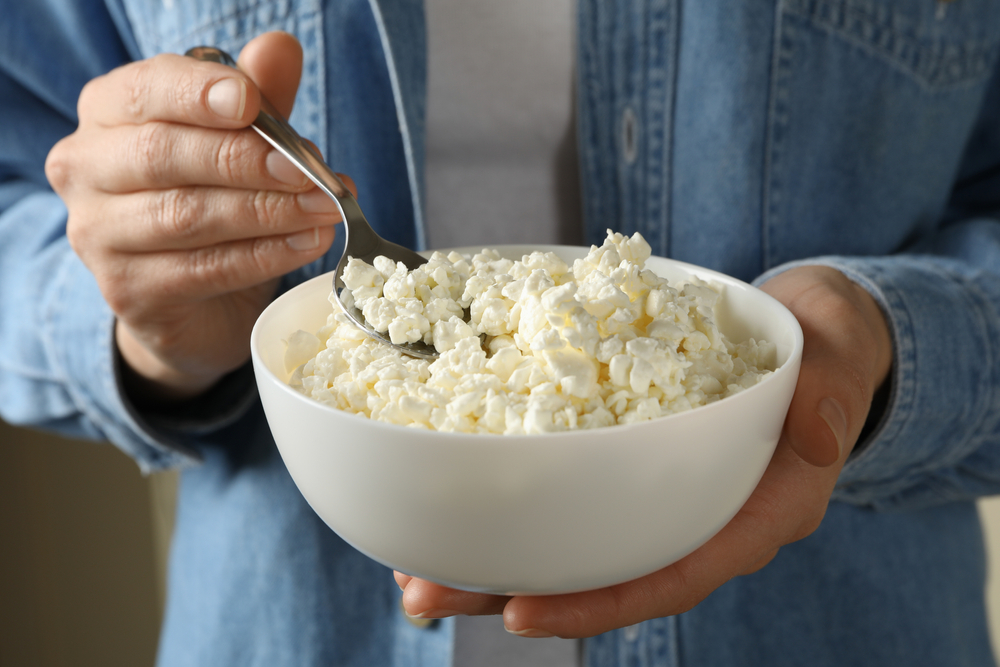
Cottage cheese contains around 13 grams of protein per half-cup serving, which dietitian Tara Spisak says is equivalent to about 60 grams of meat.
The protein can make it easier to create more filling meals.
Also read: More microplastics found in lung cancer patients, new study finds
Choose a low-fat option
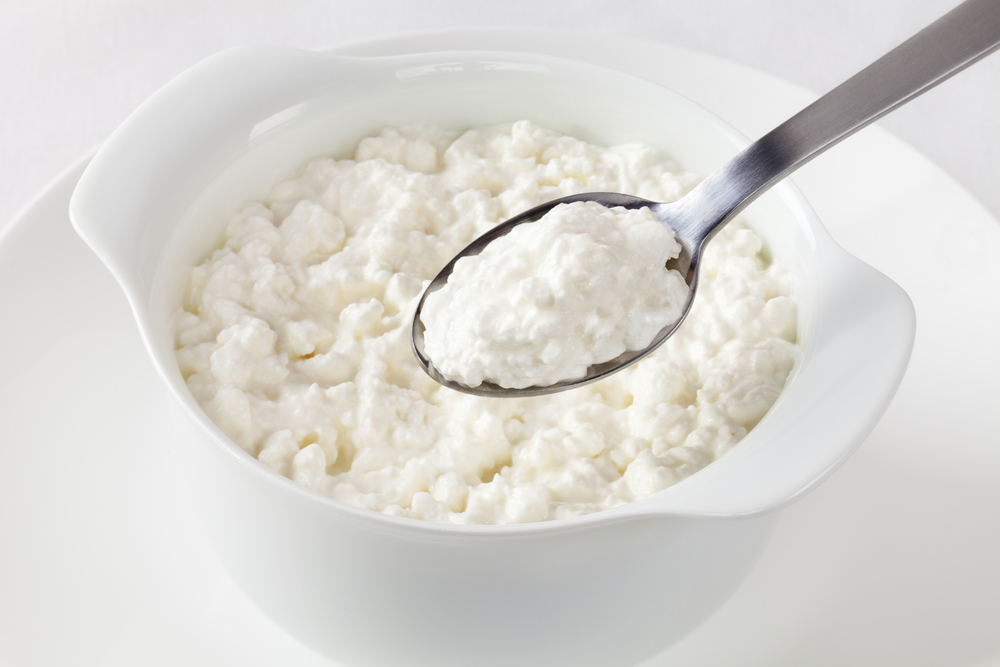
Maggie Michalczyk recommends low-fat cottage cheese for people who want to limit their intake of saturated fat.
This way, you still get protein, calcium and other nutrients without the same amount of saturated fat.
Salt can affect blood pressure
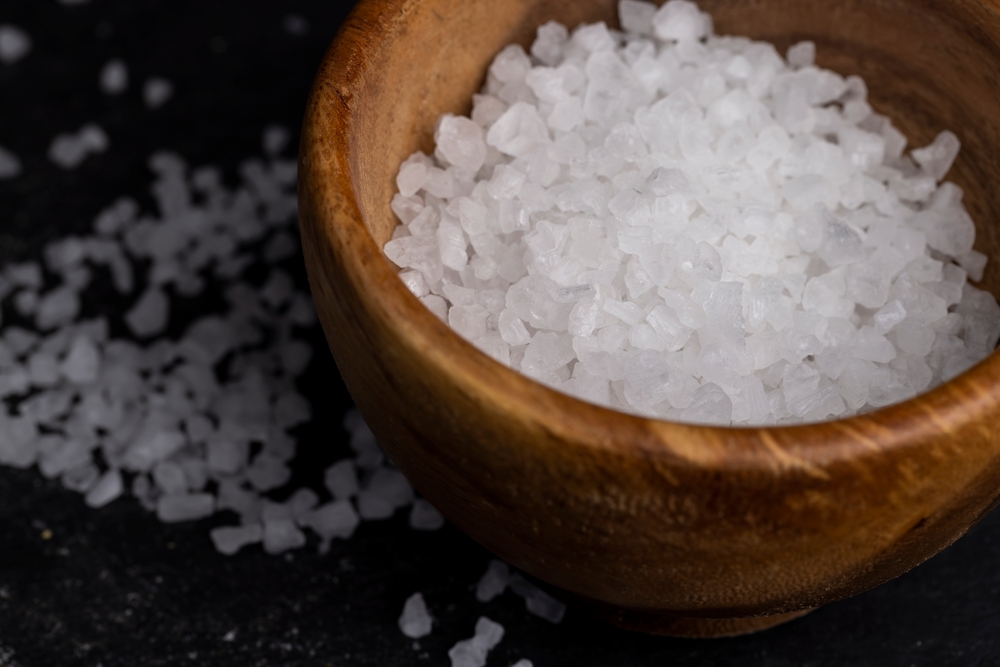
Half a cup of cottage cheese typically contains around 350 milligrams of sodium.
Tara Spisak says the high salt content can contribute to elevated blood pressure if overall sodium intake becomes too high.
Also read: Smoking may be making you lonelier, new study finds
Keep track of your daily sodium intake
The American Heart Association recommends no more than 2,300 milligrams of sodium per day and ideally less than 1,500 milligrams.
The dietitians therefore stress that sodium from the rest of the day's diet also needs to be taken into account.
Potassium supports blood vessels

Potassium helps the body excrete sodium and can also help the walls of blood vessels relax.
However, a serving of cottage cheese provides only around three percent of the recommended daily amount.
Also read: What your blood oxygen level should be, and when a low reading is a warning sign
Calcium plays a role
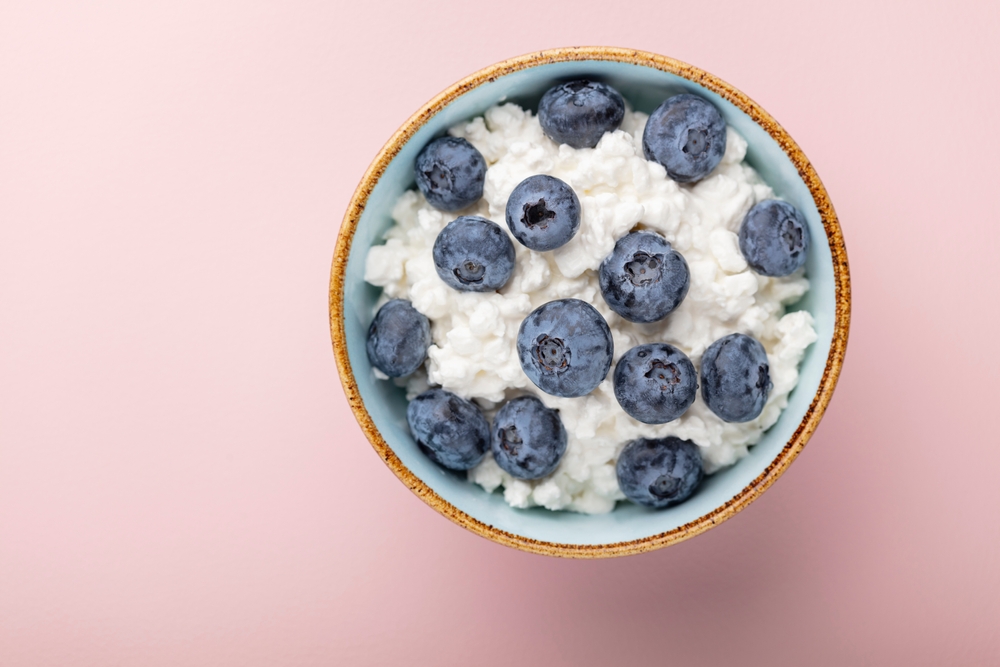
The calcium in cottage cheese plays a role in both the contraction and relaxation of blood vessels.
The nutrient is also involved in the normal function of the heart and muscles.
Cholesterol content is relatively low
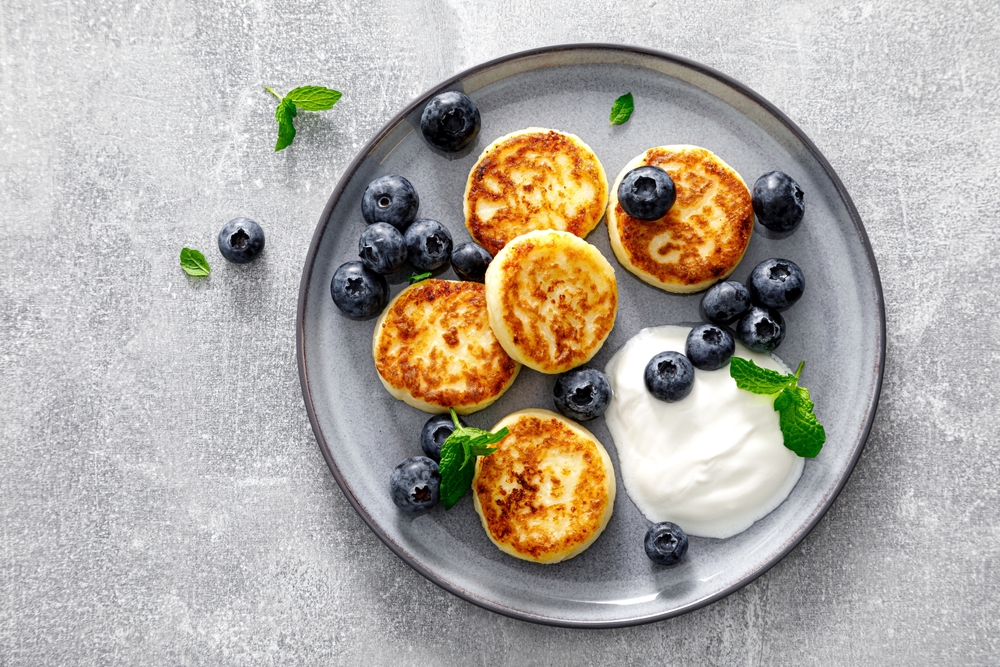
Cottage cheese contains cholesterol, but the amount is generally lower than in many other cheeses.
It can therefore be used to reduce the overall amount of cheese in certain dishes.
Also read: An egg a day and your cholesterol: it's the saturated fat, not the yolk
It can replace higher-fat products

According to Maggie Michalczyk, cottage cheese typically contains less saturated fat than products such as sour cream, mayonnaise and ricotta.
Even replacing part of these ingredients with cottage cheese can reduce the amount of saturated fat in a meal.
Fruit can enhance the meal

Sarah Mohrman suggests eating cottage cheese with fresh fruit or on top of tomato slices.
This makes it possible to combine the protein with foods that are low in sodium.
Also read: Listeria found in tomato soup: Check your freezer now
Berries and nuts work well
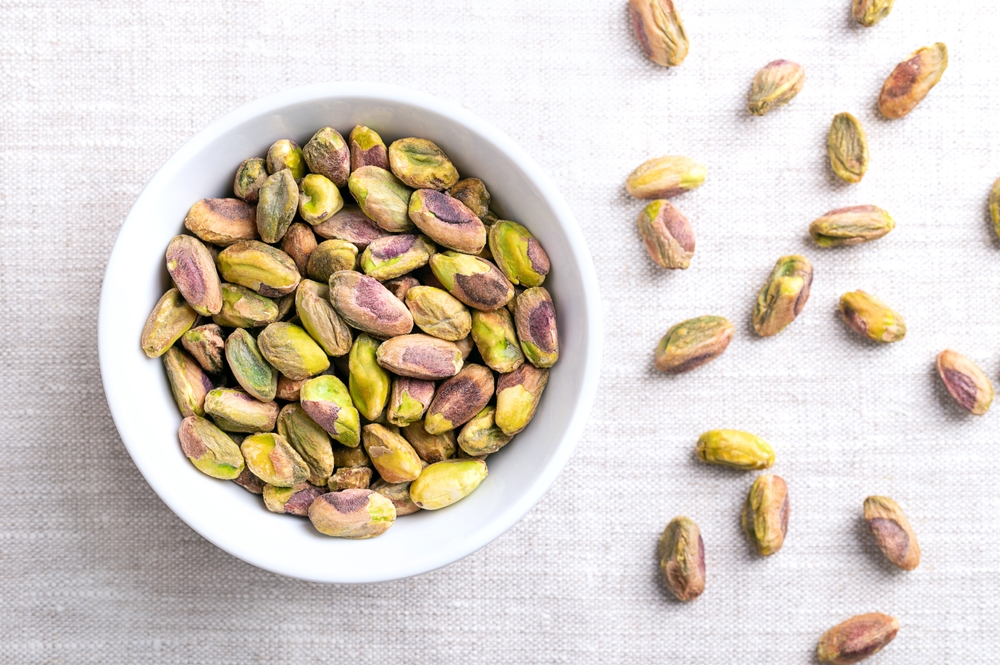
Maggie Michalczyk mentions berries, walnuts, chia seeds and cinnamon as possible toppings.
According to the article, they can be used to turn cottage cheese into a more nutritious snack.
It can be eaten for breakfast

Tara Spisak suggests half a cup of cottage cheese with fruit alongside whole-grain toast with avocado.
The combination can work as either breakfast or a snack.
It can be blended into pasta sauce

Maggie Michalczyk suggests blending cottage cheese into a tomato-based sauce. This creates a creamier pasta sauce while also adding extra protein.
The overall diet matters most

Sarah Mohrman stresses that heart health does not depend on a single food.
The overall dietary pattern is what matters most, but cottage cheese can be a source of several nutrients.
This article is made and published by Ida-Marie Palm Varbæk, who may have used AI in the preparation.