
Taking a nap during the day can be helpful, but it depends on the timing, the length of the nap, and how sleepy you actually are.
Sleep therapist Jessica Fink explains to Real Simple what you should consider before lying down to sleep.
Tiredness is not the same as sleepiness
You can easily feel tired without actually being sleepy. According to Jessica Fink, sleepiness in particular can be a reason to take a nap.
The body has a natural dip in energy
The circadian rhythm typically includes a period when energy levels drop.
Also read: A drug made for the heart may also slow how cancer spreads to distant organs
This often happens around seven to nine hours after the time your body normally wakes up.
A nap should be short
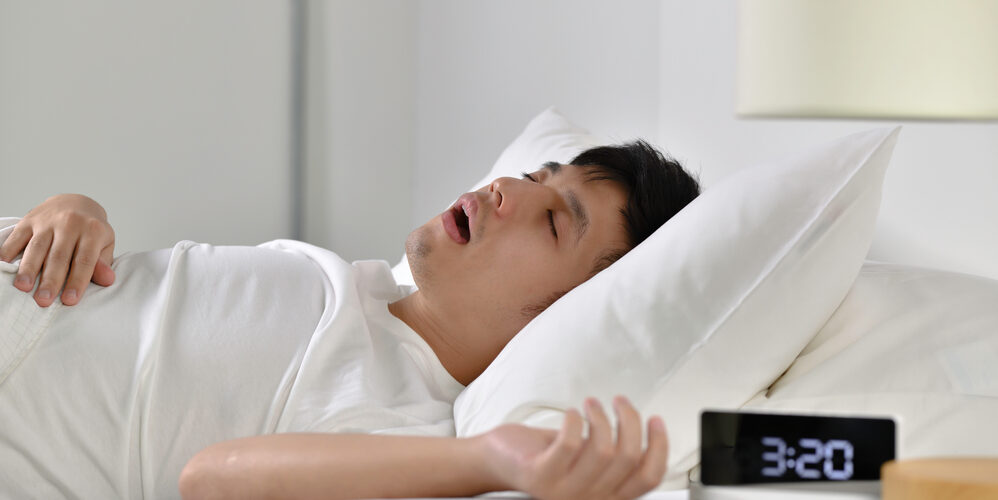
Jessica Fink recommends keeping a nap to around 20 minutes. A longer nap can increase the likelihood of entering deeper sleep.
An alarm can help
It can be helpful to set an alarm for around 30 minutes. This reduces the risk of sleeping for so long that you wake up feeling disoriented.
Movement can be better than sleep
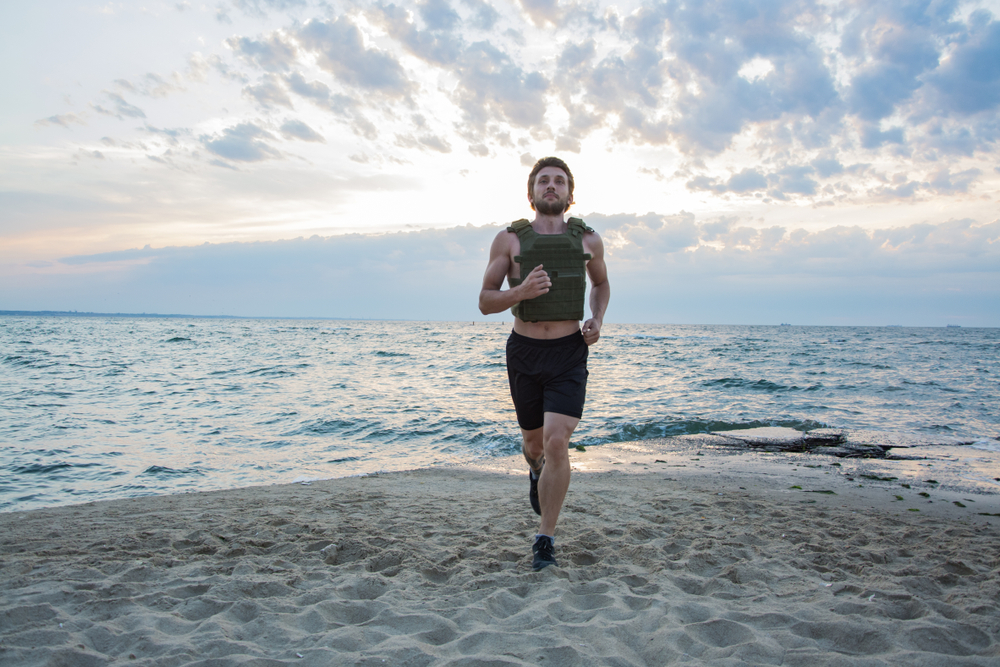
If you feel tired but not sleepy, Jessica Fink recommends getting up and moving around instead of taking a nap.
Also read: Researchers raise concerns over paracetamol in pregnancy
Naps affect the body's need for sleep
Sleeping during the day reduces the sleep pressure that would otherwise build up throughout the day. This can affect your sleep later in the evening.
Sleep problems can get worse
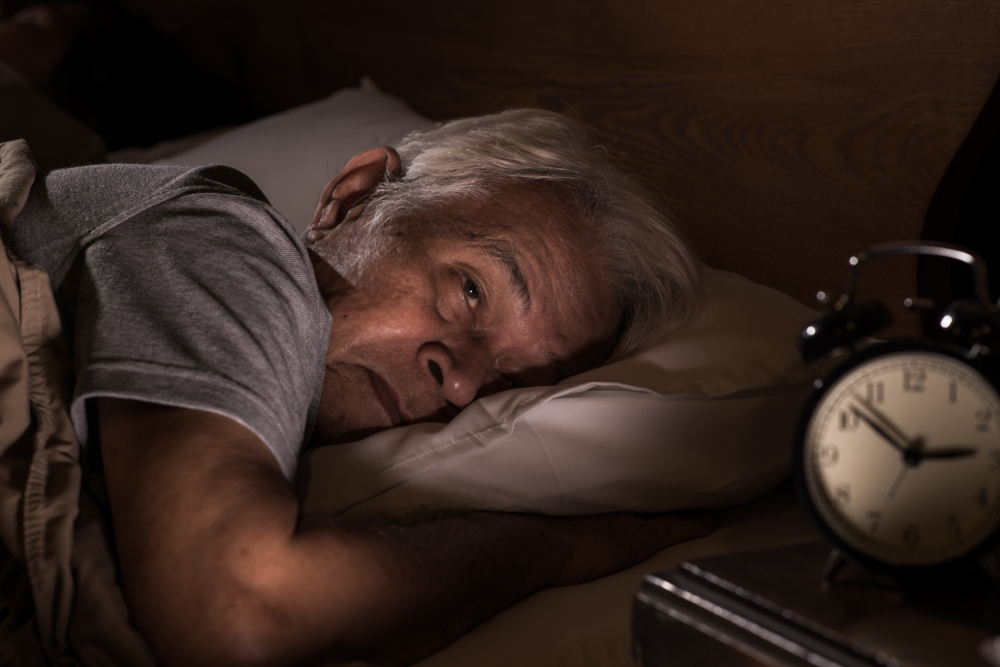
People with insomnia may have particular reason to be cautious about naps. A nap can reduce sleep pressure and make it more difficult to sleep at night.
A nap does not necessarily make up for lost sleep
Even after a poor night's sleep, a nap is not necessarily the best way to catch up on sleep.
Instead, it may affect your sleep the following night.
Also read: How to protect your hands from early signs of aging
Signs of sleepiness are clear
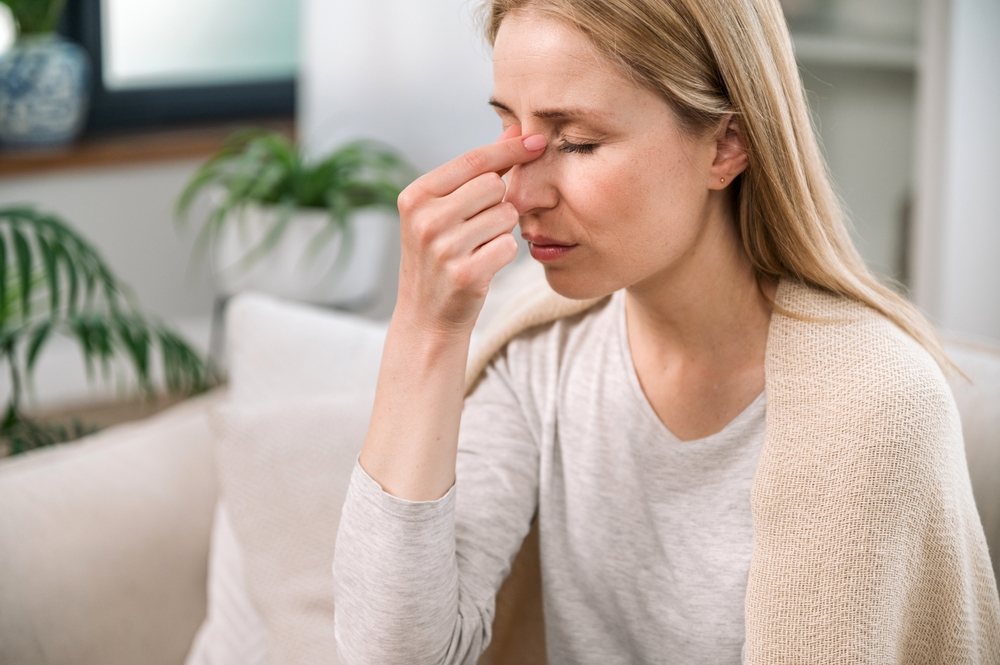
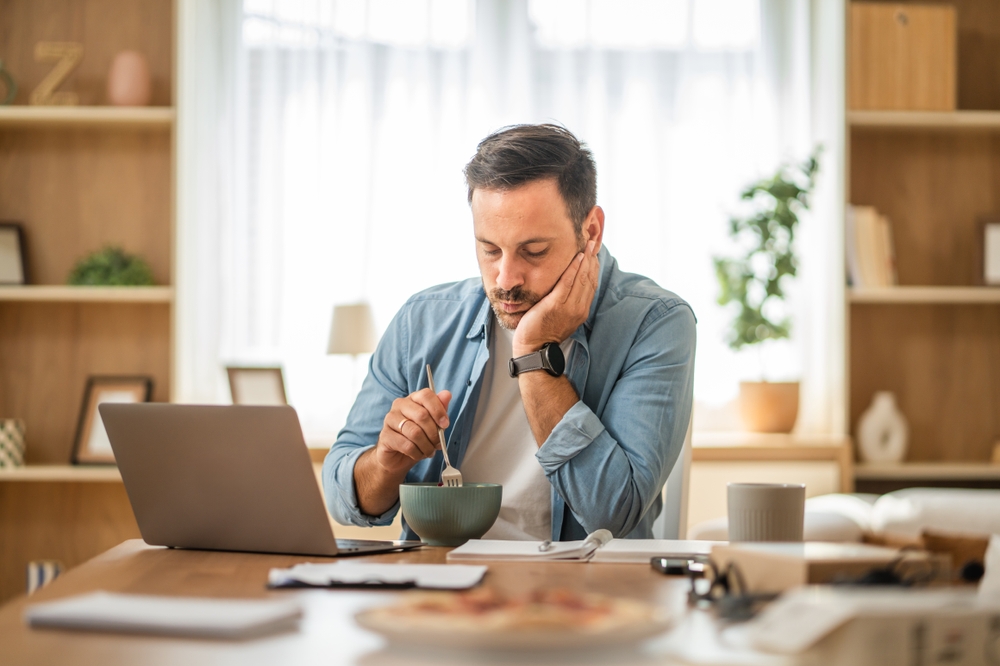
If your eyes start to close, your head begins to nod forward, or you find yourself staring blankly at your computer screen with your eyes nearly closed, these may be signs of genuine sleepiness.
Some people may particularly benefit from naps
Naps are recommended for certain people, including shift workers and those with narcolepsy or other conditions that cause pronounced daytime sleepiness.
Adenosine helps the body sleep
According to Jessica Fink, avoiding a nap can allow more adenosine to build up toward the evening. Adenosine is a substance in the brain that contributes to sleep.
Timing plays an important role
If you need a nap, it is best to take it around the time of your body's natural dip in energy. For many people, this occurs in the early afternoon.
Also read: The daily amount of cranberry extract that may actually protect your bladder from UTIs
Consider whether you really need a nap
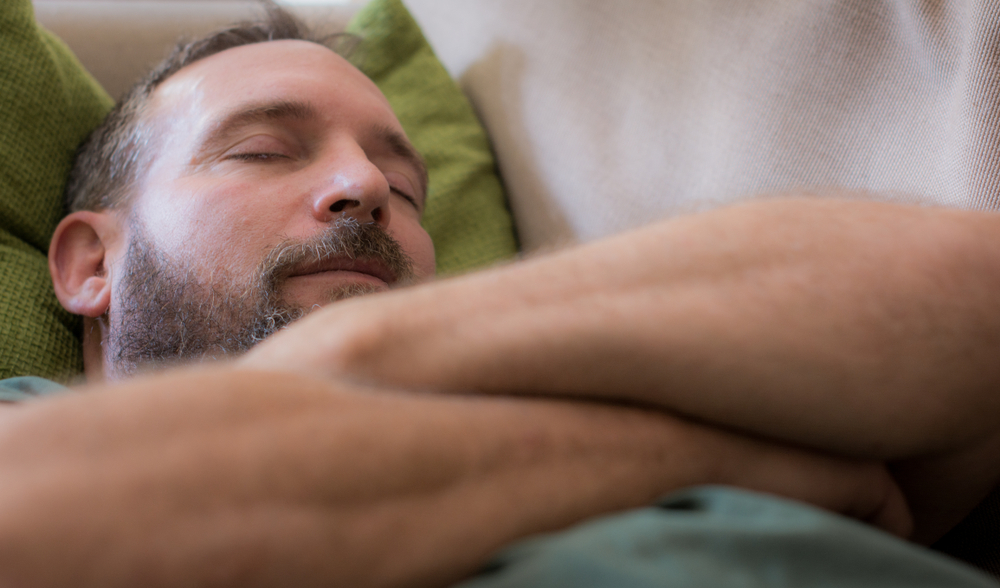
Before lying down, it can therefore be helpful to consider whether you are actually sleepy or simply feeling exhausted.
According to Jessica Fink, naps should primarily be used when sleepiness is clearly present.
This article is made and published by Ida-Marie Palm Varbæk, who may have used AI in the preparation.