
Bananas are known for their high potassium content, but several vegetables actually contain even more of this essential mineral.
According to Parade, these vegetables can help you increase your potassium intake through your diet.
Why your body needs potassium

Potassium is an essential mineral that helps the nervous system function properly and supports muscle contractions.
It also plays a key role in heart health, blood pressure regulation and kidney function.
Also read: Taking blood pressure pills? This common mistake could cost you the benefits
According to the US National Institutes of Health (NIH), the recommended daily potassium intake is 3,400 milligrams for adult men and 2,600 milligrams for adult women.
Sweet potatoes
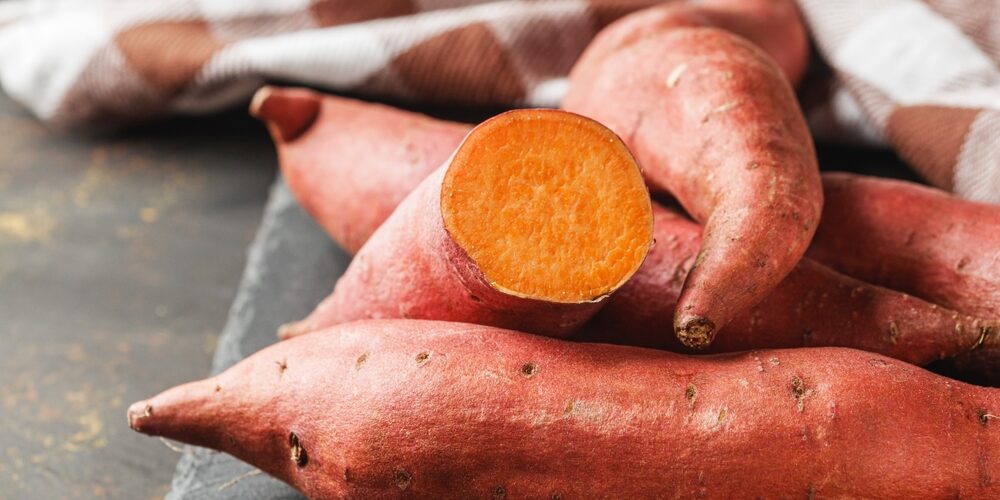
A medium-sized sweet potato contains approximately 570 milligrams of potassium. It also provides fiber and beta-carotene.
Sweet potatoes can be roasted in the oven or added to soups.
Broccoli
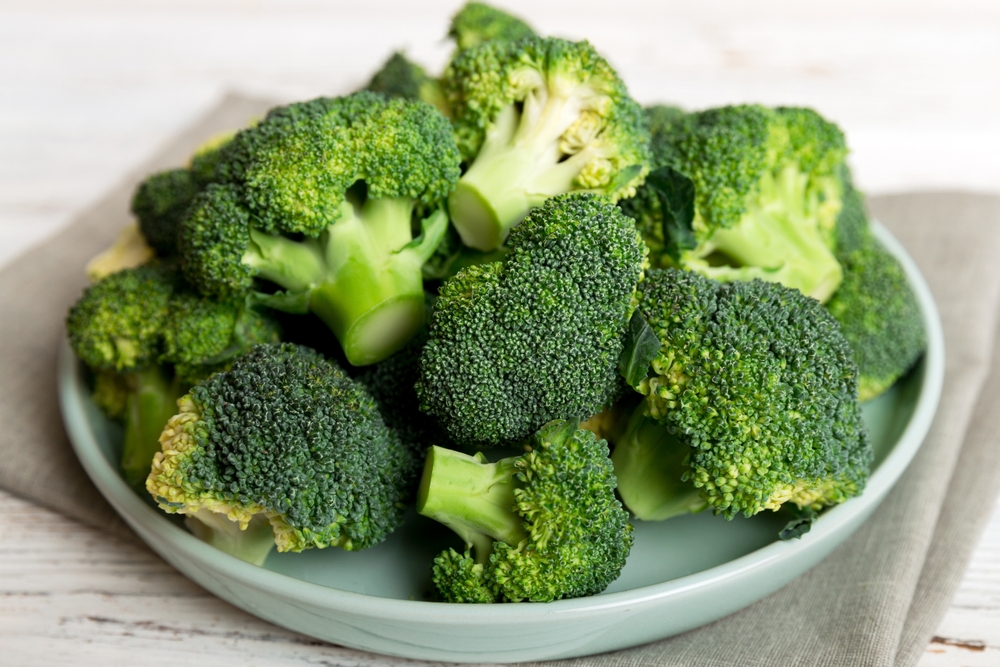
Half a cup of cooked broccoli contains approximately 230 milligrams of potassium.
Also read: Your tap water may contain twice as many forever chemicals as reported
Although broccoli contains less potassium than vegetables such as potatoes, it can still contribute to your daily intake.
Pumpkin

One cup of cooked pumpkin contains approximately 564 milligrams of potassium.
Pumpkin can be added to soups, pasta dishes and oatmeal. It also makes a great side dish for dinner.
Spinach
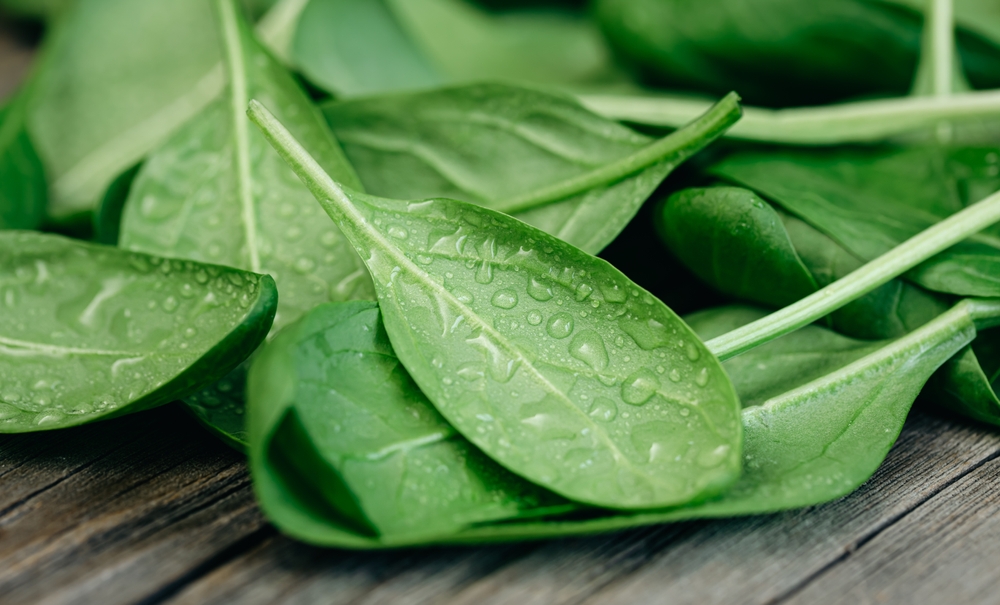
Two cups of raw spinach contain approximately 334 milligrams of potassium.
Also read: What the color of your stool can reveal about your liver and gut health
Spinach shrinks considerably when cooked, meaning portion size plays an important role when comparing its potassium content with that of other vegetables.
Potatoes
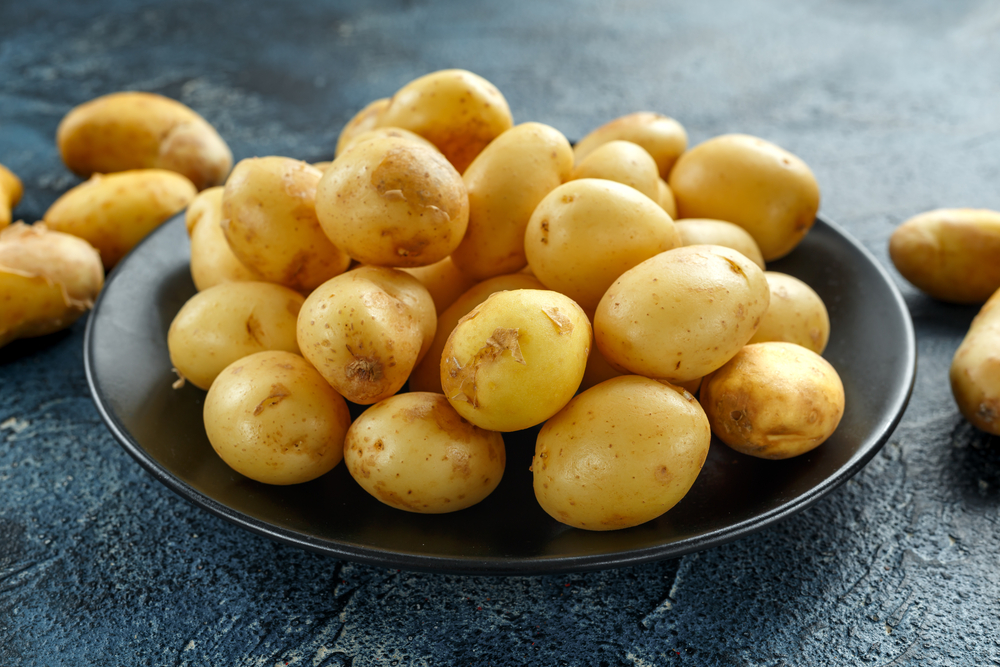
A medium-sized baked potato contains approximately 610 milligrams of potassium, even when only the flesh is counted.
Regular potatoes can therefore be a significant source of this mineral.
Asparagus
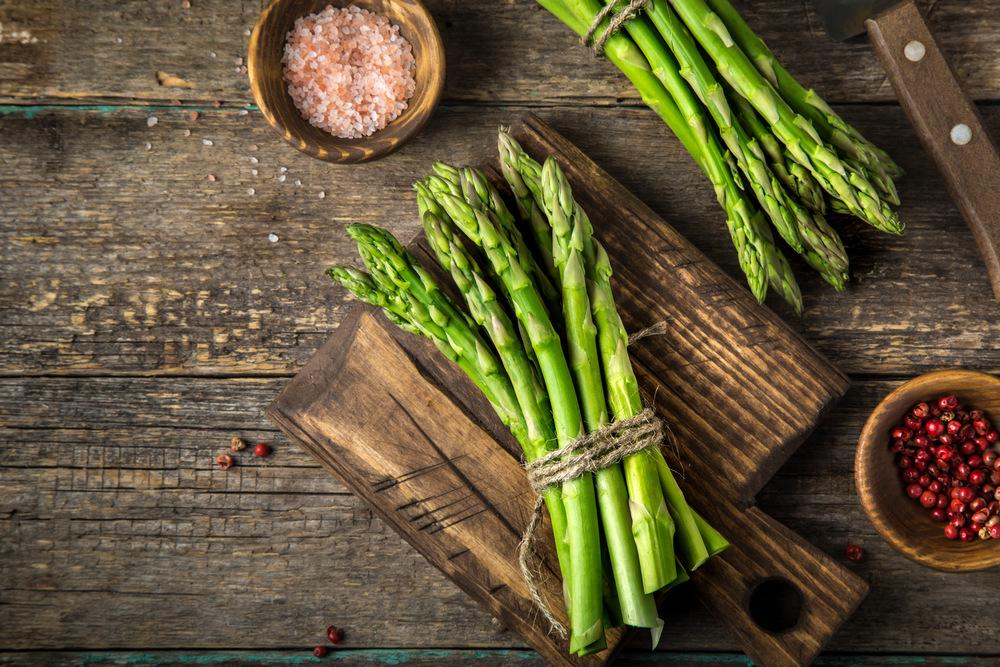
Half a cup of cooked asparagus contains approximately 200 milligrams of potassium.
Also read: How eating spinach every day may affect your blood pressure and muscle strength
Asparagus can be steamed, roasted or added to omelets, pasta dishes and various grain-based meals.
Brussels sprouts
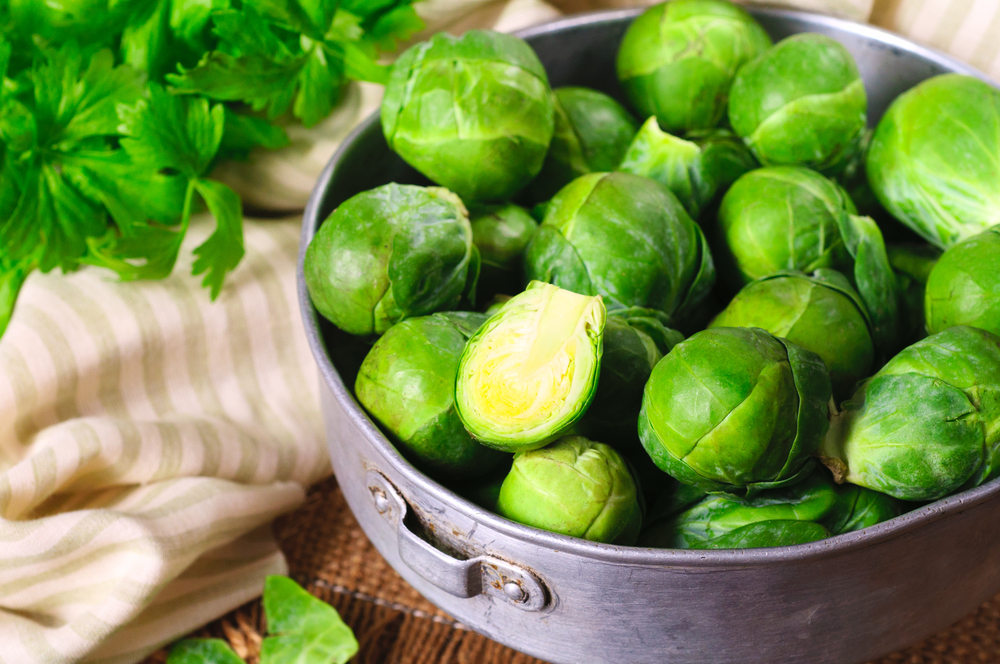
One cup of cooked Brussels sprouts contains approximately 490 milligrams of potassium.
Brussels sprouts can be roasted in the oven, giving them a slightly sweet, caramelized flavor.
Tomatoes

A medium-sized raw tomato contains approximately 292 milligrams of potassium.
Also read: Breast cancer changes lives forever: Here is the expert's most important advice
Tomatoes can easily be incorporated into your daily diet through salads and sandwiches, while canned tomatoes can be used in soups, sauces and stews.
Edamame
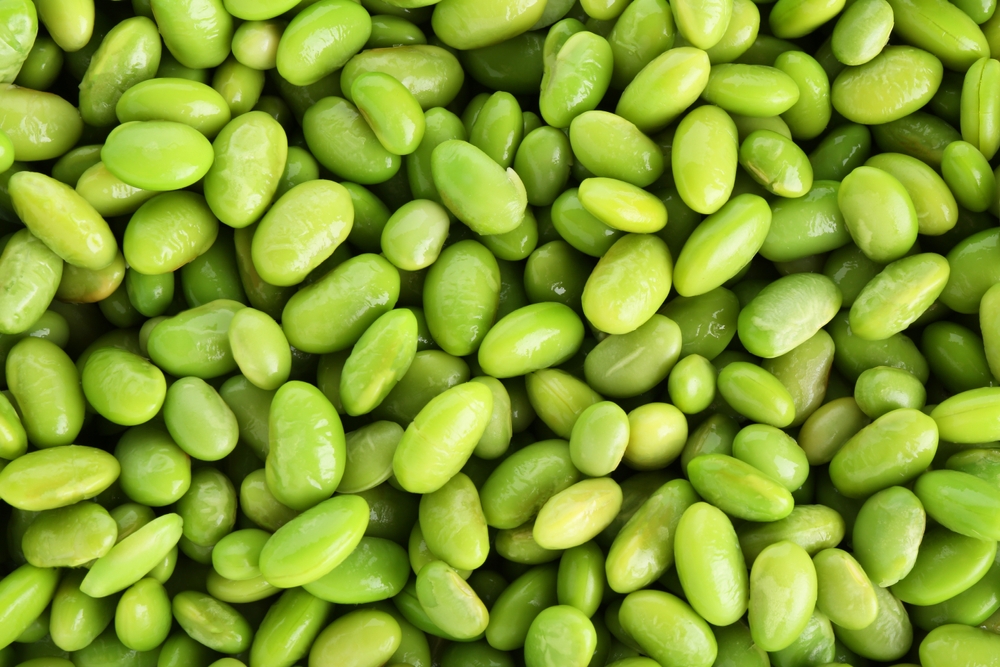
One cup of cooked edamame contains approximately 675 milligrams of potassium.
These immature soybeans are technically legumes but are often served as vegetables. They also provide both protein and fiber.
Swiss chard
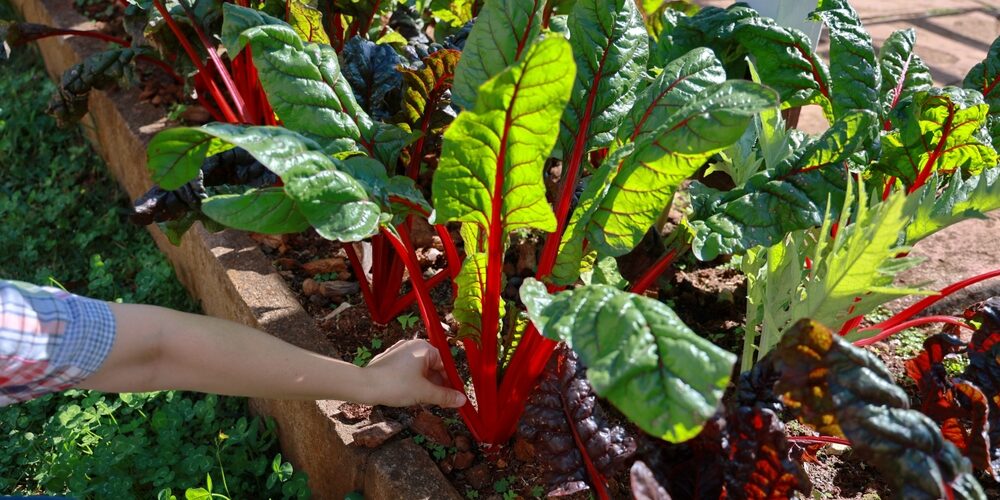
One cup of cooked Swiss chard contains approximately 960 milligrams of potassium.
This leafy green vegetable can be sautéed with garlic or added to soups and grain-based dishes.
Acorn squash
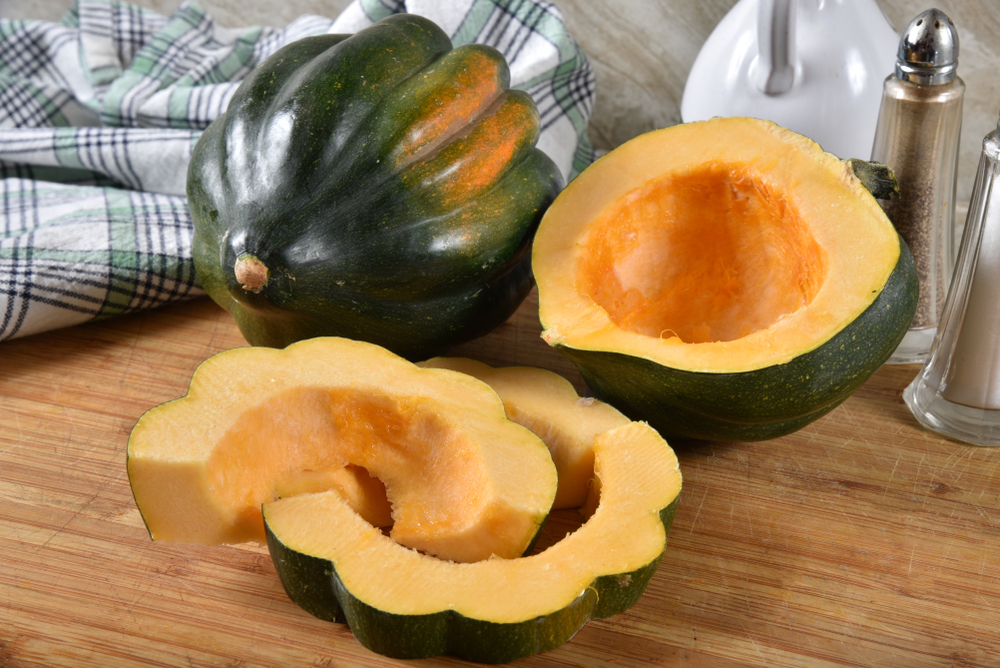
One cup of mashed acorn squash contains approximately 644 milligrams of potassium.
When baked or boiled, the vegetable develops a naturally creamy texture, making it a suitable side dish for meals during fall and winter.
Beet greens
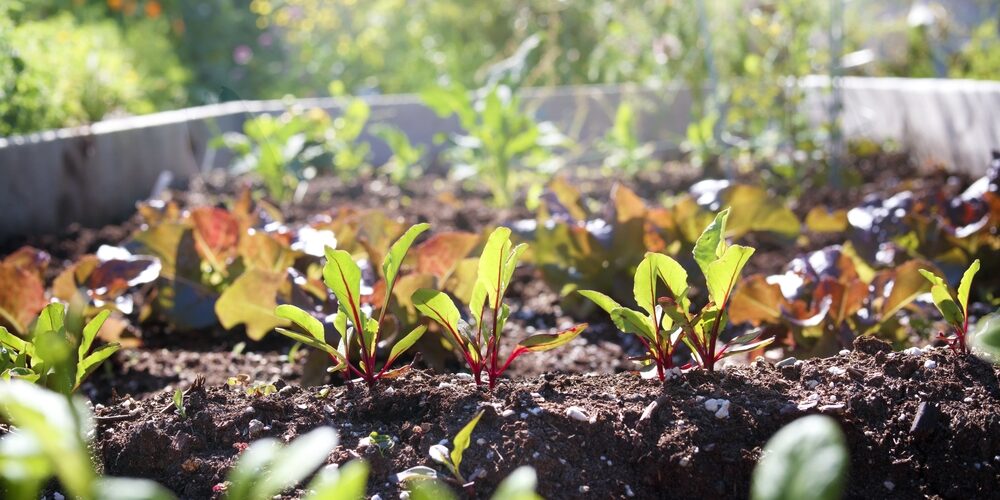
One cup of cooked beet greens contains approximately 1,300 milligrams of potassium, making them the most potassium-rich vegetable on this list.
The leaves can be prepared in the same way as spinach, so there is no need to throw them away when buying fresh beets.
This article is made and published by Ida-Marie Palm Varbæk, who may have used AI in the preparation.