
Despite widespread awareness of breast cancer, many patients continue to face challenges both during and after treatment.
According to physician Marisa Weiss, there is one period in particular when many patients feel left to cope on their own. Here are her key insights and recommendations, as reported by Healthline.
Many patients have no family history of breast cancer

Around 85 to 90 percent of people who develop breast cancer have neither a known family history of the disease nor a known inherited genetic mutation in their family.
Marisa Weiss therefore emphasises that breast cancer can affect anyone.
Also read: Eating just one Brazil nut a day may have surprising effects on your body
Artificial intelligence could improve breast cancer screening
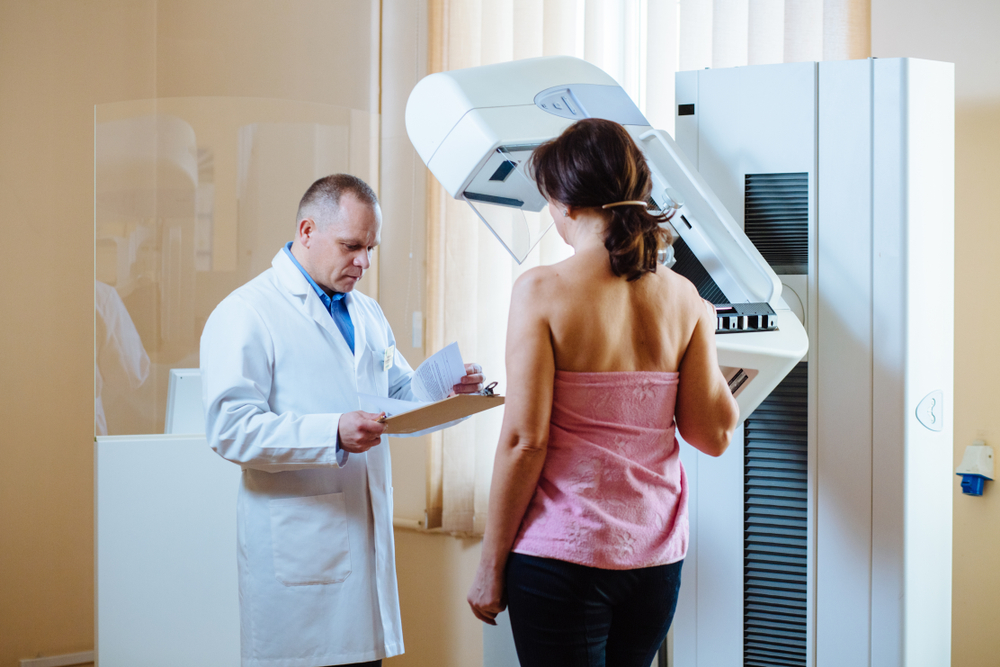
According to Marisa Weiss, artificial intelligence can help radiologists analyse mammogram images more thoroughly.
The technology may also help assess a person's risk of developing breast cancer later in life.
Prepare questions before your doctor's appointment

It can be difficult to remember every question during a medical consultation.
Marisa Weiss therefore recommends that patients research relevant information beforehand and write down their questions.
Also read: Up to 52% of sleep apnea patients reached mild or normal breathing with new drug
Bring someone you trust to medical appointments

Having a trusted person accompany you to medical appointments can provide valuable support.
They can help listen, remember important information and ensure that key messages are not overlooked.
Tell your doctor about your future plans

Personal circumstances can influence treatment decisions.
Marisa Weiss therefore recommends that patients discuss matters such as their family situation, plans to have more children and upcoming travel arrangements.
Also read: New research reveals who may benefit from aspirin against dementia
Be cautious with dietary supplements

Some breast cancer patients take dietary supplements without informing their doctor.
Marisa Weiss warns that certain products can interfere with cancer medications and cause unexpected side effects.
Medical cannabis should also be discussed with your doctor

Some patients use medical cannabis as part of their treatment.
According to Marisa Weiss, it is important to discuss its use with a doctor because of potential interactions with cancer medications.
Also read: The sleep gummies millions take every night may quietly be making insomnia harder to treat
Many patients search for health advice online

Research from Breastcancer.org shows that patients frequently search online for information about hormone therapy, peptides and GLP-1 medications, among other topics.
Some avoid asking their doctors about these subjects because they fear being judged.
Asking questions is essential

Medical explanations can be difficult to understand, particularly when doctors speak quickly or use complex terminology.
Marisa Weiss encourages patients to ask for clarification whenever something is unclear rather than pretending they have understood the information.
Also read: Dermatologist reveals: How to prevent neck wrinkles
Support groups can make a difference

Connecting with other breast cancer patients can provide access to practical advice, shared experiences and emotional support.
This can be especially valuable for people who have recently received a diagnosis or are preparing to begin treatment.
Other patients' experiences may not apply to you

Although hearing about other patients' experiences can be helpful, Marisa Weiss emphasises that every person's experience with breast cancer is different.
Patients should therefore not automatically assume that another person's treatment or experience will apply to their own situation.
You do not have to share your entire medical history

Questions from curious friends, relatives or acquaintances can be emotionally exhausting for people who have experienced breast cancer.
Marisa Weiss emphasises that patients have every right to set boundaries and decline conversations about their illness when they do not feel up to discussing it.
Everyday life can be difficult after treatment

When the initial phase of cancer treatment ends, patients are often expected to return to their previous lives.
According to Marisa Weiss, however, this is not always possible because the disease may have changed both their daily routines and their plans for the future.
Side effects can create uncertainty

After treatment, it can be difficult to determine whether symptoms are related to previous treatments or indicate new health problems.
Many patients also feel uncertain about how they can know whether their treatment has been successful.
Work and family life can cause anxiety

Questions about returning to work, talking to children and informing colleagues can become major concerns following cancer treatment.
According to Marisa Weiss, many patients lack the guidance they need to navigate these challenges.
Loneliness can be greatest after treatment

Marisa Weiss identifies the period following initial treatment as one of the biggest gaps in breast cancer care.
While patients often receive considerable attention during diagnosis and treatment, that support may diminish afterwards. This can leave them facing questions, concerns and fears about the future on their own.
This article is made and published by Ida-Marie Palm Varbæk, who may have used AI in the preparation.