
Kidney stones can develop quietly, but once they block the urinary tract, the pain can become sudden and severe, reports Cedars Sinai.
The pain is often caused by a blockage

A kidney stone itself is not necessarily painful. Pain typically begins when the stone leaves the kidney and enters the ureter, where it can block the normal flow of urine.
This is what the pain can feel like

Kidney stone pain is often sharp, deep and extremely intense. It may come in waves, becoming stronger before easing and then returning again.
The pain can move

An episode often begins with pain in the back or side, just below the ribs. As the stone travels through the urinary tract, the pain may move toward the abdomen and groin.
Also read: Green tea pills linked to liver failure: what the NIH safety data shows
Other symptoms can occur

Kidney stones may also cause nausea, vomiting, blood in the urine and a frequent or urgent need to urinate. Some people experience a burning sensation when urinating.
When to seek emergency care

Seek emergency medical care if the pain cannot be controlled or if you develop fever, chills or persistent vomiting. You should also seek immediate care if you cannot urinate, have only one kidney or have another serious medical condition.
How kidney stones form

Kidney stones develop when minerals in the urine crystallize and form hard deposits in the kidneys. Most kidney stones are calcium based, while others can be made from uric acid.
Small stones may pass naturally
According to urologist Arash Akhavein, stones measuring up to about 5 or 6 millimeters have a reasonable chance of passing without medical intervention. Larger stones are less likely to pass naturally.
Also read: Chew each bite twice as long: your next meal may quietly shrink by 15%
It is important to know whether the stone is gone
Even if the pain disappears, the stone may still be present and blocking the urinary tract. If the stone has not been collected, further imaging may be necessary to confirm that it has passed.
A stone that remains stuck can be serious

A kidney stone that does not pass or is not removed can damage the kidney and lead to infection. In severe cases, an infection can develop into sepsis, which can be life threatening.
CT scans are used for diagnosis
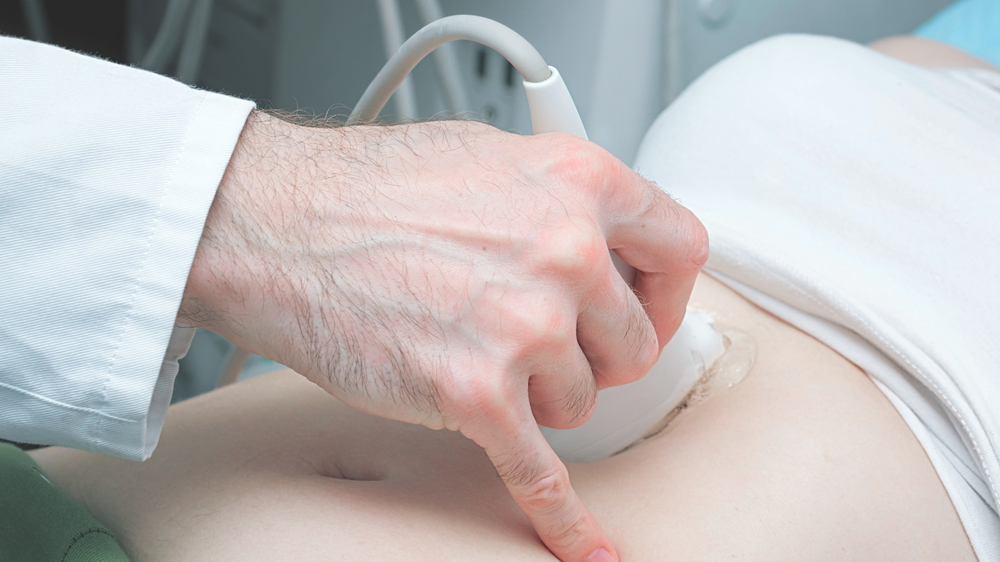
A CT scan is the best way to diagnose a kidney stone. Treatment decisions depend on factors including the size of the stone, whether an infection is present, kidney function and whether the pain can be controlled.
There are several treatment options

If a stone does not pass naturally, it can be removed with ureteroscopy, broken into smaller pieces using sound waves or removed directly from the kidney through a minimally invasive procedure. The appropriate approach depends on factors including the size and complexity of the stone.
Also read: Want to strengthen your core after 60? Trainer recommends six exercises
Fluids and diet can help with prevention

Dehydration is a common cause of kidney stones, so drinking plenty of water throughout the day can help prevent them. Limiting salt and animal protein may also help, while citrate found in lemons, limes and oranges can contribute to preventing new stones.
Also read: 30 grams of nuts a day linked to lower risk of high blood pressure
This article is made and published by Mie Hermansen, who may have used AI in the preparation.