
A small serving of pumpkin seeds each day can affect everything from fullness to cholesterol, but there is good reason to keep an eye on portion size, reports Real Simple.
Pumpkin seeds can be much more than a seasonal fall snack. These small seeds contain a range of nutrients, but both the amount you eat and the type you choose matter if you make them part of your daily diet.
A small serving packs plenty of calories
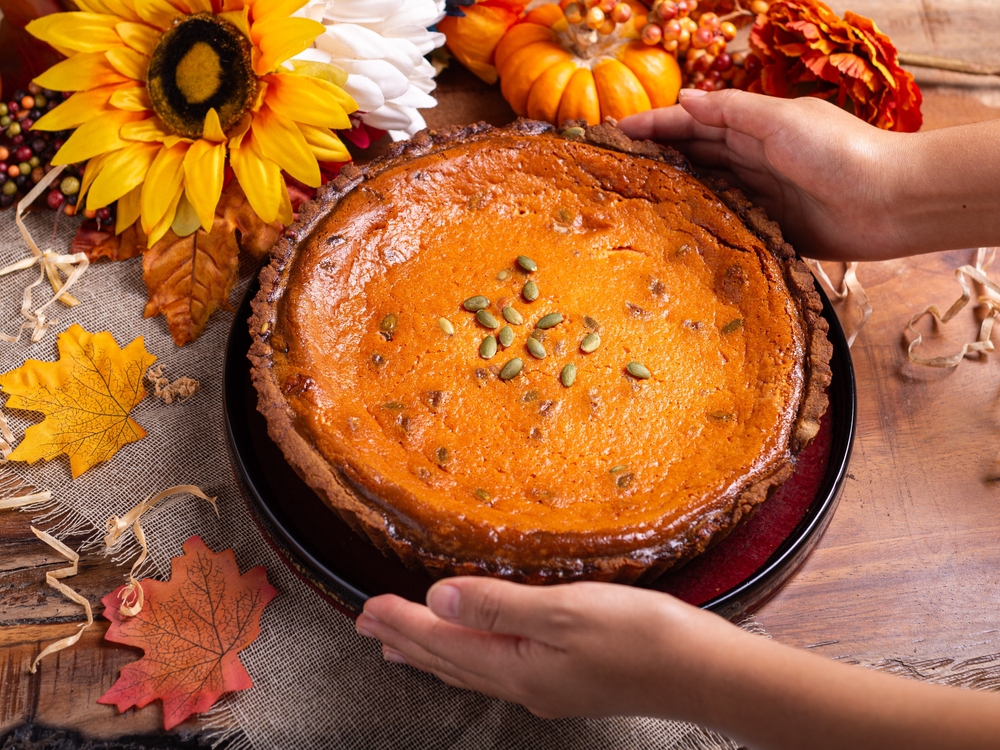
Pumpkin seeds may not take up much space, but they are relatively high in calories. Around 30 grams of raw pumpkin seeds provides 166 calories. The same serving also contains 12 grams of fat, 8.97 grams of protein, 5.61 grams of carbohydrates, and 1.53 grams of fiber.
The protein content is surprisingly high
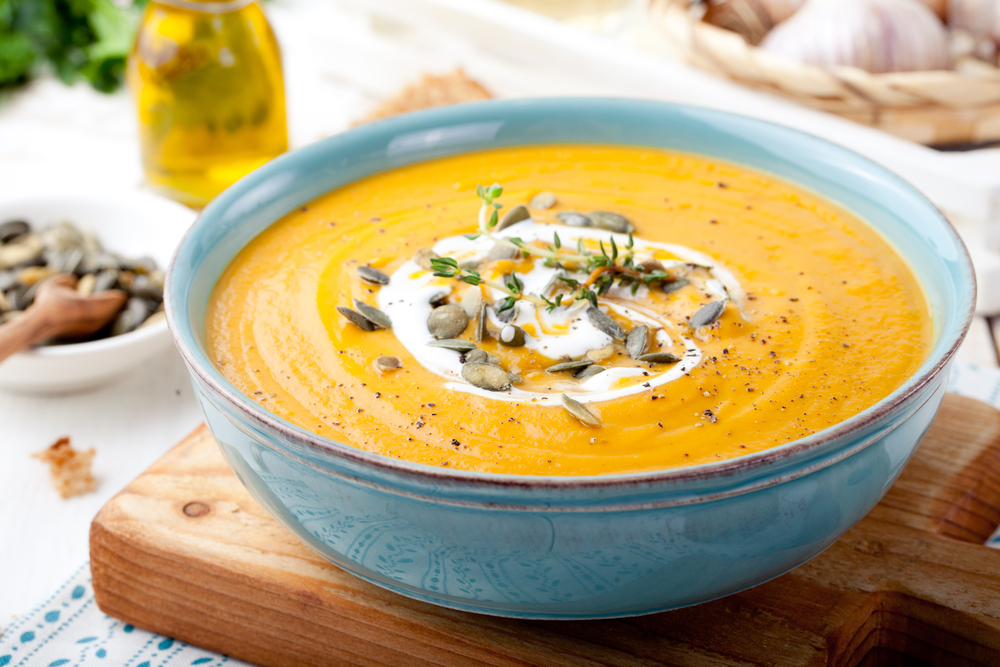
With almost 9 grams of protein in a 30 gram serving, pumpkin seeds are a good source of plant protein. Registered dietitian Kylie King points out that this amount actually provides more protein than a large egg.
Also read: Diet with regular exercise may cut your death risk after 65
Magnesium is one of their nutritional strengths
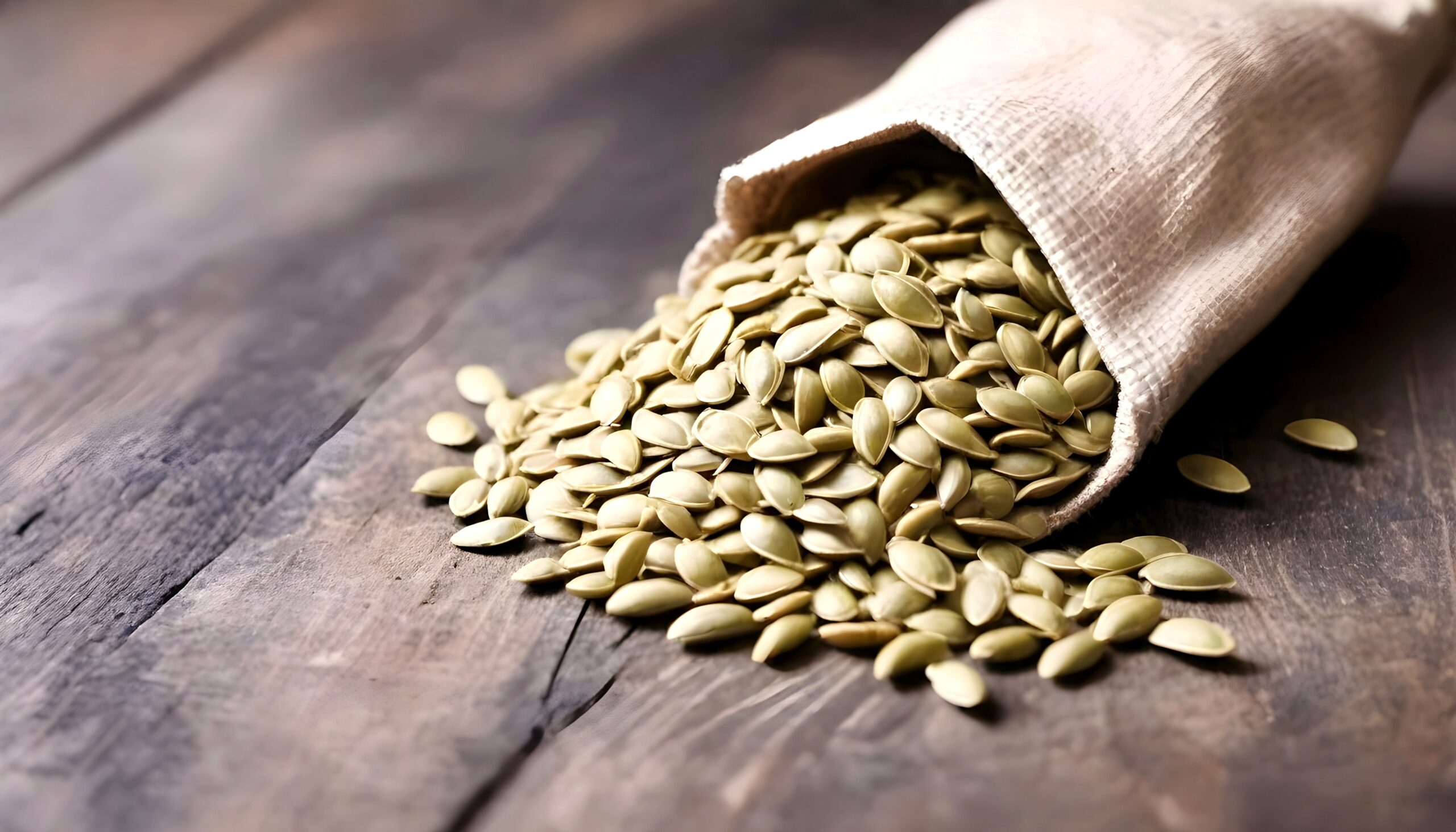
One serving contains around 150 milligrams of magnesium, which according to Kylie King amounts to roughly 35 to 40 percent of your daily needs. The mineral plays a role in regulating blood sugar and blood pressure and is also important for muscle and nerve function.
You may feel fuller between meals

If pumpkin seeds become part of your daily diet, greater fullness between meals may be one of the first changes you notice. Their combination of protein and fat makes them satisfying and could reduce the urge to snack later in the day.
Salt can change the picture
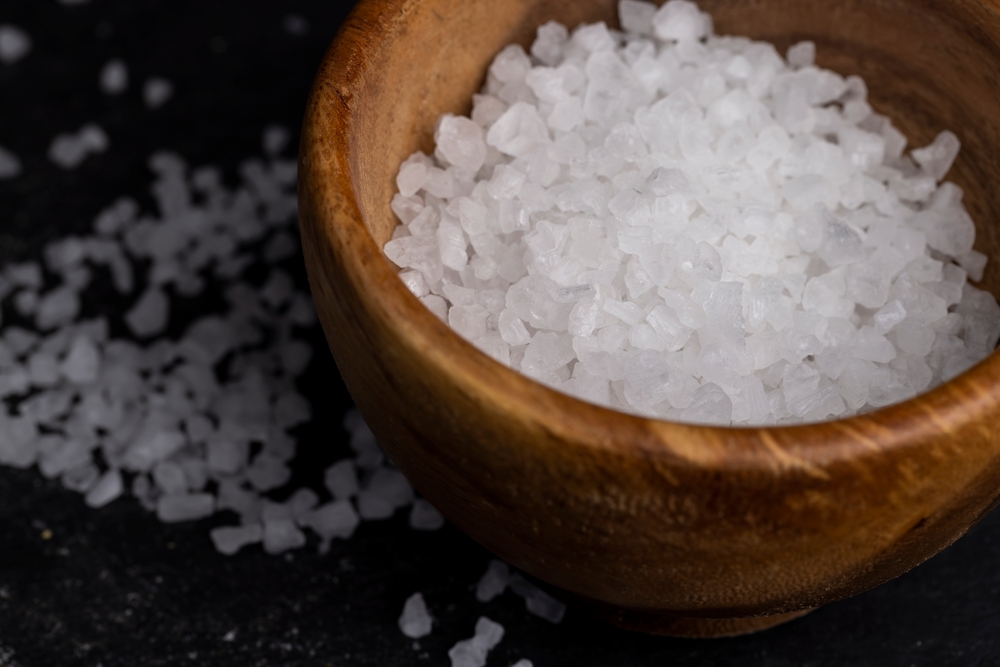
It is worth checking the label if you prefer roasted pumpkin seeds. Some varieties contain a lot of salt. A high sodium intake can cause water retention, bloating, and puffiness and may temporarily raise blood pressure, particularly in people who are more sensitive to salt.
Unsalted seeds are a better everyday option
If you plan to eat pumpkin seeds every day, Kylie King recommends choosing raw seeds or roasted varieties without added salt. This helps you avoid the high sodium intake that can come with heavily salted versions.
Also read: You don't need to walk 10,000 steps to benefit from your walk
They may have an effect on cholesterol
In addition to their regular nutrients, pumpkin seeds contain phytosterols. These plant compounds can interfere with cholesterol absorption in the digestive tract and may therefore help lower LDL cholesterol. Elevated LDL cholesterol is a major risk factor for heart disease.
What they replace in your diet matters
The potential long term benefits are not simply about adding pumpkin seeds to your diet. According to Kylie King, what you eat less of also matters. If the seeds replace chips, crackers, or other highly refined snacks, you get plant protein, magnesium, unsaturated fats, and a broader range of nutrients instead.
Blood pressure and cholesterol may improve over time
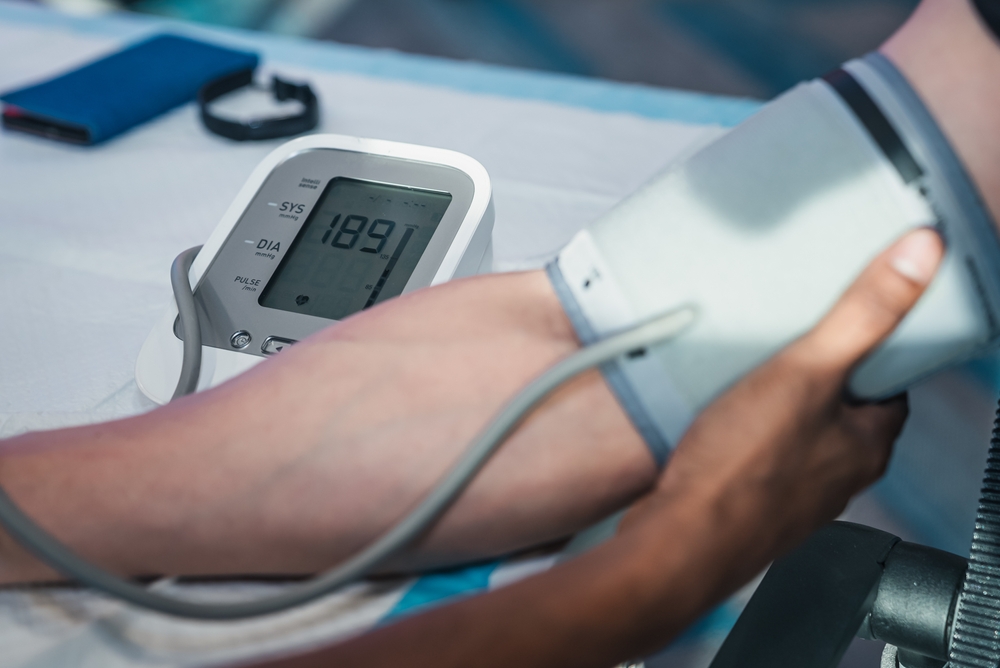
When pumpkin seeds regularly replace more processed snacks, the change can support cardiovascular and metabolic health. After several months, this could potentially show up as more favorable cholesterol levels or a modest improvement in blood pressure.
Eating straight from the bag can make portions harder to control
Pumpkin seeds are compact, so a standard serving may look smaller than expected. Eating directly from the bag can make it easy to consume considerably more than the roughly 160 calories found in a regular serving. According to Kylie King, a 160 calorie snack can quickly turn into around 400 calories.
Also read: Reading for an hour may cut your Alzheimer's risk by a third
Too much can have long term consequences
Consistently consuming more calories than needed from pumpkin seeds can have an impact over several months. It could raise triglycerides or fasting blood sugar and may also make it more difficult to improve cholesterol and other metabolic markers.
Around 30 grams is enough for most people
Kylie King suggests around 30 grams per day, or roughly a quarter cup of shelled pumpkin seeds, as a suitable amount for most people. Anyone with a pumpkin seed allergy should avoid them. People with diagnosed kidney disease should also be cautious if their doctor has advised them to limit potassium or phosphorus.
Also read: New study: Dietary supplement may help maintain weight loss
This article is made and published by Mie Hermansen, who may have used AI in the preparation.