
Washing your hair is a regular part of everyday life, but few people give much thought to how often they should actually do it.
According to professional hairdressers, however, your washing habits can have a greater impact on both your hair and scalp than you might expect, writes Real Simple.
Washing your hair every day is not necessarily harmful
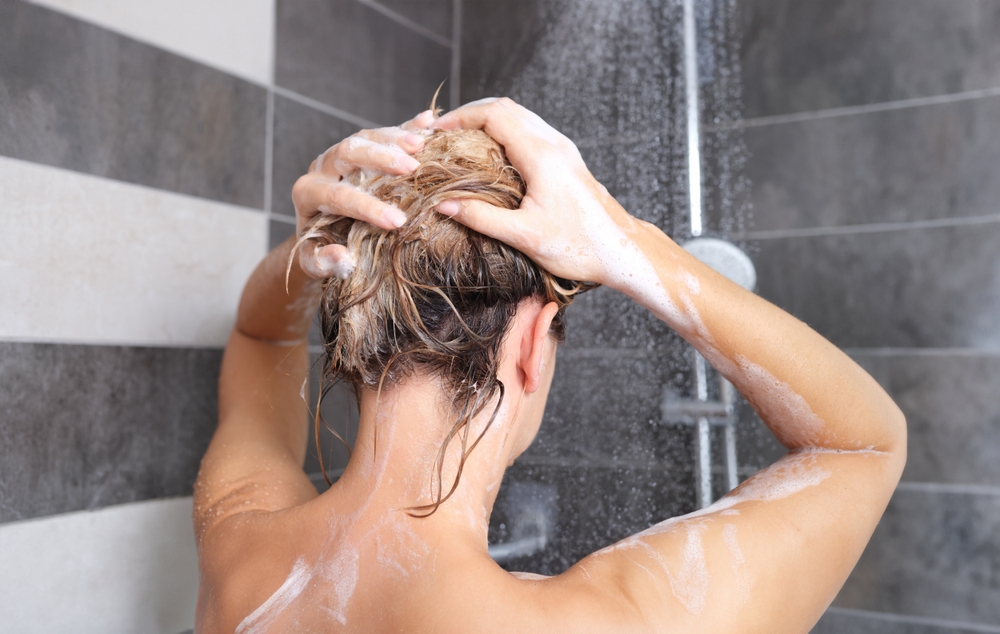
Washing your hair every day is not automatically bad for it. According to hairdressers, there is no single routine that works for everyone, and individual needs can vary considerably.
Hair type plays an important role
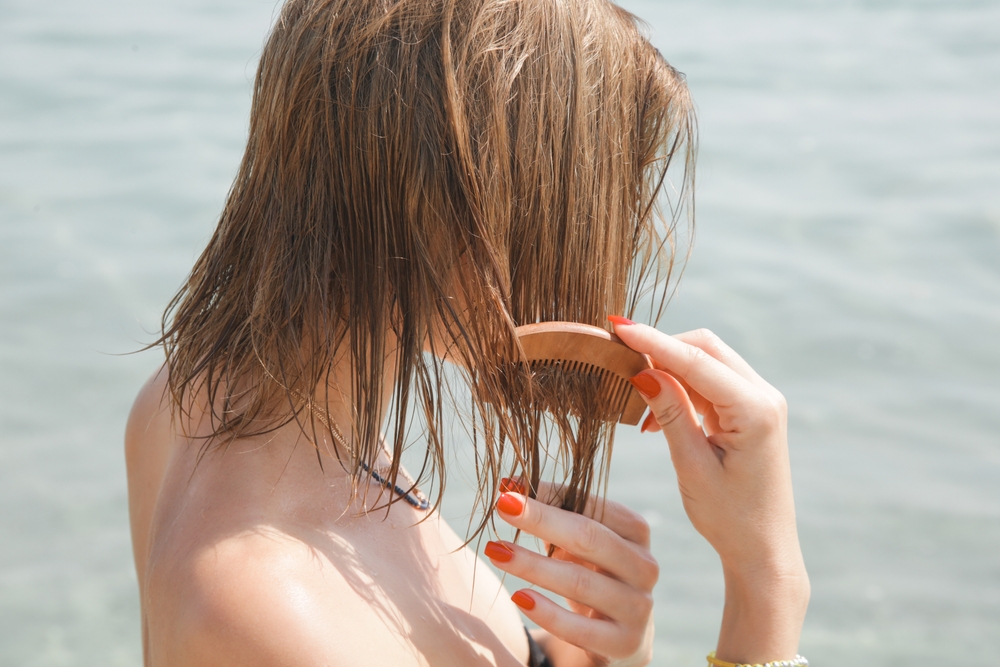
Celebrity stylist Jay Birmingham explains that some hair types require more frequent washing than others. Even factors such as sleep and other aspects of your lifestyle can affect how often your hair needs shampooing.
Also read: The air you breathe may raise your risk of suicidal thoughts
Healthy hair can be washed daily
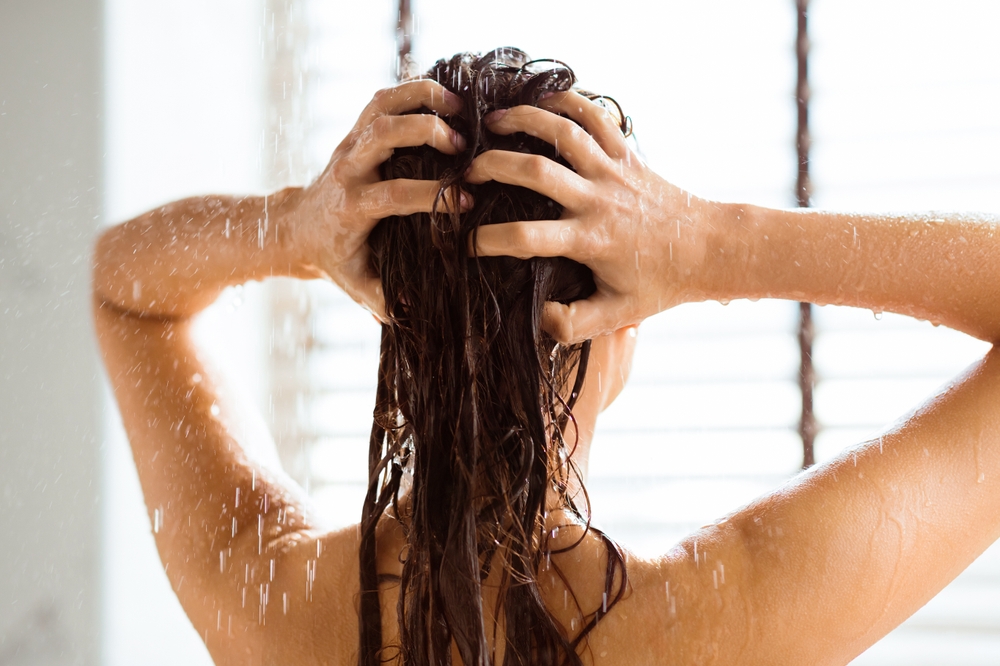
If washing your hair every day works well for you and both your scalp and hair remain healthy, balanced and shiny, there is not necessarily any reason to change your routine, according to Real Simple.
Fine hair may need more frequent washing
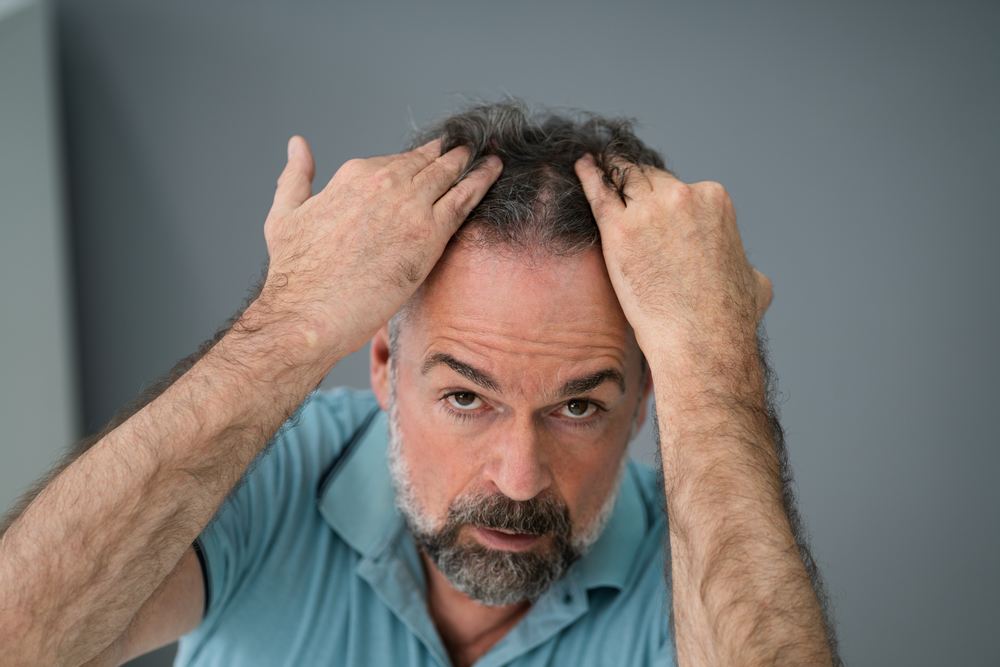
People with thin or fine hair may need to wash it more often. The same can apply to untreated hair and completely straight hair.
Straight hair becomes oily more easily
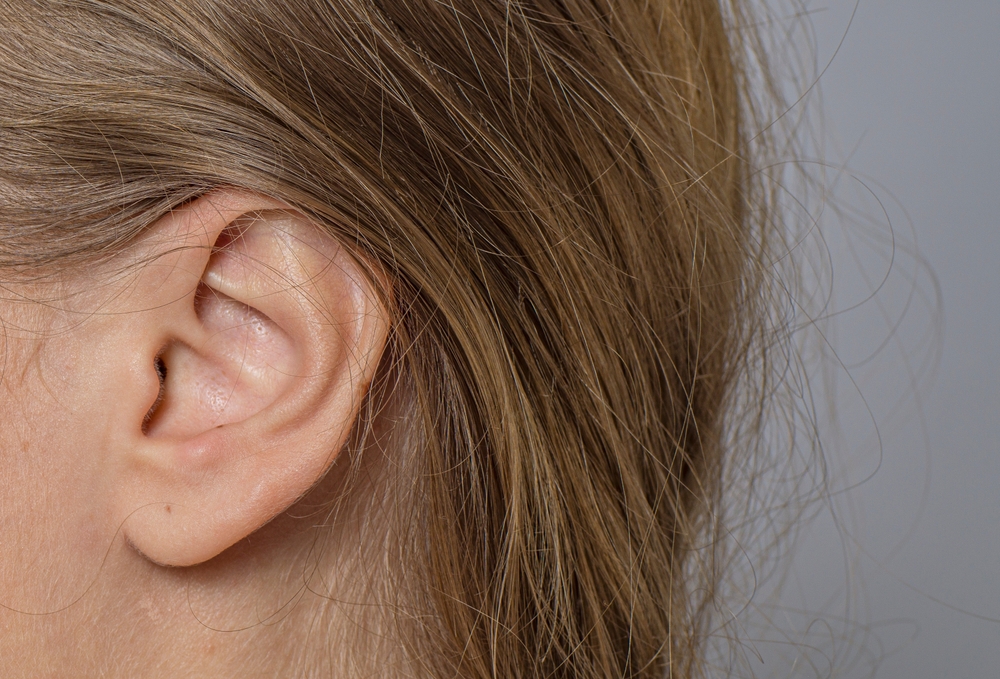
Stylist Gregga Prothero explains that oil travels more easily along straight hair because it lacks natural texture or waves. Hair dye can also absorb some of the oil.
Your scalp can affect how often you need to wash
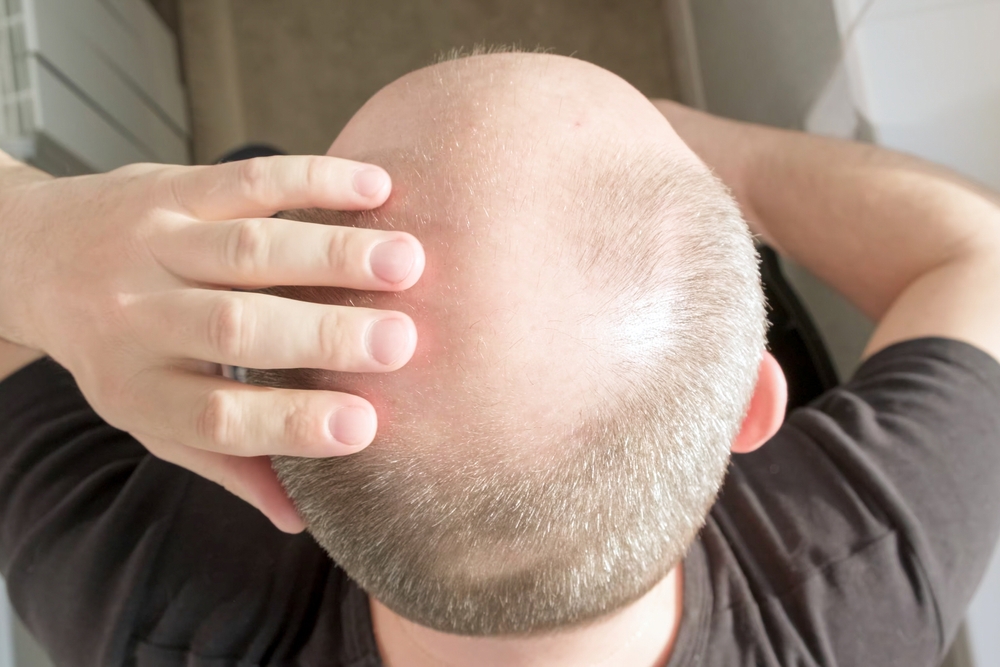
According to Prothero, people with diagnosed scalp conditions may also need to wash their hair more frequently. This means that finding the right routine is not just about the hair itself.
Also read: A short course of immunotherapy before surgery kept bowel cancer from returning
Every two to three days may be suitable

Although some people can comfortably wash their hair every day, many hairdressers believe that shampooing approximately every two or three days is often a better starting point, according to Real Simple.
Washing too often can cause problems
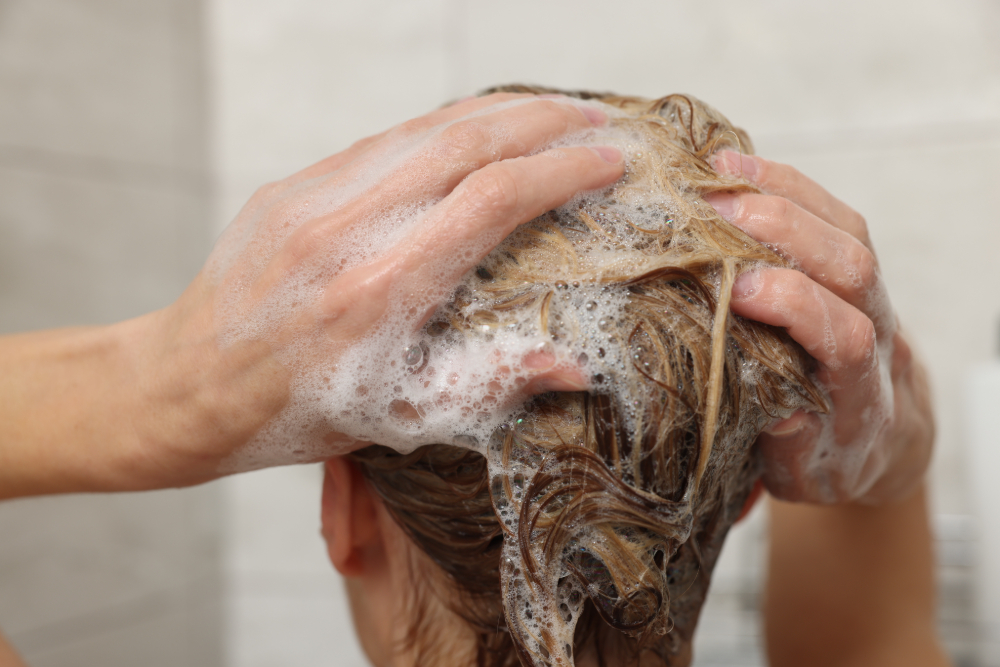
Prothero warns that excessive washing can leave the scalp oily while making the lengths and ends of the hair dry. This can eventually lead to split ends and breakage.
The scalp needs time
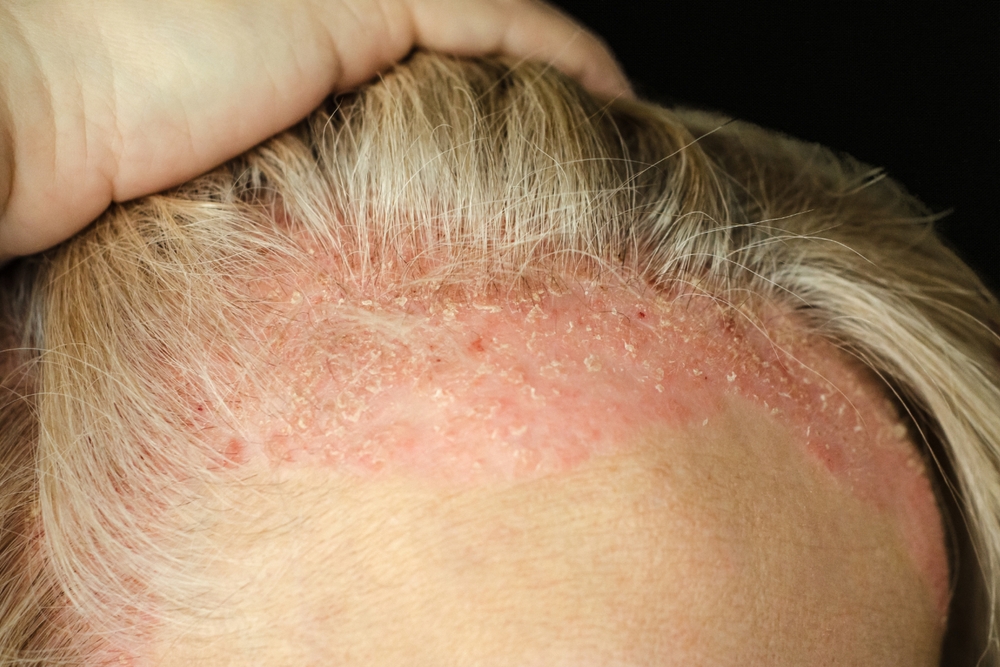
Birmingham points out that both the hair and scalp need an opportunity to replenish oils and skin cells. According to him, very frequent washing can contribute to oil buildup.
Look out for oiliness and dryness

One possible sign that you are washing your hair too often is an oily scalp combined with dry hair, particularly around the mid-lengths and ends.
Also read: A new scan could help millions of men avoid an unnecessary prostate biopsy
Irritation can be a warning sign
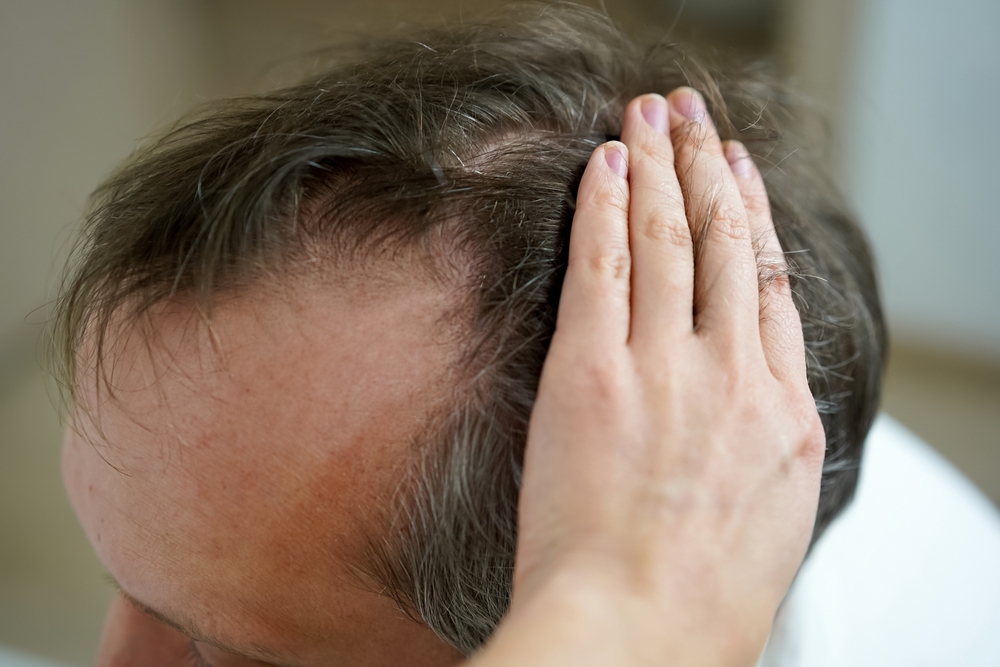
Hair that quickly becomes oily after shampooing may be another sign. An irritated scalp that is both oily and flaky is also mentioned as a possible indication.
Damage can reveal overwashing
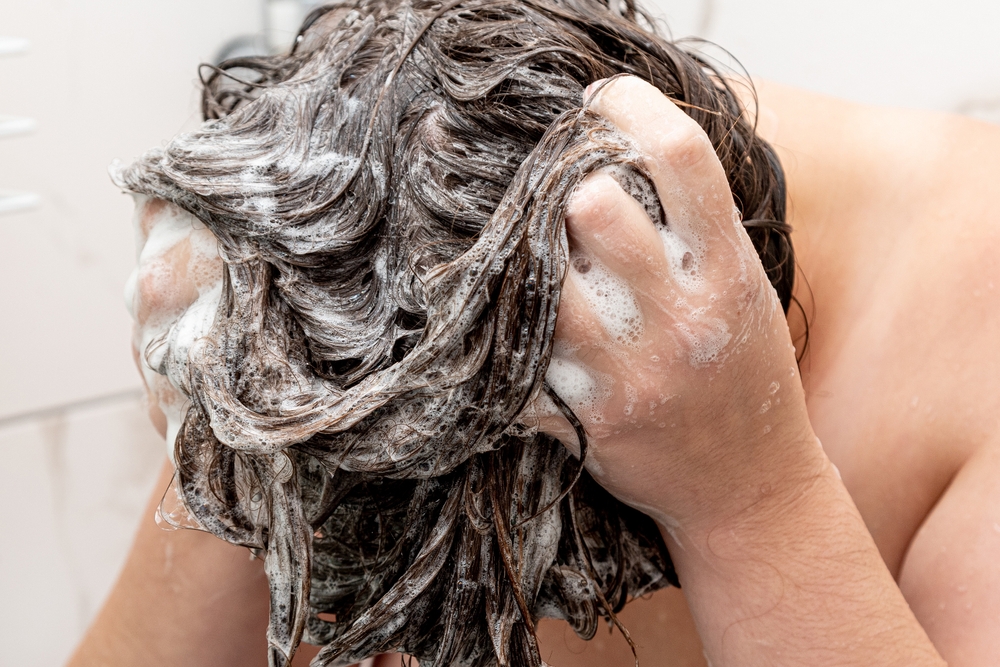
More breakage, split ends and a duller appearance can be signs that the hair is being washed too frequently, according to Real Simple.
Hair needs time to adjust to fewer washes
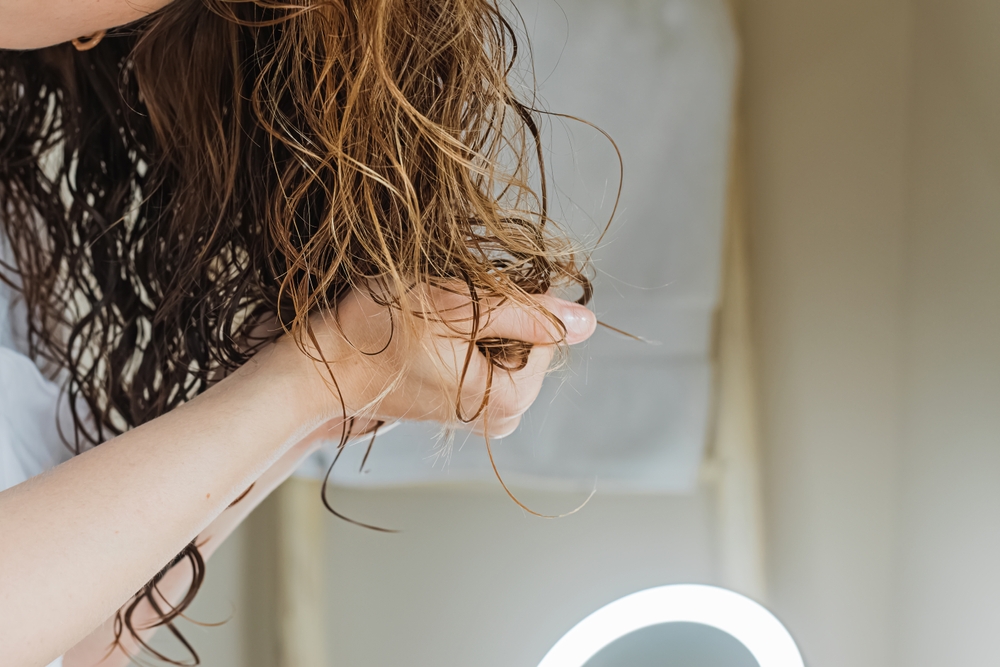
If you switch from washing your hair every day to leaving longer intervals between washes, your hair may go through an adjustment period. According to Real Simple, it can eventually find a new balance and produce less oil.
Dry shampoo can help
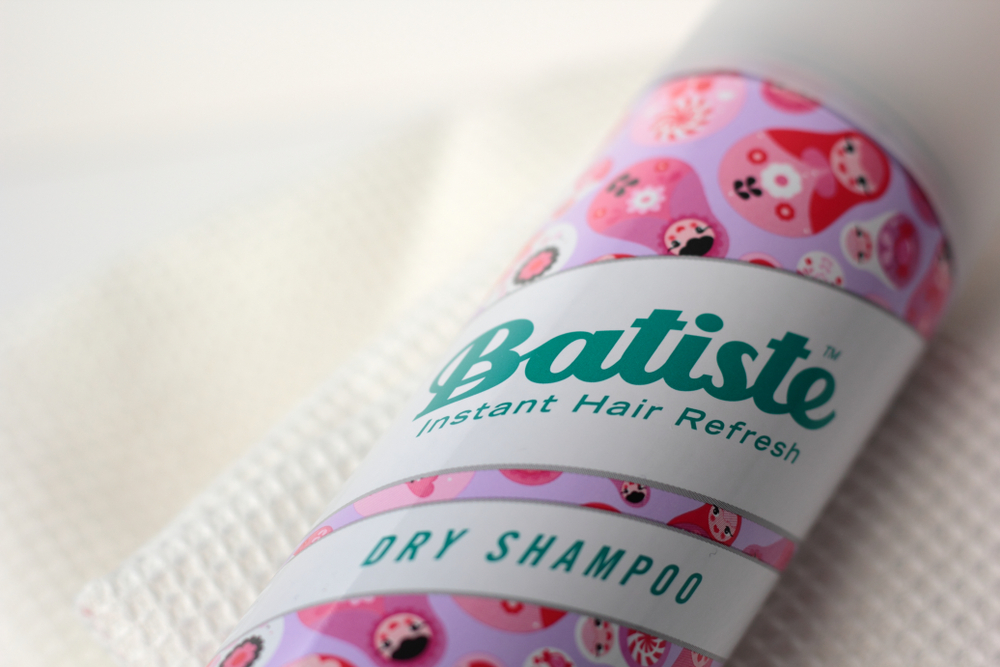
Birmingham recommends using dry shampoo on days when you would normally wash your hair. This can make it easier to gradually establish a routine with fewer washes.
Also read: Following these 8 habits may cut your risk of dying from cancer, large study suggests
Hairstyles can disguise oily hair

A slicked-back bun or a headband can be used on days when your hair otherwise feels ready for a wash. This can help you postpone your next shampoo.
Styling products can absorb oil
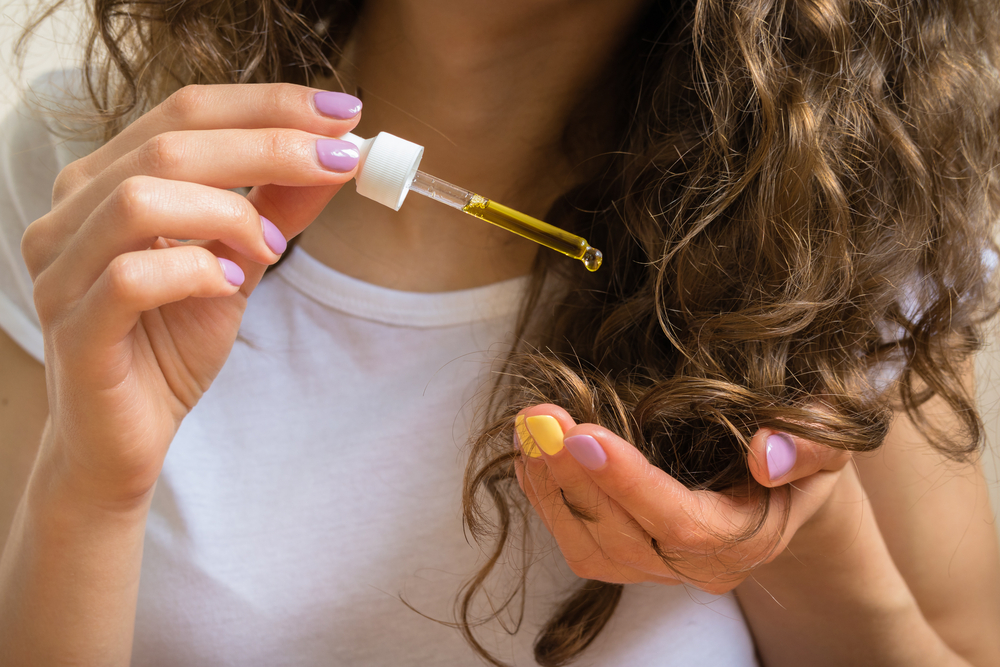
Texturizing powder can be applied before styling to help absorb excess oil throughout the day. This can reduce the greasy appearance that often prompts people to wash their hair.
A brush can distribute the oil
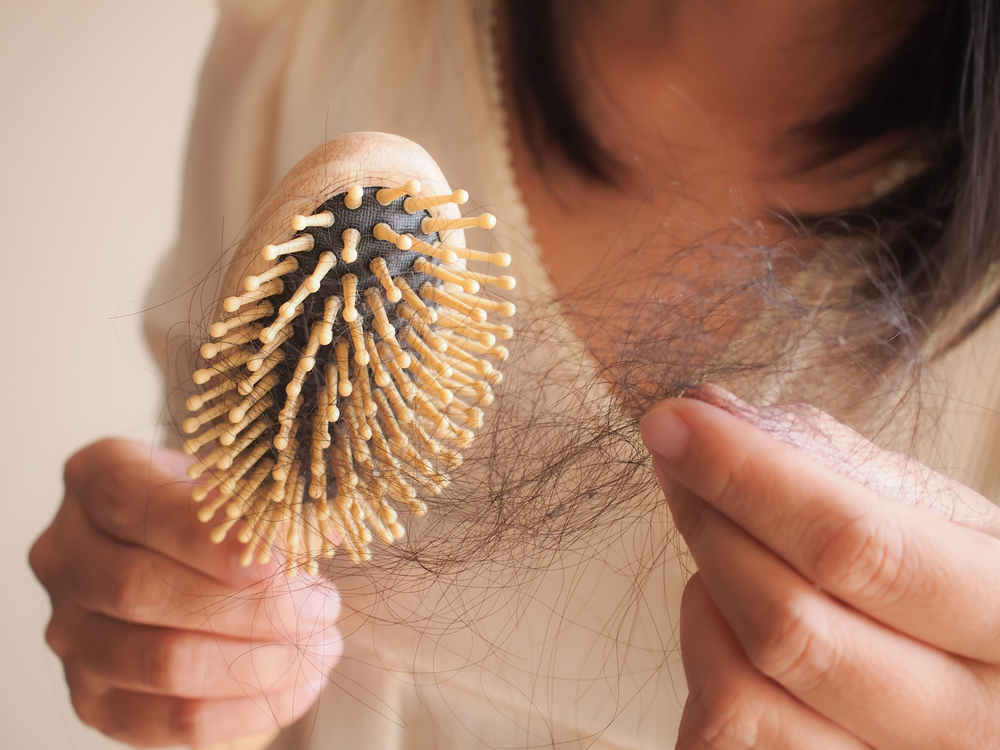
A boar-bristle brush can help move natural oils from the scalp and upper sections of the hair further down the strands.
Also read: How food poisoning can affect your gut for years
This article is made and published by Ida-Marie Palm Varbæk, who may have used AI in the preparation.