
For most people, a bout of food poisoning is over within a few days. But for some, the problems continue long after the infection itself has cleared.
According to National Geographic, researchers are now trying to understand why a gut infection can leave lasting effects on both the intestines and their interaction with the brain.
Symptoms can last for years
After food poisoning, recurring abdominal pain, diarrhea and, in some cases, constipation can continue for months or even years.
The condition is known as post-infectious irritable bowel syndrome, or post-infectious IBS.
Also read: More than 100,000 people in Japan are over 100 – three traditions may help explain why
At least one in ten is affected
Conservative estimates cited by National Geographic suggest that at least one in ten people develop post-infectious IBS after a gut infection.
One study has also estimated that around nine percent of all IBS cases may be caused by a previous infection.
Some infections increase the risk

Post-infectious IBS can develop after several types of infection, but the link is seen more often following bacterial and parasitic infections than viral infections.
Giardia and Campylobacter are among the best-documented causes, along with Salmonella, E. coli and Shigella.
Also read: Levetiracetam paired with a blood thinner may nearly double clot risk
Cyclospora stands out
Although Cyclospora can cause large-scale outbreaks of illness, the parasite is only rarely linked to post-infectious IBS, according to National Geographic.
One outbreak linked to iceberg lettuce made almost 13,000 people ill.
Gut bacteria can change
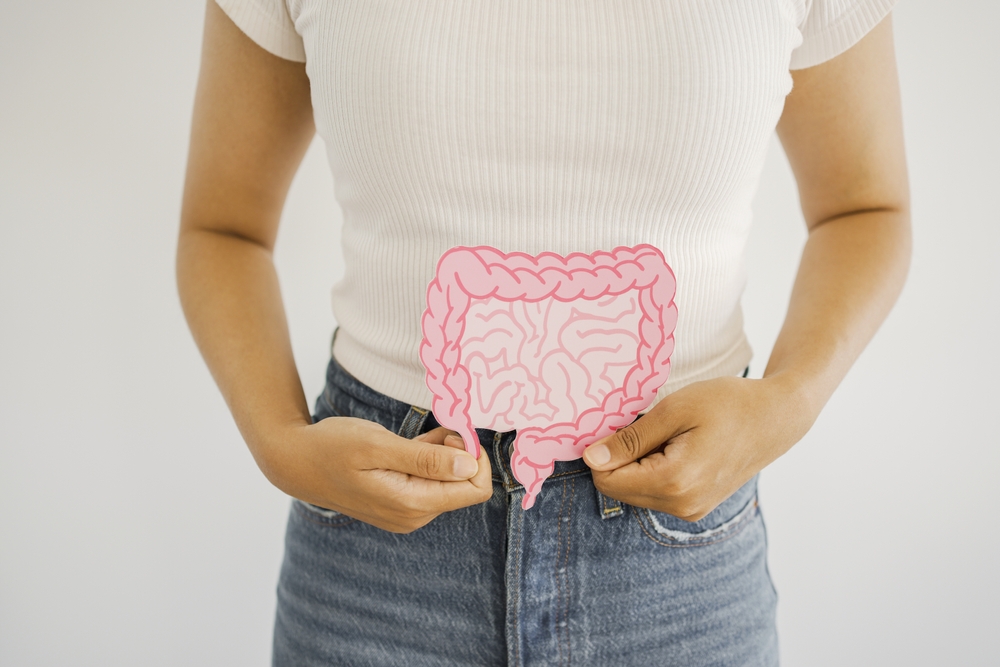
An infection can disrupt the gut's normal bacterial community.
For most people, the microbiome recovers within days or weeks, but studies suggest that certain bacteria do not return in some patients.
Also read: 4 in 10 with fatty liver disease reversed scarring with one diet change and daily walks
Enzymes can be affected
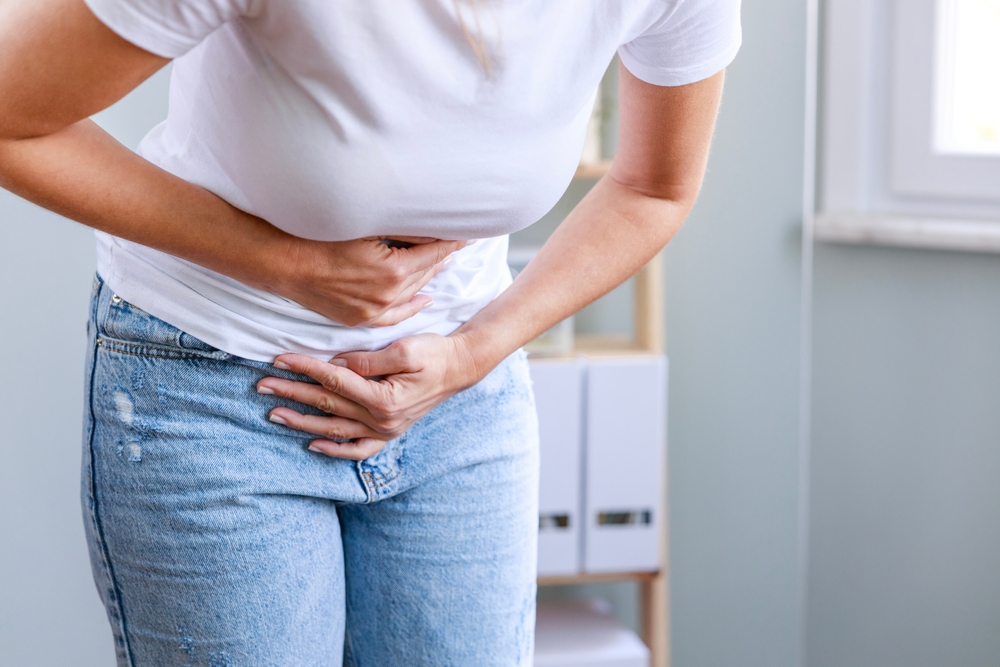
Experiments published in Nature Microbiology suggest that a weakened microbiome can increase the activity of proteases.
These are enzymes that break down proteins and are normally kept under control by certain bacteria in the gut.
The immune system can become unbalanced

A study published in Gastroenterology found signs of persistent inflammation and changes in patients' immune systems following infection.
Some immune cells are present in greater numbers than normal, while others are less abundant.
Also read: No calorie counting: A 10-hour eating window may help with prediabetes weight
Gut nerves can be damaged
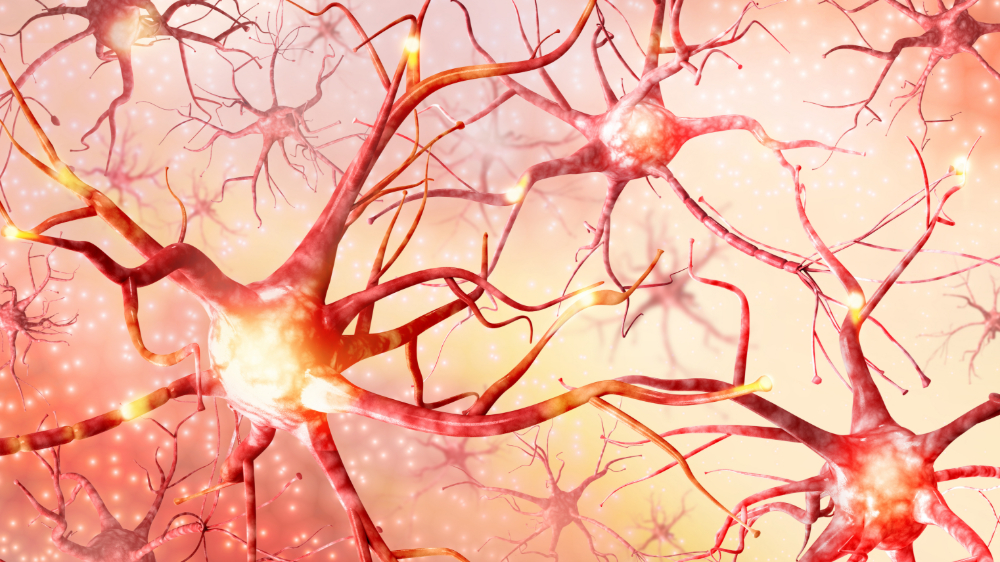
Animal experiments published in Cell have shown that infections can damage or kill nerve cells in the intestinal wall.
This can lead to longer-lasting changes in bowel movements, although researchers do not yet know whether humans experience the same loss of nerve cells.
Normal movements can become painful
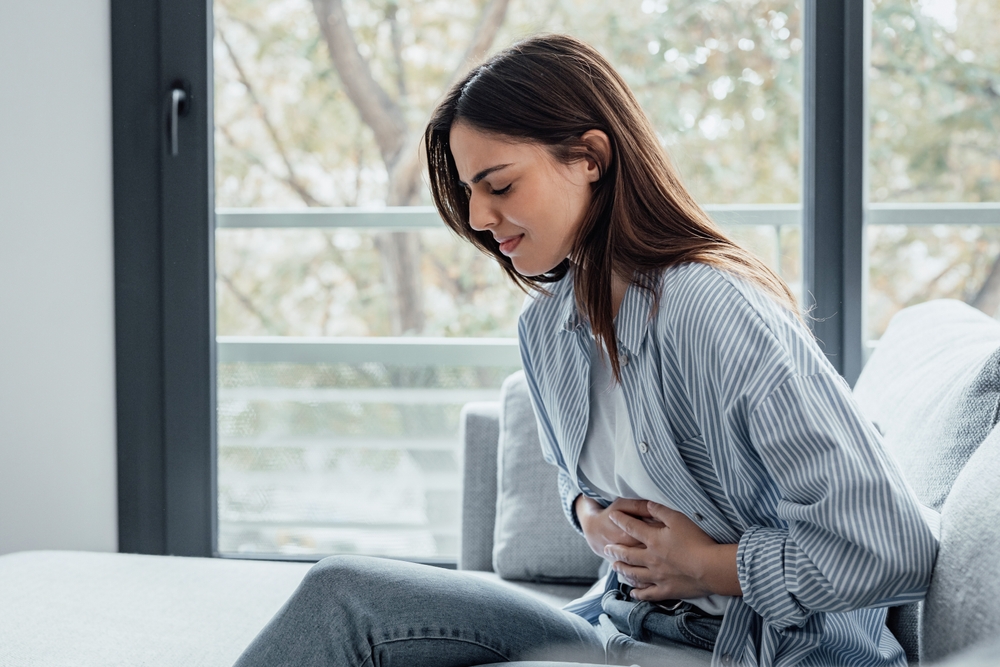
Gastroenterologist Benjamin Levy of the University of Chicago sees signs that the gut's sensory system can become hypersensitive.
Normal muscle contractions in the intestines, which most people do not notice, can be experienced as pain by patients with post-infectious IBS.
Also read: How it can affect your body, if you eat pumpkin seeds every day
Antibodies are being studied

Gastroenterologist Mark Pimentel is investigating a theory that the immune system produces antibodies against certain bacterial toxins during an infection.
These antibodies may also attack the body's own cells and contribute to bacterial overgrowth in the small intestine.
The brain may play a role
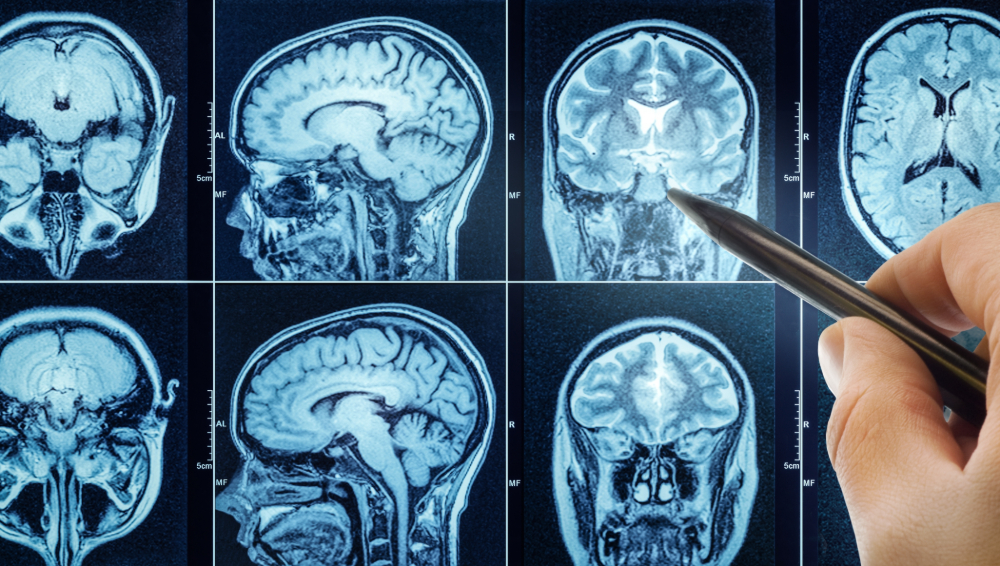
UCLA researcher Lin Chang points to research showing that people who had anxiety or depression at the time of infection faced a higher risk of longer-lasting gastrointestinal problems.
According to National Geographic, this does not mean that the symptoms are imagined, as the brain actively processes signals from the gut.
Stress can affect the gut
Experiments suggest that stress can weaken the gut's protective barrier.
Stress hormones can also affect disease-causing organisms, and Campylobacter is among the bacteria that research suggests can become more aggressive in the presence of the stress hormone epinephrine.
Researchers disagree

Pimentel believes the problem primarily begins in the gut, while other researchers place greater emphasis on communication between the gut and the brain.
However, the different explanations do not necessarily exclude one another, as an infection may trigger the condition while the brain can influence how symptoms develop.
Treatments are being investigated
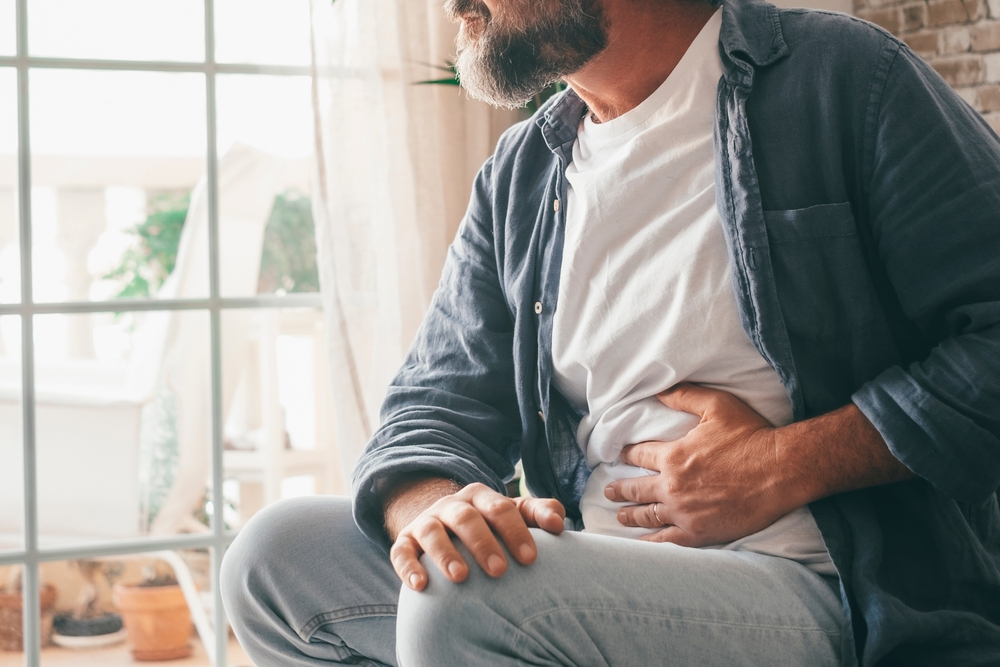
Treatment today is generally similar to that used for other forms of IBS.
Researchers are investigating approaches including fecal transplantation, glutamine, gut-directed hypnotherapy and treatments that affect bacterial activity in the gut.
Many people get better

An eight-year study from a Canadian town where residents became ill after drinking contaminated water found that around half of those with post-infectious IBS no longer met the diagnostic criteria at follow-up. Others continued to have the condition.
This article is made and published by Ida-Marie Palm Varbæk, who may have used AI in the preparation.