
Hair loss is very common and can be caused by factors including genetics, hormones, stress or vitamin deficiencies.
However, according to The Sun, research suggests that certain forms of hair loss in men may also be associated with an increased risk of serious diseases.
Hair loss affects most men
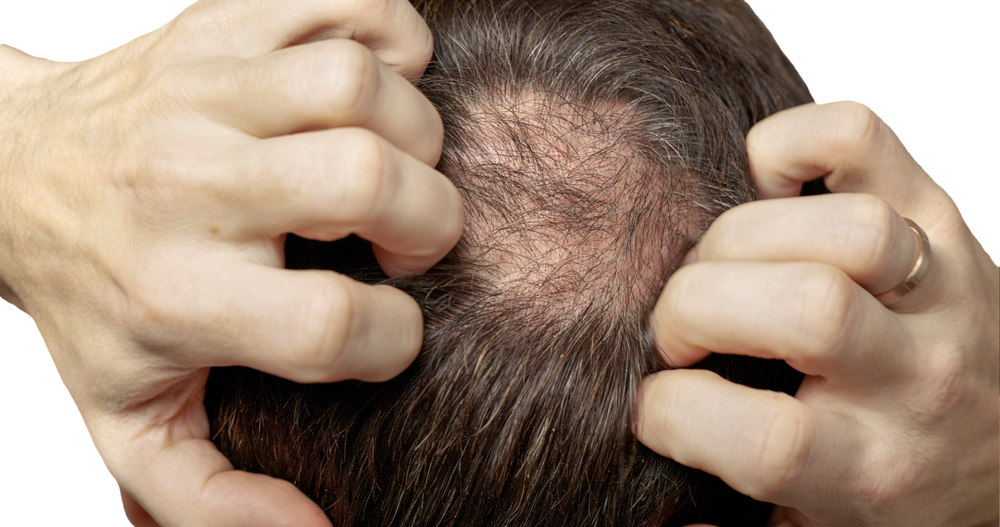
According to the National Institute for Health and Care Excellence, up to 80 percent of men experience hair loss at some point in their lives, The Sun reports.
Several possible causes

Hair loss can have many different causes. It may, for example, be linked to stress, vitamin deficiencies, hereditary factors or hormonal changes.
Also read: Your gut bacteria could be spreading to the people you live with
Hereditary hair loss is very common

Male pattern hair loss is known as androgenetic alopecia and can affect men of all ages. The condition is caused by a combination of genetic and hormonal factors.
The hormone affects hair follicles

The hormone dihydrotestosterone, also known as DHT, can alter the hair follicles on the scalp. This gradually causes the hair to become thinner and lighter.
Hair follicles can shrink

This process is known as miniaturisation. Eventually, the hair follicles can shrink completely and stop producing hair, meaning that lost hair can no longer grow back.
The effects may extend beyond the hair
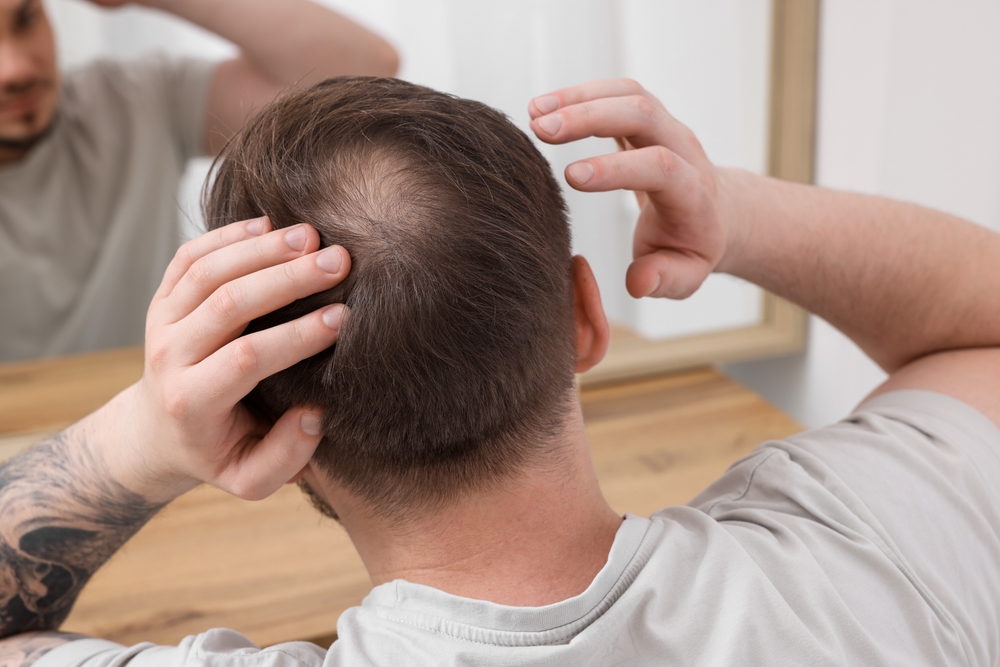
DHT affects not only hair follicles but also tissues elsewhere in the body.
Also read: Fish oil cut heart attacks and strokes by 43% in kidney failure patients, NEJM trial finds
Hair loss and certain diseases may therefore be different signs of the same underlying hormonal changes.
Hair loss on the crown
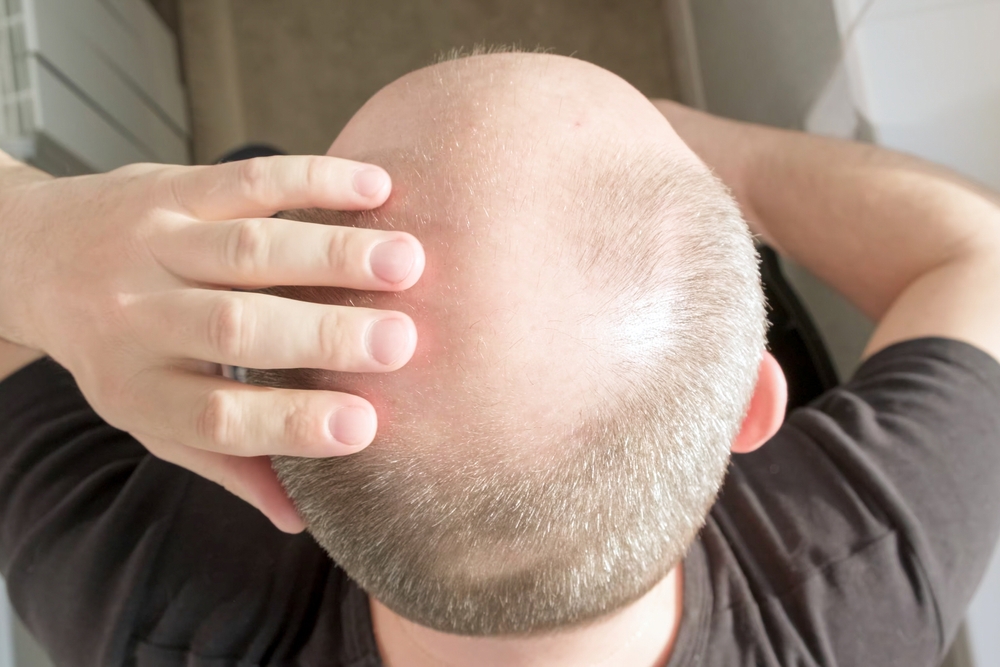
A 2013 analysis published in BMJ Open included six studies involving a total of 37,000 men.
It found an association between hair loss on the crown of the head and an increased risk of coronary heart disease.
A receding hairline did not show the same result

The researchers did not find the same increased risk among men with a receding hairline at the front.
Also read: A new drug in street fentanyl is sending people to intensive care
The location of hair loss may therefore play a role in the association.
Risk increased with the degree of hair loss
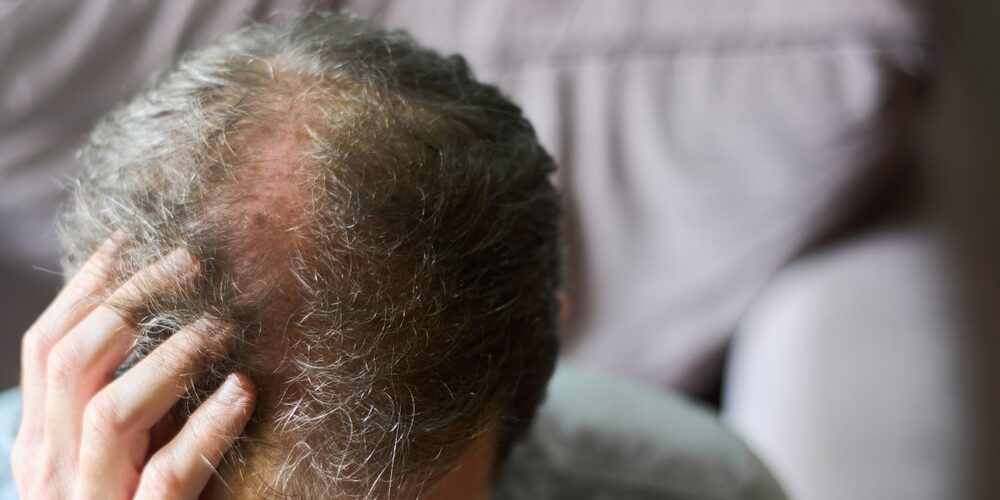
Men with mild hair loss had around an 18 percent higher risk of coronary heart disease.
The risk was 36 percent higher with moderate hair loss and 48 percent higher with severe hair loss.
Blood supply may play a role
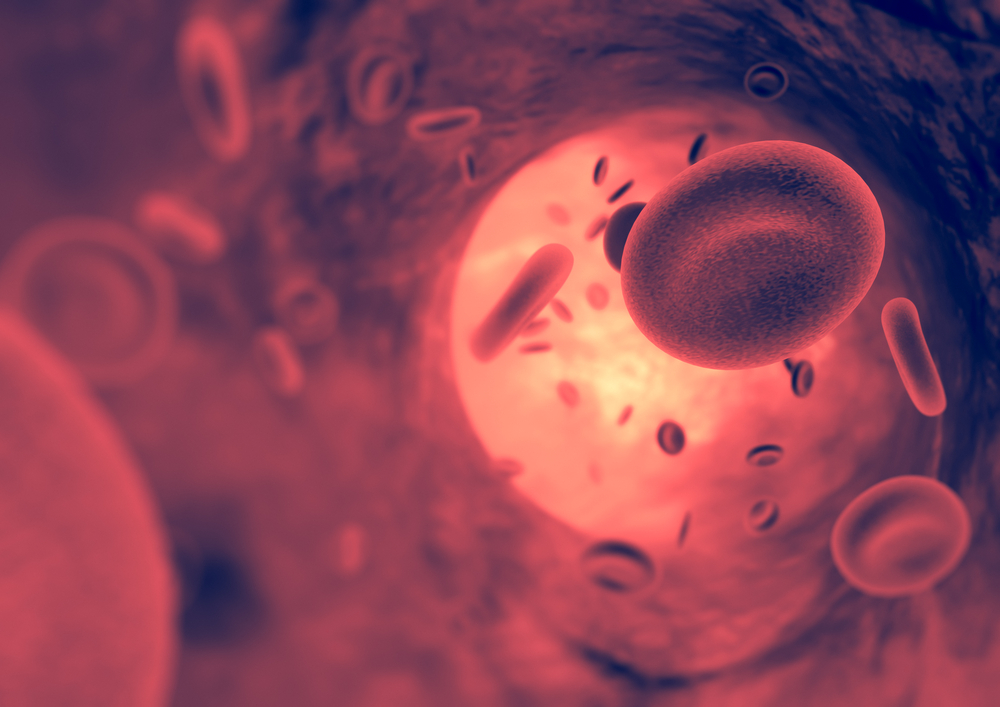
The researchers suggest that hair loss could be a visible sign of changes in the blood vessels.
Also read: Breathing through your mouth instead of your nose may be hurting your health
Reduced blood flow and fewer nutrients reaching the hair follicles may affect hair growth.
A larger analysis found the same association

A 2014 analysis published in International Journal of Cardiology reviewed 31 studies involving more than 29,000 people with hair loss.
Most had male pattern hair loss, and the researchers again found an association with an increased risk of coronary heart disease.
Hair loss was linked to insulin resistance

The analysis also found an association between male pattern baldness and insulin resistance.
Also read: How to lower your cholesterol naturally
With insulin resistance, the body responds less effectively to insulin.
Metabolic syndrome may increase the risk of disease

Male pattern hair loss was also associated with metabolic syndrome.
This is a group of health problems that increases the risk of type 2 diabetes and diseases affecting the heart or blood vessels.
The prostate may also be affected

A 2026 review published in European Urology Focus examined 20 studies and found an association between hair loss in men and the risk of aggressive prostate cancer, as well as benign prostate enlargement.
Location again appeared to matter

The association with prostate diseases was strongest among men with hair loss on the crown and back of the head.
Research does not provide a definitive answer
Another study found only a weak association between male pattern hair loss and certain risk factors for heart disease, according to The Sun.
Overall, research in this area has therefore produced mixed results.
Hair loss is not a direct cause

The findings do not mean that men with hair loss will necessarily develop heart disease, diabetes or prostate cancer.
Instead, hair loss and these diseases may be linked through the same underlying changes in the body.
Lifestyle can still make a difference

Hereditary hair loss can be difficult to influence, but several risk factors for chronic diseases can be modified.
Reducing saturated fat in the diet and getting more exercise can, among other things, help protect the heart and blood vessels.
This article is made and published by Ida-Marie Palm Varbæk, who may have used AI in the preparation.