
Your diet, exercise routine and other lifestyle habits can affect your cholesterol levels. Here are several practical changes that can help lower your cholesterol, according to the NHS.
Eat more nuts and seeds
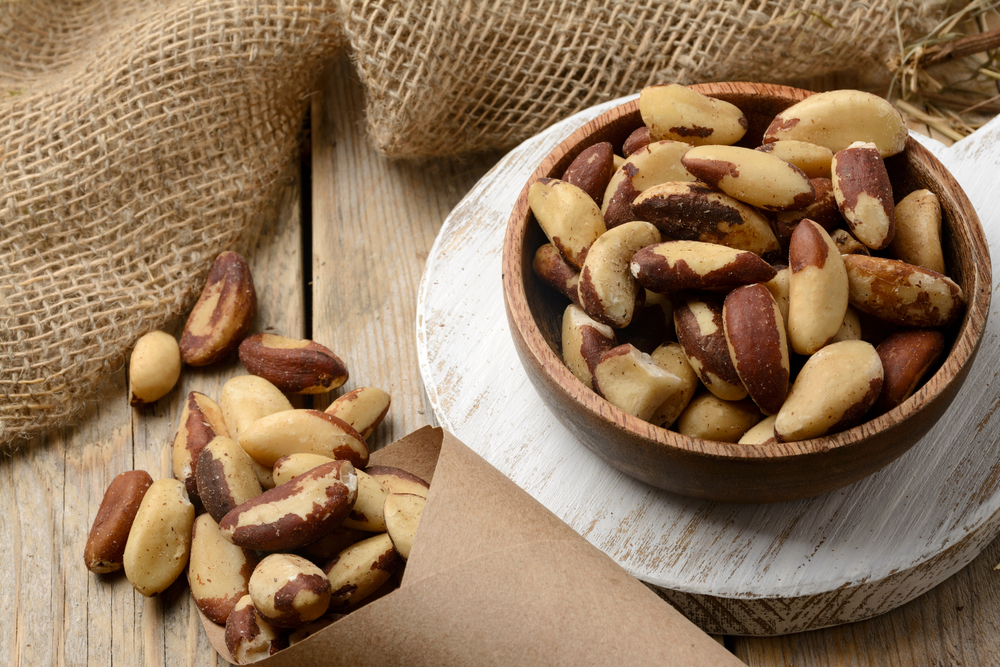
Nuts and seeds can play a bigger role in your diet if you want to lower your cholesterol.
Choose oily fish
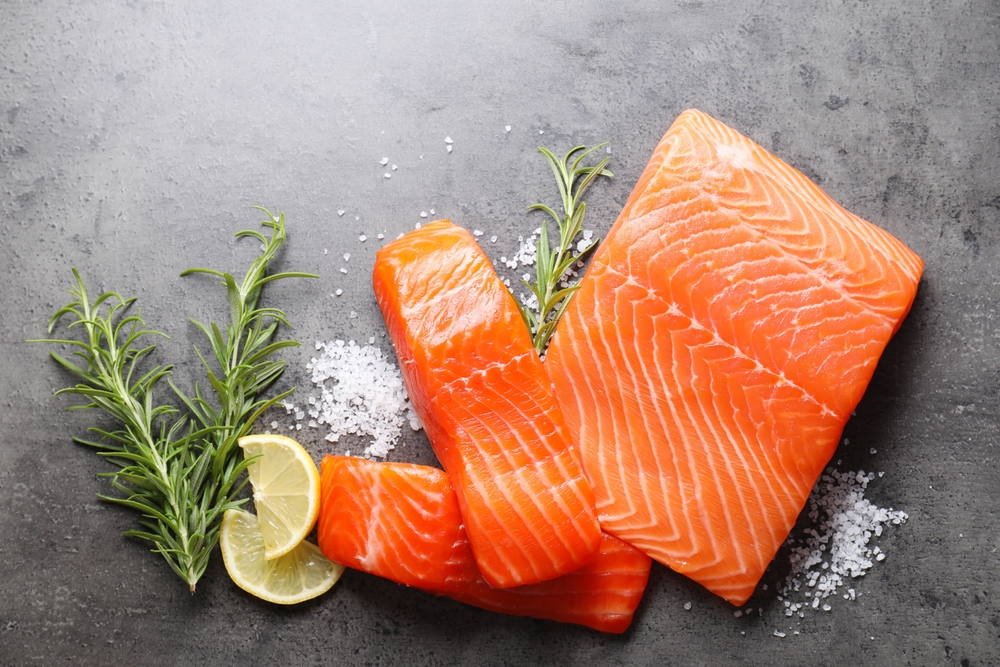
Try to eat oily fish such as mackerel and salmon. They contain healthier types of fat than many foods that are high in saturated fat.
Limit sausages and fatty meat

Try to eat fewer sausages, meat pies and fatty cuts of meat, as these foods can be high in saturated fat.
Also read: Can you climb 4 flights of stairs in 60 seconds? Your time may predict your heart disease risk
Exercise regularly

Aim for at least 150 minutes of moderate-intensity exercise or 75 minutes of vigorous-intensity activity each week.
Use olive oil and rapeseed oil
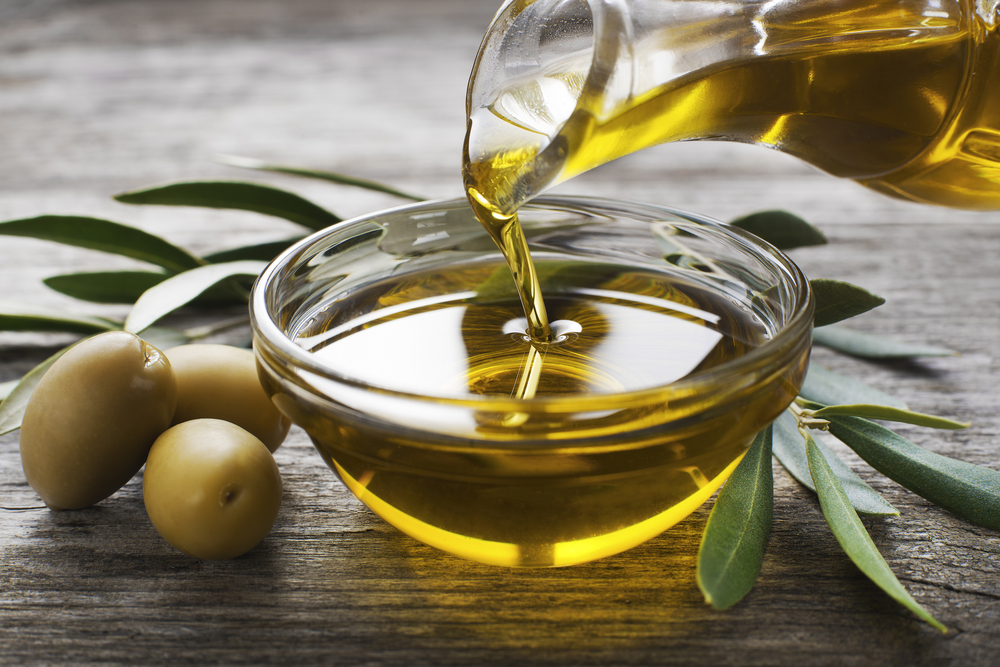
Olive oil, rapeseed oil and spreads made from these oils can be good alternatives to fats that are high in saturated fat.
Cut down on butter and lard
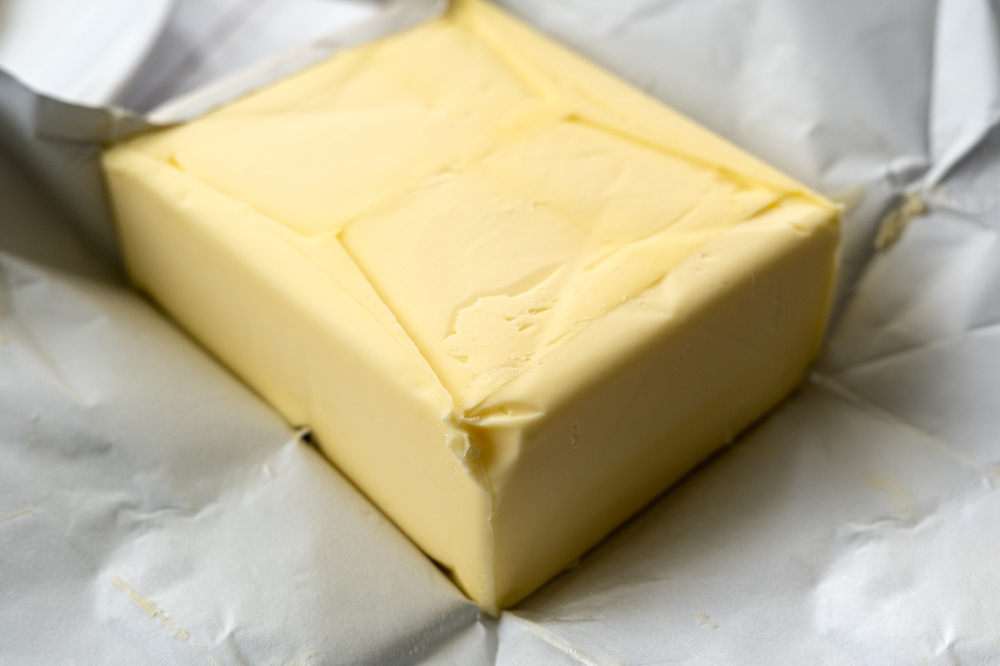
Limit your intake of butter, lard and ghee if you want to reduce the amount of saturated fat in your diet.
Eat more fruit and vegetables
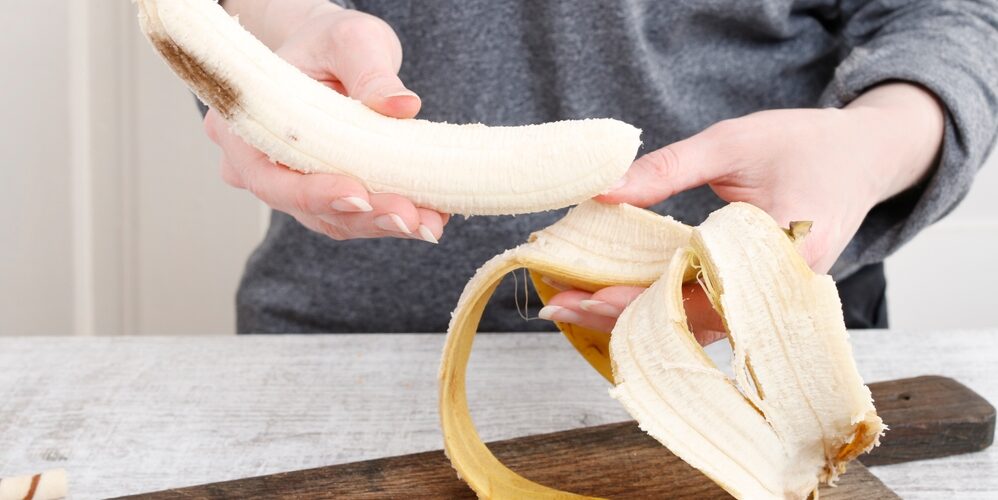
Fruit and vegetables are among the foods you can eat more of to help lower your cholesterol.
Also read: Medication side effects may be mistaken for new illnesses, new study show
Choose wholegrain foods
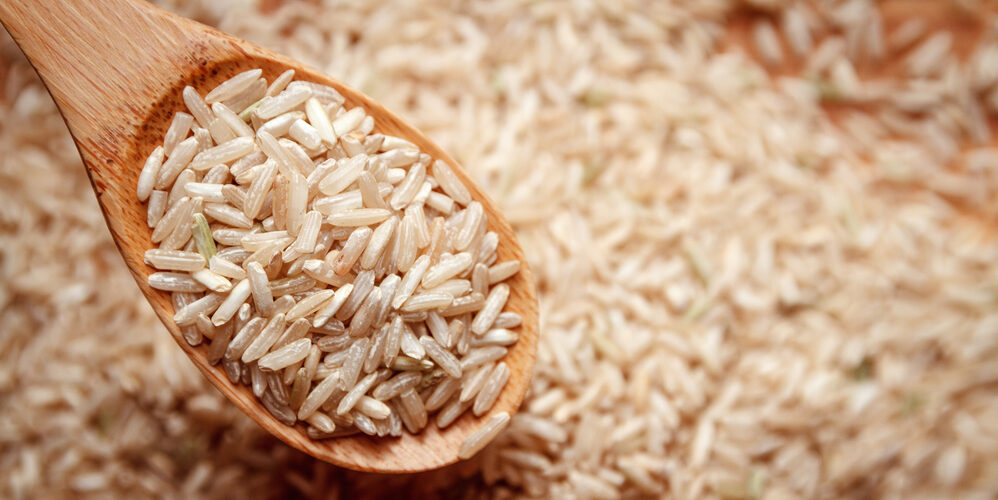
Brown rice, wholegrain bread and wholegrain pasta can make up a larger part of your diet.
Try different types of exercise

Walking, swimming and cycling are good activities to start with. Try different forms of exercise until you find something you enjoy.
Walk at a brisk pace

When you go for a walk, try to maintain a pace that makes your heart beat faster.
Limit cakes and biscuits

Cakes and biscuits are among the foods you should try to eat less of if you want to lower your cholesterol.
Also read: Two Parkinson's patients walked and ate again after a new ultrasound procedure
Cut down on cream and cheese
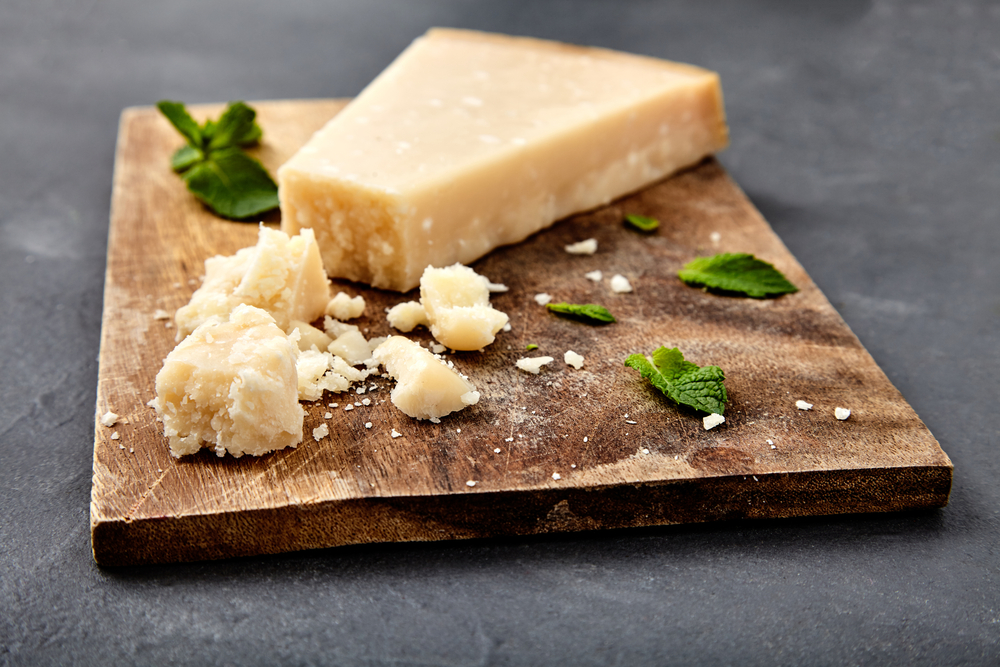
Cream and cheese can be high in saturated fat and should therefore be limited.
Check the fat content on food labels

Read food labels to see what types of fat a product contains. Choose unsaturated fats rather than saturated fats where possible.
Avoid too much coconut oil and palm oil
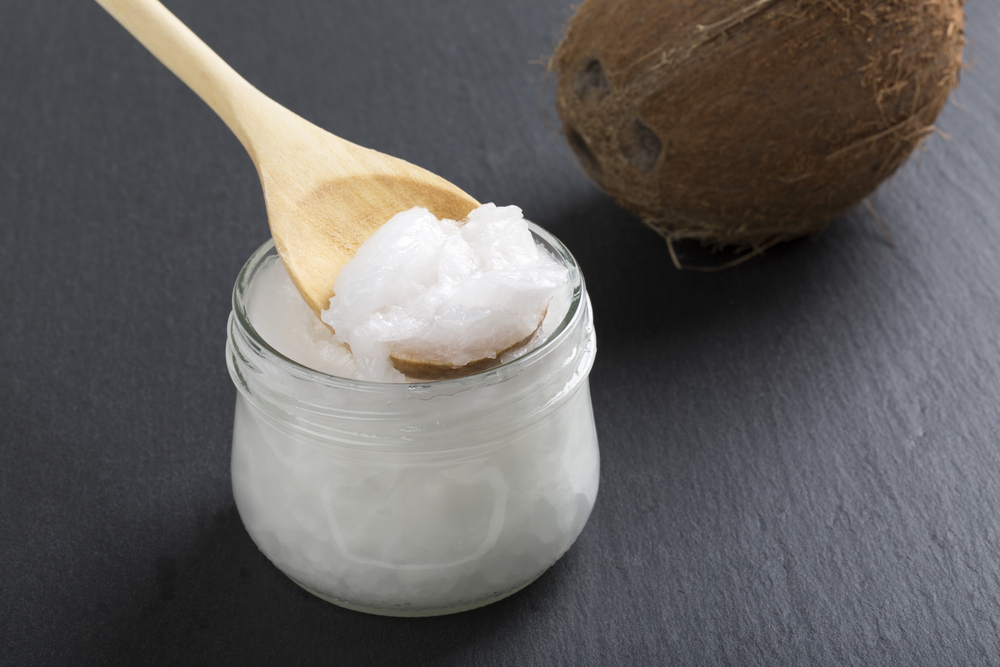
Foods containing coconut oil or palm oil should be limited, as the aim is to reduce your intake of saturated fat.
Stop smoking

Smoking can increase cholesterol levels and the risk of serious conditions such as heart attacks, strokes and cancer. You can get help to stop smoking from your doctor.
Also read: Having heart disease may raise your cancer risk by 60% in the year that follows
Limit your alcohol intake

Avoid regularly drinking more than 14 units of alcohol a week. If you drink this amount, spread your alcohol intake over at least three days.
Have several alcohol-free days

Try to have several days each week when you do not drink alcohol. Talk to your doctor if you find it difficult to cut down.
Also read: How Dolly Parton created balance in her diet
This article is made and published by Ida-Marie Palm Varbæk, who may have used AI in the preparation.