
Drinking too much water in a short period of time can challenge your kidneys’ ability to maintain the body’s fluid and electrolyte balance, reports EatingWell.
Thirst is an important signal
For most healthy adults, thirst is a useful guide for knowing when the body needs more fluids. Staying hydrated is therefore not necessarily about reaching a specific amount of water every day, but about responding to your body’s needs.
Your fluid needs can change
How much fluid you need depends on factors such as your body size, activity level, health and environment. This means the right amount can vary from person to person and from one day to another.
Heat and exercise increase your fluid needs

When you are physically active or spend time in hot weather, your body loses water through sweat. In these situations, your fluid needs increase, and you may need to drink more during and after activity.
Also read: New study: The brain responds to every single breath
Fluids do not only come from drinks

Fruit, vegetables and other foods with a high water content also contribute to your overall fluid intake. This means that not all of the fluids you consume during the day need to come from beverages.
Your kidneys do more than remove waste

One of the kidneys’ main functions is to filter the blood and remove waste. They also help regulate the amount of fluid in your body and keep electrolyte levels within the appropriate range.
How quickly you drink can make a difference

Problems are more likely to occur when a large amount of water is consumed within a short period. If water enters the body faster than the kidneys can excrete it, the body’s normal fluid balance can be disrupted.
Sodium levels can become diluted

Consuming very large amounts of water can lower the concentration of sodium in the blood. This can interfere with the balance of fluids and electrolytes that the kidneys normally help regulate.
Also read: 7 signs you may not be getting enough omega-3
Hyponatremia can become serious
An abnormally low concentration of sodium in the blood is known as hyponatremia. Mild cases can cause symptoms such as headache, nausea and confusion. Severe cases can be life threatening and require immediate medical attention.
You may need to use the bathroom more often
When you consume more water than your body needs, your kidneys try to remove the excess by producing more urine. This can result in more frequent trips to the bathroom and very pale or clear urine. For healthy people, this response is usually normal and temporary.
Water intoxication requires very large amounts
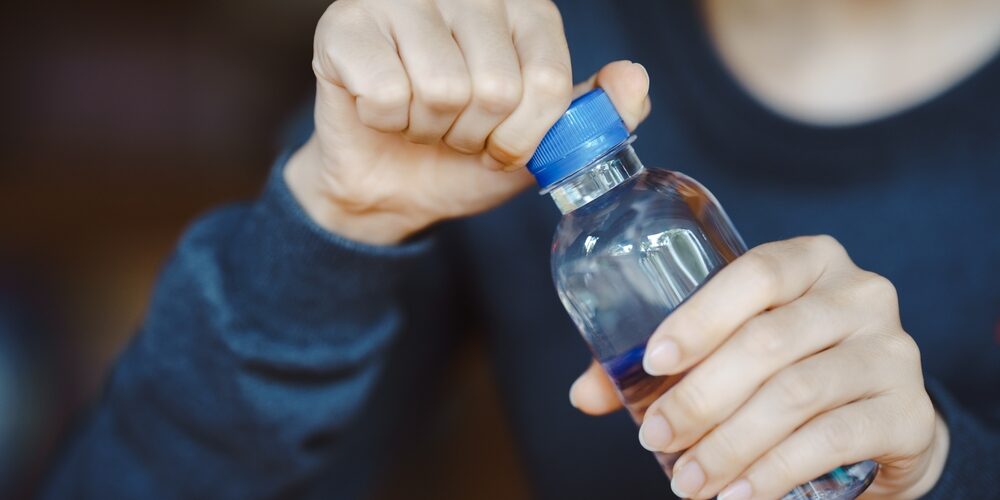
According to dietitian Whitney Stuart, actual water intoxication is difficult to develop in people with normal kidney function. It would require drinking several liters of water within a very short period and is different from regularly sipping water throughout the day. Stuart also notes that inadequate hydration is much more common in her clinical practice.
Everyday habits can support kidney health

The article highlights a diet that includes foods such as fruit, vegetables, whole grains and low fat dairy products. It also recommends at least 30 minutes of physical activity on most days, avoiding tobacco and limiting alcohol. Daily sodium intake should remain below 2,300 milligrams, while added sugars should account for less than 10 percent of daily calories.
Also read: Millions quit statins over side effects. A 154,000-person review says most are not the drug
Some people need to be especially careful

Certain health conditions can affect the body’s ability to manage fluids. People with diabetes, high blood pressure or heart disease should make sure these conditions are well managed. Anyone with a condition that affects the kidneys or fluid balance should speak with their health care provider about the amount of fluid that is appropriate for them.
Also read: These everyday chores count as physical activity
This article is made and published by Mie Hermansen, who may have used AI in the preparation.