
A daily serving of almonds may affect your blood pressure in several ways, reports Verywell Health.
Eating almonds daily may affect your blood pressure

Scientific research suggests that regularly eating almonds may be associated with lower blood pressure. The association has been particularly noticeable for diastolic blood pressure, which is the bottom number in a blood pressure reading.
Almonds are naturally low in salt

Almonds naturally contain little sodium. This may benefit blood pressure because salt can cause the body to retain water. This increases blood volume and may raise blood pressure.
Two minerals may help your blood vessels

Almonds naturally contain magnesium and potassium, two minerals that can help blood vessels widen. This effect may contribute to lower blood pressure.
Also read: An app could stop depression from coming back, new study shows
One analysis included more than 1,700 people
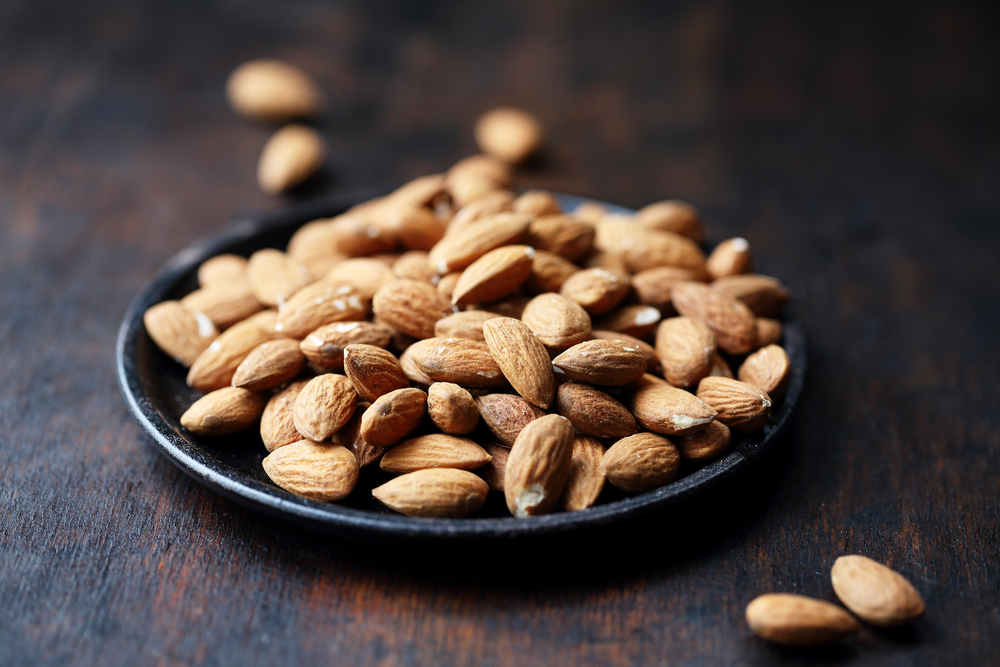
In 2022, researchers reviewed 26 randomized controlled trials involving more than 1,700 participants. The analysis found that eating almonds significantly reduced diastolic blood pressure.
The fats in almonds may also play a role
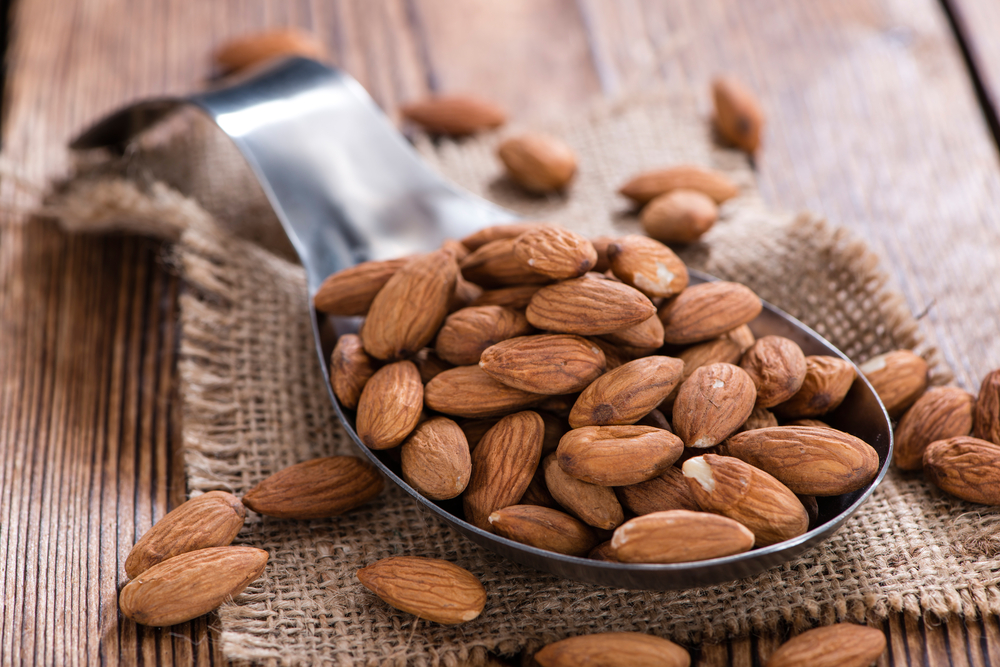
Almonds contain monounsaturated and polyunsaturated fats. These fats are associated with increased production of nitric oxide, a molecule that naturally helps blood vessels relax.
Lower blood pressure may protect against serious disease
High blood pressure is a major risk factor for heart attack, heart failure, stroke and chronic kidney disease. Lifestyle changes play an important role in both preventing and treating hypertension, often alongside medication.
Fiber may have an indirect effect
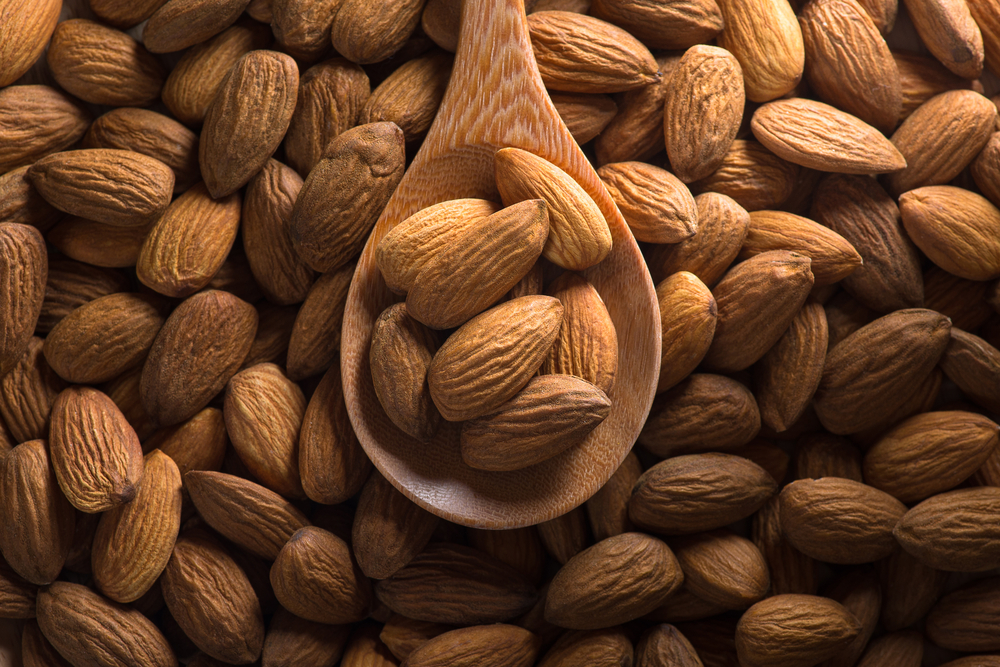
The fiber in almonds supports beneficial gut bacteria that produce short chain fatty acids. These fatty acids are believed to influence blood pressure by helping blood vessels widen and by regulating a hormonal system involved in blood pressure and fluid balance.
Also read: Sylvester Stallone pushed his body to the limit: Now he reveals the consequences
One study found an average reduction of 1.3 mmHg

A 2020 analysis included 16 randomized controlled trials with more than 1,000 participants. Almond consumption reduced diastolic blood pressure by an average of 1.3 mmHg. Among participants who started with lower systolic blood pressure, a smaller amount of almonds was also associated with a notable reduction in systolic blood pressure.
Vitamin E may be part of the explanation
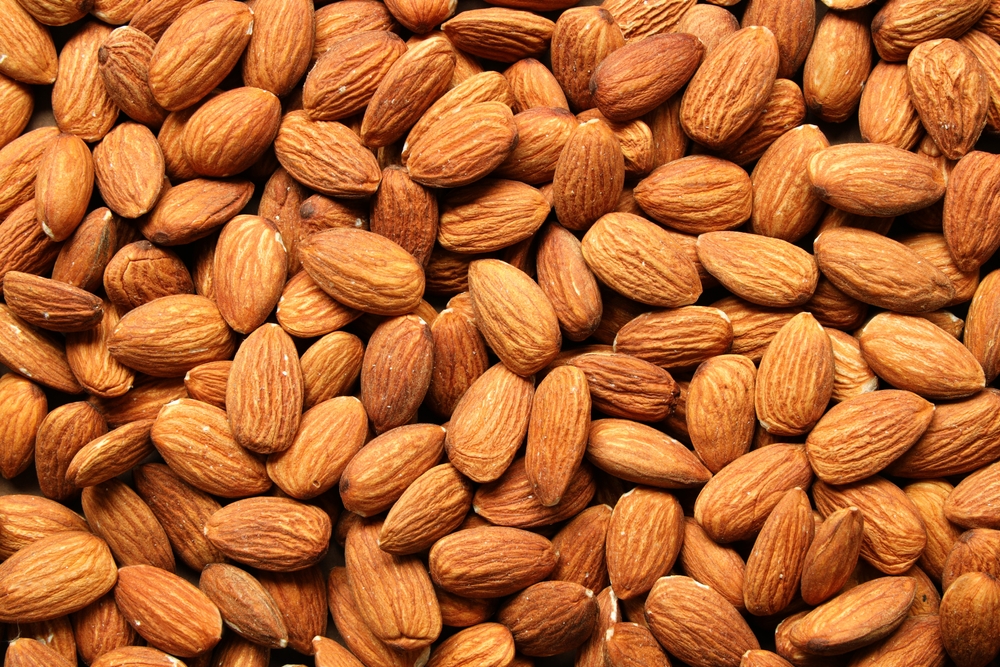
The vitamin E in almonds acts as an antioxidant and helps reduce markers of oxidative stress. Oxidative stress can contribute to high blood pressure by promoting the narrowing of blood vessels.
Almonds may influence several risk factors at once
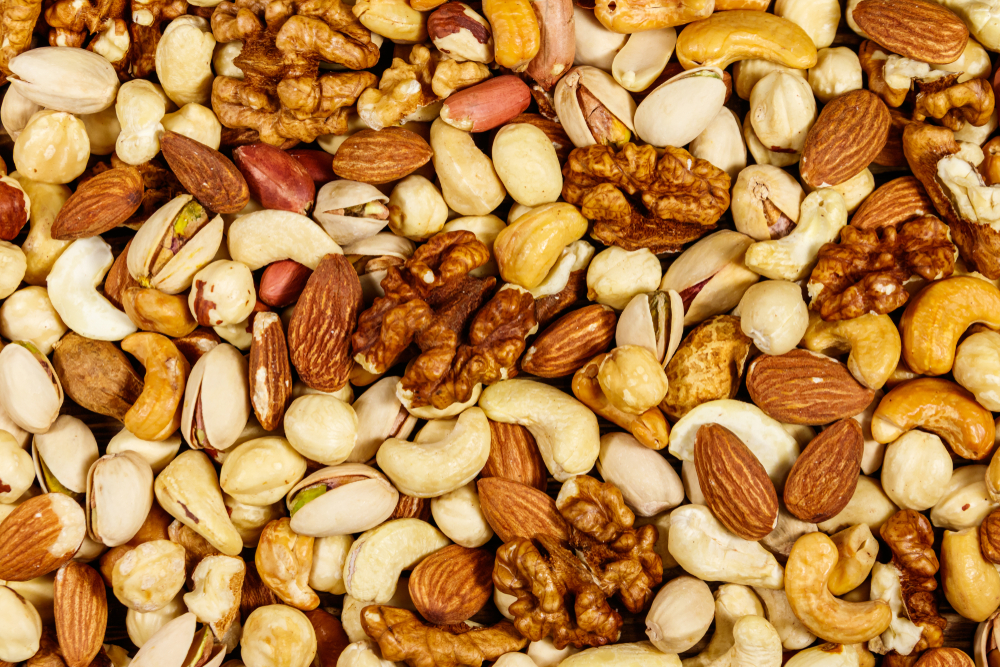
Eating almonds is also associated with lower levels of LDL cholesterol and triglycerides. Reducing these fats may limit fatty deposits that make arteries narrower or stiffer. The protein, fiber and healthy fats in almonds can also increase fullness, which may support weight loss in people with overweight or obesity. Weight loss in these individuals can significantly reduce blood pressure.
Research points to around 35 almonds
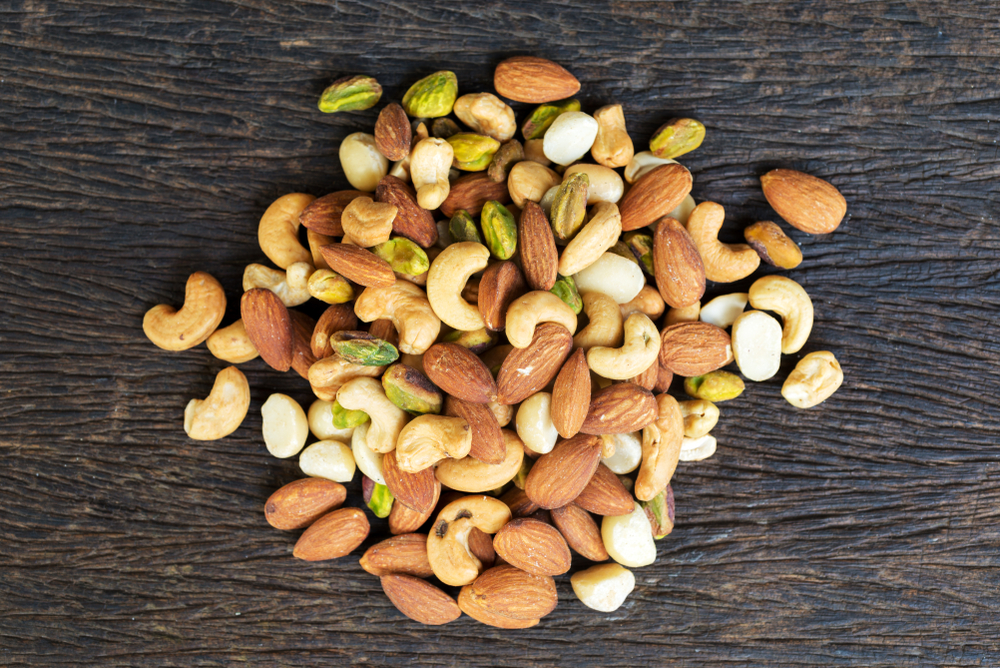
There are no formal guidelines for how many almonds people should eat to prevent or treat high blood pressure. However, the research cited in the article suggests that at least 1.5 ounces per day may be needed to achieve potential heart health benefits. This is equivalent to about 35 almonds.
Also read: Strokes are nearly twice as common in adults under 55 as they were 30 years ago
Choose your almonds carefully
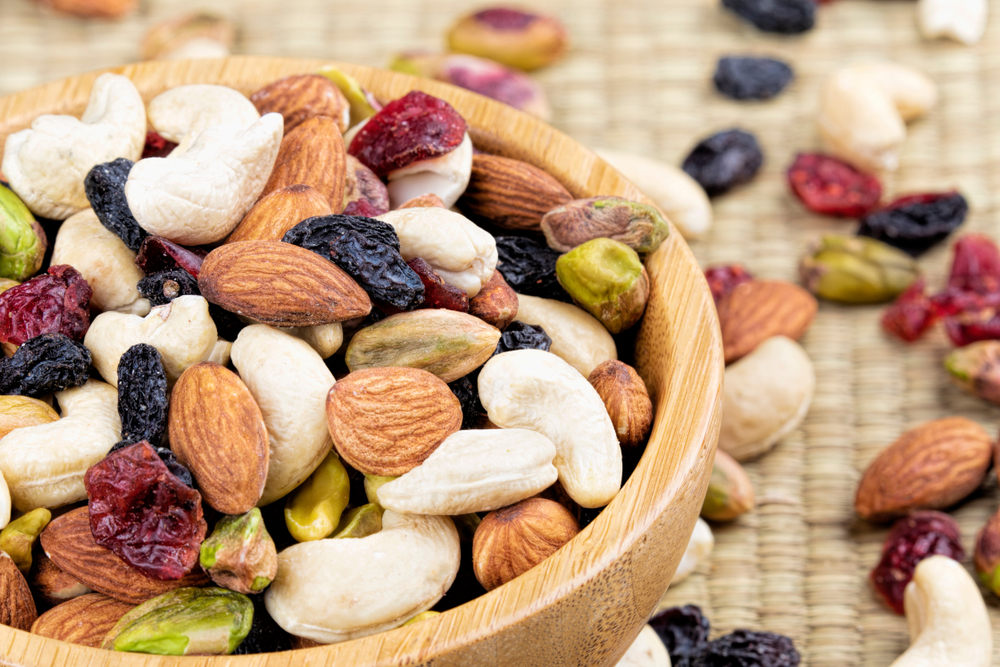
Unsalted or lightly salted almonds are preferable. The American Heart Association advises limiting salt intake to less than 1,500 milligrams per day, particularly for people with high blood pressure. Almonds are tree nuts and should be avoided by people with a tree nut allergy.
Also read: A new blood test found 17 cancer types
This article is made and published by Mie Hermansen, who may have used AI in the preparation.