
When a cold, the flu, or another infection has passed through your home, there is no need to clean everything from top to bottom.
A few targeted measures may be more important when it comes to reducing the risk of others becoming ill, according to Real Simple.
Focus on frequently touched surfaces
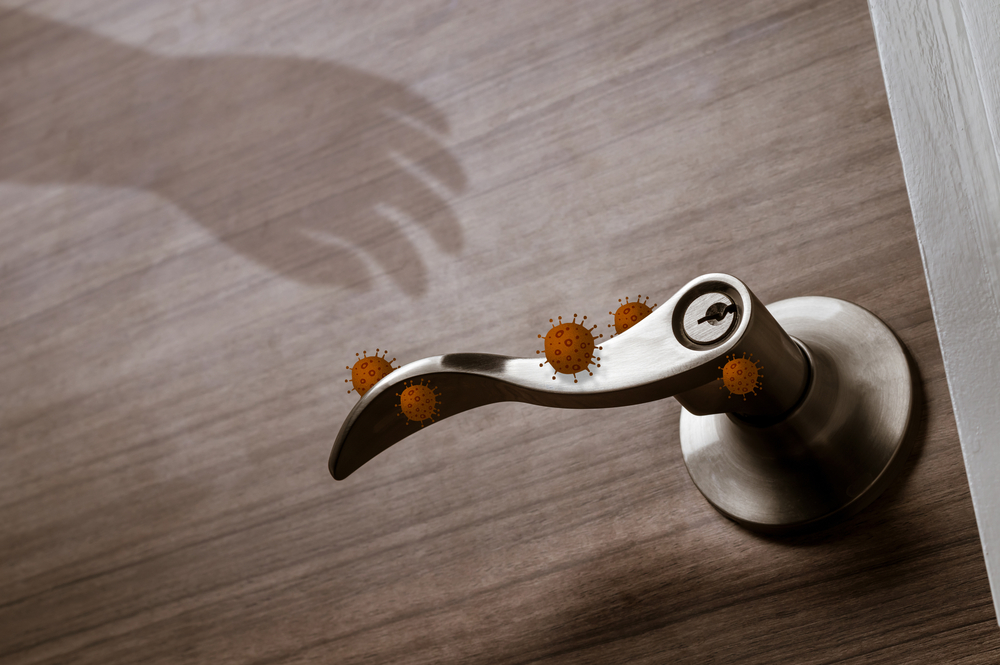
Door handles, light switches, remote controls, bathroom fixtures, and electronic devices are among the areas that should be prioritised when someone in the household has been ill.
Clean around the areas used by the sick person
It is particularly important to clean and disinfect surfaces around the places where the sick person slept or sat during the illness.
Also read: Kids who sleep under 9 hours a night show brain differences that last for years
Change the bed linen
Once the illness is over, it is recommended that you change the bed linen used by the sick person.
It should then be washed thoroughly.
Wash at a high temperature
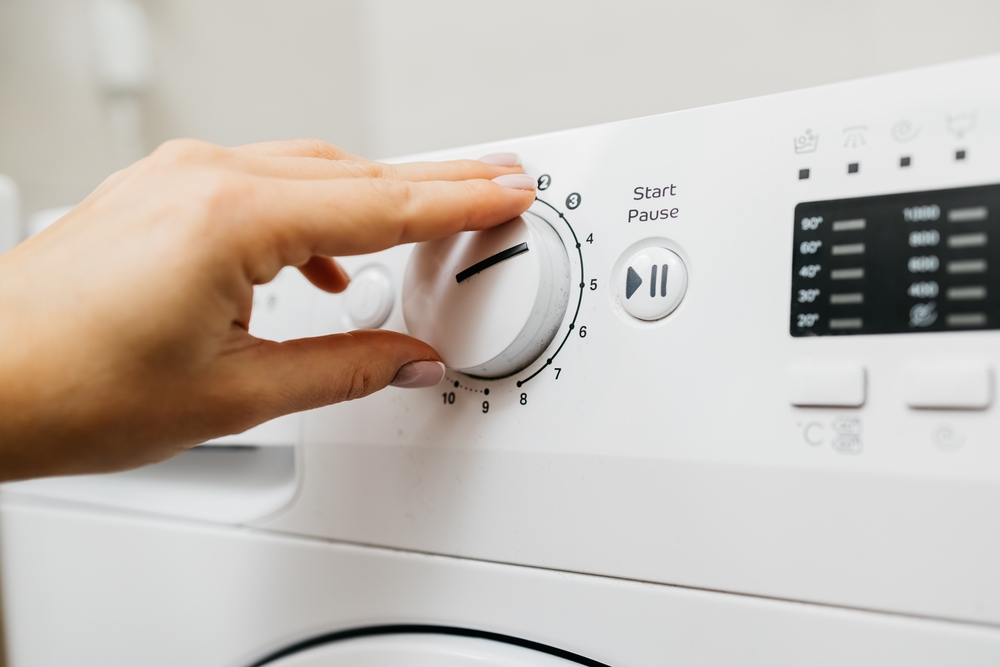
According to doctor Lori Solomon, the water should be around 140 degrees Fahrenheit to kill bacteria and other disease-causing microorganisms.
This is equivalent to approximately 60 degrees Celsius.
Also read: 7 warning signs your cortisol may be chronically high, and what to do about it
Remember towels and clothes
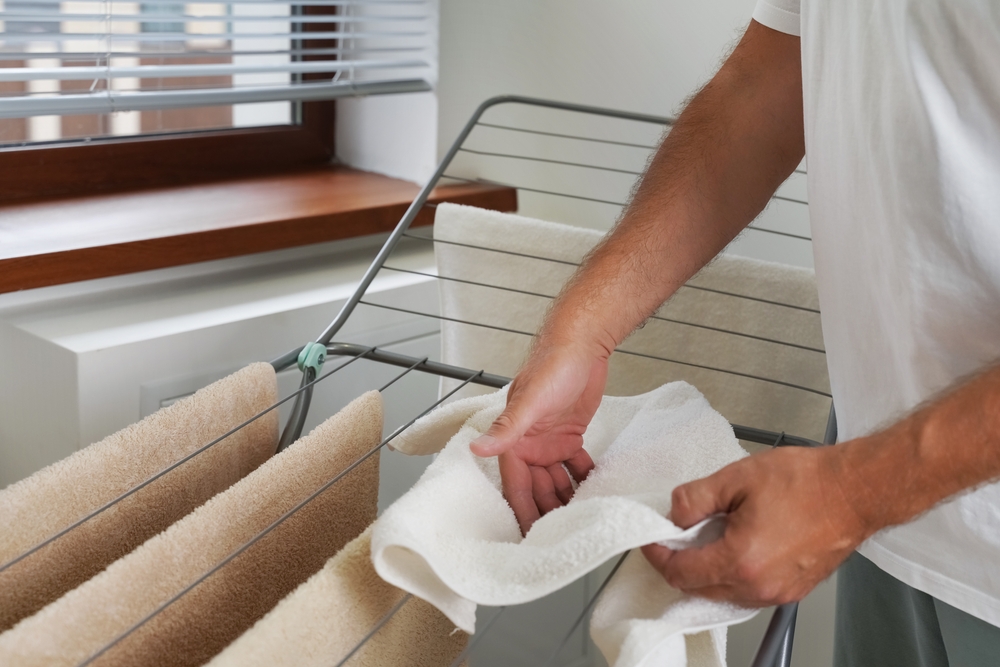
Bed linen is not the only thing that should go into the washing machine.
Clothes and towels used by the sick person should also be washed.
Consider using a disinfecting laundry product
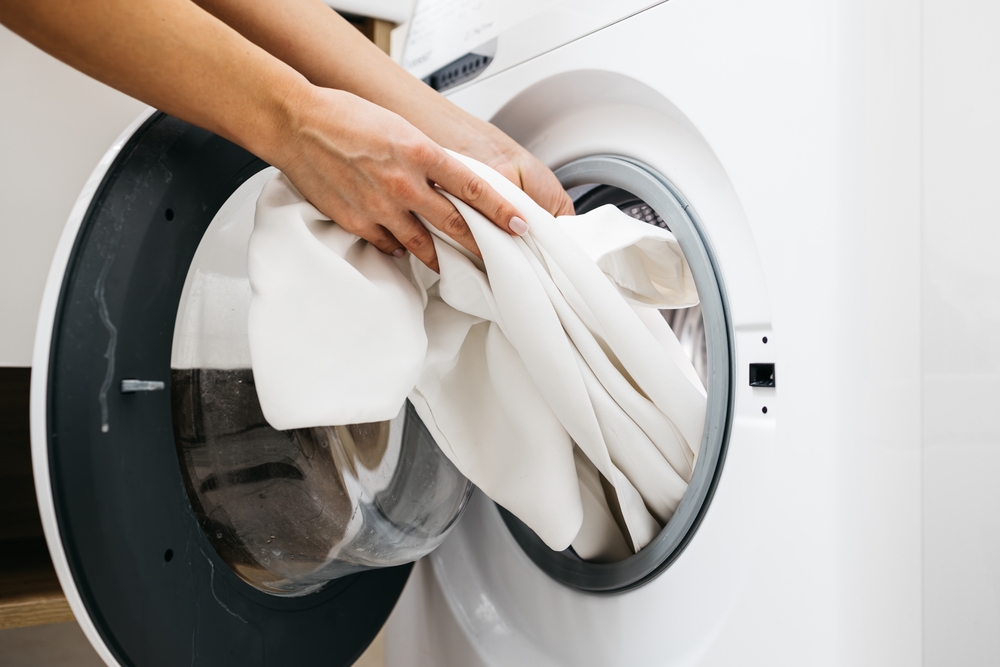
Bed linen can also be washed with a disinfecting laundry product.
Real Simple mentions oxygen-based bleach and chlorine-based bleach as options.
Also read: Your gut bacteria may make your stroke harder to recover from
Wash and dry dishes thoroughly
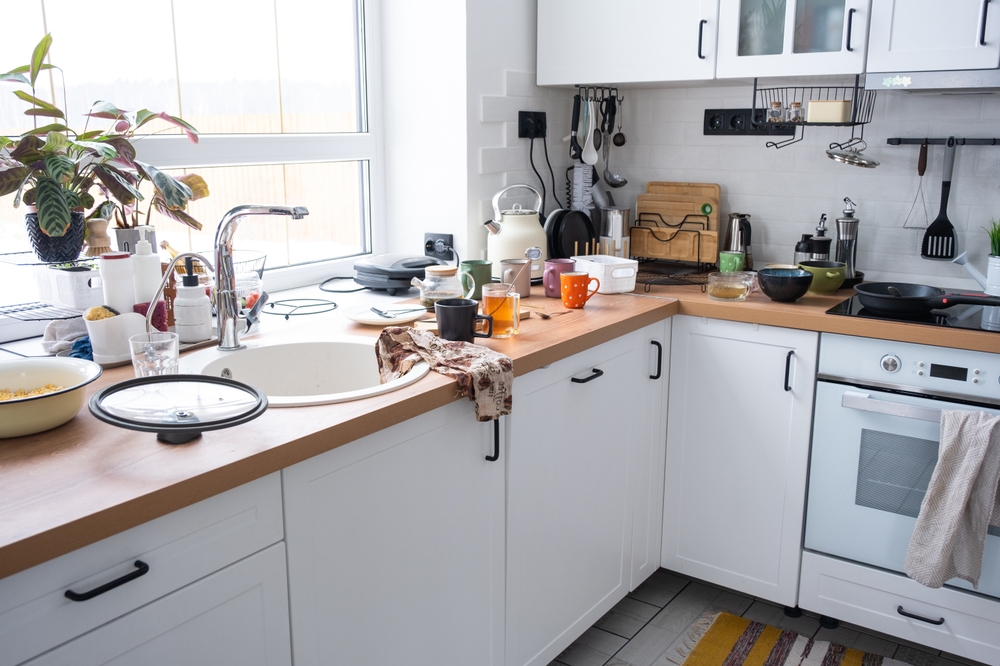
Microorganisms have a better chance of surviving on damp surfaces, especially when food residue is also present.
Dishes and surfaces should therefore be washed thoroughly and dried completely.
Prioritise handwashing
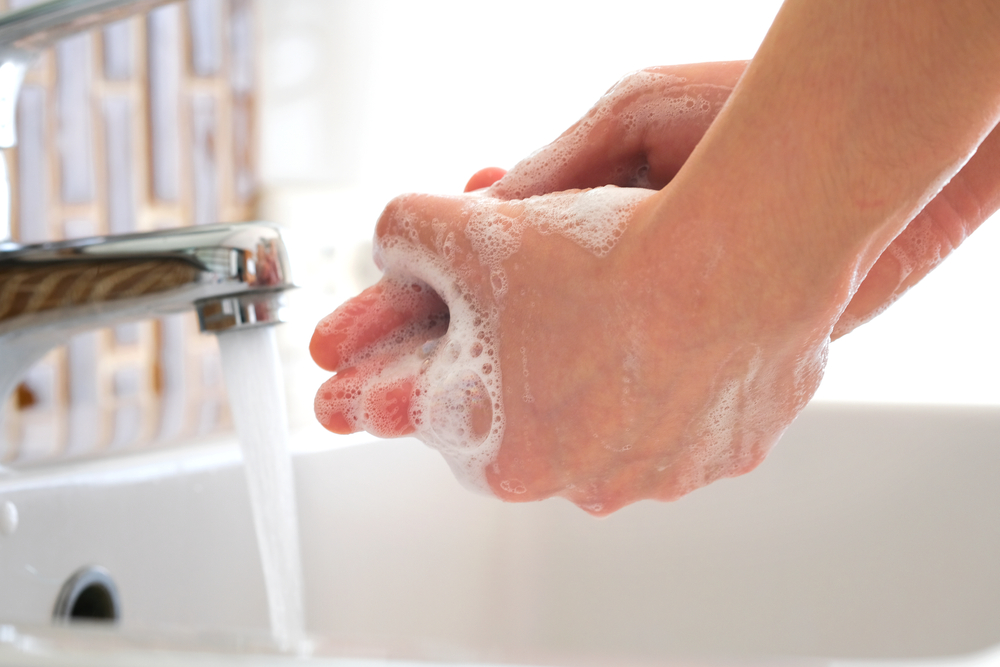
Good hand hygiene is one of the most important measures for limiting the spread of infection in the home.
It may be more important than carrying out an extensive deep clean.
Also read: Does diet soda really sabotage weight loss? A 2-year trial just tested the myth
Ensure good ventilation
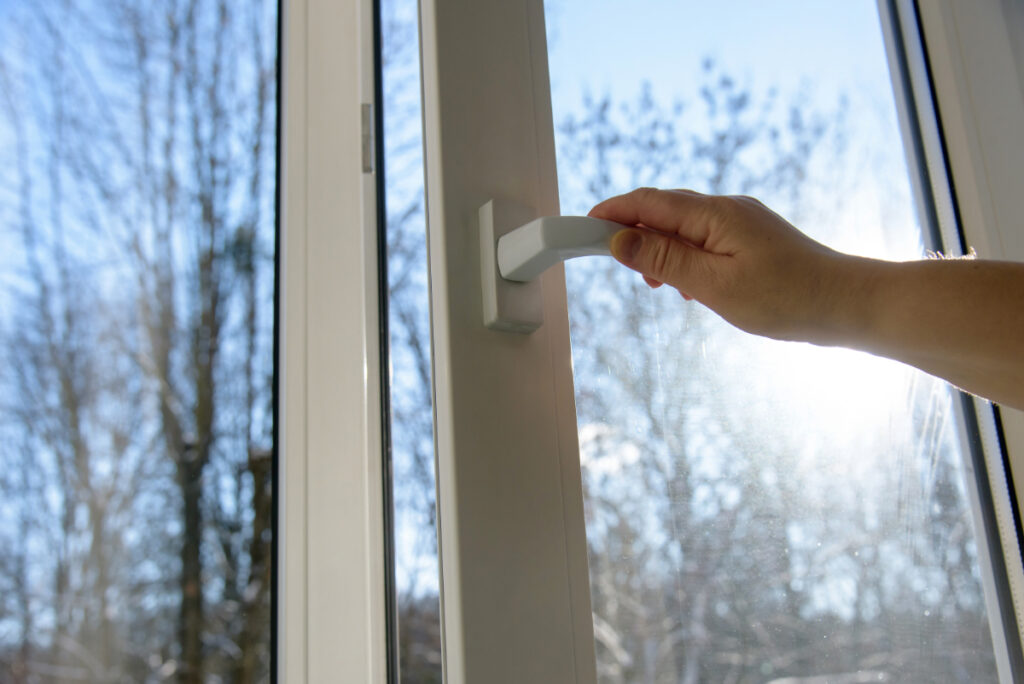
Ventilation plays an important role because many infections primarily spread through droplets and airborne particles rather than via contaminated surfaces.
Remember that infections can spread before symptoms appear
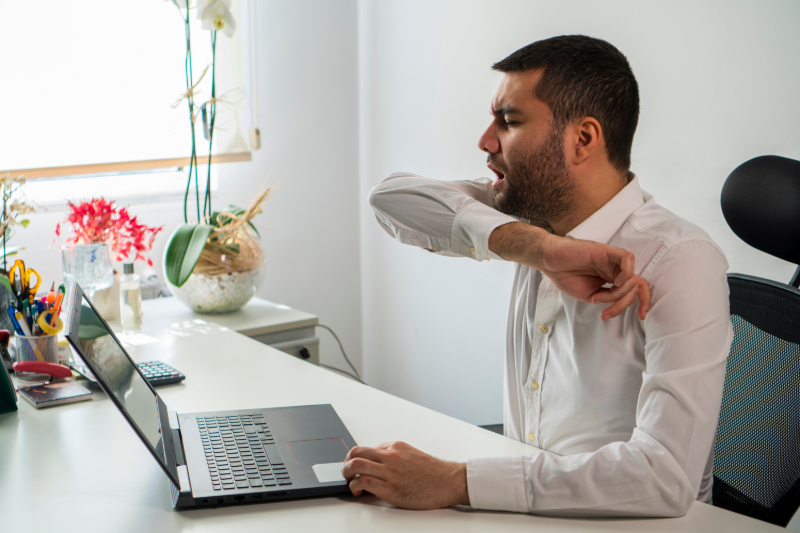
A person can spread a virus even before symptoms appear.
The virus may also continue to be shed for a period while the person is recovering.
You do not need to clean the entire home
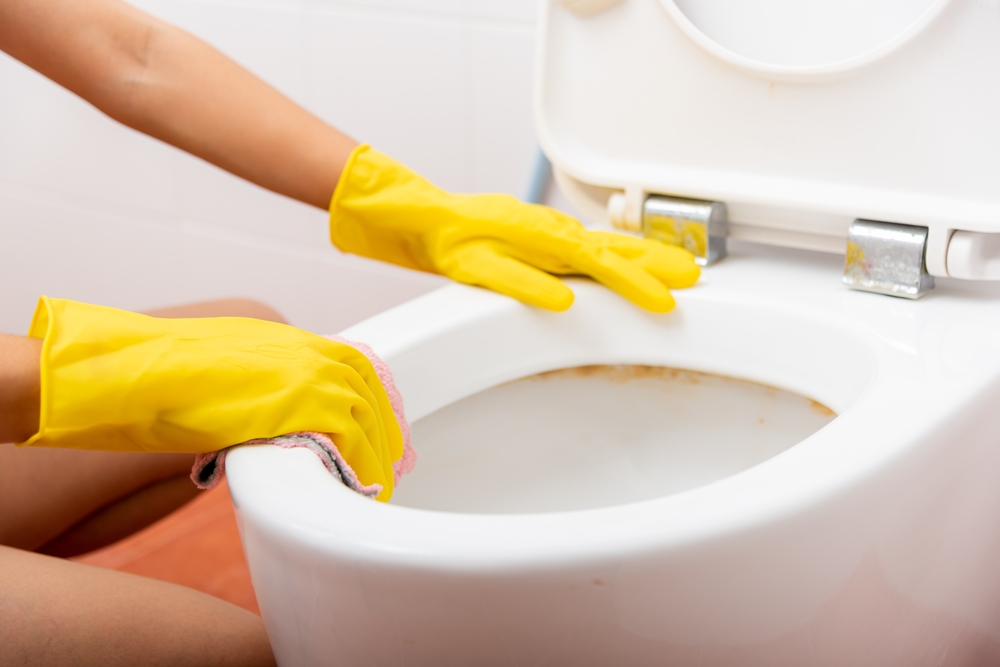
According to doctors, it is not necessary to disinfect every surface after an illness.
Also read: This is how eating an apple every day affects your digestion
It is better to focus your efforts on areas that are touched frequently.
Replace your toothbrush after certain infections
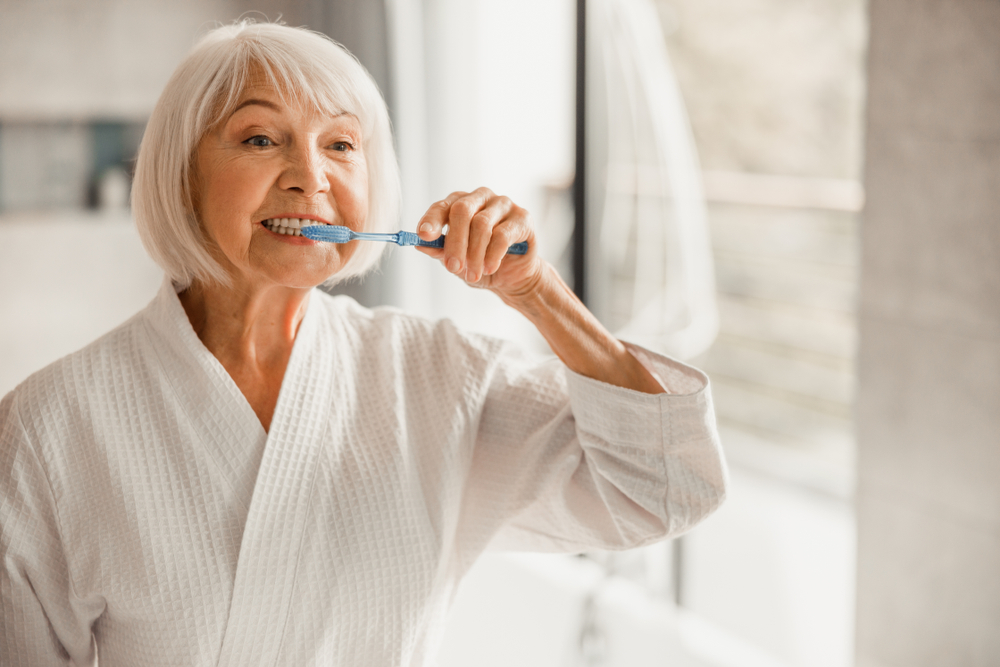
After infections involving E. coli, C. difficile, or Salmonella, Lori Solomon recommends replacing your toothbrush because the bacteria can survive on plastic for a long time.
You do not always need to throw away your toothbrush
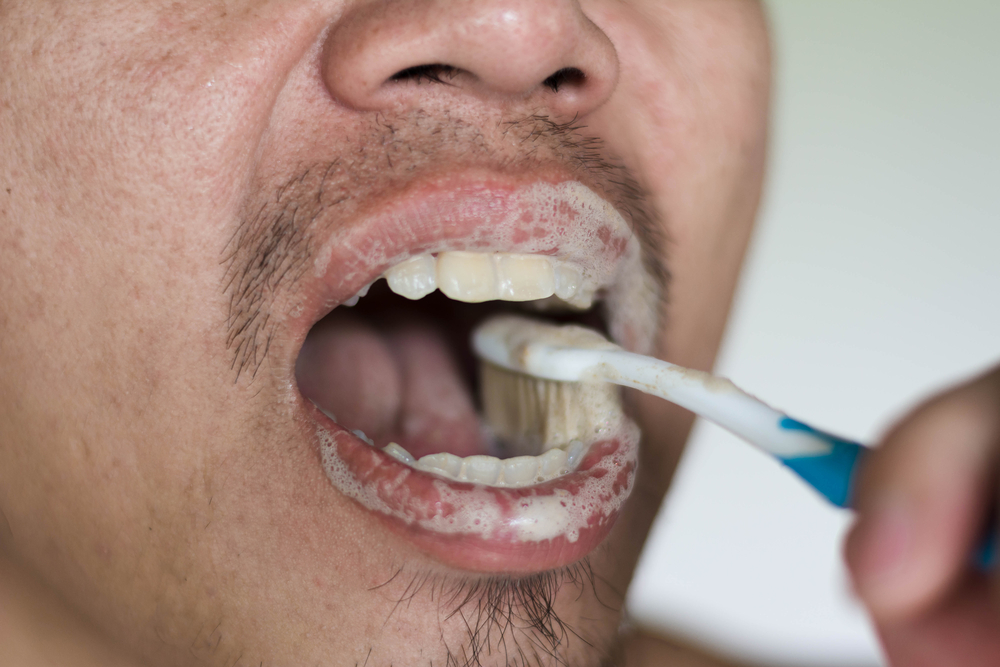
After other illnesses, it is not necessarily necessary to replace your toothbrush.
However, Richa Tandon generally recommends getting a new one about every three months.
Clean braces and mouthguards

Removable braces and mouthguards should be disinfected with a suitable cleaning product, such as a cleaning tablet.
Viruses survive for different lengths of time on surfaces
How long a virus remains on a surface depends on both the type of virus and the material.
According to Real Simple, viruses can survive for up to 24 to 48 hours on hard, non-porous surfaces.
Viruses may survive for less time on soft materials
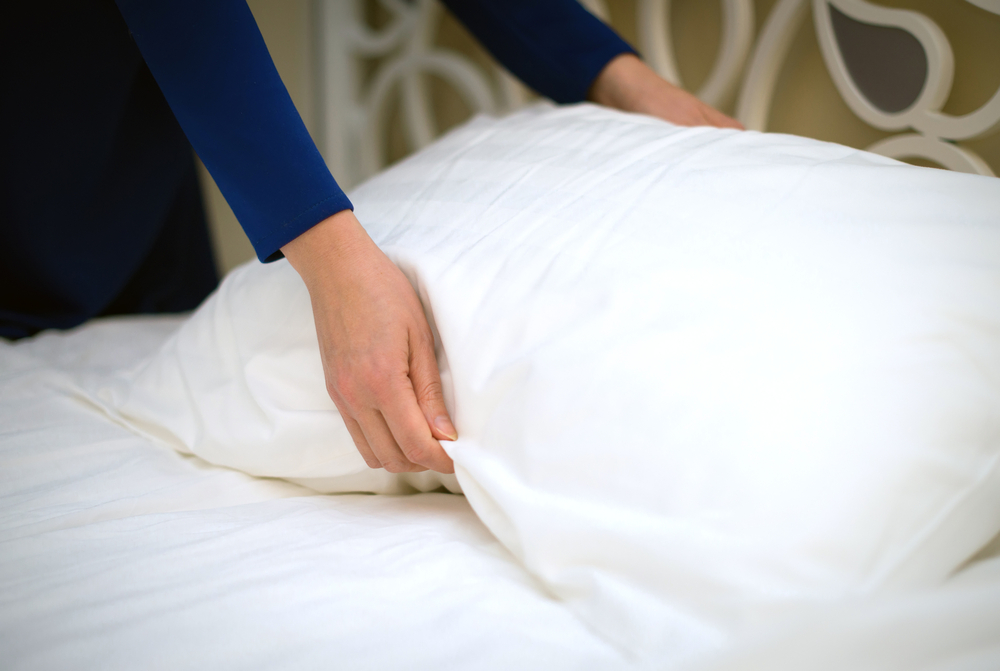
According to Richa Tandon, viruses can survive for a few hours on materials such as clothing, towels, and upholstery.
On hands, they can remain infectious for anywhere from a few minutes to several hours.
Some bacteria can survive for a very long time
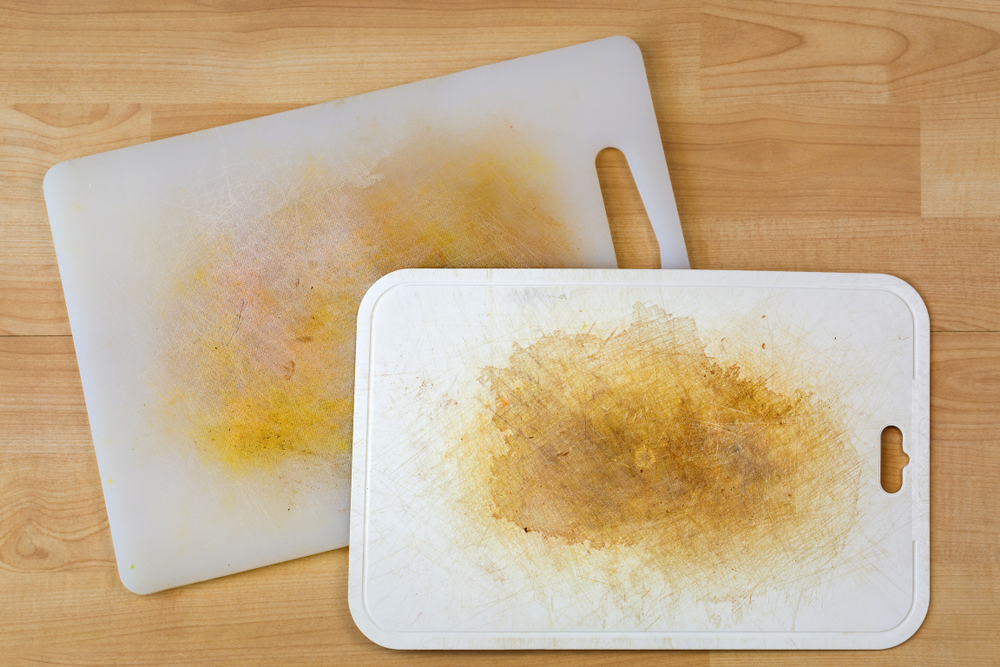
In some cases, bacteria can remain on surfaces for up to four months.
Real Simple notes that E. coli and Salmonella can survive on plastic for up to 300 days.
This article is made and published by Ida-Marie Palm Varbæk, who may have used AI in the preparation.