
Eggs can easily be part of a heart-healthy diet, but the way they are prepared can make a difference.
According to cardiologist Craig Basman, the type of fat used and the cooking temperature are particularly important factors to consider, writes Parade.
Boil your eggs
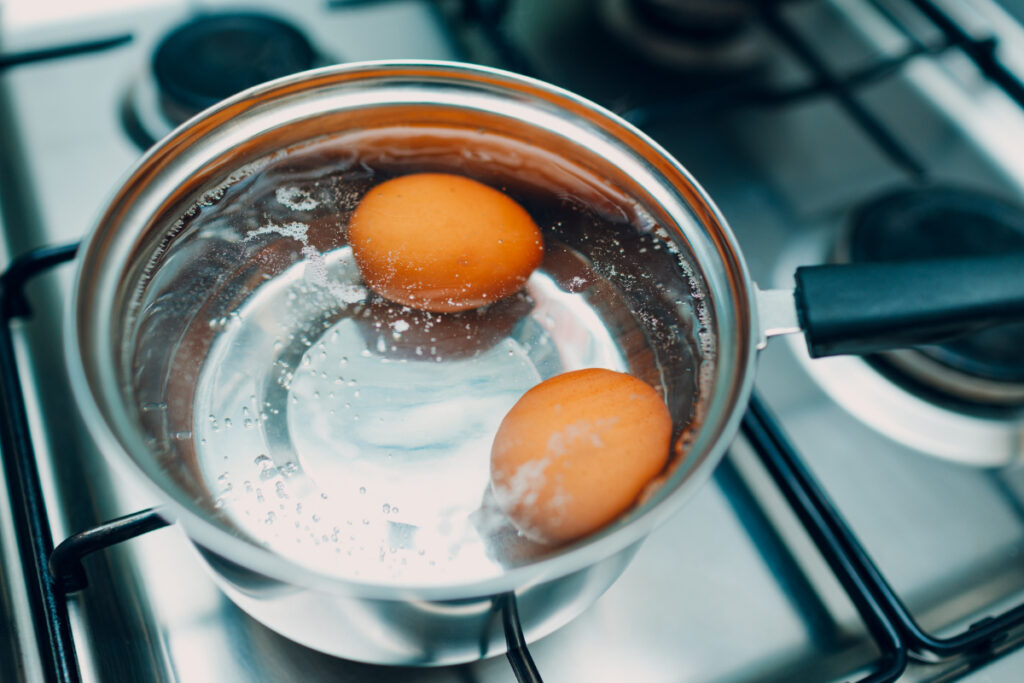
According to Basman, boiling is one of the most heart-healthy ways to prepare eggs.
Because the eggs are cooked in water, there is no need to add oil or saturated fat.
Also read: Halloween candy ranked: Which sweets damage your teeth most?
Try poached eggs
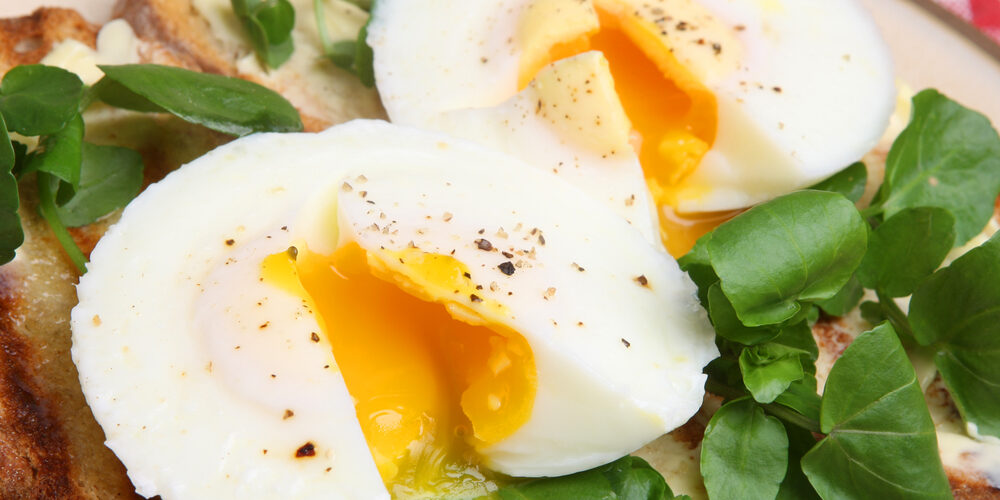
Poached eggs are also cooked in water and therefore do not require any additional fat.
The gentle cooking method also helps preserve the egg’s natural nutrients, including B vitamins and antioxidants.
Choose low heat

If you fry or scramble eggs, Basman recommends using low heat.
This reduces the risk of fats oxidizing and forming free radicals, which can contribute to oxidative stress and inflammation in the blood vessels.
Also read: One number on your blood test may cut your heart attack risk in half
Use olive oil

According to the cardiologist, eggs can be fried in a pan as long as you use a small amount of heart-healthy, heat-stable oil.
Extra virgin olive oil is mentioned as one option.
Avocado oil is also an option
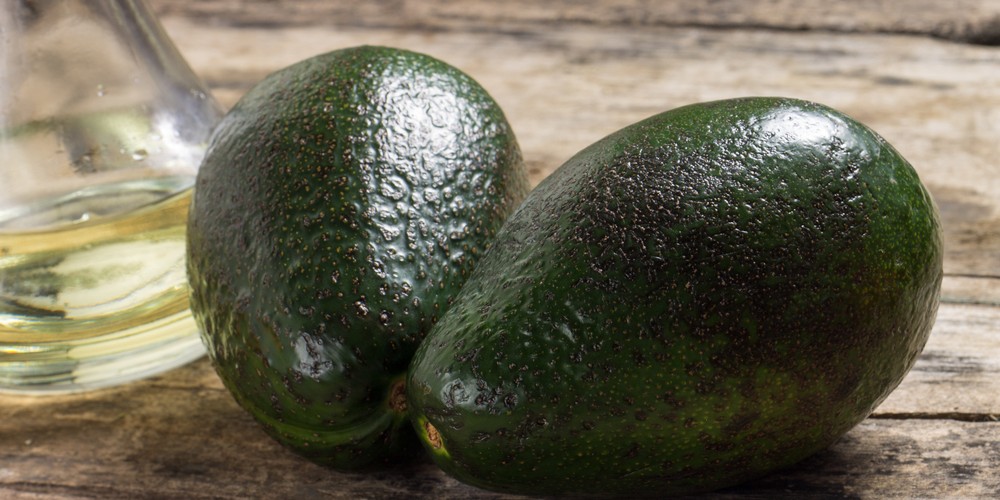
Basman also points to avocado oil as an alternative when frying or scrambling eggs.
Again, the oil should be used sparingly and at a low temperature.
Also read: 1 in 7 older adults regained normal cognitive scores after using hearing aids
Add spinach
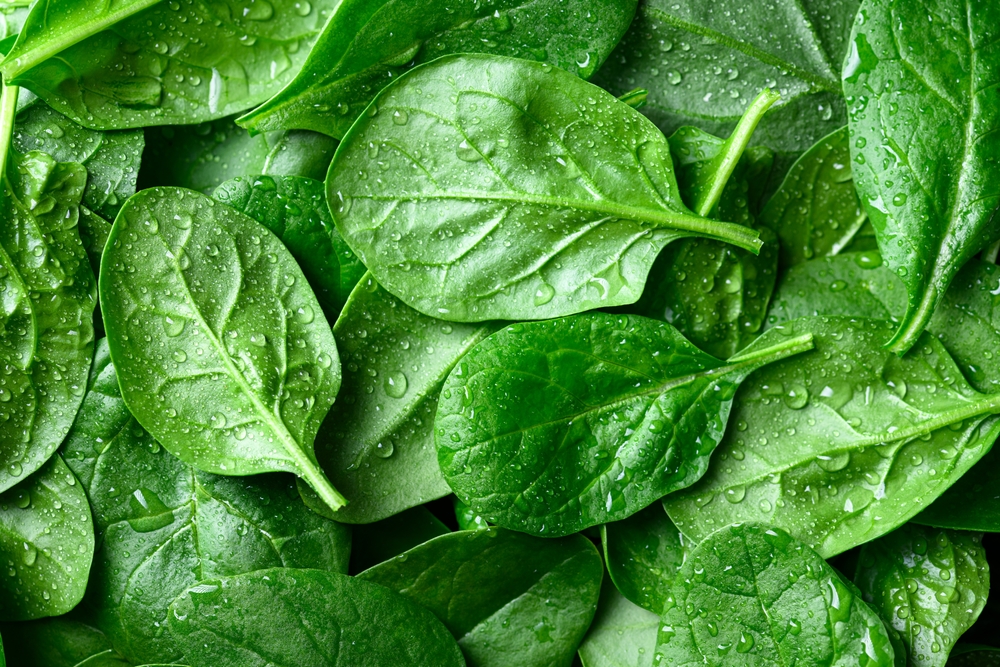
Spinach can be a heart-healthy addition to scrambled eggs. The vegetable provides fiber, potassium and antioxidants without adding saturated fat.
Add cherry tomatoes

Basman also likes to add cherry tomatoes to his scrambled eggs.
Together with spinach, they provide additional fiber, potassium and antioxidants, which can help regulate blood pressure, among other benefits.
Also read: The MIND diet may slow brain shrinkage enough to buy 2.5 extra years
Limit butter
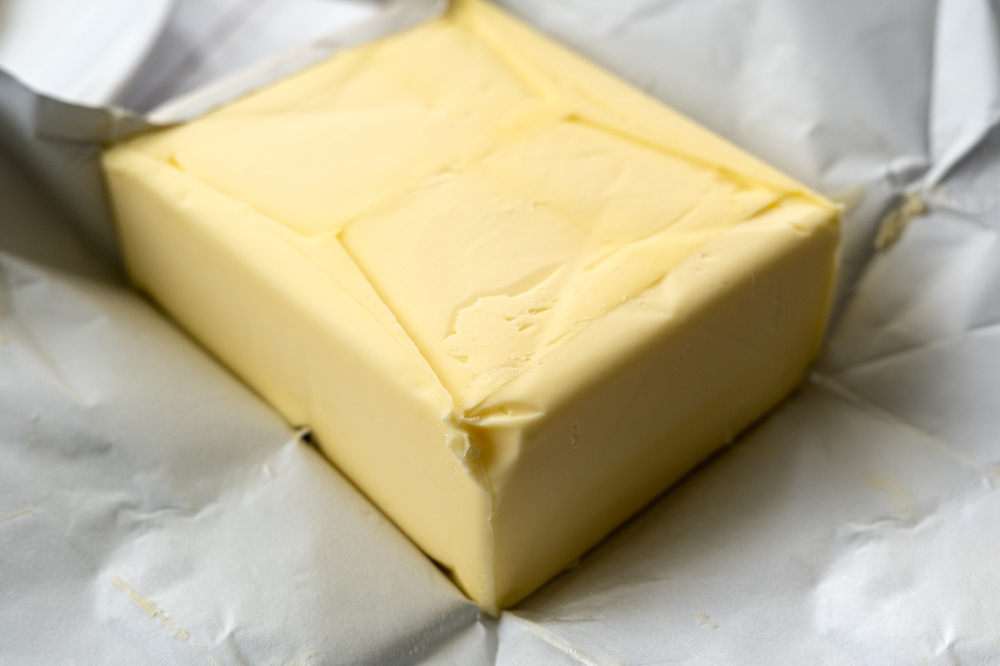
According to Basman, frying eggs in butter is less heart-healthy.
The main concern is the additional saturated fat, which can raise LDL cholesterol and promote plaque buildup in the arteries.
Avoid bacon fat
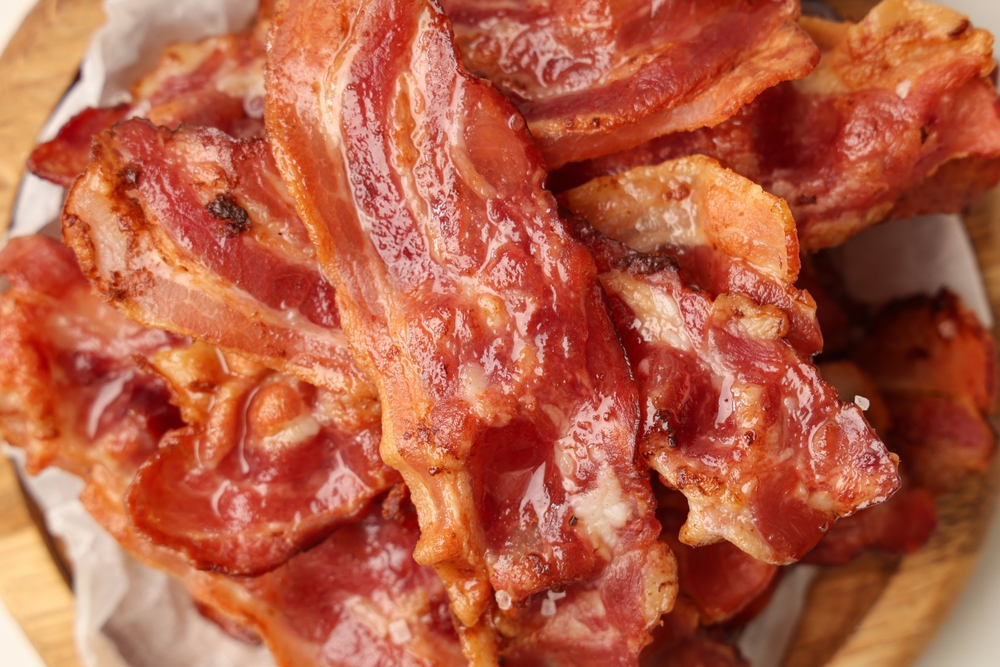
Basman also advises against frying eggs in bacon fat.
It adds large amounts of saturated fat, which can raise LDL cholesterol and thereby contribute to atherosclerosis.
Also read: What drinking soda can do to your blood pressure
Cut back on bacon and sausages

Processed meats such as bacon and sausages contain more than just saturated fat.
According to Basman, these products are also high in sodium and preservatives, which can negatively affect blood pressure and blood vessels.
Limit large amounts of cheese

Adding large amounts of cheese to eggs can contribute unnecessary calories and saturated fat.
According to Basman, this can counteract some of the nutritional benefits of the eggs themselves.
One egg a day can fit into a healthy diet
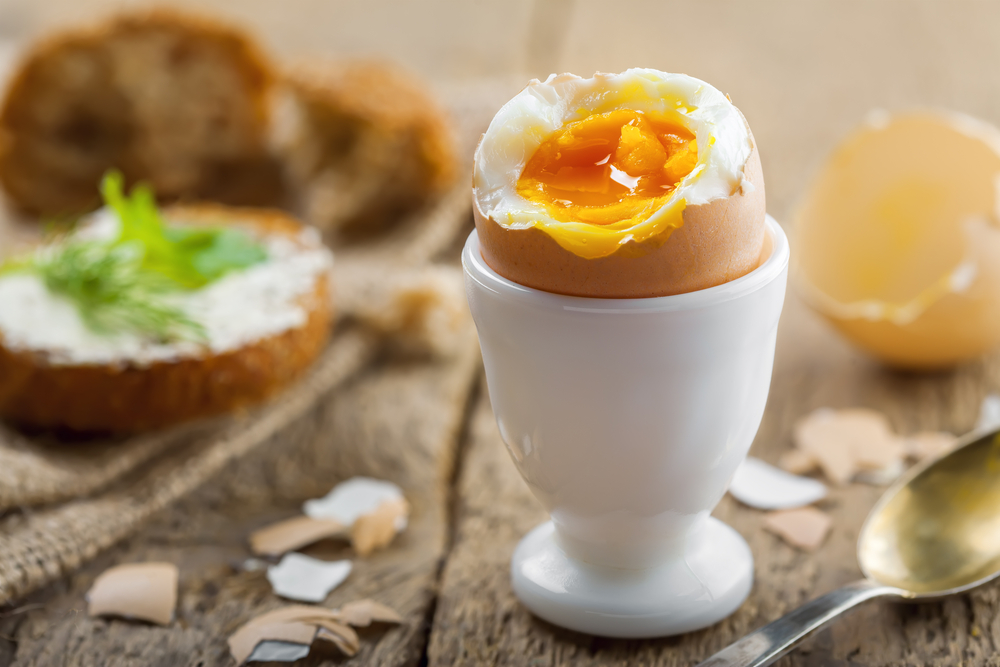
According to research published in Circulation, eating up to one whole egg a day does not increase the risk of heart disease in generally healthy adults.
Dietary cholesterol also appears to have less of an effect on blood cholesterol than saturated and trans fats in the average person.
Some people should be more cautious with egg yolks
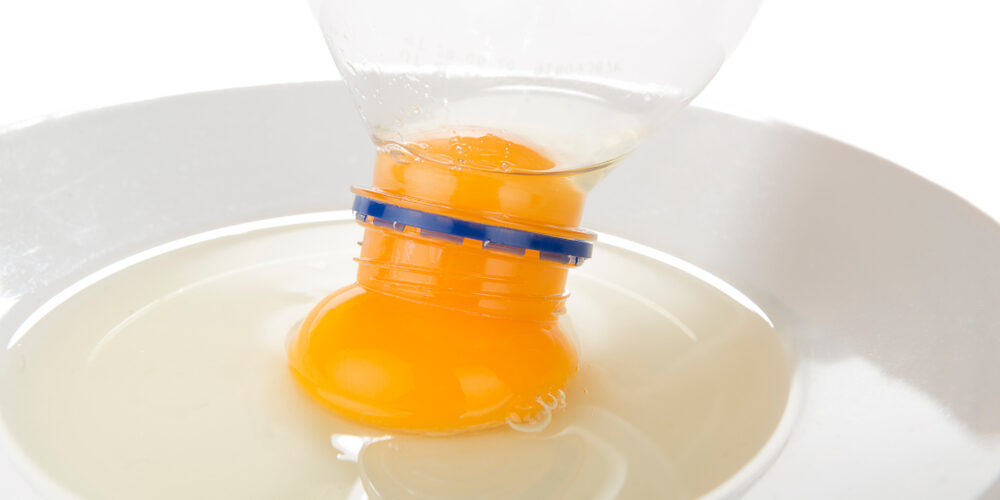
According to Basman, people with advanced coronary artery disease, very high cholesterol or type 2 diabetes may be more sensitive to eggs.
In these cases, he recommends limiting egg yolks to a few times a week.
Egg whites are an alternative

If egg yolks need to be limited, egg whites can be an option. They contain high-quality protein but no cholesterol.
Preparation makes a difference

A nutrient-rich food can become less heart-healthy if it is fried in saturated animal fat or in oil that is heated to excessively high temperatures.
For this reason, Basman highlights boiling and poaching as his preferred methods for preparing eggs with heart health in mind.
This article is made and published by Ida-Marie Palm Varbæk, who may have used AI in the preparation.