
Kidney stones are hard mineral deposits that form in the kidneys and cause problems when they travel into the ureter, the narrow tube connecting the kidney to the bladder.
According to the National Institute of Diabetes and Digestive and Kidney Diseases, about 11 percent of men in the United States have kidney stones at least once during their lifetime. For women the figure is about 6 percent.
The symptom picture is remarkably consistent across major clinical sources, including the NIDDK, the Urology Care Foundation, and Mayo Clinic.
Each sign below is a direct consequence of a stone irritating the urinary tract or blocking the flow of urine, and any combination of them is a reason to call a health care professional right away.
Also read: 7 everyday foods that may quietly make your acid reflux and GERD worse
1. Severe Pain in the Back or Side

The hallmark symptom is a sharp pain under the ribs, in the back or side, where the kidney sits. The NIDDK describes it as "sharp pains in your back, side, lower abdomen, or groin."
This is the pain doctors call renal colic, and it often starts suddenly and intensely enough to interrupt sleep or work.
2. Pain That Radiates Toward the Groin

As a stone moves down the ureter, the pain often shifts from the flank into the lower abdomen and toward the groin. The movement of the pain mirrors the movement of the stone and is one of the clearest clues that a stone, rather than a muscle strain, is behind the discomfort.
3. Pain That Comes in Waves

Kidney stone pain rarely stays steady. The NIDDK notes that "your pain may last for a short or long time or may come and go in waves." Each wave matches a spasm in the ureter as it tries to push the stone forward, and the peaks can be minutes apart.
Also read: Measles can infect 9 in 10 unprotected people
4. Burning or Painful Urination

When a stone reaches the lower urinary tract, urinating itself can become painful. The NIDDK lists "pain while urinating" among the warning signs, and the sensation is often described as sharp or burning.
It is easy to mistake this symptom for a urinary tract infection, which is one reason stones are often missed on first assessment.
5. Blood in the Urine
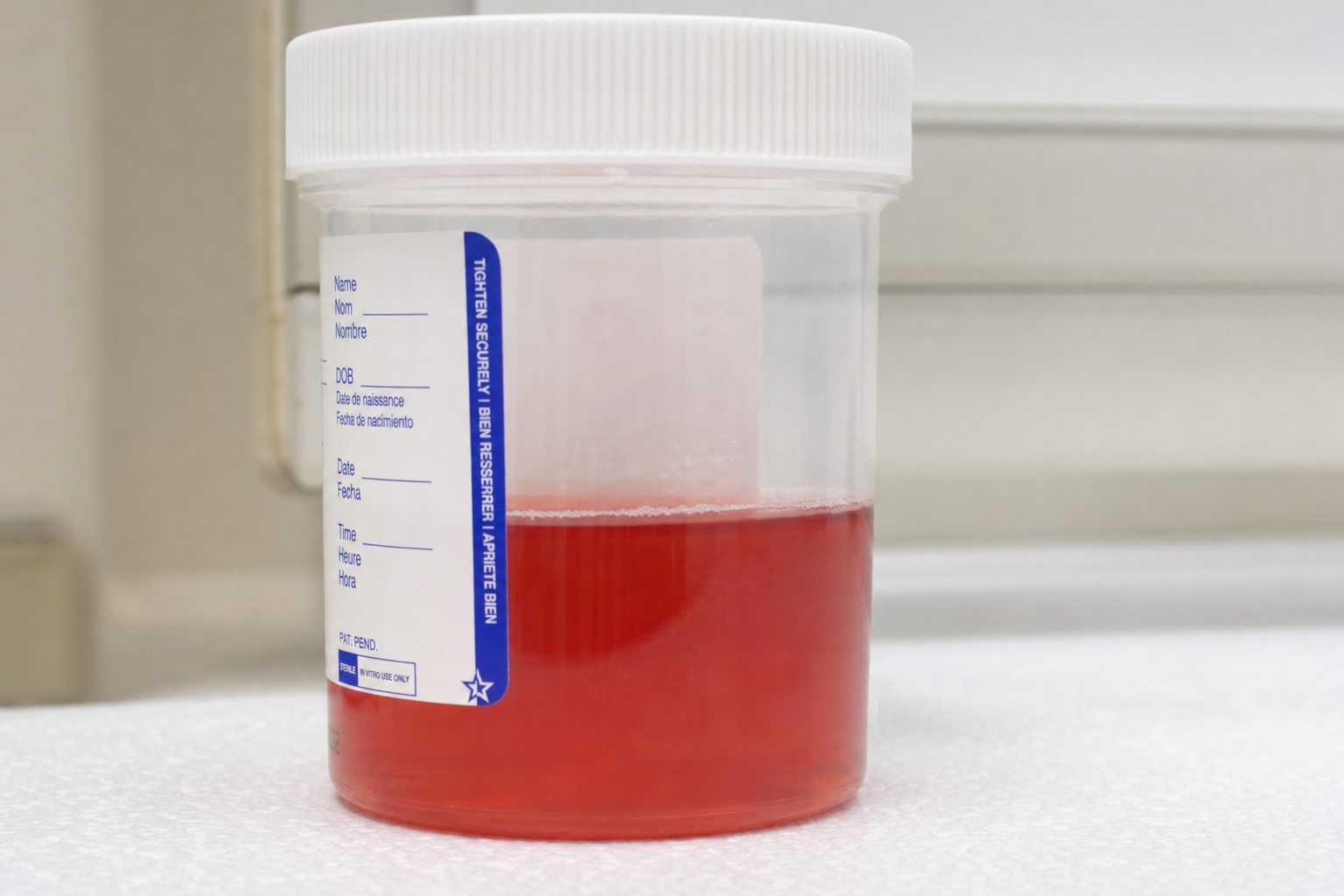
A stone can scrape the inside of the ureter or bladder, leaving traces of blood. The NIDDK describes urine that is "pink, red, or brown" as a classic sign.
The discoloration can be visible to the naked eye, or it can only show up on a lab dipstick test, which is why a sample is usually part of the first exam.
Also read: One in six people reversed their early memory decline after getting hearing aids
6. Cloudy Urine

Cloudy urine suggests the presence of pus, crystals or bacteria, and the NIDDK includes "cloudy or bad-smelling urine" in its symptom list.
If a stone is blocking drainage, urine can back up and foster an infection, which is one of the more serious complications and a reason to seek care without delay.
7. Foul-Smelling Urine

Strong or unpleasant-smelling urine often appears alongside cloudiness and signals the same concern: a possible infection sitting behind a stone.
Taken together, the two symptoms shift the picture from a straightforward stone to a potential medical emergency and warrant prompt medical attention.
Also read: HIV can hide in the body for years: AIDS claim a life every minute
8. A Constant Urge to Urinate

A stone near the bladder can mimic the sensation of a full bladder, even right after urinating. The NIDDK lists "a constant need to urinate" as one of the recognizable warning signs. The urge can wake people during the night and does not ease with normal fluid intake.
9. Urinating More Often, or Only Small Amounts

Frequency can go up even while the amount of urine goes down. The NIDDK describes an "inability to urinate or can only urinate a small amount," which happens when a stone partially blocks the urethra or ureter.
Difficulty passing more than a trickle, especially with pain, is a signal to be seen the same day.
10. Nausea

The kidneys and the digestive tract share nerve pathways, so intense renal colic often triggers nausea. The NIDDK lists nausea among the associated symptoms of kidney stones.
Also read: Your child's hepatitis B risk could jump sharply if vaccine timing changes go through
Readers who feel sudden, severe flank pain plus queasiness should take the combination seriously rather than assuming a stomach bug.
11. Vomiting

When nausea escalates, vomiting can follow, and it may make it hard to keep fluids or oral painkillers down. The NIDDK pairs vomiting with nausea in its symptom list.
Being unable to hold down water or medication is itself a reason to go to an emergency room rather than wait at home.
12. Fever and Chills

Fever or chills alongside flank pain suggest that a urinary infection has set in behind the stone, which is a medical emergency.
The NIDDK is explicit that these symptoms "may mean you have a kidney stone or a more serious condition," and it tells readers to "see a health care professional right away."
Anyone with the pain pattern described above plus a fever should seek care immediately rather than wait for the stone to pass on its own.
This article is made and published by Aksel Kryhlmand, who may have used AI in the preparation.