
Meditation is about more than mental relaxation. Research suggests that regular meditation may influence blood pressure, breathing and the body's response to stress. Even a few minutes of daily practice may make a difference over time, reports EatingWell.
Blood pressure may drop during meditation

Your blood pressure may temporarily decrease when you meditate, particularly if you were feeling stressed beforehand. Research also suggests that regular meditation may lead to small but more lasting improvements in blood pressure. However, the extent of these benefits varies from person to person.
Your body may become less reactive to stress

Stress activates the sympathetic nervous system, which can increase your heart rate and cause blood vessels to narrow. Both responses can raise blood pressure. Meditation may help you manage stressful situations with less physical reactivity. Over time, this could reduce some of the effects of stress on your cardiovascular system.
Slower breathing may benefit your blood vessels

Many meditation techniques naturally encourage slower, more controlled breathing. This may help reduce blood vessel constriction and support the body's ability to regulate blood pressure. According to physician Marschall Runge, slower breathing may be one of the main reasons meditation has a positive effect on blood pressure.
Also read: Can you catch up on sleep over the weekend? Here's the answer
Your body's natural blood pressure regulation may improve

Specialized sensors in your arteries detect changes in blood pressure. They are part of a mechanism called the baroreflex, which helps your heart and blood vessels respond to fluctuations. Slow breathing during meditation may improve how this mechanism functions, supporting the body's natural regulation of blood pressure.
The benefits may become more noticeable after several months

A single meditation session may temporarily affect blood pressure, but longer-lasting improvements require consistency. According to Marschall Runge, the effects typically become apparent after eight to 12 weeks of regular practice. Even modest reductions in blood pressure can be meaningful for cardiovascular health.
Meditation may change your relationship with food

Mindfulness can help you become more aware of when and why you eat. For example, it may become easier to distinguish physical hunger from the urge to eat in response to stress. Research also suggests that mindfulness may encourage healthier eating habits and make it easier to follow the DASH diet, an eating pattern designed to help lower blood pressure.
Five to 10 minutes is a good starting point

You don't need to spend long periods meditating to get started. Mindfulness researcher Eric B. Loucks recommends that beginners start with five to 10 minutes a day. Meditation can also be combined with existing routines, such as stretching before bed. Guided meditation may be particularly helpful if you find it difficult to stay focused.
Also read: Adding more of this food group to your plate may lower your kidney disease risk
You may become more aware of your body's signals

Meditation can strengthen your awareness of internal bodily sensations. This may help you recognize hunger, fullness and the need for physical activity. During meals, for example, you can practice paying attention to the taste and texture of your food, as well as the signals that indicate you're becoming full.
Diet remains important for blood pressure
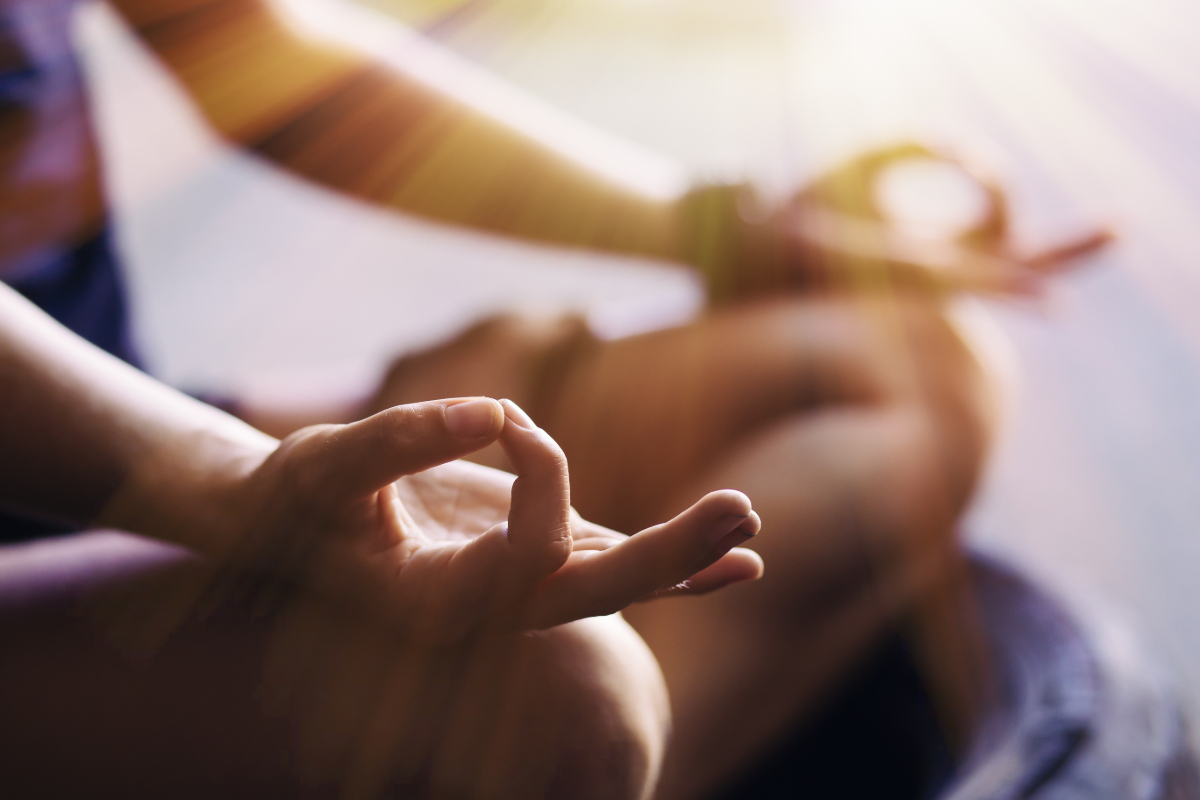
Meditation alone is not enough to maintain healthy blood pressure. Both the DASH and Mediterranean diets are recognized as beneficial eating patterns. They emphasize vegetables, fruits, whole grains, legumes, nuts and healthy fats. Potassium-rich foods such as potatoes, beans, avocados and bananas may also help counter some of sodium's effects on blood pressure.
Exercise and sleep support healthy blood pressure
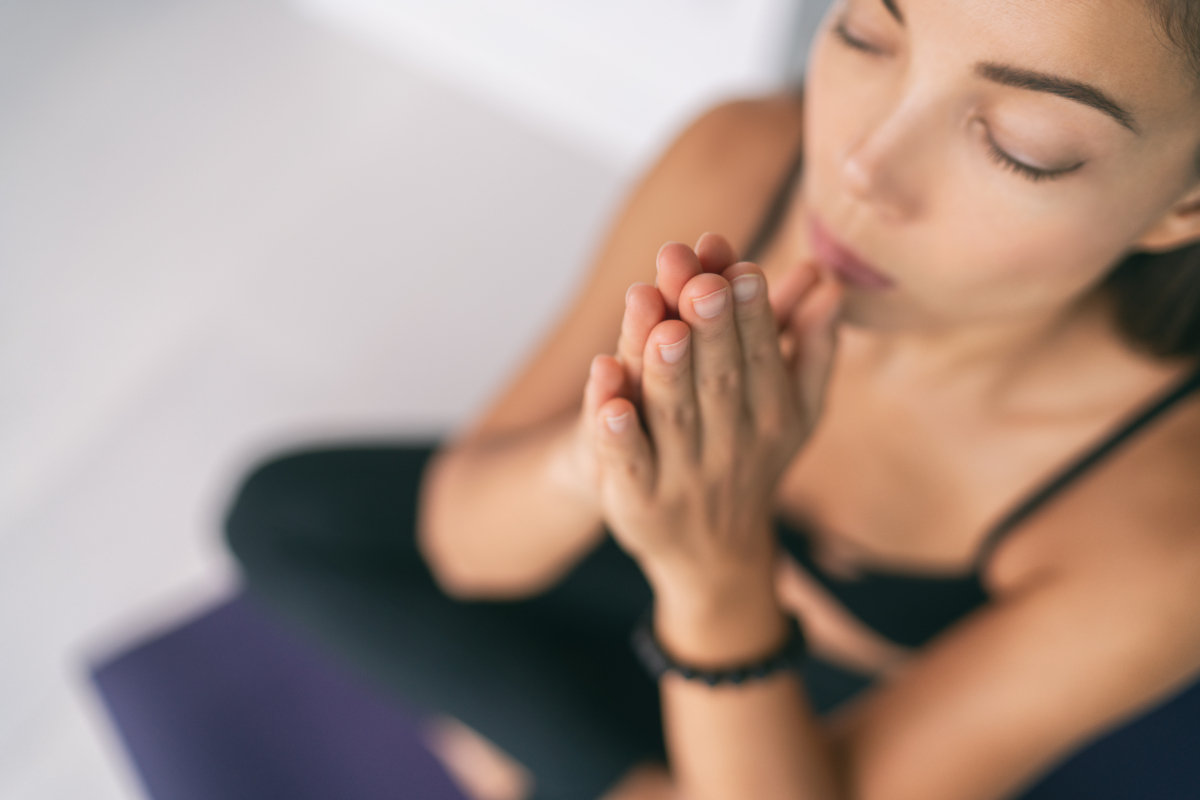
Regular physical activity and adequate sleep are important habits for managing blood pressure. The article recommends working toward at least 150 minutes of moderate aerobic exercise each week, along with strength training twice weekly. Most adults also need seven to nine hours of sleep per night. A short meditation session before bedtime may help promote relaxation.
The benefits may extend beyond blood pressure

According to the research discussed in the article, meditation may also help reduce anxiety, improve sleep and enhance overall well-being. It may also influence some of the hormonal signals involved in the body's stress response. As a result, meditation's potential benefits may extend beyond the relaxation experienced during an individual session.
Also read: Check your spice cabinet: 21 cinnamon products may contain elevated lead levels
Meditation should complement medical treatment

Although meditation may have beneficial effects, it should not replace prescribed blood pressure medication or recommended lifestyle changes. The American Heart Association considers meditation and other stress-reduction techniques potential additions to existing treatment strategies. It is therefore important to continue taking prescribed medication and discuss with your doctor how meditation might fit into your blood pressure management plan.
Also read: How much sun do you actually need each day for healthy vitamin D?
This article is made and published by Mie Hermansen, who may have used AI in the preparation.