
Sourdough bread may affect blood sugar differently than regular bread. Research suggests that its unique fermentation process could lead to a slower rise in blood sugar. However, the type of bread you eat is not the only factor that matters, reports Health.
Your blood sugar depends on more than the bread

How your blood sugar responds to bread depends on several factors, including your metabolism, portion size, and the other foods you eat with it. This means that not everyone will experience the same effects from sourdough bread. According to Beth Czerwony, a registered dietitian at Cleveland Clinic, several factors need to be considered when evaluating how bread affects blood sugar levels.
Sourdough differs from other types of bread
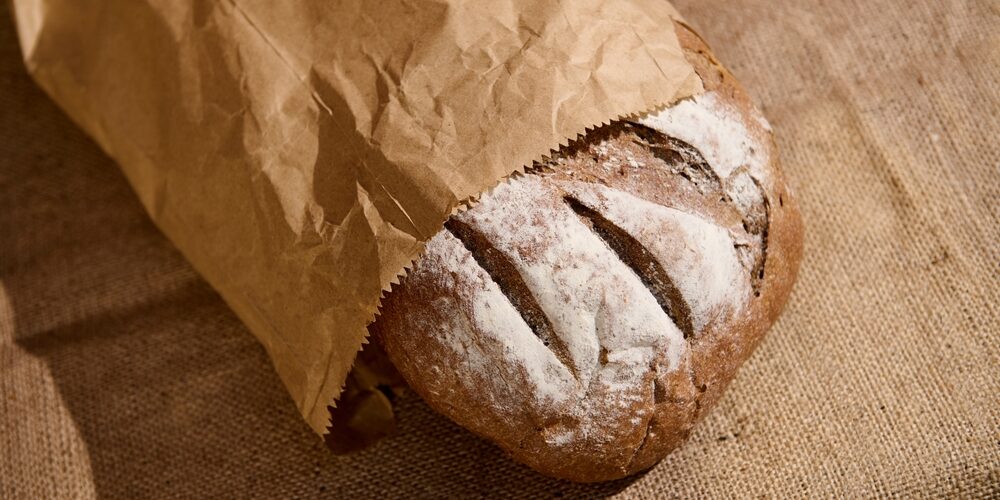
One of the main differences between sourdough and conventional bread is how they are made. Sourdough undergoes fermentation, during which bacteria and yeast change the composition of the dough. This process may influence how the body digests the bread, potentially contributing to a more gradual increase in blood sugar after eating.
The numbers reveal an interesting difference
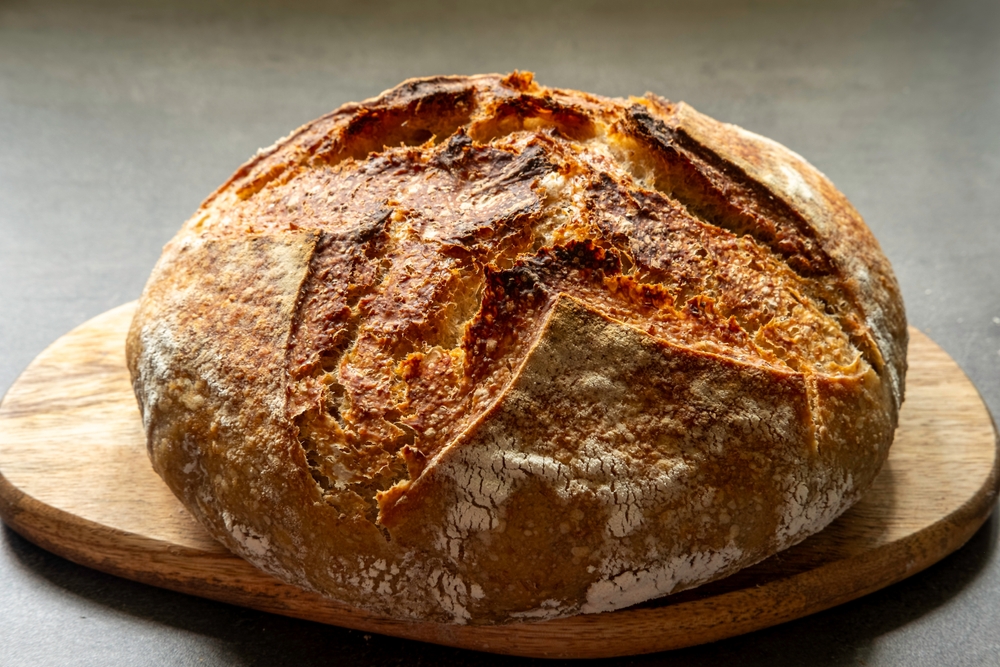
The glycemic index, or GI, measures how quickly a food raises blood sugar levels. Sourdough bread has a GI of approximately 55, compared with around 83 for bread made from white wheat flour. Barley whole-wheat bread has a GI of about 75. These figures suggest that sourdough may cause a slower increase in blood sugar than these other types of bread.
Also read: Three tiny daily changes linked to a 10% lower risk of heart disease
Bacteria and yeast change the dough
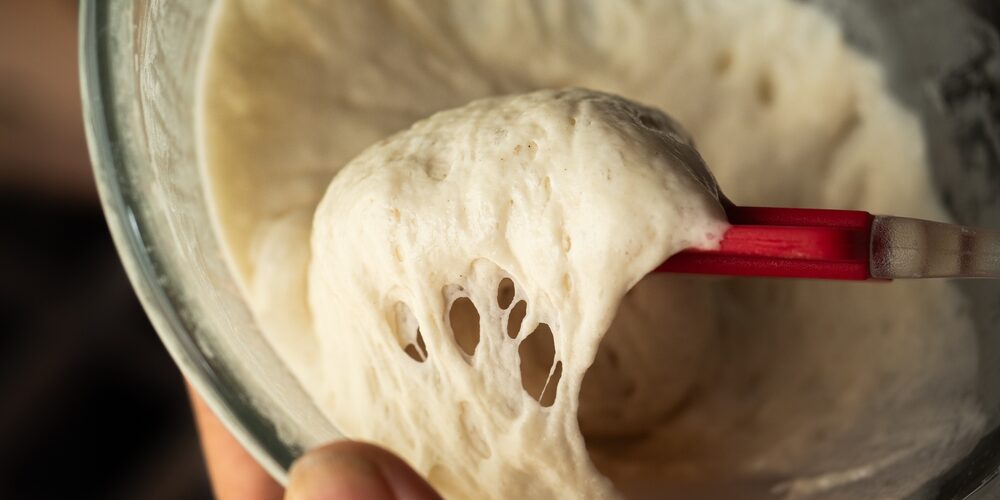
Sourdough contains living microorganisms that become active during fermentation. Bacteria and yeast consume some of the sugars naturally present in the flour. Although these microorganisms do not survive the high temperatures of baking, they have already changed the dough before it enters the oven. This helps explain why sourdough may have different properties from bread made without fermentation.
Your stomach may empty more slowly
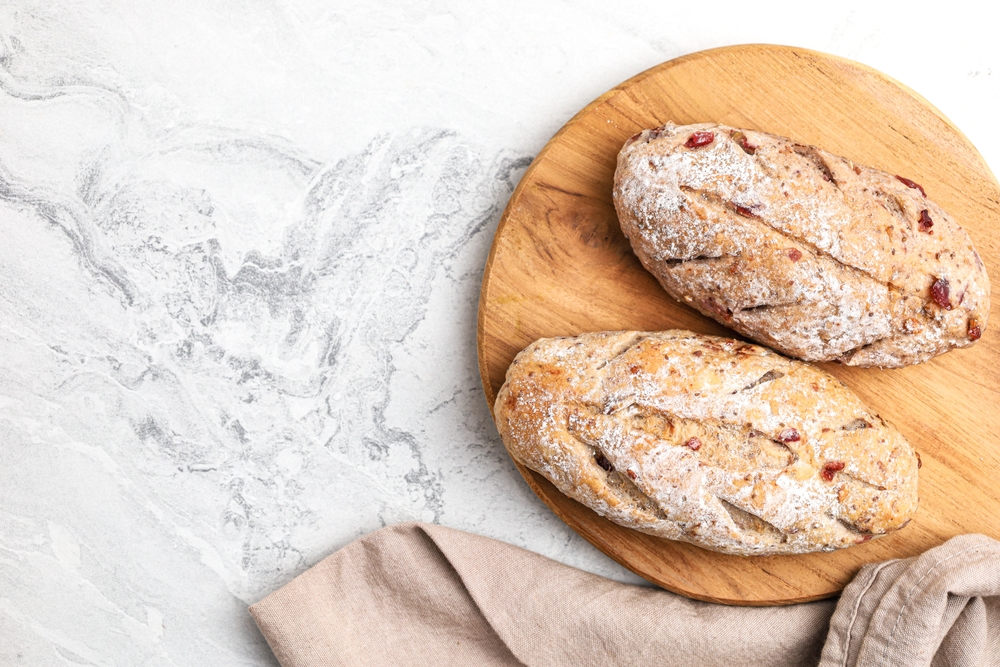
Fermentation produces organic acids that can slow the rate at which food leaves the stomach. This may delay digestion and influence how quickly blood sugar rises after a meal. Registered dietitian and certified diabetes care and education specialist Sheri Gaw identifies this process as one possible explanation for sourdough bread's effects on blood sugar.
Eating more could cancel out the benefits
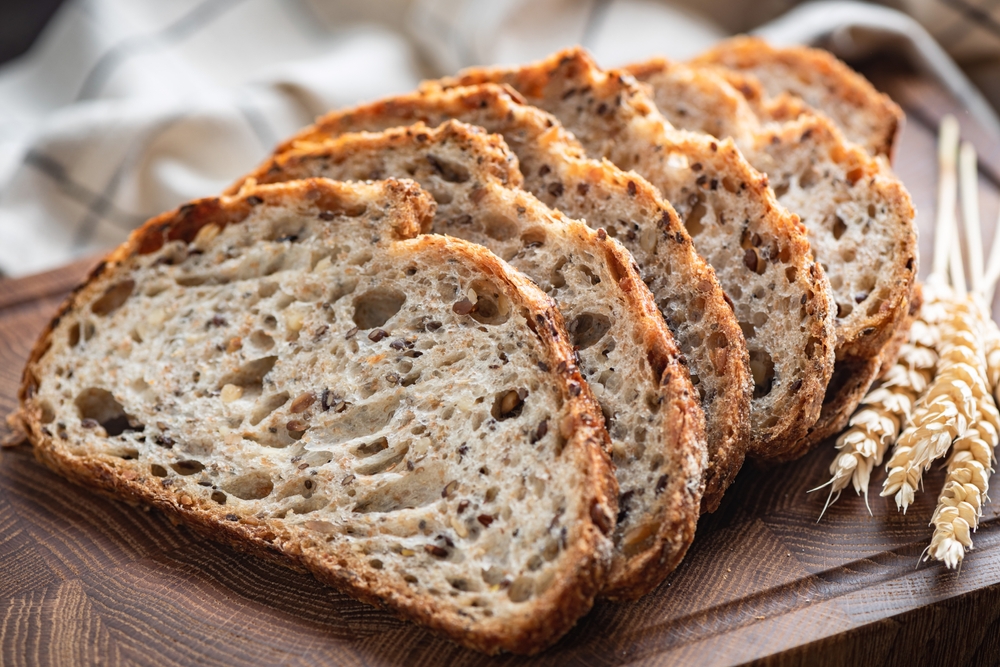
A lower glycemic index does not mean that eating larger amounts of sourdough bread is necessarily beneficial. The bread still contains carbohydrates and calories, and consuming more of it could reduce or even outweigh its potential blood sugar benefits. Elizabeth Holt, an endocrinologist at UCSF Health, therefore does not recommend increasing bread consumption simply because sourdough may have certain advantages.
Whole grains may make a difference
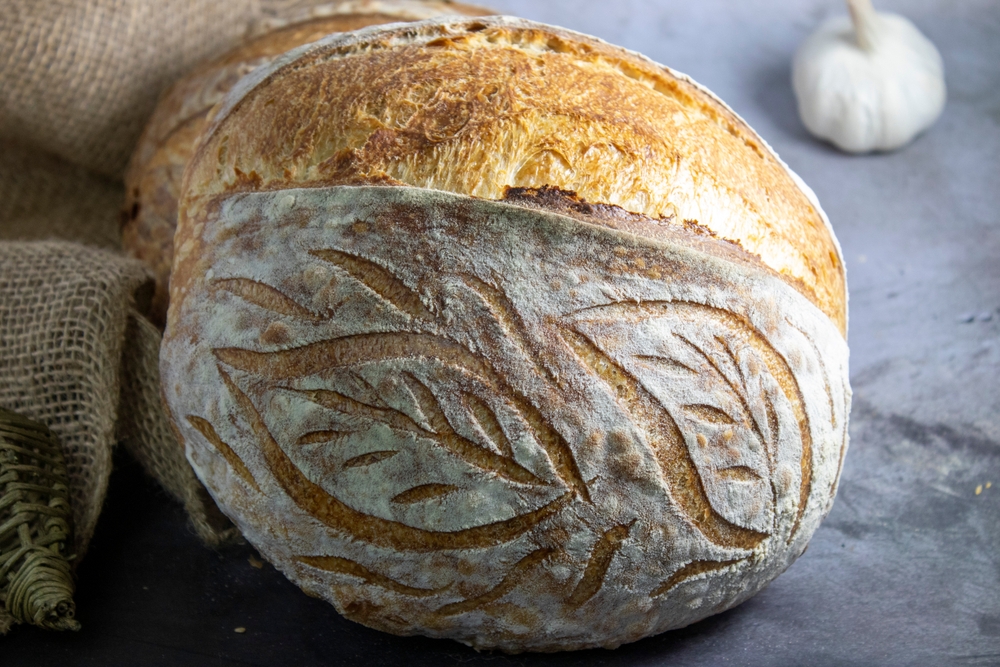
Sourdough bread comes in different varieties, including those made with whole grains. This matters because dietary fiber can slow carbohydrate absorption. According to Lorena Alarcon-Casas Wright, a professor of clinical practice in endocrinology at UW Medicine, fiber may help reduce sharp increases in blood sugar after eating.
Also read: The air you breathe may be raising your risk of type 2 diabetes
White sourdough is not necessarily the best choice
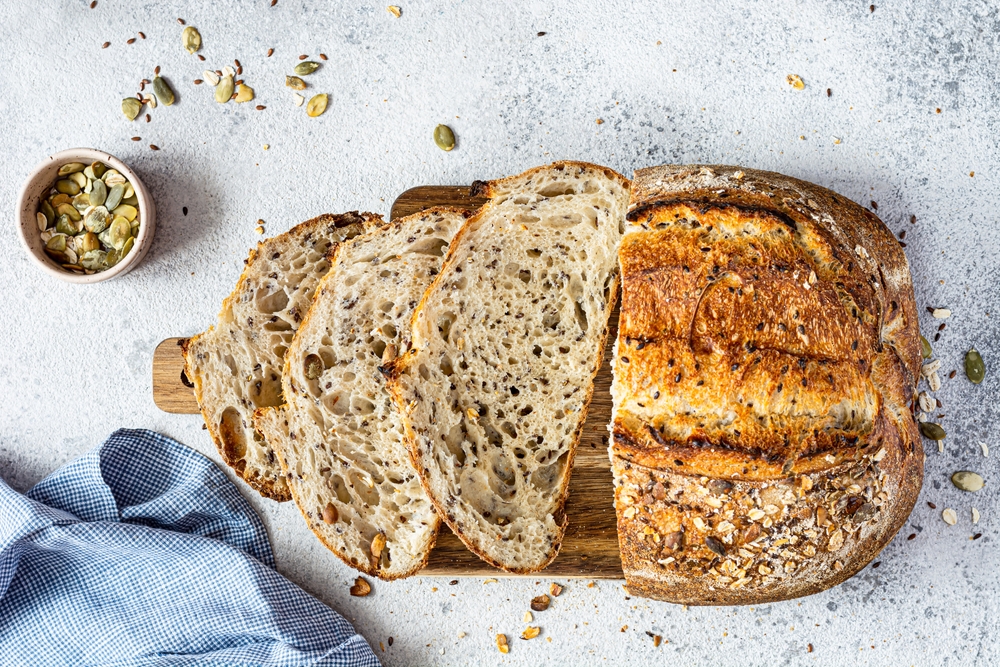
Although sourdough is generally associated with a more moderate blood sugar response, researchers are still uncertain about the long-term effects of different varieties. For example, it remains unclear whether sourdough made with refined white flour is better for blood sugar control than conventional whole-grain bread made with baker's yeast when both are consumed regularly.
Different sourdough starters complicate research
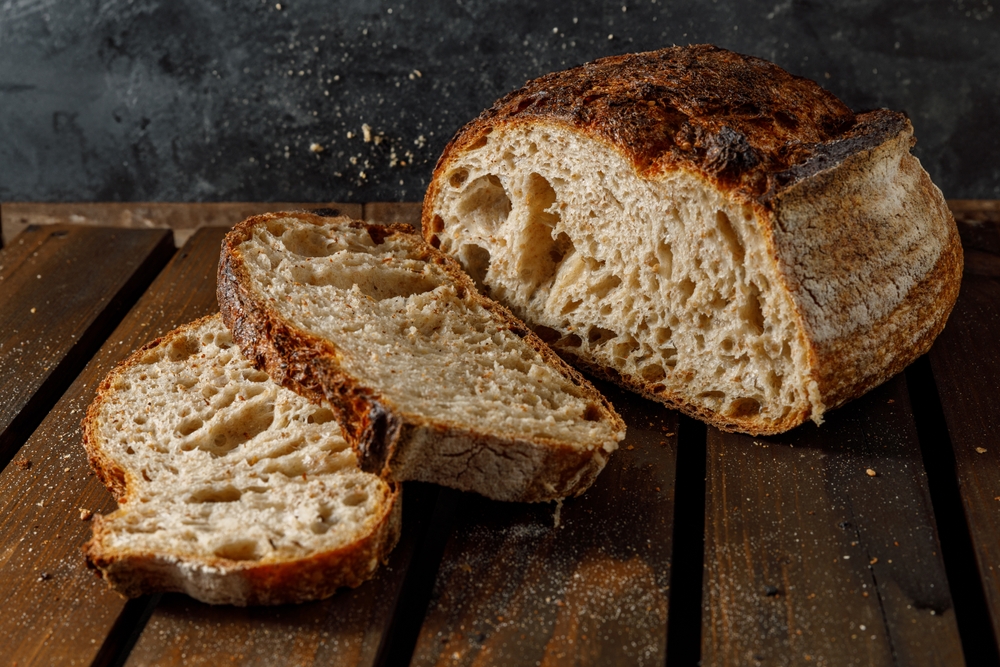
Not all sourdough breads are produced in the same way. Different types of flour and starter cultures contain varying combinations of microorganisms. These differences make it difficult to compare research findings and determine how much of the potential benefit comes from fermentation itself. More human studies are needed to better understand sourdough's effects on blood sugar.
Sourdough may be a sensible alternative
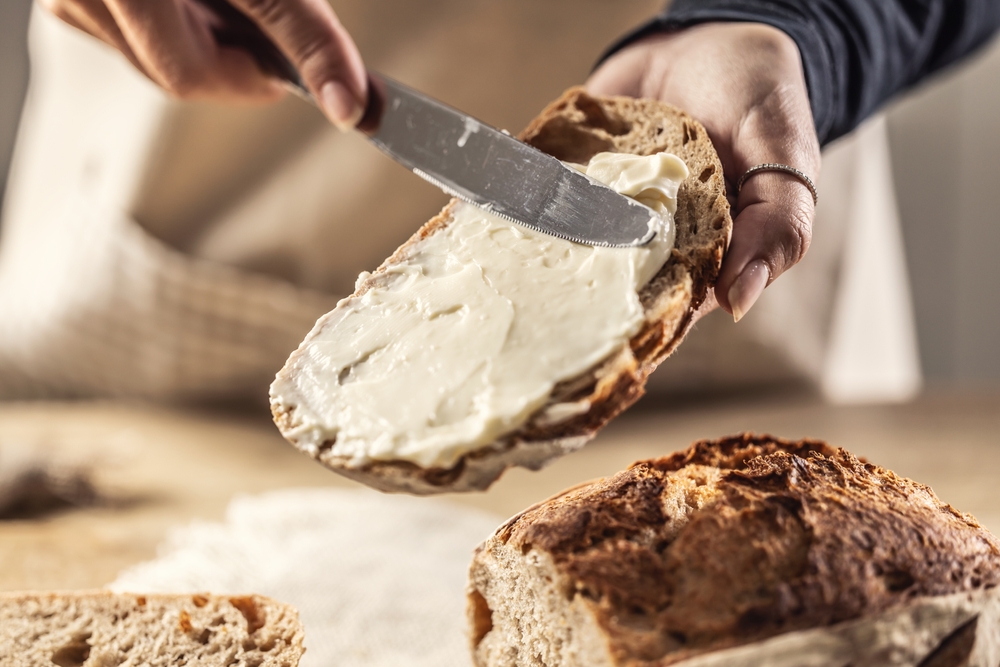
When choosing between breads made with otherwise similar ingredients, Elizabeth Holt suggests that sourdough is probably the better option for blood sugar management. However, its potential advantages do not automatically make it healthier than every other type of bread. The ingredients and overall dietary pattern remain important considerations.
The rest of your meal matters too

The effect of bread on blood sugar cannot be considered separately from the other foods eaten during a meal. What you eat alongside bread can influence your body's blood sugar response. Jessica Brantley-Lopez, a registered dietitian at the VA Hospital in Loma Linda, California, notes that sourdough can be part of a healthy diet that supports more stable blood sugar levels.
Also read: 1 in 25 people drinking two alcoholic beverages daily may die from alcohol-related causes
A balanced diet remains the priority

While sourdough bread may offer certain advantages, overall eating habits play a much greater role in blood sugar management. According to Jessica Brantley-Lopez, a varied diet containing lean protein sources, beans, legumes, fruits, and vegetables is important for both blood sugar control and longevity. Sourdough can fit into this eating pattern, but it should not be viewed as a solution on its own.
Also read: Morning naps linked to a 30 percent higher risk of death, study finds
This article is made and published by Mie Hermansen, who may have used AI in the preparation.