
Drinking diet soda every day may affect your brain in ways you might not expect. Researchers are investigating how artificial sweeteners could influence memory, appetite, mood and the chemical messengers that help the brain function, reports EatingWell.
Artificial sweeteners may influence brain function
Although diet soda contains no sugar, its artificial sweeteners may still affect the brain. Scientists are particularly interested in the potential long-term consequences of regular consumption. These sweeteners are generally considered safe within recommended limits, but researchers continue to investigate their possible effects on brain health.
Research suggests a link to faster cognitive decline

An eight-year study found an association between higher consumption of certain low-calorie and calorie-free sweeteners and a faster decline in cognitive abilities. However, the findings do not establish that these sweeteners directly cause memory problems or other changes in brain function.
A common sweetener breaks down into several substances

Aspartame is widely used in diet beverages. When the body processes it, the sweetener breaks down into phenylalanine, aspartic acid and methanol. Researchers are particularly interested in phenylalanine because large amounts may interfere with the balance of chemical messengers that allow nerve cells in the brain to communicate.
Also read: Five years after COVID-19: Now a major report reveals what went wrong
Sensitive individuals may experience changes in mental function

Chemical messengers in the brain help regulate emotions, concentration and sleep. According to neurologist Luke Barr, consuming large amounts of phenylalanine may disrupt this delicate balance. People who are particularly sensitive to aspartame could be more susceptible to these effects. However, the consequences of ordinary daily consumption remain uncertain.
Headaches may be associated with regular consumption
For some individuals, aspartame may contribute to recurring headaches or migraines. One possible explanation involves the sweetener's effects on neurotransmitters and the regulation of blood vessels in the brain. However, research findings are inconsistent, and not everyone appears to respond to aspartame in the same way.
Sweetness without calories may change the brain's expectations

When we taste something sweet, the brain normally associates that sensation with an incoming source of energy. Diet soda delivers sweetness without the corresponding calories. Researchers are examining whether this mismatch could alter the brain's learned response to sweet foods and beverages.
Hunger signals may be affected

Some evidence suggests that sweeteners such as aspartame and sucralose could influence how the brain regulates appetite. Certain studies indicate that this may affect hunger signals and cravings for sugary foods. Other research, however, has found no lasting effect of sweet tastes on sugar cravings. It therefore remains unclear whether drinking diet soda actually increases hunger.
Also read: The morning workout mistake that may not be helping you lose fat
Artificial sweeteners may alter gut bacteria

Artificial sweeteners could potentially change the microbial environment of the digestive system. Some studies suggest that certain sweeteners may increase the presence of less beneficial bacteria while reducing populations of helpful microorganisms. However, findings vary, and additional research involving humans is needed.
Gut health may play a role in mood regulation
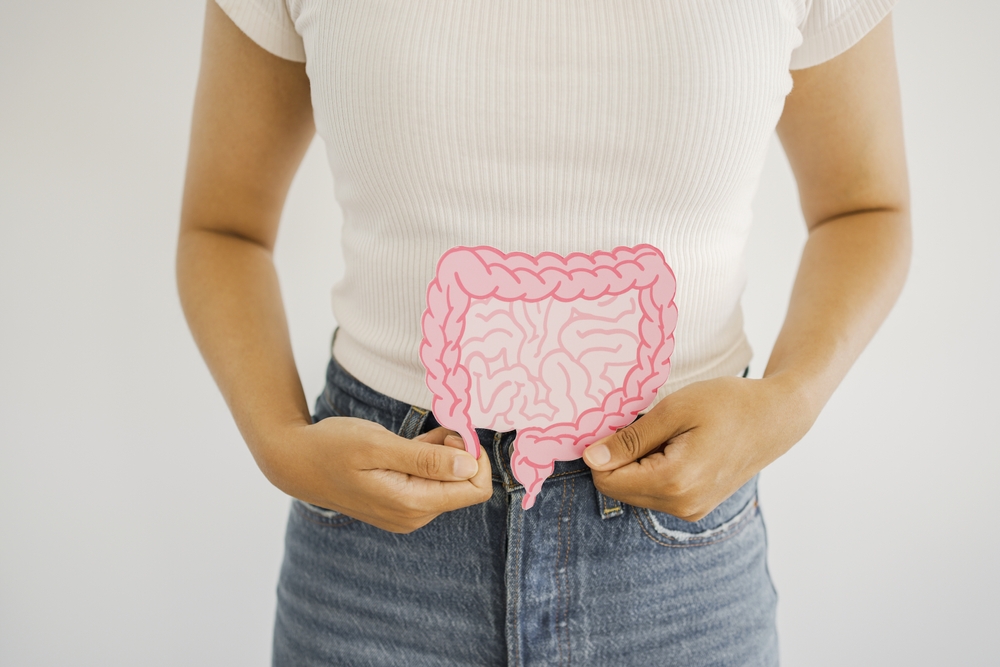
The digestive system and brain continuously exchange information through what is known as the gut-brain axis. Scientists are therefore investigating whether changes in gut bacteria could also affect mental functioning. Possible effects on mood, memory and stress regulation remain areas where further research is necessary.
Different sweeteners do not behave the same way

Sucralose, saccharin and acesulfame potassium differ from aspartame in how the body processes them. Some undergo very little breakdown in the gut and may therefore have less influence on intestinal bacteria. Nevertheless, researchers continue to investigate possible associations between various artificial sweeteners, memory difficulties and signs of inflammation in the nervous system.
Other beverages provide beneficial nutrients

Water is a simple alternative that supports hydration without artificial sweeteners. Green tea provides antioxidants and the amino acid L-theanine, which may promote a calm but alert mental state. Berries added to smoothies supply flavonoids, plant compounds associated with memory and learning. Turmeric-based drinks also contain curcumin, a compound with antioxidant and anti-inflammatory properties.
Also read: You may be paying more for organic food without getting extra health benefits
Daily consumption is worth reconsidering
There is currently insufficient evidence to conclude that drinking one diet soda every day damages the brain. However, several research findings suggest that the potential long-term effects deserve further investigation. For most people, enjoying diet soda occasionally is unlikely to pose a problem, while water remains a sensible choice for everyday hydration.
Also read: Flu vaccine associated with 55% lower Alzheimer's risk, study finds
This article is made and published by Mie Hermansen, who may have used AI in the preparation.